For more information about senior living options: (844) 490-3973
Assisted LivingBoard and Care HomeMemory CareRespite Care
Features
Housing
6 resident community capacity
Types of Care
Assisted LivingAssisted living facilities provide crucial support and care for seniors who may need help with daily tasks such as medication management, bathing, and meal preparation. These communities offer a safe and comfortable environment where seniors can maintain their independence while receiving the assistance they need to thrive in their golden years.
Board and Care HomeBoard and care homes provide a smaller, more intimate setting for seniors who require assistance with daily tasks but do not need the level of care offered by a nursing home. They offer personalized care, meals, and social activities in a homelike environment, ensuring that seniors receive individualized attention and support in their golden years.
Memory CareMemory care is crucial for seniors as it provides specialized support and services for individuals with dementia or Alzheimer's disease. These programs offer a safe and secure environment where residents receive personalized care, cognitive stimulation, and help with daily activities. Memory care helps seniors maintain their independence, quality of life, and dignity while also providing peace of mind for their families.
Respite CareRespite care provides temporary relief for caregivers, allowing them to recharge and attend to their own needs. It also gives seniors the opportunity to socialize, receive professional care, and experience a change of scenery, promoting overall well-being and reducing feelings of isolation.
Amenities
Cable or satellite TVCable or satellite TV is important for seniors because it provides entertainment, news, and companionship, helping to combat loneliness and boredom. It also offers a wide range of programming options tailored to different interests and preferences.
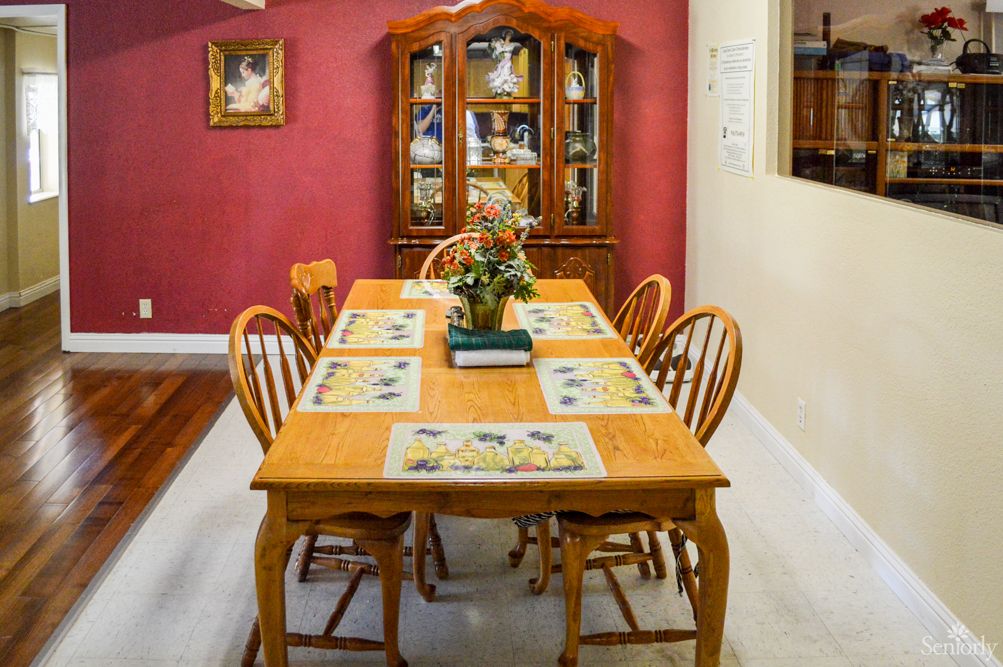
Dining roomDining rooms are important for seniors as they provide a space for socialization, connection, and nutritious meals. They offer opportunities for residents to bond over shared meals, foster a sense of community, and promote healthy eating habits. Dining rooms also ensure that seniors have access to well-balanced meals tailored to their dietary needs and preferences.
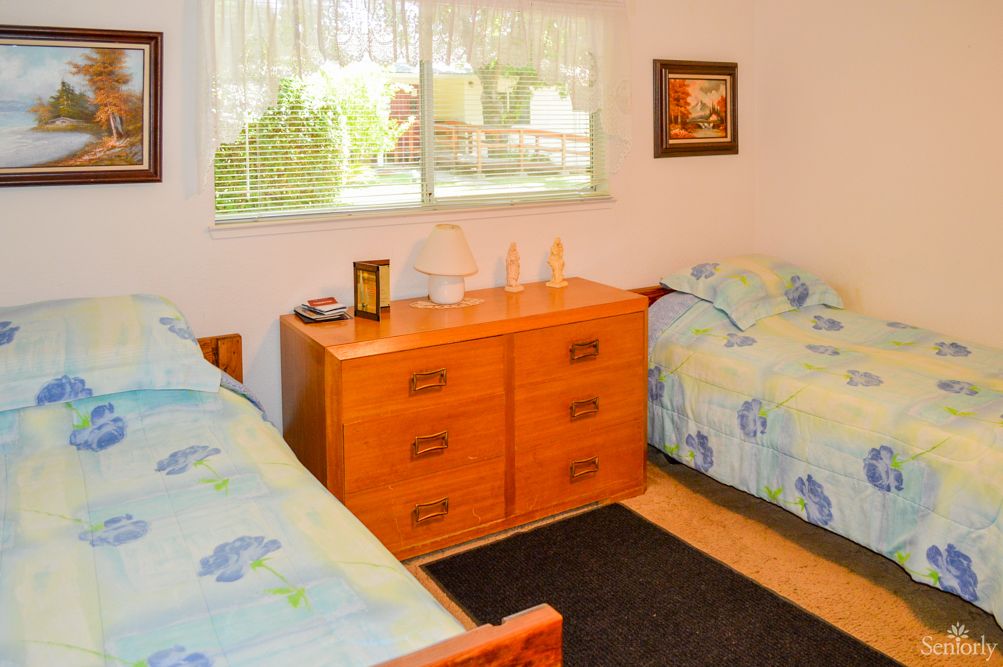
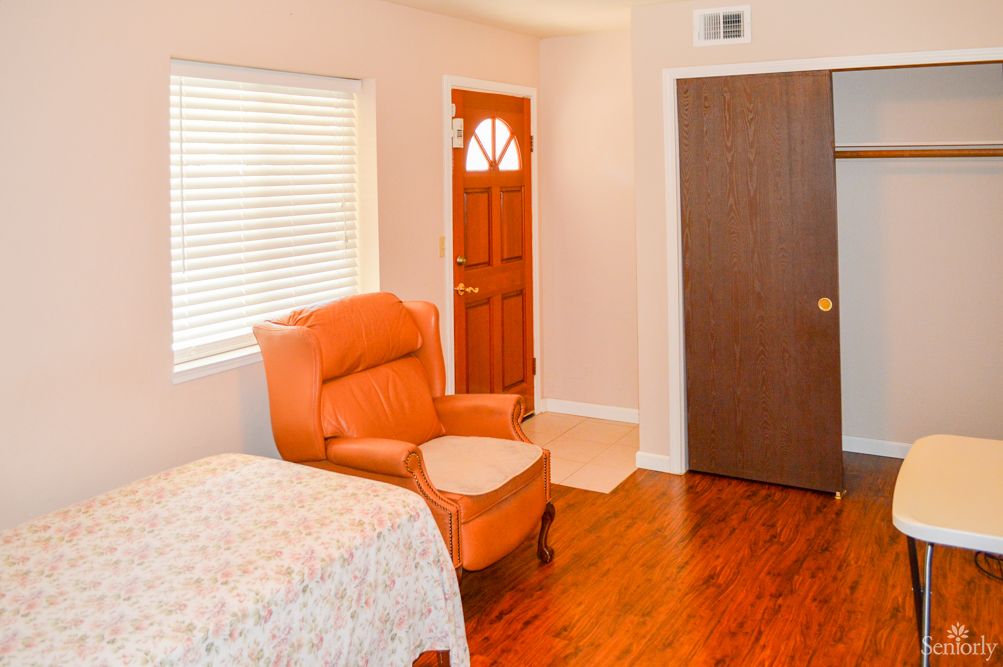
Fully furnishedFully furnished senior living communities are important for seniors because they provide convenience, comfort, and a hassle-free moving experience. Seniors can easily settle into their new living space without the stress of having to buy and move furniture. This allows them to focus on enjoying their new home and community.
GardenGardens are important for seniors as they provide a peaceful and therapeutic environment for relaxation, physical activity, and socialization. Being in nature has been shown to reduce stress, improve mood, and promote overall well-being. Gardens also offer opportunities for seniors to engage in gardening activities, which can improve mobility, flexibility, and cognitive function. Additionally, gardens create a sense of community and connection with others who share a passion for plants and outdoor spaces.
Housekeeping servicesHousekeeping services are important for seniors because they help maintain a clean and safe living environment, promote independence, and reduce the risk of accidents or illnesses. Additionally, having assistance with household chores can alleviate physical strain and allow seniors to focus on other aspects of their well-being.
Move-in coordinationMove-in coordination is important for seniors because it helps ease the transition into their new living environment. It ensures that all logistics, such as packing, organizing movers, and setting up utilities are taken care of, allowing seniors to focus on settling in and adjusting to their new home. Having a smooth move-in process can alleviate stress and anxiety, making the transition smoother and more enjoyable for seniors.
Outdoor spaceOutdoor spaces are important for seniors as they provide opportunities for physical activity, social interaction, exposure to natural light and fresh air, and a sense of connection to nature. Having access to outdoor spaces can improve overall well-being and quality of life for older adults living in senior communities.
Small librarySmall libraries are important for seniors as they provide access to a variety of reading materials, including books, newspapers, and magazines. This can help stimulate their minds, keep them engaged, and provide a sense of community through book clubs and other social activities. Additionally, reading has been shown to improve cognitive function and overall mental well-being in older adults.
TelephoneTelephones are important for seniors as they provide a lifeline for communication with loved ones, emergency services, and healthcare providers. They offer a sense of security and independence, enabling seniors to stay connected and access assistance when needed.
Transportation
Sacramento International (14 miles away)
Care Services
24-hour supervision24-hour supervision is important for seniors to ensure their safety, well-being, and access to immediate assistance in case of emergencies or health issues. This constant support provides peace of mind for both seniors and their loved ones, allowing them to age in place with dignity and security.
Activities of daily living assistanceActivities of daily living assistance are important for seniors because they provide essential support with tasks such as eating, bathing, dressing, and mobility. This assistance helps seniors maintain their independence, dignity, and overall quality of life as they age.
Assistance with bathingAssistance with bathing is crucial for seniors as it helps maintain personal hygiene, prevents infections, and ensures their overall well-being and comfort. It also provides a sense of dignity and independence for seniors who may struggle with this task on their own.
Assistance with dressingAssistance with dressing is important for seniors because it helps maintain their independence, promotes personal hygiene, prevents accidents and injuries, and improves overall quality of life. This service ensures that seniors can continue to dress comfortably and confidently, despite any physical limitations they may have.
Assistance with transfersAssistance with transfers is crucial for seniors as it helps prevent falls and injuries, maintains their independence, and ensures they can safely navigate their living environment. It also provides peace of mind for both seniors and their loved ones.
Diabetes dietA diabetes diet is crucial for seniors as it helps manage blood sugar levels, reduce risks of complications, and improve overall health and well-being. By following a balanced and nutritious diet tailored to their specific needs, seniors can better control their diabetes and enhance their quality of life.
Meal preparation and serviceMeal preparation and service are crucial for seniors as they may have limited mobility or energy to cook nutritious meals. Having access to healthy and convenient food options can ensure they are getting the proper nutrition needed to maintain their overall health and well-being.
Medication managementMedication management is crucial for seniors to ensure they are taking the right medications at the correct dosages and times. This helps prevent adverse drug interactions, reduces the risk of medication errors, and promotes overall health and well-being. Proactive management also allows for adjustments as needed based on changing health conditions or new prescriptions.
Mental wellness programMental wellness programs are essential for seniors as they promote cognitive stimulation, emotional support, and social engagement. These programs help prevent isolation, depression, and cognitive decline, ultimately enhancing the overall quality of life for older adults.
Mild cognitive impairment"Mild cognitive impairment" is important for seniors because it is an early stage of cognitive decline that can potentially progress to more severe conditions such as dementia. Recognizing and addressing mild cognitive impairment can help seniors receive appropriate care and support to maintain their quality of life and independence for as long as possible.
Special dietary restrictionsSpecial dietary restrictions are important for seniors because age-related changes in metabolism and health conditions can make it difficult for their bodies to process certain foods. By following a diet tailored to their specific needs, seniors can maintain their overall health and well-being, manage chronic conditions, and reduce the risk of complications such as malnutrition or food interactions with medications.
Specialized memory care programmingSpecialized memory care programming is crucial for seniors with cognitive impairments such as dementia or Alzheimer's disease. These programs provide a safe and supportive environment tailored to the unique needs of individuals with memory loss, helping them maintain their independence, dignity, and quality of life.
Dining
Diabetes dietA diabetes diet is crucial for seniors as it helps manage blood sugar levels, reduce risks of complications, and improve overall health and well-being. By following a balanced and nutritious diet tailored to their specific needs, seniors can better control their diabetes and enhance their quality of life.
Special dietary restrictionsSpecial dietary restrictions are important for seniors because age-related changes in metabolism and health conditions can make it difficult for their bodies to process certain foods. By following a diet tailored to their specific needs, seniors can maintain their overall health and well-being, manage chronic conditions, and reduce the risk of complications such as malnutrition or food interactions with medications.
Activities
Community-sponsored activitiesCommunity-sponsored activities are important for seniors as they provide opportunities for social interaction, mental stimulation, and physical activity. These activities can help improve overall well-being, combat loneliness and isolation, and promote a sense of belonging and purpose among older adults.
Scheduled daily activitiesScheduled daily activities are important for seniors because they provide structure, socialization, mental stimulation, and physical activity. Engaging in regular activities can improve overall well-being and quality of life for seniors living in a community setting.
Description
The Elderly Inn I in Carmichael, CA is a warm and inviting assisted living community that offers a range of care services to cater to the unique needs of its residents. With its board and care home, memory care, and respite care options, individuals can find the level of support they require.
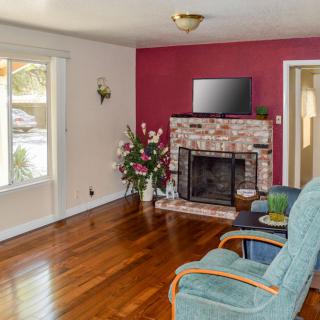
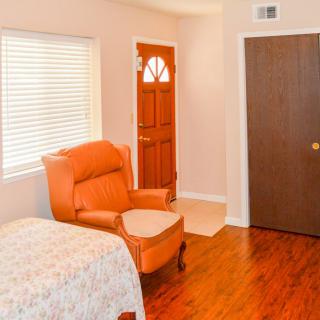
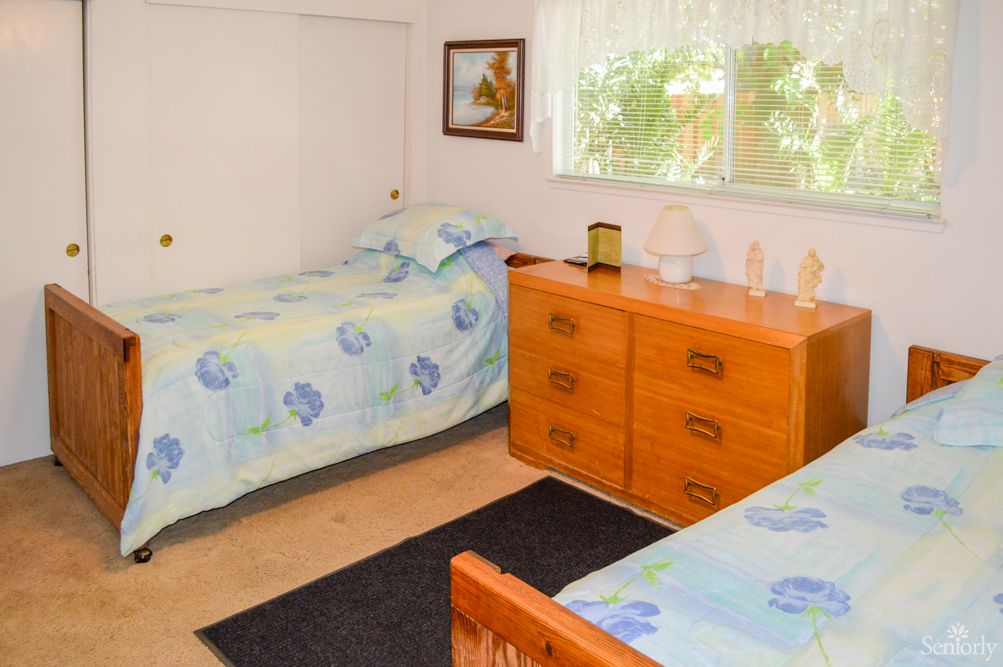
Residents at The Elderly Inn I can enjoy comfortable accommodations as the community offers fully furnished rooms. The dining room provides delicious meals tailored to individual dietary restrictions. Additionally, housekeeping services ensure that common areas and personal spaces are kept clean and tidy.
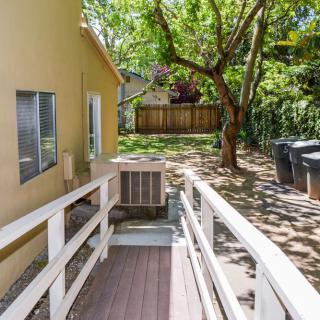
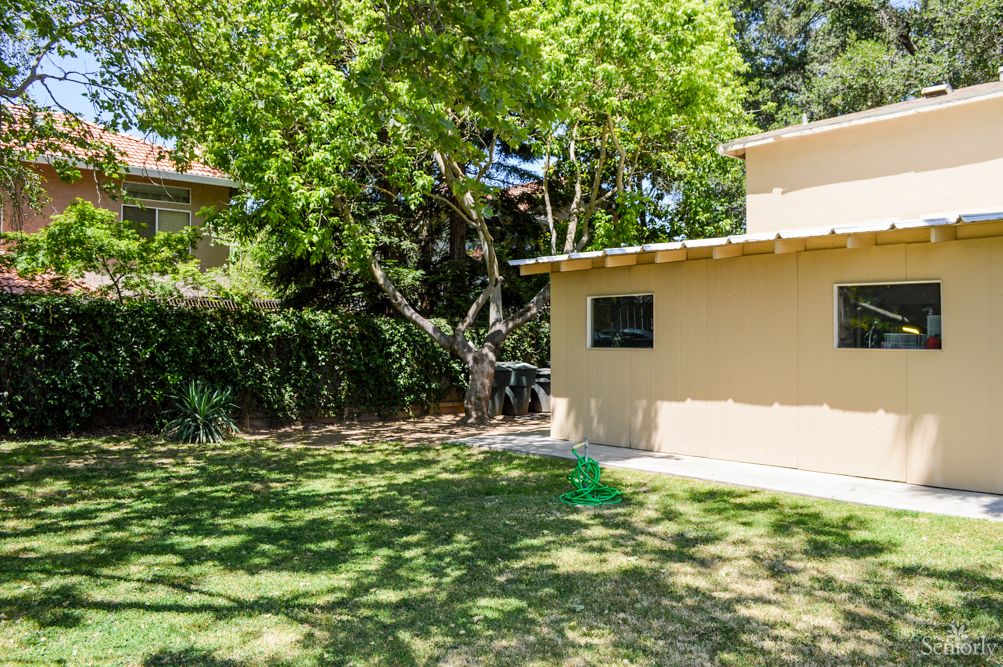
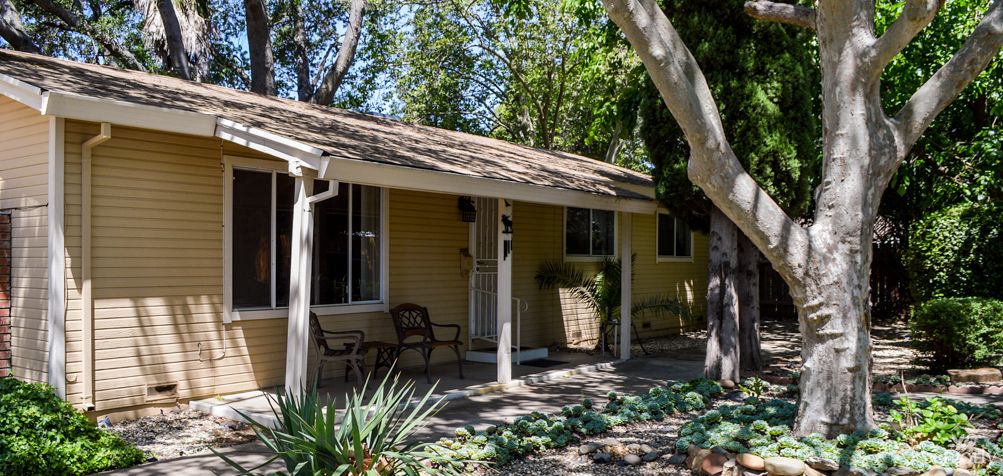
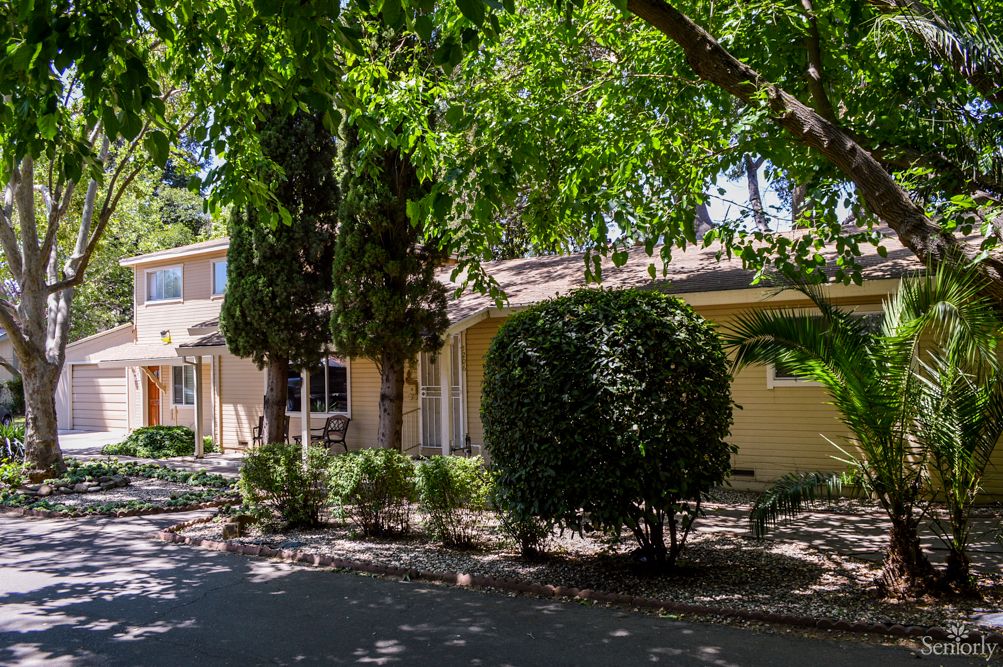
The community boasts beautiful outdoor spaces and gardens where residents can relax and enjoy nature. For those who love reading, there is a small library available on-site. A telephone is provided to ensure easy communication with loved ones.
Qualified staff members are available to provide assistance with activities of daily living such as bathing, dressing, and transfers. Medication management ensures that residents receive their prescribed medications on time. The community also offers specialized memory care programming for individuals with mild cognitive impairment.
Residents have access to a wide range of amenities both within the community and nearby. Daily activities are scheduled to keep seniors engaged and entertained. Nearby cafes, parks, pharmacies, physicians' offices, restaurants, places of worship, theaters, and hospitals provide convenience in terms of necessities, entertainment options, medical support, and spiritual needs.
At The Elderly Inn I in Carmichael, CA, seniors can find a supportive environment where their well-being is prioritized through personalized care services and engaging activities while enjoying the many conveniences offered both on-site and nearby.
Nearby Places of Interest
Pharmacies
CVS Pharmacy (0.3 miles)
Walgreens (0.8 miles)
Rite Aid (1.2 miles)
Rite Aid (1.5 miles)
Raley's Pharmacy (1.6 miles)
Walgreens (2.1 miles)
Save Mart Supermarkets (2.2 miles)
Places of Worship
Slavic SDA Church (0.5 miles)
Crossroads Christian Fellowship Wesleyan Church (3.6 miles)
SDA Ukrainian Church (3.6 miles)
St Mel's Catholic Church (4.3 miles)
Hospitals
Walnut Whitney (0.6 miles)
Greater Sacramento Surgery Center (3.7 miles)
San Juan Surgery Center (3.7 miles)
Sacramento VA Medical Center (4.2 miles)
Parks
Mission North Park (0.7 miles)
Ancil Hoffman Park (0.9 miles)
Carmichael Park (0.9 miles)
Effie Yeaw Nature Center (1.7 miles)
William B Pond Recreation Area (2.1 miles)
Sacramento Bar (4 miles)
Sunrise Area American River Parkway (4.4 miles)
Cafes
Starbucks (0.9 miles)
Dutch Bros Coffee (1.4 miles)
Starbucks (3.6 miles)
KP International Market (3.6 miles)
Dutch Bros Coffee (4.1 miles)
Starbucks (4.3 miles)
Theaters
Country Club Cinema (2.2 miles)
Century Theatre (4.1 miles)
Restaurants
McDonald's (2.2 miles)
Chick-Fil-A (2.8 miles)
In-N-Out Burger (2.8 miles)
Pho Fresh (2.9 miles)
Taco Bell (3 miles)
Jack In The Box (3.6 miles)
McDonald's (3.8 miles)
Physicians
Alocozy, M Nadir MD: M Nadir Alocozy, MD (2.5 miles)
The Elderly Inn I employs a range of features tailored to enhance the quality of life for residents facing dementia or Alzheimer's disease. Assistance with dressing and bathing not only promotes personal hygiene but also fosters dignity and independence, while meal preparation and service ensure that nutritional needs are met in a structured manner, essential for cognitive function. Medication management helps maintain adherence to prescribed regimens, crucial for overall health stability. Activities of daily living assistance supports residents in maintaining routines, thereby boosting their self-esteem and sense of normalcy. With 24-hour supervision, residents receive constant safety monitoring, reducing anxiety for both them and their families. The mental wellness program is designed to engage the mind through exercises tailored to cognitive capacities, encouraging social interaction and emotional well-being. Specialized memory care programming specifically addresses the unique challenges posed by mild cognitive impairment and advanced stages of dementia, providing targeted activities that stimulate memory recall and promote cognitive engagement in a comforting environment.
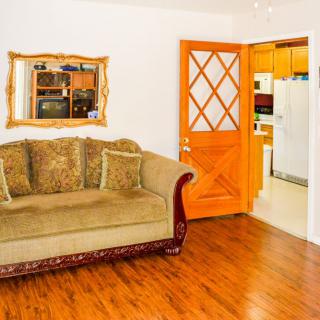
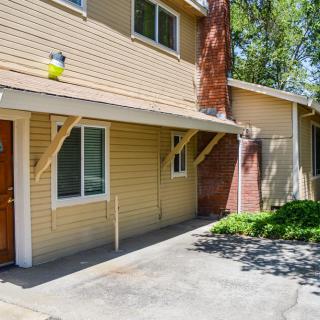
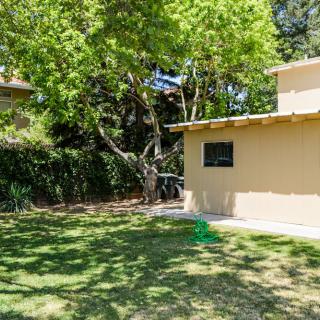
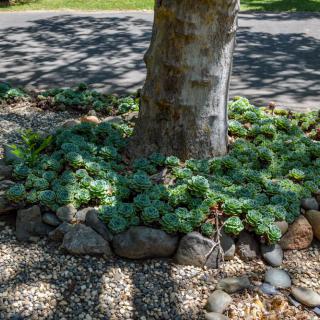
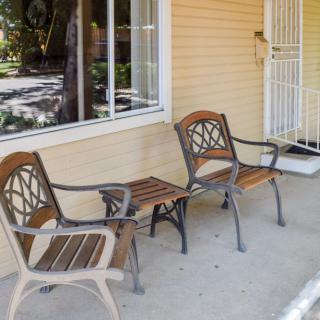
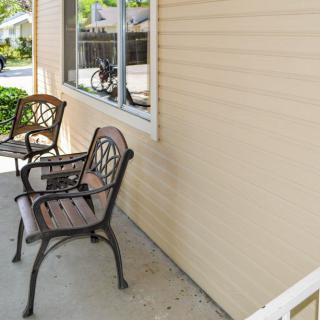
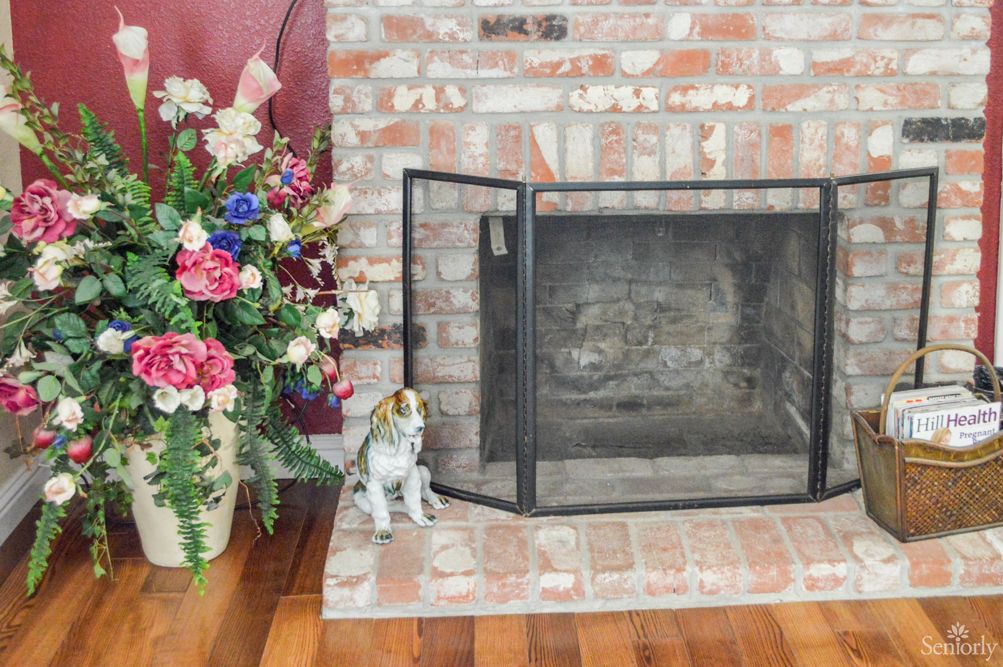
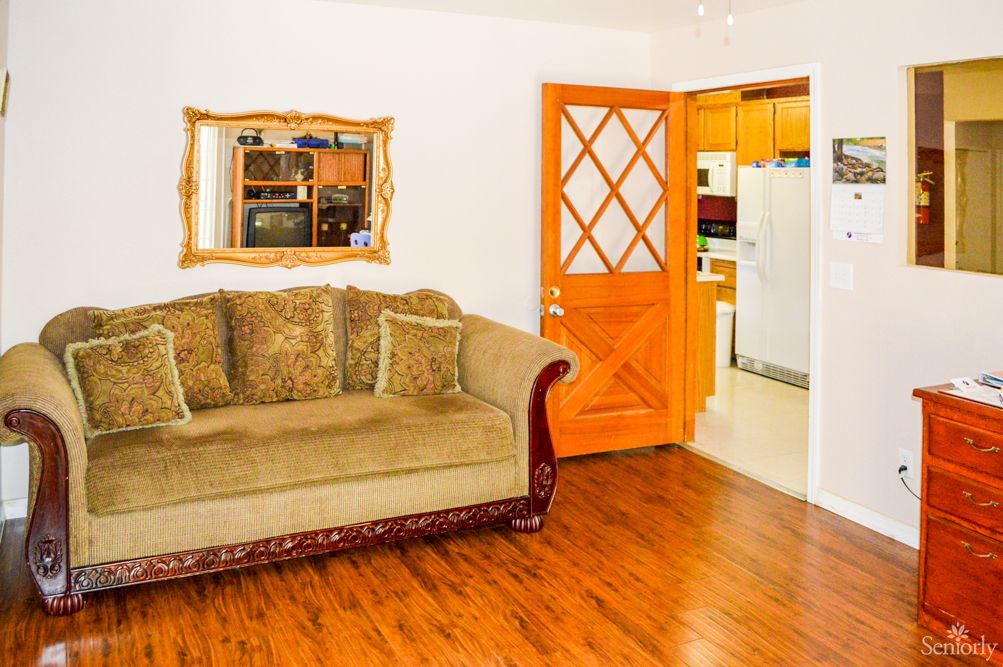
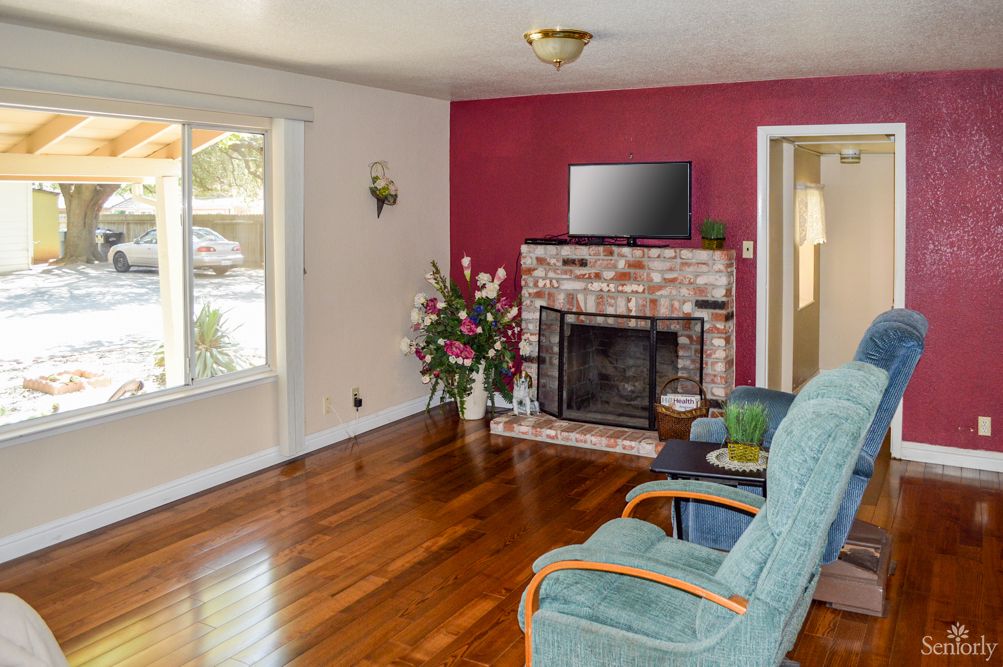
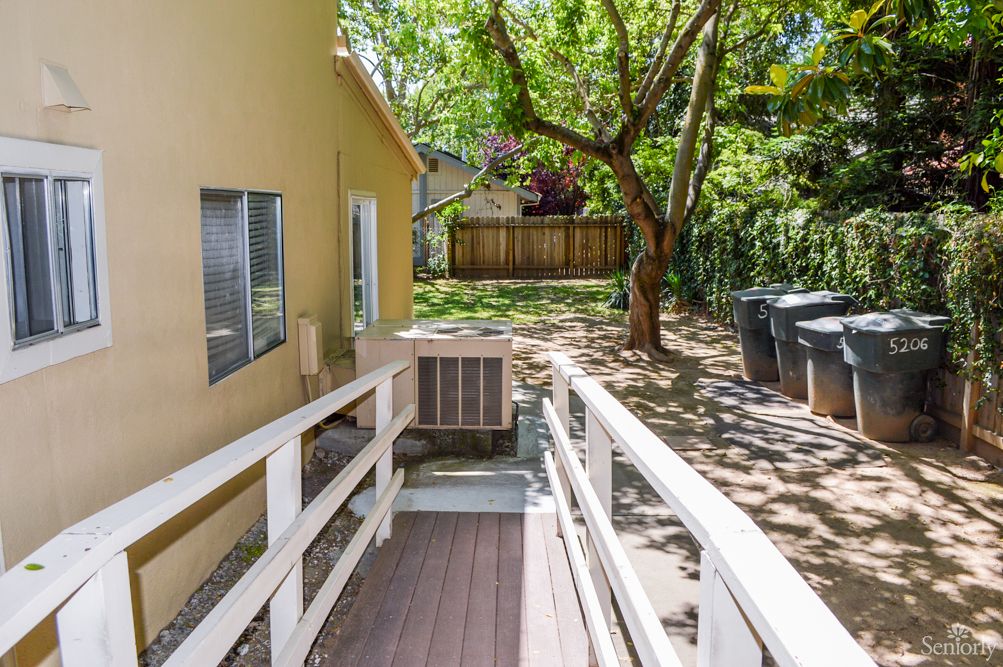
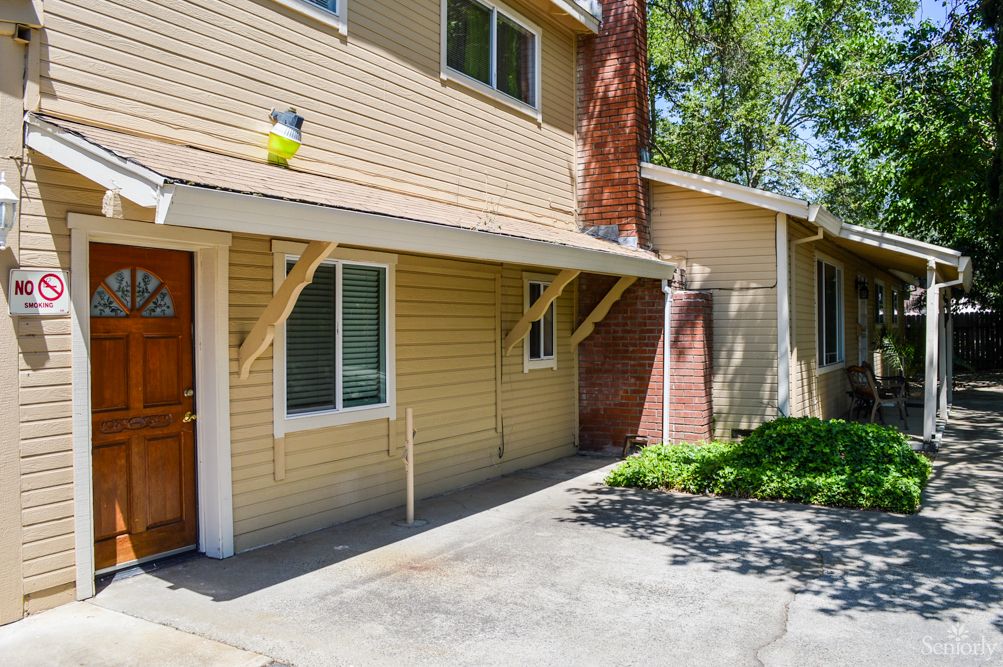
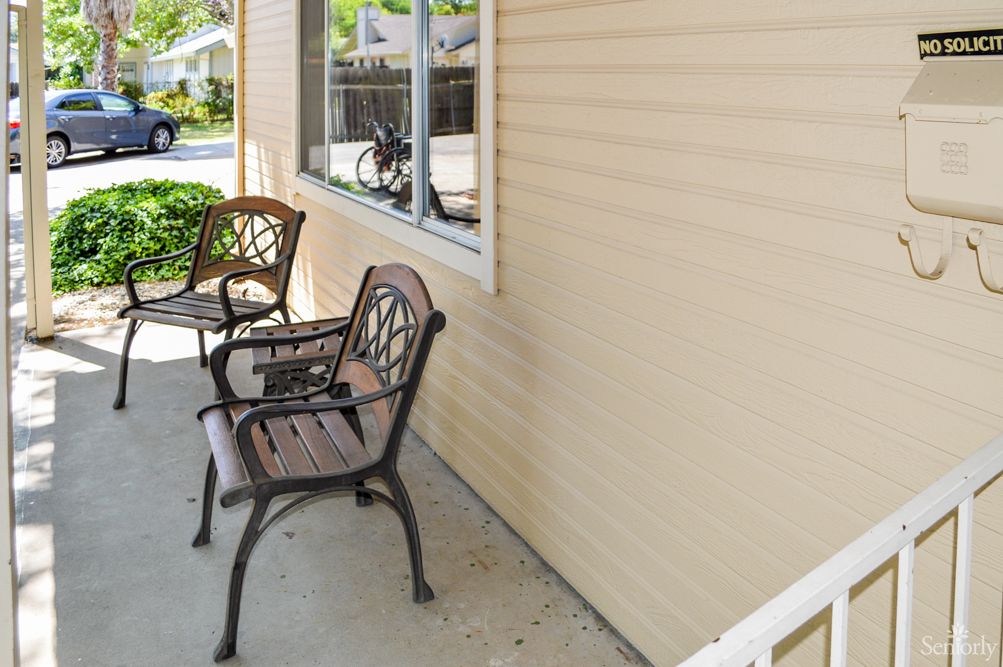
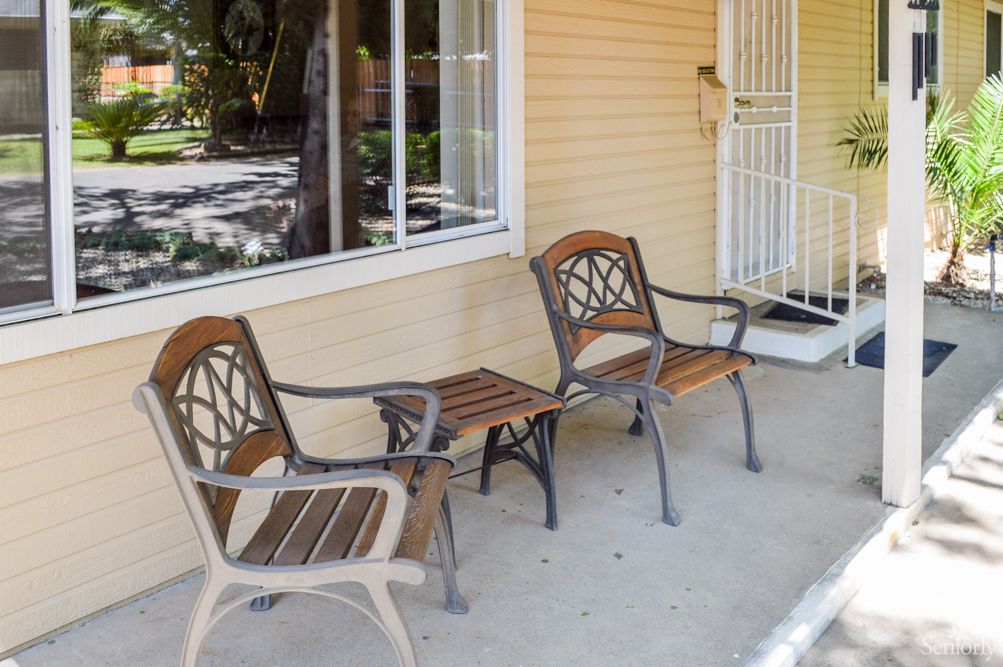
The Elderly Inn I on seniors.fyi includes 18 photos including images showing bedroom, landscaping, windows, trees, garden, interior, tree, porch, and more.

Nearby Communities
The Elderly Inn #2
Carmichael, CA
1 from 1 review
$2,500 to $3,500 / month
Friendly owner and welcoming residents; competitive pricing.

North Avenue Villa
Carmichael, CA
Small 6-bed board-and-care with personalized care, diabetes-friendly meals, and medical transportation.
North Avenue Retreat
Carmichael, CA
$2,995 to $3,893 / month
Small, intimate community with competitive pricing and comprehensive care.
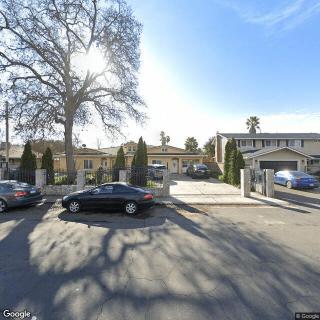
North Ave Retreat
Carmichael, CA
3.7 from 3 reviews
$3,500 / month
Friendly staff and a well-kept environment with competitive county pricing.

Emerson Place Apartments
Carmichael, CA
4.7 from 6 reviews
$1,275 to $1,395 / month
Friendly staff, well-maintained grounds, and affordable units with updated kitchens.

Olive Glen Manor
Carmicheal, CA
$2,500 to $3,000 / month
Specialized memory care with high-acuity and incontinence support, plus affordable pricing and on-site activities.
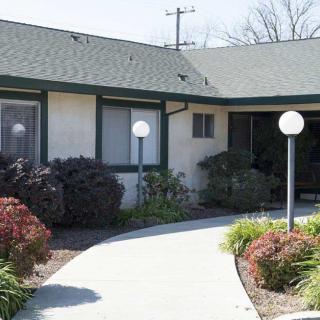
Walnut House
Carmichael, CA
3.9 from 46 reviews
$2,010 to $3,030 / month
Friendly staff, good meals, and a clean, homelike environment.
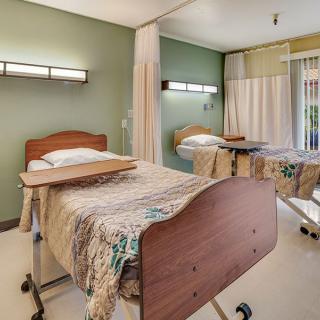
Mission Carmichael Healthcare Center
Carmichael, CA
3.1 from 73 reviews
Some dedicated staff members genuinely care; flexible family visiting.
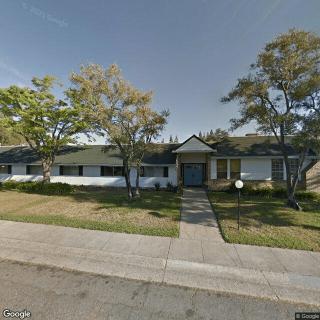
Mountain Manor
Carmichael, CA
4.5 from 111 reviews
$2,500 to $3,500 / month
Supportive, professional staff and a clean, welcoming environment.

Dementia, primarily caused by Alzheimer's disease but also linked to other conditions, leads to cognitive decline impacting memory and daily functioning, with individuals experiencing varied awareness of their impairments. Despite memory loss, emotional connections persist, enabling responses to familiar stimuli, highlighting the need for caregivers to provide compassionate support that recognizes both limitations and retained emotional depth.
The article presents five subtle indicators of dementia, such as memory lapses and mood swings, to help families assess cognitive decline in loved ones. It emphasizes early detection, open communication, and seeking professional help while providing practical support steps.

Dementia encompasses progressive neurological disorders that impair cognitive functions and can lead to paranoia due to cognitive decline and emotional changes. The article discusses the triggers of paranoia in dementia, caregiver strategies for managing it, and the importance of distinguishing between dementia-related paranoia and other psychiatric conditions.