
6012 Odelia Lane, Carmichael, CA 95608
To contact a resident: (916) 514-1539
For more information about senior living options: (866) 208-4318
Integrity Home Care, LLC Costs & Pricing
Integrity Home Care, LLC offers competitive pricing for its various room types compared to the local market in Sacramento County and across California. For a semi-private room, Integrity's rate of $3,500 exceeds both the county's average of $3,106 and the state's average of $3,333, reflecting an emphasis on quality care and amenities. Similarly, their private rooms are priced at $4,500, which is higher than Sacramento's average of $3,686 and California's state average of $3,939. In terms of studio accommodations, Integrity aligns closely with the state's average at $4,500 compared to Sacramento County's $3,865 and California overall at $4,145. These rates highlight Integrity Home Care's commitment to delivering premium care that may justify the higher costs in relation to the value provided.
| Floor plans | Integrity Home Care, LLC | Sacramento County | California |
|---|---|---|---|
| Semi-Private | $3,500 | $3,106 | $3,333 |
| Studio | $4,500 | $3,865 | $4,145 |
| Private | $4,500 | $3,686 | $3,939 |
Memory care communities with a similar price nearby
-
from +$500 / mo
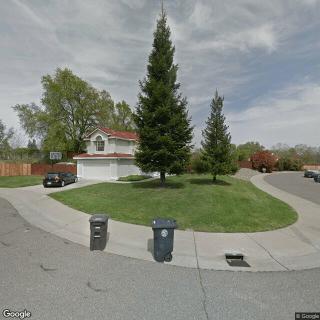
Sungarden Villa II
$4,000 / month5.4 miles away -
from +$650 / mo
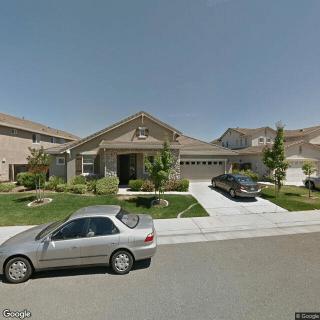
Ferrari
$4,150 to $5,500 / month15.5 miles away -
from -$500 / mo
Love & Care for Elder
$3,000 to $4,500 / month5.5 miles away -
from +$500 / mo

Ashley Villa
$4,000 / month1.5 miles away -
from +$500 / mo
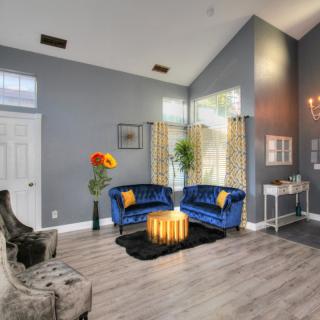
A Bright Future
$4,000 / month6.7 miles away
Overall Review of Integrity Home Care, LLC
Pros
 The care home has caring staff and lots of interaction.
- It is a great place for the right resident.
- The shared room is open and accommodates up to five residents.
Cons
 The shared one-bed room is cramped and lacks privacy.
- A small shared room may feel crowded and uncomfortable.
- The description that it’s “for the right resident” suggests limited appeal.
Review
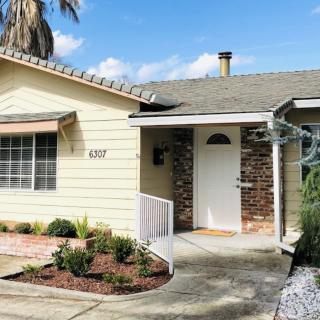
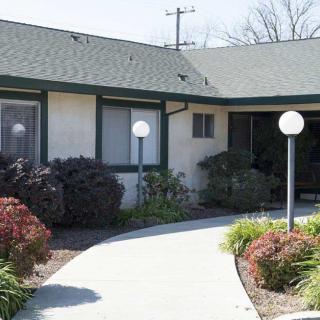
Integrity Home Care in Carmichael is best suited for families seeking a small, home-like care environment where staff are visibly engaged and residents experience frequent social interaction. This community positions itself as a tight-knit, low-volume setting, with a shared-room model that caps the live-in group to roughly five residents. For seniors who value personal attention, frequent check-ins, and a straightforward routine over a broad array of amenities, this can feel like a comfortable, predictable place to age in place. The emphasis on caregiver presence and daily interaction makes it clear this is not a facility built for quiet isolation but for companionship and hands-on support.
Those who should consider alternatives are individuals who prize privacy, a wider activity calendar, or specialized care needs that go beyond a small-scale home atmosphere. Prospective residents who require private accommodations or who want a living space with greater independence may find the shared-room format limiting over time. Families looking for robust cultural programming, diverse dining options, or more expansive facilities may want to compare other options. In short, this community works best when the priority is close, consistent caregiving and social engagement in a small setting; it is less appealing for privacy-focused or highly specialized care requirements.
The strongest pros are the staff’s caring approach and the abundance of interaction. Reviewers repeatedly describe attentive, engaged caregivers and a lively, sociable day-to-day through shared activities and conversations. That level of contact translates into reliable supervision and quick responsiveness, which can alleviate common family concerns about safety and mood stability. The small shared-room configuration reinforces this dynamic: with only a few residents, staff can monitor needs more readily, spot changes quickly, and customize support in real time. For residents who thrive on companionship and need steady, visible support, these qualities can offset many everyday stressors that arise with aging in place.
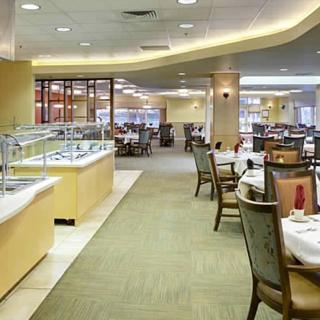
Yet the same features that people value also underscore the core drawbacks. The shared-room setup inherently limits privacy, which can be a deal-breaker for residents who value quiet, personal space, or private routines. The facility’s intimate size, while a strength in terms of monitoring, also constrains the breadth of amenities, dining variety, and activity options. A small community may feel repetitive after a while, and for those who want cultural variety in programming or meals, the environment may feel constrained. The one-room-at-a-time intimacy can also intensify personalities and routines, potentially intensifying conflict or discomfort for residents who prefer more personal breathing room.
The key to evaluating fit lies in weighing the trade-offs: the high-touch, sociable model versus the privacy- and variety-driven expectations. For families prioritizing consistent caregiver attention, clear daily structure, and opportunities for meaningful interaction, the pros can substantially offset the cons. The staff’s engagement tends to deliver reassurance and timely assistance, which often translates into better mood and adherence to routines. However, for residents who need private accommodations, a broader activity calendar, or more diverse culinary options, the downsides become harder to overlook. The bottom line is clear: this community serves best when its compact, interactively guided approach aligns with the resident’s temperament and care goals.
If this option appears promising, enter conversations with a focused checklist:Will private rooms ever be available, or is sharing mandatory?What does a typical day look like in terms of activities, meals, and one-on-one time with staff?Is the dining menu strictly American, and how flexible is it if dietary or cultural preferences matter?Are there opportunities to customize routines, quiet spaces, or small-group activities to reduce overwhelm?Finally, assess whether the family’s decision-making timeline matches the facility’s occupancy and staffing patterns. For residents who crave a parlor-like round-the-clock presence of caregivers and a built-in social circle, Integrity Home Care can be a sound, even ideal, match. For those who cannot tolerate shared space or who require broader services, it would be prudent to steer toward larger, private-room options with more diversified programming.
 Board and Care Home
 Day Program
 Memory Care
 Devotional services off-site
 Private
 Respite or short term stays offered
 Sacramento International (15 miles away)
 Ambulatory care
 Diabetic care
 High acuity care
 Incontinence care
 Medication management
 Meals provided

 Medications Associated with Dementia Risk: A Comprehensive Overview
 Guiding Your Journey: Understanding Power of Attorney for Elderly Parents
 22 Remarkable Caregiver Support Groups Available Online and In-Person