
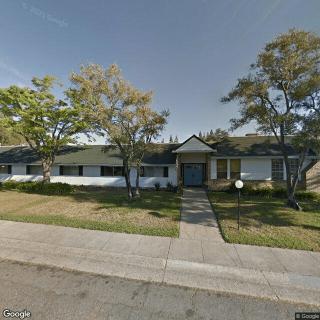
4005 Manzanita Ave #5, Carmichael, CA 95608
To contact a resident: (916) 226-3737
For more information about senior living options: (866) 208-4318
Overall Review of Home Care Assistance of Carmichael, CA
Pros
 Maggie and her team came to the rescue with little to no notice, and were caring, easy to work with, and exceeded expectations.
- Maggie, Shenell, and In Your Home Care Services are amazing.
- They offered insightful ideas to help a dad in need, and Maggie provided RN services as well as caring, nurturing providers.
- Good, compassionate senior care is hard to come by, and they deliver it.
- The team made a hard situation bearable.
- The team helped a 93-year-old mom recover from a hip surgery; she is walking and smiling again.
- The care team was patient, kind, and supportive.
- Maggie quickly arranged caregivers for the next day; the caregivers were kind, caring, and professional.
- Home caregiving has allowed staying at home, with around-the-clock coverage as needed.
- The owner Maggie personally met for an initial evaluation and provided comfort; Ash is a genuinely caring assistant.
- The staff and directors provide spot-on advice, based on medical experience, and are genuinely caring; they go beyond obligations.
- Maggie and her staff were heroes, matched caregivers to personality, and were essential in rehabilitation.
Cons
 The provided reviews are all positive in tone. If you’d like, I can create example negative statements in a similar third-person style.
Review
This in-home care service in Carmichael is best suited for families who want highly responsive, nurse-led support that keeps a loved one at home. It is especially advantageous for seniors recovering from surgery, those managing neurodegenerative conditions like Parkinson’s, or loved ones requiring hospice or ongoing elder care with an emphasis on autonomy and familiar surroundings. The service is designed to mobilize quickly, caregivers can be lined up within hours when urgent help is needed, providing a practical path to avoiding premature moves into a facility. For families facing sudden gaps in care, this model offers immediate, tangible relief and a clear option to extend home life rather than relocate.
The core strengths are unmistakable: rapid caregiver placement and flexible scheduling, including the capacity for around-the-clock coverage when necessary. The team is consistently described as caring, professional, and reliable, caregivers who arrive on time, look the part, and adapt to the client’s rhythms. A physician-led owner brings clinical credibility to the arrangement, enabling smarter care decisions and smoother communication with family members and, when appropriate, other healthcare professionals. The program goes beyond routine tasks by delivering highly personalized care plans, with caregivers matched to personality and needs, and regular evaluations that evolve with the condition of the loved one. This blend of medical grounding and compassionate bedside manner stands out in a crowded field of home-based options.
Further, the ability to keep the care at home extends beyond basic assistance. Families report meaningful post-acute recovery outcomes and meaningful improvements in mood and function, with seniors walking and smiling again under patient, consistent support. The option to scale to 24/7 coverage without forcing a move is a powerful differentiator, reducing caregiver burnout for family members and providing a stable routine for the elder. Urgent scenarios, whether it is managing catheter issues, adapting activities of daily living, or reorganizing schedules on short notice, are met with competence and urgency. This level of attentiveness cultivates trust and makes the home a genuinely safer, more manageable place to live through illness or aging.
Still, the in-home model carries practical considerations. The most salient con is reliance on the availability and continuity of individual caregivers, with no on-site community setting or campus-style environment. Though the team works hard to secure consistent staffing and to tailor matches to personalities, some turnover or scheduling shifts are possible over time. Financially, high-quality in-home care represents a significant investment, and families should compare ongoing costs with the larger expense of moving to a facility, while weighing the emotional and practical benefits of staying at home. When weighed against these trade-offs, the advantages, safety, continuity of care, independence, and emotional comfort, often make the home-based option the wiser choice for those who prize staying in familiar surroundings.
For families that require a more structured community life or intensive, round-the-clock nursing within a facility, alternatives may be more appropriate. If a resident benefits from built-in social programming, formal memory care environments, or physician-led on-site oversight in a campus setting, a traditional assisted living or skilled nursing facility could better align with those priorities. The current model excels when the goal is highly individualized, flexible, and medically informed care delivered at home, while acknowledging that some care plans may eventually demand a different setting to meet evolving needs.
Overall, this Carmichael service presents a pragmatic, experience-backed option for keeping a loved one at home with expert, compassionate support. The strongest value proposition rests on rapid access, scalable 24/7 availability, and the combination of clinical insight from Maggie with a steady cadre of kind, capable caregivers. The pros, medically informed coordination, emotional warmth, and the ability to tailor care to changing circumstances, largely offset the typical drawbacks of home-based care, delivering real peace of mind and measurable improvements in daily life. Prospective families should begin with a thorough evaluation, confirm the involvement of nursing oversight where desired, explore caregiver matching criteria, and discuss 24/7 arrangements to ensure the plan will grow with the loved one’s needs.
 Sacramento International (15 miles away)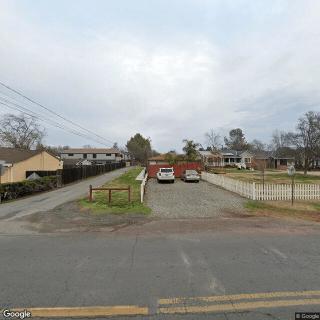





 Home Health Care Aides: Understanding Their Role and Supporting Your Family
 Urinary Tract Infections in Older Adults: Comprehensive Insights on Symptoms, Treatment, and Prevention
 California's Form 602A: An In-Depth Examination of Senior Care Assessment