
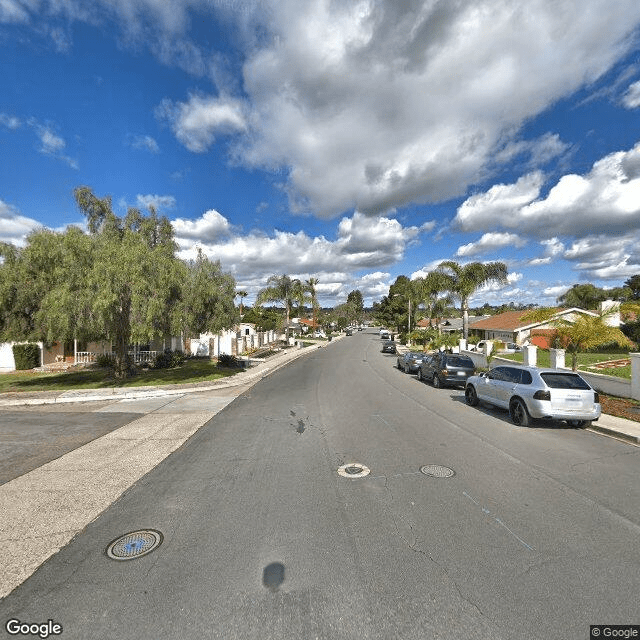
3745 Bonita Glen Terrace, Bonita, CA 91902
To contact a resident: (619) 479-7386
For more information about senior living options: (866) 208-4318
Loving Care for the Elderly Costs & Pricing
Loving Care for the Elderly offers competitive pricing for its services, especially when compared to the broader market in San Diego County and across California. For a private room, residents can expect to pay $2,800 per month, significantly lower than the county average of $3,939. This trend continues with one-bedroom accommodations, where Loving Care maintains a rate of $2,800 compared to the county's higher fee of $4,315 and the state average of $4,340. This pricing structure not only underscores Loving Care's commitment to providing quality service at an accessible cost but also highlights its value in a region where senior living expenses can be quite steep.
| Floor plans | Loving Care for the Elderly | San Diego County | California |
|---|---|---|---|
| Private | $2,800 | $3,939 | $3,939 |
| 1 Bedroom | $2,800 | $4,315 | $4,340 |
Memory care communities with a similar price nearby
-
About the same
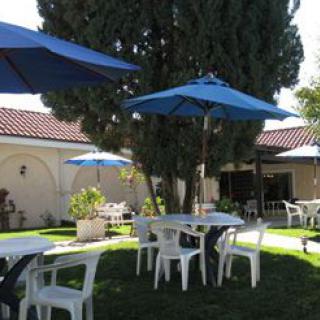
Alpine View Lodge
$2,850 to $3,550 / month17.6 miles away -
from +$400 / mo
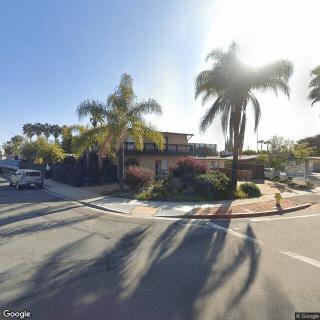
Wellspring Assisted Living
$3,200 to $4,000 / month8.8 miles away -
About the same
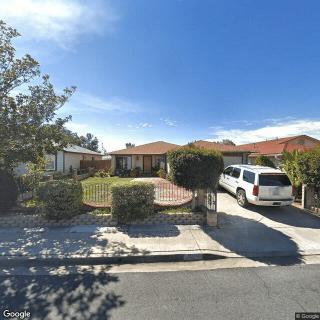
Carecenter at Home for Elderly
$2,800 to $3,500 / month2.2 miles away -
from +$400 / mo
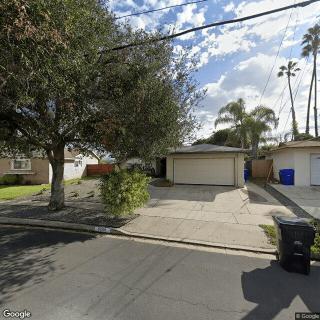
Baron's Residential Care Inc. - Lodi Gardens
$3,200 to $4,000 / month16.0 miles away -
from +$200 / mo
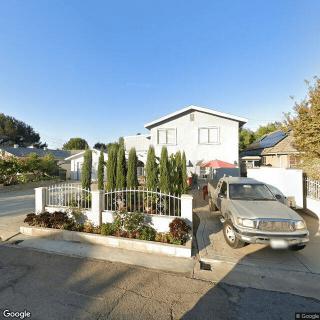
Lilac Chateau I
$3,000 to $4,500 / month13.4 miles away
Overall Review of Loving Care for the Elderly
Pros
 It provides a welcoming place where families don't have to worry about financial concerns.
- The Loving Care Adult Day Health Care Center is a wonderful meeting place for seniors and a great place to make friends.
- It has light medical clearance and a full-time registered nurse on duty in a well-equipped facility.
- It offers two fully equipped exercise rooms with user-friendly equipment and skilled staff to assist.
- It serves breakfast and lunch, along with delicious snacks, coffee and tea.
- There are various games available, including bingo, which residents enjoy and find fun.
- Loving Care provides transportation by bus, and members may also arrange their own travel if they wish.
- The staff are caring and friendly, and the director Molly is extremely helpful, as are most associates and members.
Review
Loving Care for the Elderly in Bonita is best suited for seniors who thrive with a structured daytime routine, social engagement, and clear medical oversight in a warm, small-community setting. It functions as a robust adult day health program rather than a residential facility, making it an ideal choice for older adults who still live at home but benefit from daily supervision, organized activities, and companionship. It is especially well-suited for families needing reliable daytime coverage to reduce isolation and maintain safety, without committing to a full-time living arrangement.
Those who should consider alternatives are clear: anyone seeking overnight supervision, memory-care focused housing, or on-site lodging with 24/7 care. If a loved one requires continuous skilled nursing, extensive medication management, or a setting designed for advanced dementia support, another community with residential accommodations and more intensive medical services will likely serve better. This program’s daytime emphasis means it does not substitute for a home-like residence with round-the-clock supervision and extended care features.
The central strengths, a full-time registered nurse on site, a well-equipped medical facility, and strong everyday health oversight, create a solid safety net for participants. The presence of an RN during operating hours directly addresses day-to-day health concerns and offers reassurance to families worried about medical needs while the participant is in care. The light medical clearance requirement helps streamline admissions for many seniors, balancing accessibility with a baseline health screening that promotes safety without creating undue barriers. When paired with transportation, reliable meals, and structured activities, these medical and logistical advantages offset the absence of overnight care by delivering robust daytime support.
Equally compelling is the program’s commitment to physical and social engagement. The two exercise rooms, featuring stair steppers, recumbent bikes, and other equipment, support mobility, balance, and cardiovascular health, while daily meals and a steady cadence of snacks keep nutrition and routine consistent. Bingo and other games provide cognitive stimulation and social connection, often cited as major quality-of-life gains for participants and a relief for family caregivers seeking meaningful daytime engagement rather than sedentary routines. The transportation option broadens accessibility, reducing the burden on families to logistics-manage every day and increasing participation for those who might otherwise be isolated at home.
Staff culture and leadership emerge as decisive differentiators. Caring, approachable staff create a trustworthy, safe atmosphere, and the reviews emphasize how friendly interactions translate into meaningful day-to-day experiences. The director’s evident dedication and hands-on approach, described as helpful, enthusiastic, and compassionate, helps cultivate a welcoming, homelike vibe. That atmosphere matters for participation and mood, directly influencing whether a senior looks forward to days spent in the program and whether family members feel confident in leaving their loved one there. In practical terms, this combination of responsive staff and a warm, supportive leadership style can bottom-line into less caregiver stress and more consistent daily engagement for the participant.
Location-specific logistics reinforce the program’s practicality. Bonita residents will find a day program with predictable hours, a dependable transport option, and a schedule that prioritizes safety, nutrition, and socialization. The transportation system offers flexibility for families, while the on-site facilities, healthy meals, social activities, and accessible exercise equipment, provide a comprehensive daytime package. The emphasis on a light medical clearance protocol helps keep entry straightforward for many seniors, avoiding unnecessary obstacles while preserving a baseline level of health screening. The overall model clearly targets independence within a structured daytime framework, rather than a long-term housing solution.
In sum, this community serves a definite niche: seniors who benefit from daytime social contact, light medical oversight, and structured activity within a warm, caring environment, while remaining in their own homes during the nights. It represents a practical, well-rounded option for families seeking predictable daytime coverage, safety, and engagement without the commitments of full-time residence. The main caveat is the lack of overnight housing and intensive memory-care services; for those needs, alternatives that offer 24/7 supervision or dementia-specific pathways should be evaluated and compared. When the priority is a reliable daytime program that blends medical oversight, nutrition, mobility, and social interaction with a responsive, compassionate staff, Loving Care for the Elderly stands out as a strong, thoughtfully designed choice.
 Board and Care Home
 Memory Care
 Activities off-site
 Bath tubs
 Devotional services off-site
 Indoor common areas
 Outdoor common areas
 Private
 Swimming pool / hot tub
 San Diego International-Lindbergh (11 miles away)
 Ambulatory care
 High acuity care
 Incontinence care
 Meals provided


 8 Important Indicators That Memory Care May Be Necessary
 Delving into the Inner World of Dementia: Insights into Thoughts and Awareness
 Five Subtle Dementia Indicators to Observe: An In-Depth Guide to Understanding “Does My Mom Have Dementia?”