
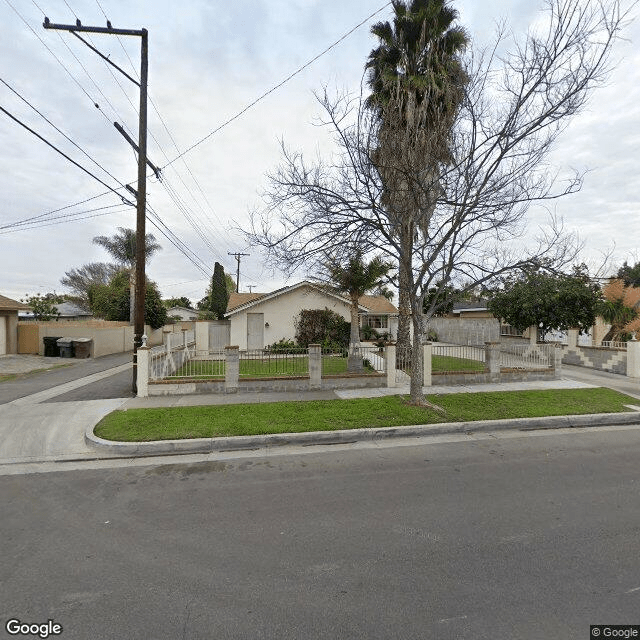
612 S Bronwyn Drive, Anaheim, CA 92804
To contact a resident: (714) 827-5538
For more information about senior living options: (866) 208-4318
Bronwyn Residential Care Costs & Pricing
Bronwyn Residential Care offers competitive pricing compared to both Orange County and the broader state of California. For semi-private rooms, residents pay $2,300 per month, which is significantly lower than the county average of $3,431 and the state average of $3,333. Similarly, both private rooms and studios at Bronwyn are available for $3,500 each; this price point is quite favorable when compared to the $4,104 county rate and a statewide average of $3,939 for private rooms. For studios, while Bronwyn matches its private room cost at $3,500, it still undercuts the county's average of $4,313 and stays below the state's average studio cost of $4,145. Overall, Bronwyn Residential Care stands out as an affordable yet high-quality option for prospective residents seeking care in a vibrant community.
| Floor plans | Bronwyn Residential Care | Orange County | California |
|---|---|---|---|
| Semi-Private | $2,300 | $3,431 | $3,333 |
| Private | $3,500 | $4,104 | $3,939 |
| Studio | $3,500 | $4,313 | $4,145 |
Memory care communities with a similar price nearby
-
from +$100 / mo
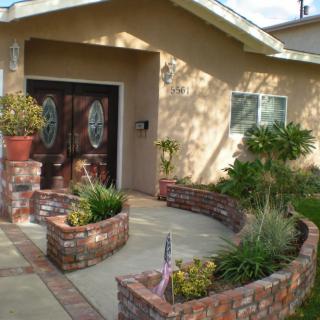
Living Well Care Home
$2,400 to $3,200 / month7.9 miles away -
from -$300 / mo
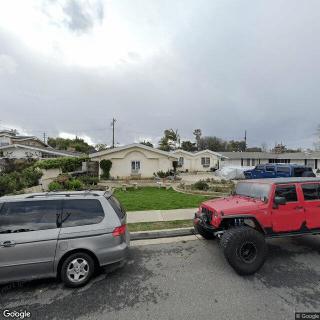
John Villa's Home Care
$2,000 to $3,000 / month11.8 miles away -
from +$400 / mo
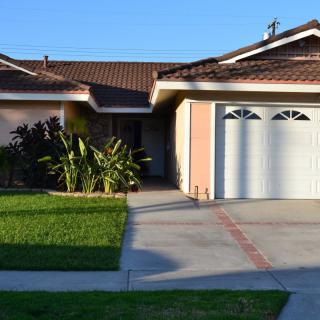
Loving Care Senior Home
$2,700 to $3,500 / month9.0 miles away -
from -$300 / mo
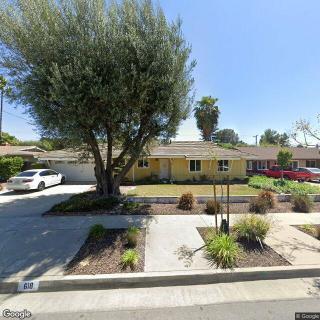
House Of Grace
$2,000 to $4,200 / month24.8 miles away -
from +$200 / mo
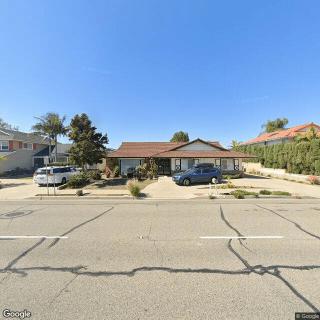
Madison Home Care 2
$2,500 to $2,800 / month9.8 miles away
Overall Review of Bronwyn Residential Care
Pros
 The home is clean, warm, peaceful, and feels like a family environment.
- Residents are treated with dignity, patience, and kindness every day.
- Families are kept informed and supported throughout the care process.
- The staff provide genuine compassion, respect, and peace of mind.
- The facility is well-managed, with professional, friendly, and caring caregivers.
- Staff members like EJ go above and beyond to ensure comfort and health.
- The activities staff keeps residents engaged and happy each day.
- The head of Golden Tuscany, Daniel, is knowledgeable, caring, and deeply supportive.
Cons
 None found in the provided reviews; all statements are positive or neutral about Golden Tuscany Care.
Review
Bronwyn Residential Care in Anaheim is best suited for families seeking a small, homelike environment where memory care and end-of-life needs are addressed with genuine warmth, individualized attention, and hands-on leadership. The reviews of a closely aligned model in the same area repeatedly emphasize care that feels like a family extension: clean, peaceful surroundings; caregivers who treat residents with dignity; and staffing that engages residents with patience, kindness, and meaningful daily interaction. For families prioritizing reassurance, consistent routines, and transparent communication during challenging health journeys, Bronwyn would be a compelling option if it embodies that same person-centered, home-first approach.
At the same time, potential buyers should explicitly consider alternatives if medical complexity demands a more clinical footprint. Facilities with hospital-like resources, larger on-site medical teams, or broader in-house therapy offerings can be better fits for residents needing intensive skilled nursing, constant monitoring, or access to a wide array of specialty services. If 24/7 on-site nursing oversight, rapid escalation capabilities, or sizable, structured programming is non-negotiable, exploring larger campuses or facilities with deeper medical infrastructure would be prudent.
The strongest pros in these reviewed models, namely, a homey atmosphere, cleanliness, and staff who feel more like family than distant caregivers, are what often offset the absence of a hospital-grade medical setting. Families repeatedly report that the environment is clean, serene, and welcoming; staff members are described as friendly, patient, and attentive; and leadership remains hands-on, responsive, and communicative. When updates are regular, questions are welcomed, and care plans are coordinated with family involvement, the emotional burden of placing a loved one can be substantially lightened, even if medical complexity isn’t managed on-site.
Another clear takeaway from the reviews is the importance of trusted leadership and reliable communication. Residents’ families credit not only the day-to-day kindness but also the ability of owners and managers to navigate decline with expertise and to prepare families for each new stage. End-of-life and dementia care in particular benefit from a team that understands the progression, coordinates in-home services as needed, and maintains an open channel for updates and decisions. The stories also highlight the value of a warm, inviting setting, complete with personal touches, a sense of community, and even small comforts like a pet, that helps residents feel at ease and supported.
For families evaluating Bronwyn, the questions should be very targeted: Is the care philosophy demonstrably person-centered, with clear routines and predictable environments? What are the staff-to-resident ratios, turnover, and training related to dementia and end-of-life care? How does the facility manage coordination with hospice, therapists, and outside specialists, and how often are families informed of changes in condition? What are visitation policies, activity calendars, and opportunities for family participation in care planning? And, crucially, can a trial period or a thorough on-site tour provide a realistic sense of daily life and staff dynamics before a long-term commitment?
In the end, the decision comes down to aligning Bronwyn with the model families describe as transformational: a home where residents feel welcomed, respected, and intimately cared for, under the steady hands of leadership that values open dialogue and proactive service coordination. If Bronwyn demonstrates that same warmth, cleanliness, and relational strength, it becomes a powerful choice for dementia and end-of-life care in Anaheim. If not, the path forward should clearly prioritize facilities that deliver stronger on-site medical resources, more formalized clinical oversight, or larger community networks, while still weighing the comfort, continuity, and family engagement that define the best of these intimate care homes.
 Board and Care Home
 Memory Care
 Activities on-site
 Private
 Long Beach (Daugherty) (9 miles away)
 Ambulatory care
 Diabetic care
 High acuity care
 Medication management





 Understanding Dementia Behaviors: Practical Insights and Strategies for Caregivers
 When Dementia Sparks Anger and Aggression: Understanding the Connection and Ways to Cope
 Dementia Behaviors: In-Depth Understanding and Effective Coping Strategies