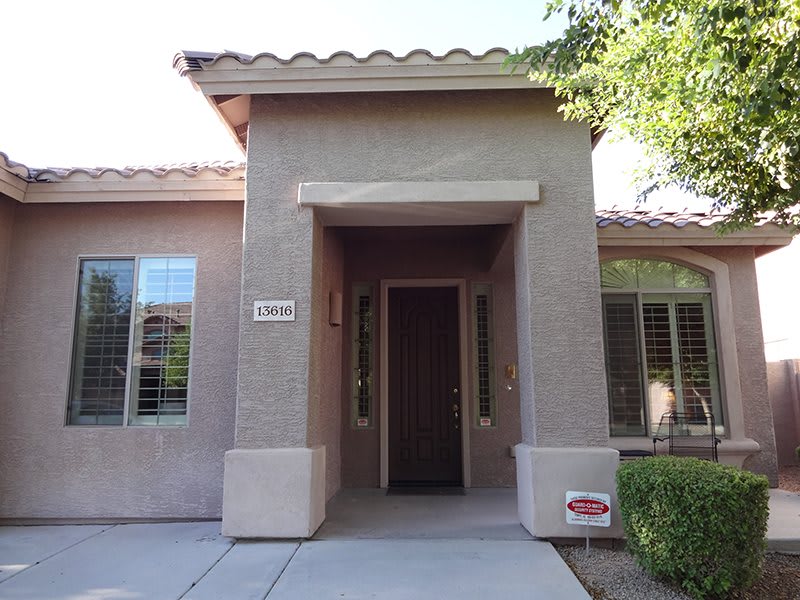
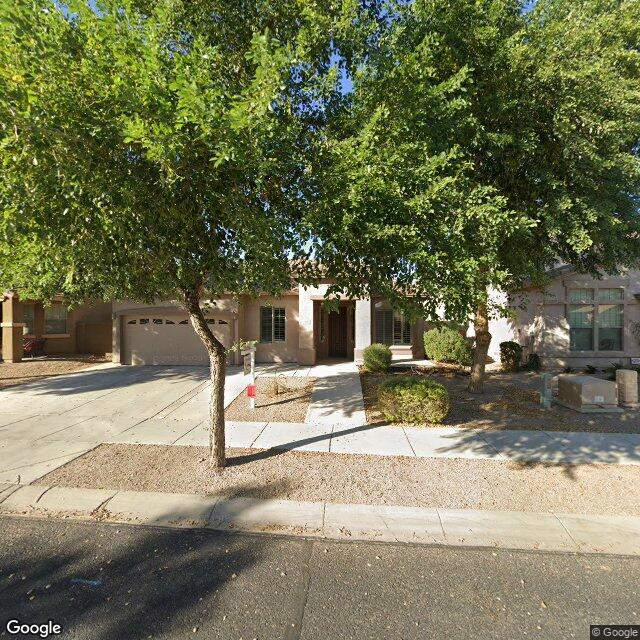
13616 West Acapulco Lane, Surprise, AZ 85379
To contact a resident: (480) 744-5777
For more information about senior living options: (866) 208-4318
The Sanctuary of Sunrise Costs & Pricing
The Sanctuary of Sunrise offers competitive pricing in comparison to both Maricopa County and the broader state of Arizona, particularly for its semi-private and private room options. At $1,800 per month for a semi-private room, residents enjoy significant savings compared to the county average of $2,801 and the state average of $2,820. For those seeking more privacy, the Sanctuary's private room rate stands at $2,500, which is notably lower than the Maricopa County rate of $3,318 and the statewide figure of $3,345. These cost-effective accommodations not only highlight The Sanctuary of Sunrise's commitment to providing quality care but also reflect their understanding of the financial considerations families face when selecting an assisted living option.
| Floor plans | The Sanctuary of Sunrise | Maricopa County | Arizona |
|---|---|---|---|
| Semi-Private | $1,800 | $2,801 | $2,820 |
| Private | $2,500 | $3,318 | $3,345 |
Memory care communities with a similar price nearby
-
from +$200 / mo
Tatum Ranch Assisted Living
$2,000 to $3,000 / month23.8 miles away -
from +$200 / mo

Arrowhead Shore Senior Living, LLC
$2,000 to $3,000 / month6.1 miles away -
from +$200 / mo

All Care Assisted
$2,000 to $2,500 / month4.3 miles away -
from +$100 / mo

Maravilla Scottsdale
$1,900 to $6,130 / month24.8 miles away -
from +$200 / mo

Sierra Vista Assisted Living
$2,000 to $3,000 / month21.5 miles away
Overall Review of The Sanctuary of Sunrise
Pros
 The location is great.
 - They were very good.
- They found the perfect place for her on the first day of looking.
- The friend has moved in and is very happy.
- The caretaker is wonderful.
- Home-cooked meals are provided.
- The staff and the manager are very friendly.
- They feed her well and she likes everybody.
Cons
 They were disappointed that the RV garage was only about 1,300 square feet, far short of the 1,700 square feet they wanted.
- Staff changes during a difficult period were confusing for the person they cared for.
- There were few activities available, with only TVs mentioned in the rooms or living area.
- The price was high, and they wished it weren’t so expensive.
- The facility was described as small, which was viewed as a drawback.
Review
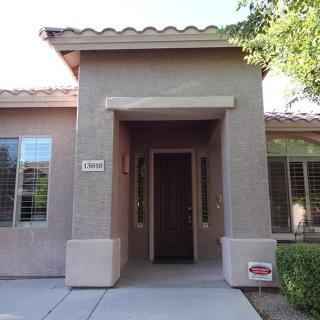
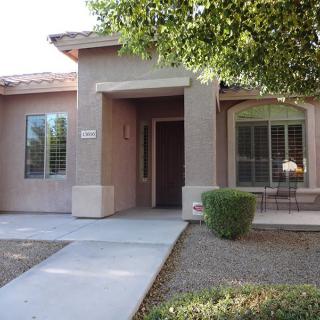
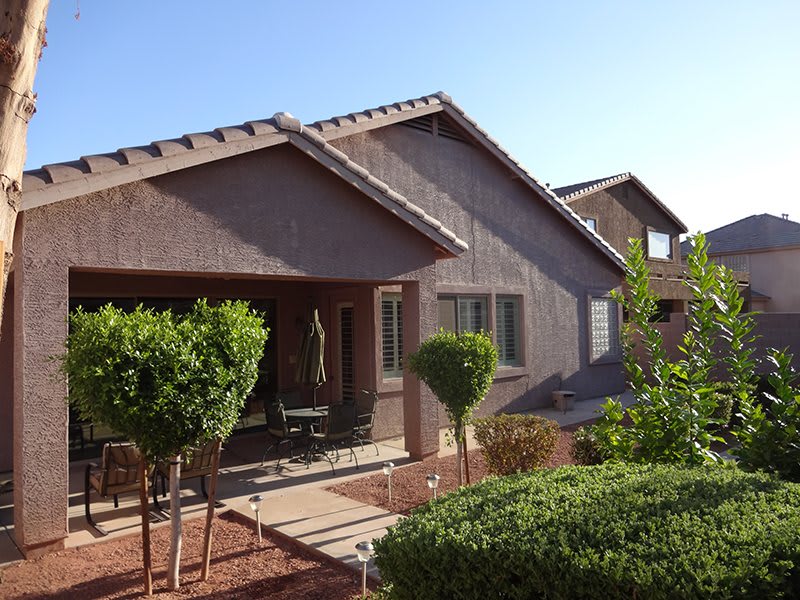
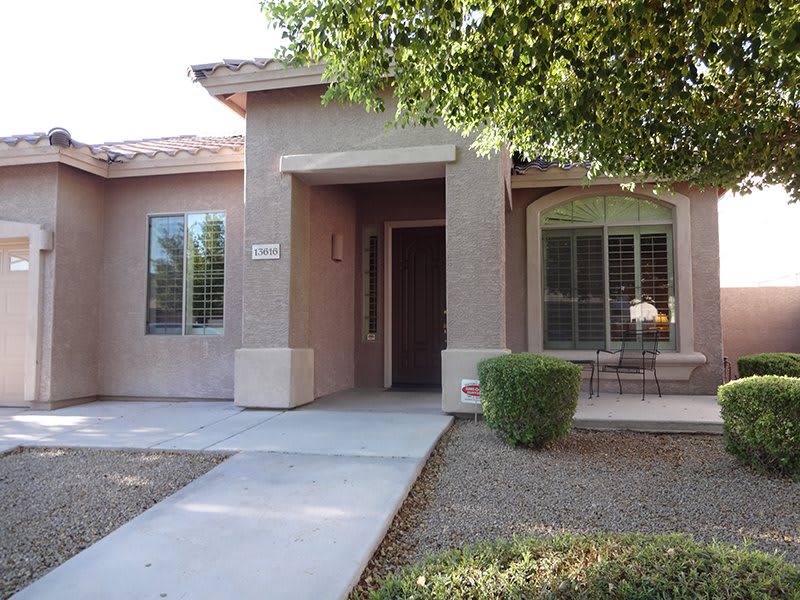
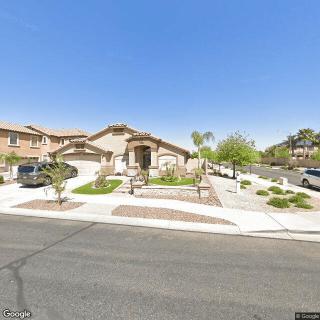
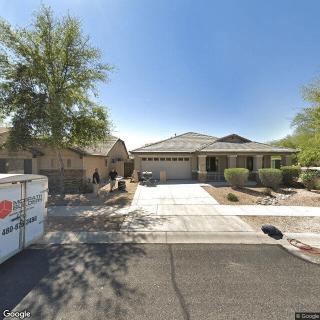
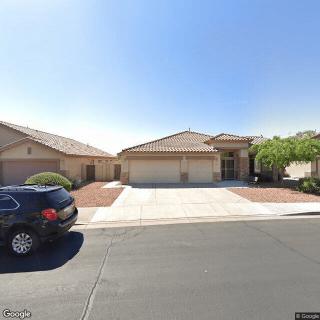
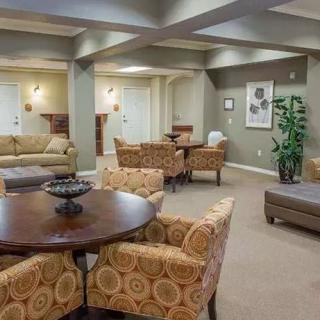
The Sanctuary of Sunrise in Surprise, AZ is best suited for families seeking a compact, home-like living environment where residents receive close, personalized attention, home-cooked meals, and help navigating medical needs without the bustle of a large campus. This community excels for seniors who thrive on a straightforward routine, a warm, intimate setting, and staff who know residents well. It’s a natural fit for families that value safety, ease of contact, and a welcoming house atmosphere over expansive programming or resort-like amenities. The reviews consistently highlight a small, well-kept home with friendly leadership and dependable care, making it an attractive option for loved ones who prefer forming real connections with caregivers and a sense of belonging in a familiar, house-like space.
Those weighing alternatives should note who may want something different. If a broad activities calendar, a wide array of on-site amenities, or a campus feel with extensive social opportunities is non-negotiable, this community may fall short. Cost is another consideration for many families; while satisfaction tends to be high, several reviewers acknowledge the price is steep for a smaller setting. For families that require larger-scale facilities, more dynamic programming, or specialized environments (such as memory care with a full activities director and larger common spaces), other communities will likely be a better match. In short, this is not the pick for those chasing a busy lifestyle or expansive, resort-like options.
Key positives consistently rise to offset the main drawbacks. The location in Surprise is praised as convenient, and the homes themselves are described as very nice, reinforcing the sense of safety and comfort. Staff and management receive frequent commendations for friendliness, warmth, and a proactive approach to daily living and medical coordination. The combination of a caretaker who is genuinely described as wonderful, home-cooked meals, and an ability to help residents maneuver medical needs creates a compelling value proposition for families prioritizing individualized, attentive care over entertainment or spectacle. Quick placement and the reassurance of a caregiver-focused environment also help families move forward with confidence, reducing the stress of transitions.
Yet, the most consistent con, limited activities and a small footprint, is not easily dismissed. Several residents report a sparse activity schedule, with the living environment centering more on companionship, meals, and rest rather than structured programming. For families who want robust social engagement, regular outings, or specialized therapeutic activities, this can feel limiting. Another practical caveat is occasional staff turnover during transitions, which can momentarily create confusion or disrupt consistency. While staff were described as capable and caring through these periods, the potential for disruption is a real consideration for those who prize seamless continuity.
When weighing pros against cons, the balance tilts toward the Sanctuary’s strongest advantages: authentic, resident-centered care in a home-like setting, with reliable staffing, dependable meals, and efficient navigation of medical care. For families that place a premium on intimate attention, a easy-to-manage daily rhythm, and the reassurance of a warm, neighborly atmosphere, the benefits clearly outweigh the drawbacks. The intimate scale means caregivers can respond quickly, families can stay closely involved, and residents experience a sense of belonging that is hard to replicate in larger facilities. The financial investment, while significant, is often justified by the quality of daily life, peace of mind, and the continuity of care.
Practical next steps for decision-making are straightforward. Arrange a on-site visit and meet the leadership and direct care staff to assess communication style and responsiveness. Ask for a sample weekly schedule to gauge how activities currently look and what is realistically available beyond TV time and meals. Clarify what is included in the price, what incurs extra costs, and how meals are planned and modified for dietary needs. Inquire about staffing patterns across shifts to understand continuity and how transitions are managed. Finally, speak with current residents or families about day-to-day life, and consider how the size of the home aligns with the loved one’s preferences for privacy, social interaction, and daily routine. For families prioritizing a warm, small-community feel with dependable care, The Sanctuary of Sunrise represents a sound, well-considered choice; for those needing richer programming or lower cost, broader options should be explored.
 Board and Care Home
 Memory Care
 Private
 Wheelchair accessible showers
 Phoenix Sky Harbor International (24 miles away)
 Ambulatory care
 Diabetic care
 High acuity care
 Incontinence care
 Medication management



 Why Do Dementia Patients Sleep So Much? Understanding Oversleeping, Stages, and Care Approaches
 8 Key Indicators That Suggest It May Be Time to Transition from Assisted Living to Skilled Nursing Care
 Nourishing the Mind: Essential Dietary Approaches for Dementia