
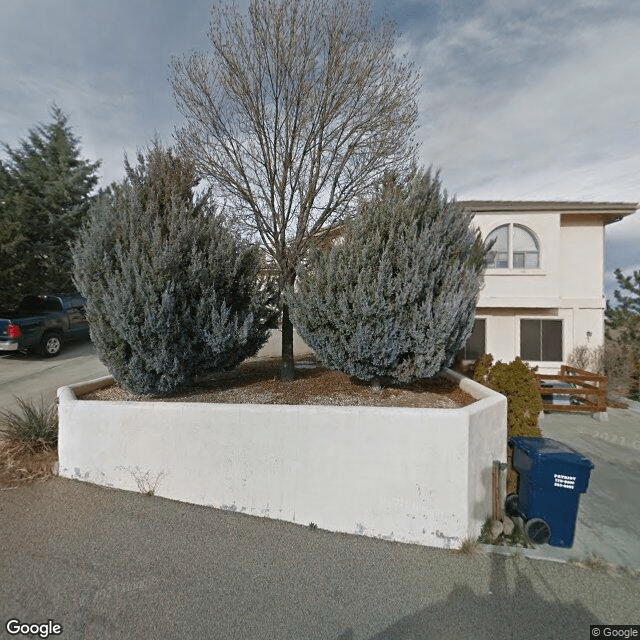
4988 N Cowpoke Road, Prescott Valley, AZ 86314
To contact a resident: (520) 759-2539
For more information about senior living options: (866) 208-4318
Santa Fe Care Home Costs & Pricing
At Santa Fe Care Home, the monthly costs for accommodation are particularly competitive when compared to both Yavapai County and the broader state of Arizona. The facility offers private rooms at a rate of $2,500, significantly lower than the county average of $4,070 and the state average of $3,345. Similarly, their one-bedroom options also come in at $2,500, which is more affordable than the county's $3,927 and Arizona's $3,532. This pricing structure not only provides excellent value for residents seeking quality care in a comfortable setting but also positions Santa Fe Care Home as an attractive choice for families considering long-term care solutions.
| Floor plans | Santa Fe Care Home | Yavapai County | Arizona |
|---|---|---|---|
| Private | $2,500 | $4,070 | $3,345 |
| 1 Bedroom | $2,500 | $3,927 | $3,532 |
Memory care communities with a similar price nearby
-
from +$200 / mo
Carefree Assisted Living Center
$2,700 to $4,000 / month17.8 miles away -
from +$120 / mo

Las Fuentes Resort Village
$2,620 to $4,085 / month10.7 miles away -
from -$205 / mo
Alta Vista
$2,295 to $3,695 / month10.7 miles away -
About the same
Best of Europe
$2,500 to $3,400 / month18.5 miles away -
from +$230 / mo

Austin House Assisted Living
$2,730 / month17.6 miles away
Overall Review of Santa Fe Care Home
Pros
 They found it very nice, with everyone cheerful and happy.
- The staff were very nice.
Cons
 They closed in 2016.
- It felt a bit more confining than the larger community they chose.
- There wasn't much activity going on.
Review
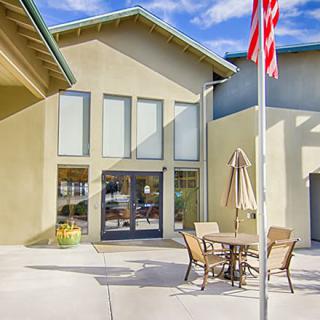
Santa Fe Care Home in Prescott Valley is best suited for families seeking a very small, homelike environment where staff know residents by name, and where the overall pace is calm and unhurried. This community appears to have delivered a pleasant, cheerful atmosphere with a caring demeanor from the staff, making it a sensible fit for seniors who prioritize personal attention and a tranquil setting over bustle or a crowded activity calendar. The upside of this small-scale operation is a sense of intimacy: residents are likely to receive more direct interaction with caregivers and a quieter daily rhythm that can feel safe and predictable.
However, there are clear reasons why alternatives should be on the radar for nearly every decision-maker. The same reviewer noted a lack of programming and social opportunities, indicating that the site may not satisfy families seeking a rich calendar of activities and external engagement. In addition, the hard reality that the facility closed in 2016 cannot be ignored. That history alone shifts the decision from “which step up to” to “whether this site remains a viable option at all,” and it naturally pushes families toward currently operating communities with verifiable continuity and updated infrastructure.
The most persuasive pros here are the staff’s warmth and the home-like ambience. Any family prioritizing a setting where caregivers are approachable and residents feel valued will find value in these strengths. Those benefits, however, do not fully offset the primary drawbacks: a defining sense of confinement within a smaller footprint and a sparse activity lineup. For seniors who flourish with structured social programming, group outings, hobbies, clubs, and regular engagement with peers, the absence of such features can erode daily satisfaction and overall quality of life, even in a place that feels comfortable and reassuring on a day-to-day basis.
The closure fact looms largest among the cons and deserves foregrounding in any decision. A facility that closed in 2016 raises legitimate questions about current licensing, ongoing maintenance, staffing stability, and future viability. For families evaluating care options, a historic reference point is valuable, but it cannot substitute for a live, operating environment with current inspections, clear staffing patterns, and a transparent plan for ongoing resident support. The risk of misalignment between expectations (a lively, active community) and reality (a quiet, small-scale setting with uncertain operational status) is high enough to demand caution.
Practical next steps are straightforward. When evaluating similar options, verify current operational status and obtain the latest licensing and inspection records from the state. Visit potential communities with a focus on activity programming, transportation arrangements, and opportunities for social engagement, ensuring the calendar aligns with resident interests. Compare small, intimate homes against larger communities that offer more structured activities, while still seeking a warm, caregiver-focused environment. Ask about memory care capabilities, physician access, and emergency response times, and look for recent resident-satisfaction feedback beyond cookie-cutter marketing language. In short, prioritize stability, current programming, and transparent operations.
The bottom-line verdict is that Santa Fe Care Home, as described, represents a historical snapshot rather than a viable contemporary option. Its strengths, friendly staff and a calm, home-like feel, are overshadowed by the absence of robust activities and, more decisively, by the fact of its 2016 closure. For families navigating a care transition today, the better approach is to focus on currently operating communities that offer a comparable level of personal attention but with clear, ongoing commitments to resident life, meaningful engagement, and uninterrupted service. If a small, intimate environment remains a priority, seek options that preserve those qualities without sacrificing credibility, continuity, and the opportunity for an active daily routine.
 Board and Care Home
 Day Program
 Memory Care
 Private
 Diabetic care
 High acuity care
 Incontinence care
 Medication management
 How and When Medicaid May Cover Assisted Living Costs
 A Detailed Exploration of Assisted Living Medicaid Waivers Across the United States
 Exploring the Contrasts Between Assisted Living and Skilled Nursing