
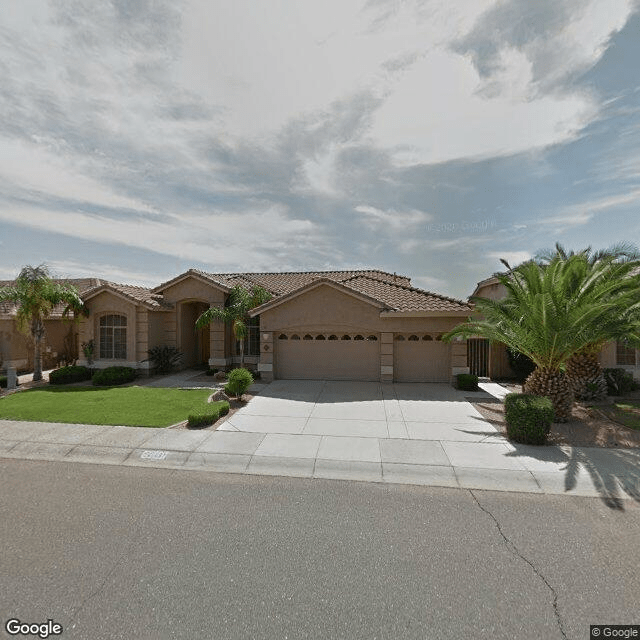
20652 North 16th Way, Phoenix, AZ 85024
To contact a resident: (623) 734-2708
For more information about senior living options: (866) 208-4318
Scarlett Canyon Assisted Living Costs & Pricing
Scarlett Canyon Assisted Living offers remarkably competitive pricing for its residents, particularly when compared to the broader market in Maricopa County and the state of Arizona. For a semi-private room, residents pay $2,000 per month, significantly below the county average of $2,801 and state average of $2,820. Those opting for a private room at Scarlett Canyon will find their monthly cost of $2,500 to be more affordable than the county's average of $3,318 and the state's average of $3,345. This affordability positions Scarlett Canyon as an appealing choice for families seeking quality assisted living options without compromising on care or comfort.
| Floor plans | Scarlett Canyon Assisted Living | Maricopa County | Arizona |
|---|---|---|---|
| Semi-Private | $2,000 | $2,801 | $2,820 |
| Private | $2,500 | $3,318 | $3,345 |
Memory care communities with a similar price nearby
-
About the same
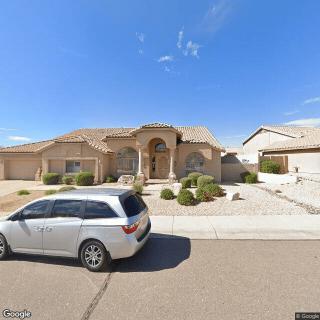
Tatum Ranch Assisted Living
$2,000 to $3,000 / month7.3 miles away -
from +$255 / mo

Windsor Luxury Assisted Living, LLC
$2,255 to $5,950 / month11.4 miles away -
from +$225 / mo
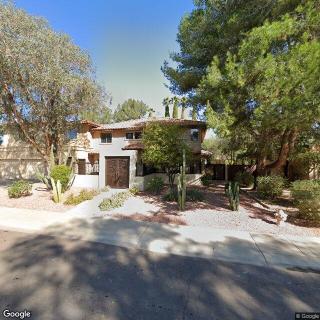
Harts Home - Exceptional Elder Care
$2,225 to $5,500 / month11.0 miles away -
from +$200 / mo
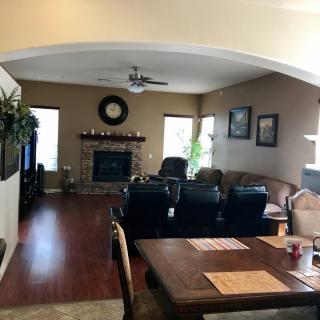
Paseo Highlands ALH
$2,200 to $3,500 / month4.7 miles away -
from +$200 / mo
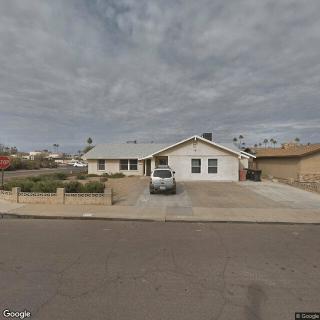
Serene Valley Assisted Living Home
$2,200 to $3,800 / month15.3 miles away
Overall Review of Scarlett Canyon Assisted Living
Pros
 The caregivers are excellent and provide individualized care.
- They communicate really well with families and keep them in the loop regarding what’s going on with residents.
- Scarlett Canyon is nice, open, and located in a safe community.
- The owner and the caregivers are very good and caring.
- They offer home-cooked, well-balanced meals, with a weekly menu posted for residents to see.
- The home is a one-level setting with a large, comfortable private room, and residents feel at home.
- In-house activities keep residents engaged, including puzzle-making, popcorn parties, reading, bingo, cards, and a church group.
- The atmosphere is wonderful, light, airy, and welcoming, with friendly, caring staff and good value.
Cons
 The facility does not offer outings or its own transportation.
- One caregiver for seven women around the clock lacked patience and compassion, raising concerns about the quality of care.
- There are fears that the care provided is not sufficient due to understaffing.
- The staff do not take residents to events or shopping, limiting activities.
- A major pitfall noted is the restriction on residents’ activities.
Review
Scarlett Canyon Assisted Living in Phoenix is best suited for seniors who want a small, home-like environment where staff know residents by name, care feels personalized, and family communication is straightforward. It works particularly well for someone who values a single-story layout, private or semi-private rooms, and daily routines that emphasize safety, gentle programming, and food that tastes like home. This community shines for families seeking transparent updates and a warm, neighborly atmosphere where caregivers actively foster connection to daily life. It is ideal for residents who thrive on intimate social contact, steady daily rhythms, and a setting that feels comfortable rather than clinical.
Those evaluating alternatives should note that Scarlett Canyon may not be the right fit for individuals requiring frequent off-site outings, extensive transportation services, or very high levels of medical oversight. If a loved one needs constant, multi-staff supervision for complex needs, or if the priority is a robust calendar of external activities and excursions, other options with larger teams and more mobility support may serve better. Similarly, for seniors who require regular, on-call medical interventions beyond what an in-house team can safely provide, a facility with greater medical integration could be more appropriate.
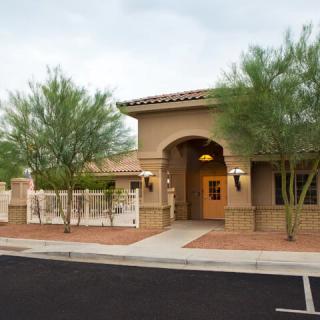
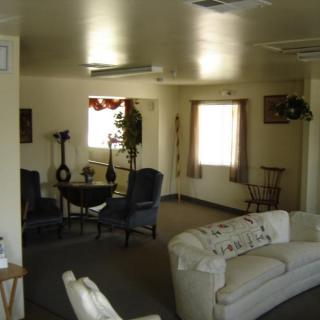
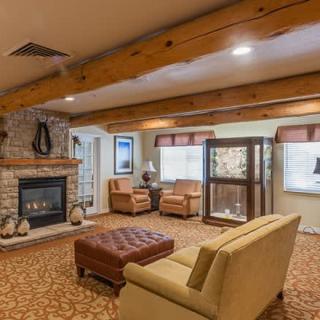
The strongest positives here center on the caregiving core. The staff is described as excellent, with a talent for individualized care and strong family communication. Families consistently note that caregivers are attentive, keep loved ones engaged, and communicate clearly about daily progress and changes. The home-like ambiance, one level, tidy rooms, and a community that feels safe and welcoming, helps residents settle in without the disorienting feel of a larger campus. Meals are a standout, described as home-cooked and well balanced, with a posted weekly menu that reinforces a sense of routine and care. The environment itself, airy, light, and friendly, contributes to a sense of belonging for residents who prefer a quieter, intimate setting.
However, a recurring concern in the reviews centers on staffing flexibility and activity scope. A single caregiver managing multiple residents with differing needs can strain the system, raising legitimate questions about response times and individualized attention during high-demand periods. This worry is not universal, but it is credible enough to affect decision-making for families whose loved ones require more vigilant, around-the-clock supervision. Another practical caveat is the activity footprint: the facility emphasizes in-house programming, but outings and off-site events are not part of the model, which can limit social opportunities for residents who crave external engagement, shopping trips, or community outings.
Despite these caveats, the pros often offset the cons for the target resident. The intimate, home-like setting multiplies the impact of personalized care, and consistent, friendly communication helps families stay connected without constant, anxious outreach. The combination of a caring, certified staff, a house doctor, and integrated hospice or home-care options provides a safety net that supports a reasonable continuum of care within a small community. For many families, the attraction of a low-cost, high-touch environment, where the care team feels like a close-knit extension of the family, outweighs the limitations around external activities and staffing minutiae.
For families seriously considering Scarlett Canyon, concrete next steps matter. Probe current staffing ratios and schedules; ask how back-up coverage is handled on weekends or during staff shortages; request a detailed care plan that outlines daily routines, mobility support, medication management, and escalation procedures. Verify transportation options and whether any off-site activities can be arranged or supported, even on an occasional basis. Review the most recent intake assessment and care goals to gauge alignment with the resident’s needs, and inquire about meal plans, menu customization, and cultural or dietary preferences. Finally, assess comfort level with a small facility’s pace and social calendar, and weigh whether the warmth of a home-like environment aligns with the desired balance of independence, stimulation, and medical oversight.
 Studio apartments
 Board and Care Home
 Memory Care
 Activities on-site
 Beautician on-site
 Cable or satellite TV
 Devotional services on-site
 Dining room
 Hiking trails
 Housekeeping services
 Indoor common areas
 Laundry
 Outdoor common areas
 Private
 Respite or short term stays offered
 Wheelchair accessible showers
 Phoenix Sky Harbor International (17 miles away)
 Transportation & parking
 Diabetic care
 High acuity care
 Meal preparation and service
 Medication management
 Games
Games English
 Dementia, Paranoia, and Caregiver Guidance: Understanding the Connection
 Engaging Memory Care Activities That Enhance Quality of Life
 When to Transition from Assisted Living to Memory Care: Key Indicators, Steps, and Finding the Right Community