

3239 E Sequoia Drive, Phoenix, AZ 85050
To contact a resident: (602) 559-4725
For more information about senior living options: (866) 208-4318
One on One Adult Care Home Costs & Pricing
One on One Adult Care Home offers competitive monthly rates for their care services when compared to the broader market in Maricopa County and across Arizona. For semi-private accommodations, residents can expect to pay $2,500, which is notably lower than the county average of $2,801 and the statewide average of $2,820. In terms of one-bedroom options, One on One maintains a pricing structure at $3,500; this aligns closely with both Maricopa County's average of $3,473 and the state's average of $3,532. Additionally, private room rates at One on One also stand at $3,500 - again revealing a favorable position as it is more economical than the county's average of $3,318 and slightly above the state average of $3,345. This pricing strategy reflects a commitment to providing affordable care without compromising quality.
| Floor plans | One on One Adult Care Home | Maricopa County | Arizona |
|---|---|---|---|
| Semi-Private | $2,500 | $2,801 | $2,820 |
| 1 Bedroom | $3,500 | $3,473 | $3,532 |
| Private | $3,500 | $3,318 | $3,345 |
Memory care communities with a similar price nearby
-
from -$100 / mo
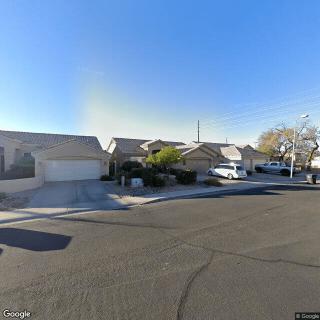
Golden Touch One Adult Care Home
$2,400 to $5,800 / month24.0 miles away -
from +$200 / mo

Caring Hearts Senior Care
$2,700 to $3,500 / month21.9 miles away -
About the same
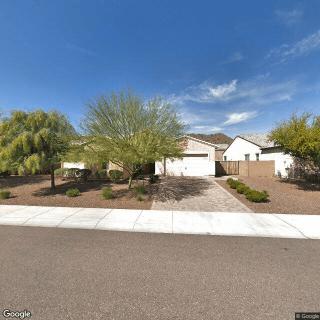
Northlands Assisted Living Home
$2,500 / month15.8 miles away -
from -$245 / mo

Windsor Luxury Assisted Living, LLC
$2,255 to $5,950 / month9.9 miles away -
from -$275 / mo
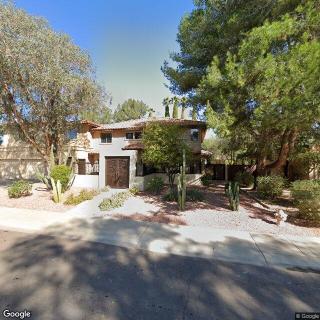
Harts Home - Exceptional Elder Care
$2,225 to $5,500 / month8.8 miles away
Overall Review of One on One Adult Care Home
Pros
 The store is very nice with a good selection of items and friendly staff.
- They operate a thrift store and Wish pick-up location that invites the community to stop in and shop.
- They are like family now and are a great group of people.
- They are polite and friendly and consistently meet the daughter's needs and goals.
- All programs are great, and One Special Place is highly recommended.
- They provide a safe, loving, and caring environment.
- One Special Place goes out of its way for children with special needs.
Cons
 The reviewer notes that, while the place seemed great, it was not a good fit for their mother.
Review
This community is best suited for families seeking structured, kid- or young-adult–focused programming that emphasizes safety, consistency, and a family-like culture. The strongest signal is a long-standing, dependable environment where staff build real relationships over years, families report that their loved ones feel “like family,” with programs tailored to individual goals and needs. When a young person can participate in after-school and summer activities, and even move into paid roles within the program, the sense of belonging and progress is clear. For families prioritizing continuity, personal attention, and a supportive ecosystem that treats progress as a collaborative mission, this option stands out.
Conversely, those weighing alternatives should consider whether elderly parents or adults with substantial medical or daily-living needs are the primary concern. A reviewer bluntly noted that, although the place seemed great, it was not a good fit for their mother. That warning flags a mismatch for seniors requiring comprehensive medical oversight, round-the-clock assistance, or licensed elder-care services. For families navigating late-life care, or adults who need frequent medication management or complex care plans, traditional assisted living or memory-care communities with licensed medical teams are more appropriate. This is not a one-size-fits-all solution for aging in place; it leans younger and developmentally focused.
On the upside, the core pros create a compelling value proposition. The environment is consistently described as safe, loving, and caring, with staff who are polite, friendly, and responsive to individual needs and goals. The long-running nature of participation, years in some cases, builds trust and reliability that many families prize. The programs extend beyond daily care into meaningful, outcomes-driven activities: after-school, summer programs, and even work opportunities for participants. When a program can meet a child “at their level” and still stretch capabilities, it reduces friction for families and increases the likelihood of steady, positive development.
Another strength is the holistic community footprint. The facility functions as a venue for more than care, including a thrift-store presence and a wish-pickup service that channels assistance and community support. That broader mission matters: it signals an organized, values-driven operation that lives its commitments beyond individual participants. For families who value social responsibility and a sense of contributing to the broader good, the environment reinforces positive behavioral models and community engagement, an intangible but meaningful factor when choosing where a loved one spends many hours.
Yet the crowding of strengths is not without caveats. The most pointed drawback is the potential misalignment with elder care expectations. If the goal is a setting that guarantees 24/7 personal supervision or medical oversight for an adult with complex needs, this option likely cannot fully satisfy those requirements. The reviews imply a programmatic emphasis on youth development and daily-life skills rather than medical-grade supports, which means families should confirm licensing, staff-to-resident ratios, and the scope of medical services available before committing. This is essential to avoid mismatch and disappointment if senior independence or medical stability is a constant concern.
For families deciding in favor of this community, the decision is clear: it excels as a stable, nurturing hub for children and young adults with developmental or disability-related needs, offering individualized attention, long-term consistency, and a strong sense of community. The main trade-off is suitability for seniors or adults needing intensive medical care and supervision. If those are the priority, alternatives designed for elder care, with continuous nursing, memory-care protocols, and licensed medical management, will likely serve better. Pros offset cons decisively when the focus is growth, belonging, and practical skill-building in a supportive, community-driven setting.
To move from consideration to commitment, undertake a targeted visit with the aim of validating fit. Inspect daily schedules, ask about staff qualifications and licensure, and request case studies or references from families with similar needs. Verify what medical supports are available on-site, if any, and clarify emergency procedures. In parallel, map out the specific goals for the loved one: social integration, job opportunities, education, and safety. If these align with the program’s strengths, this community offers a compelling path forward. If not, pursue a setting with stronger elder-care capabilities and more explicit medical oversight to ensure care expectations are met.
 Board and Care Home
 Memory Care
 Dogs allowed
 Activities off-site
 Beautician on-site
 Devotional services on-site
 Indoor common areas
 Outdoor common areas
 Private
 Wheelchair accessible showers
 Phoenix Sky Harbor International (16 miles away)
 Ambulatory care
 Diabetic care
 Incontinence care
 Meals provided



 22 Remarkable Caregiver Support Groups Available Online and In-Person
 Understanding Medicaid Coverage for Assisted Living: A Comprehensive Guide
 How and When Medicaid May Cover Assisted Living Costs