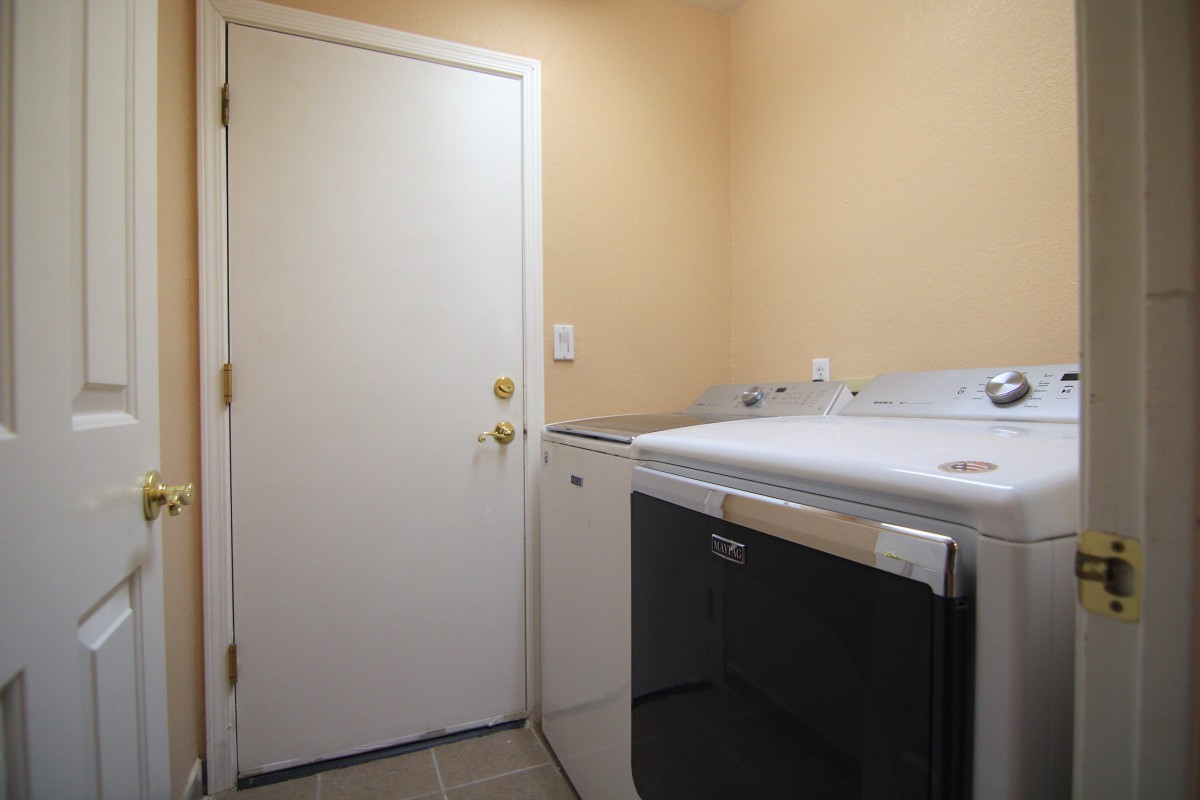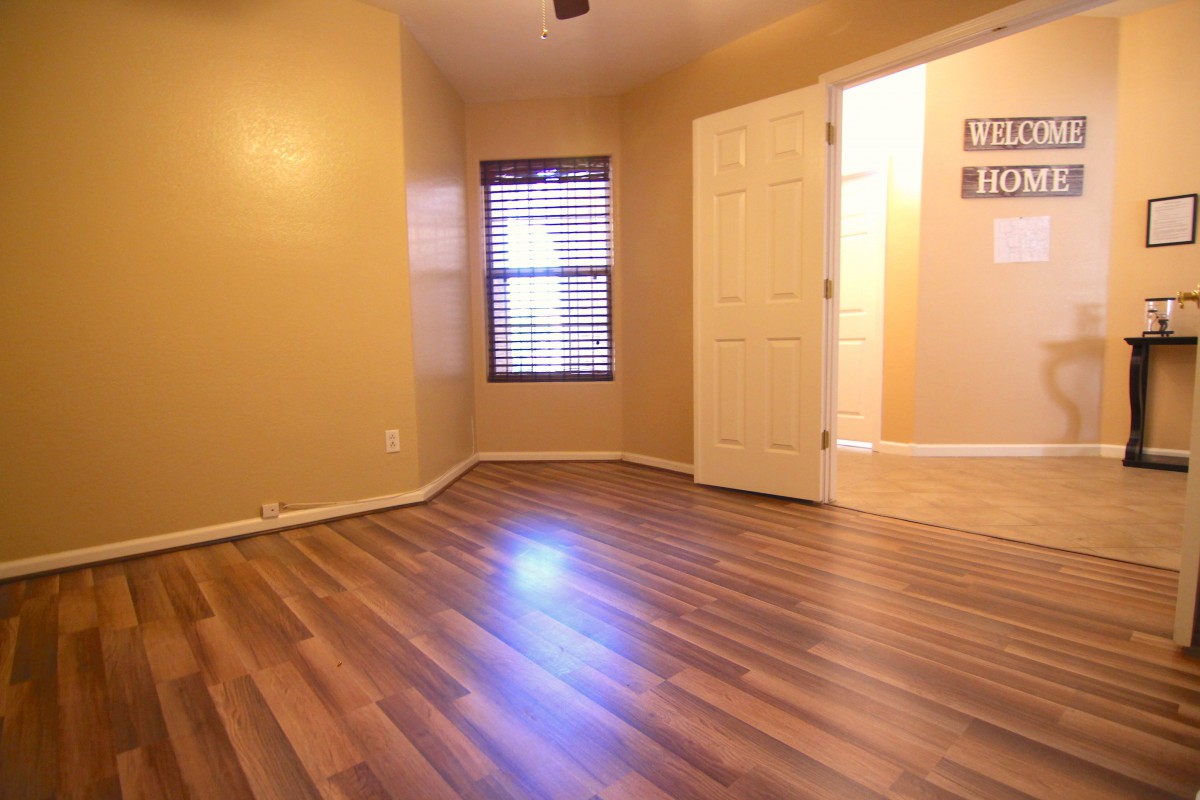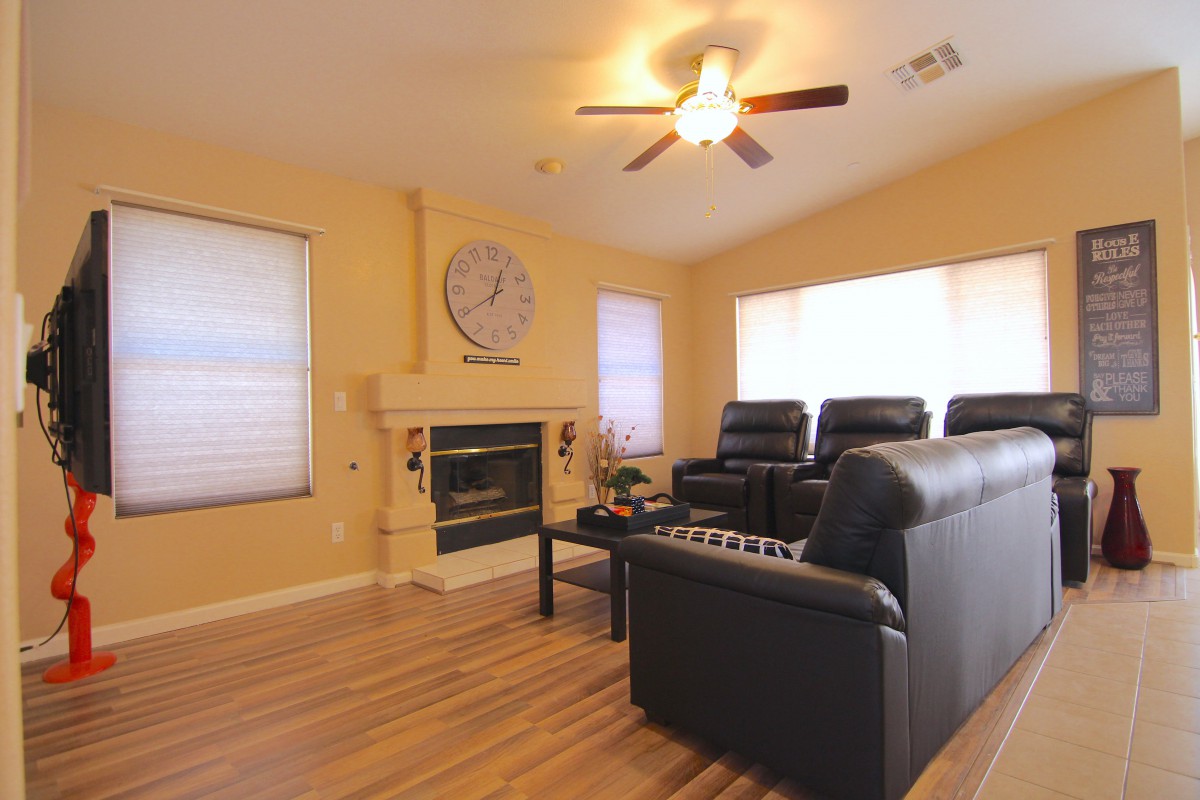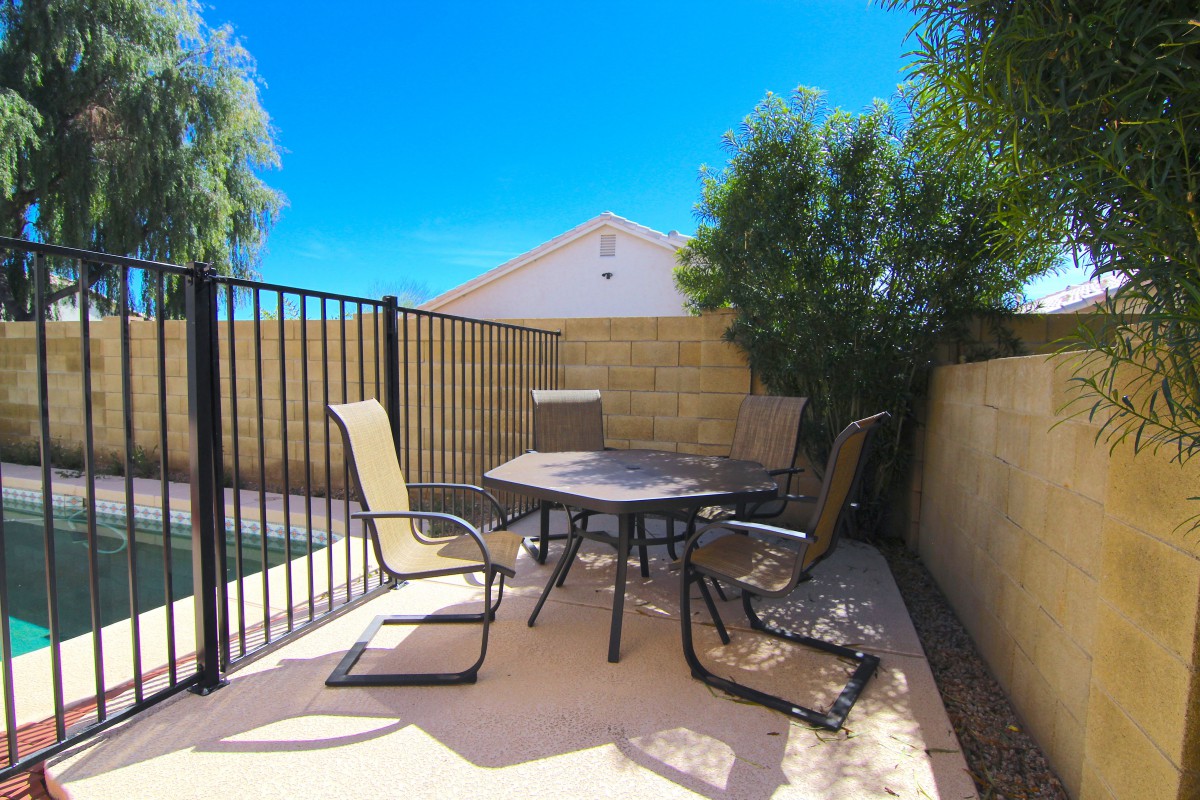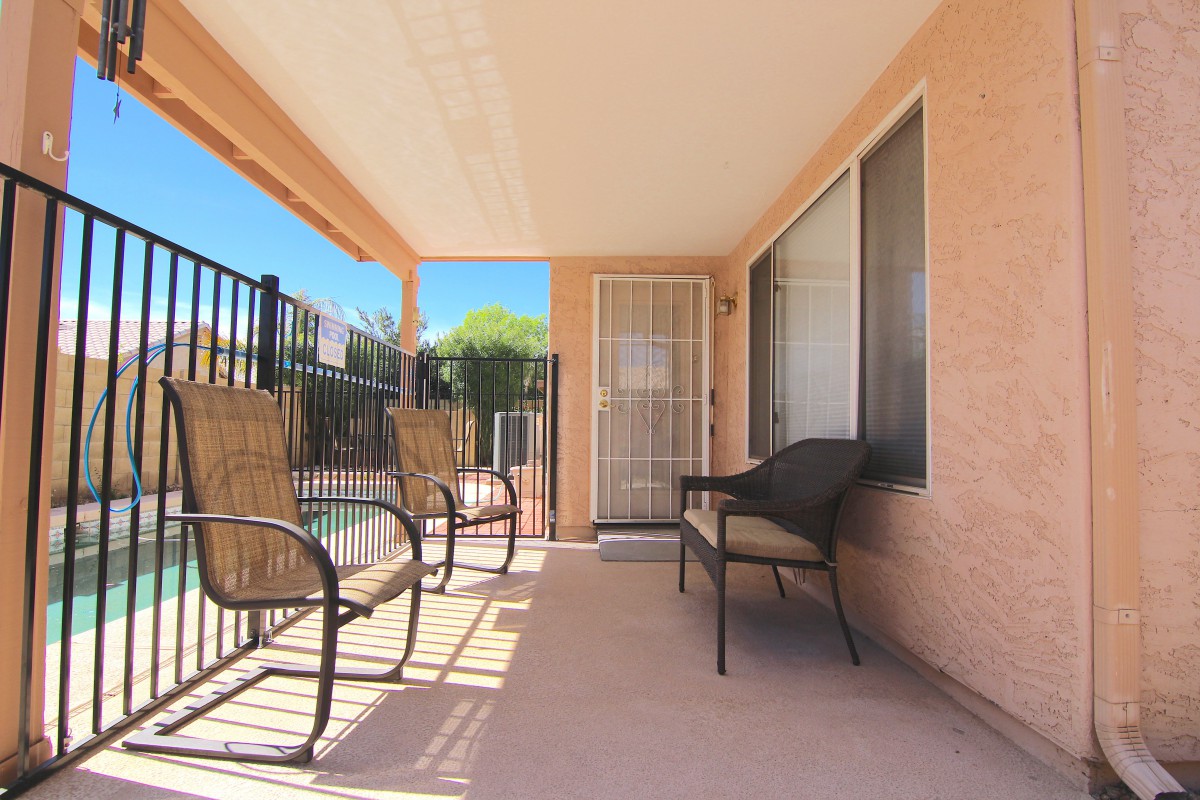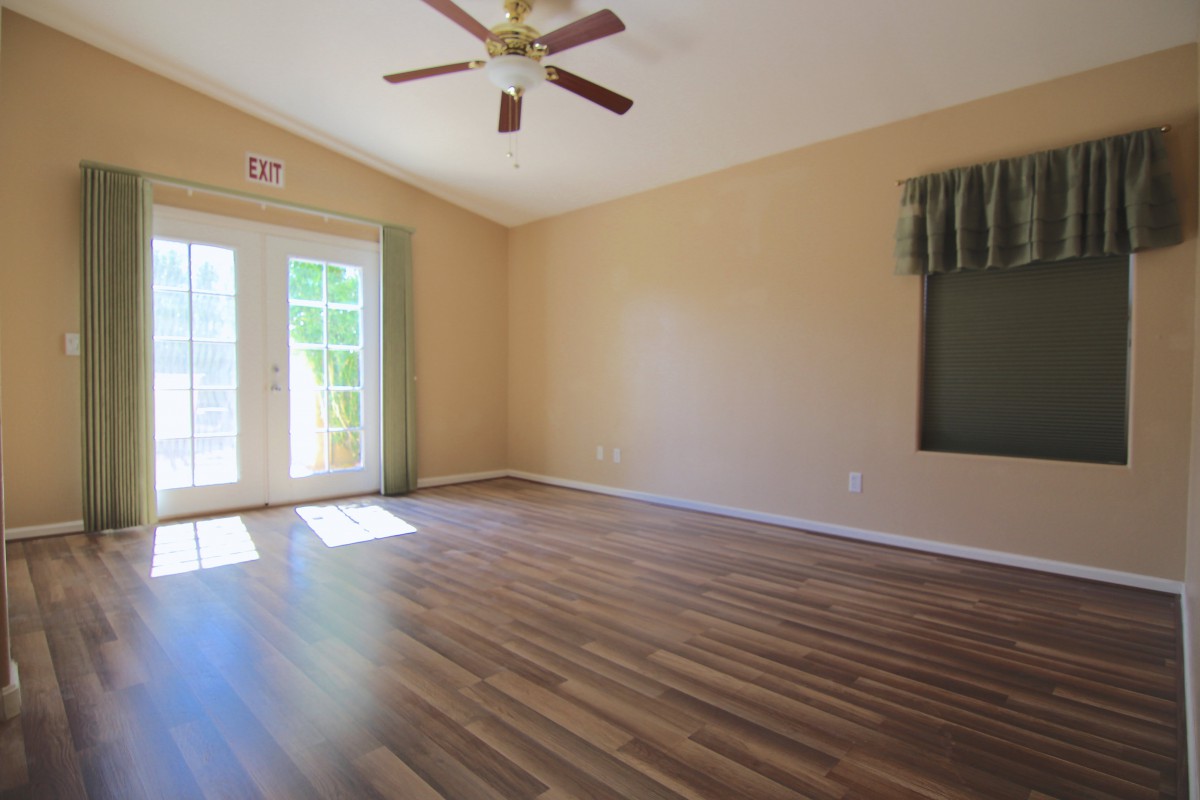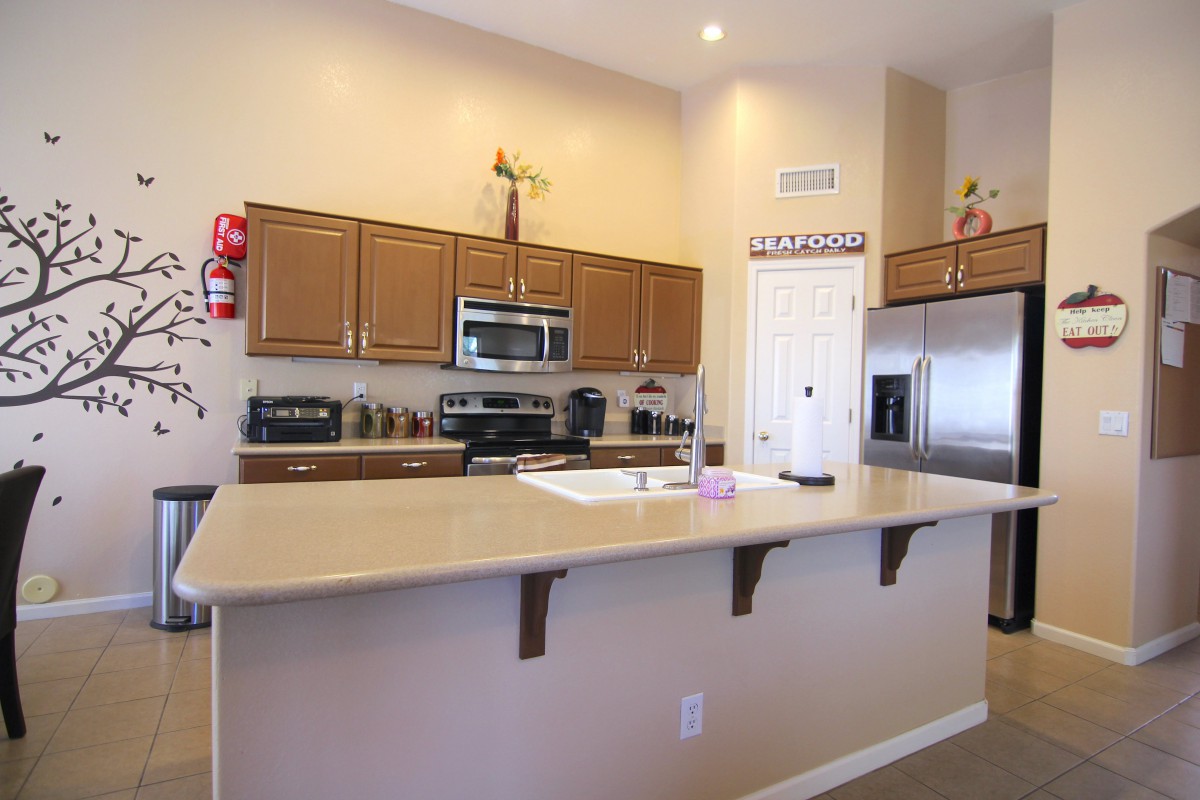
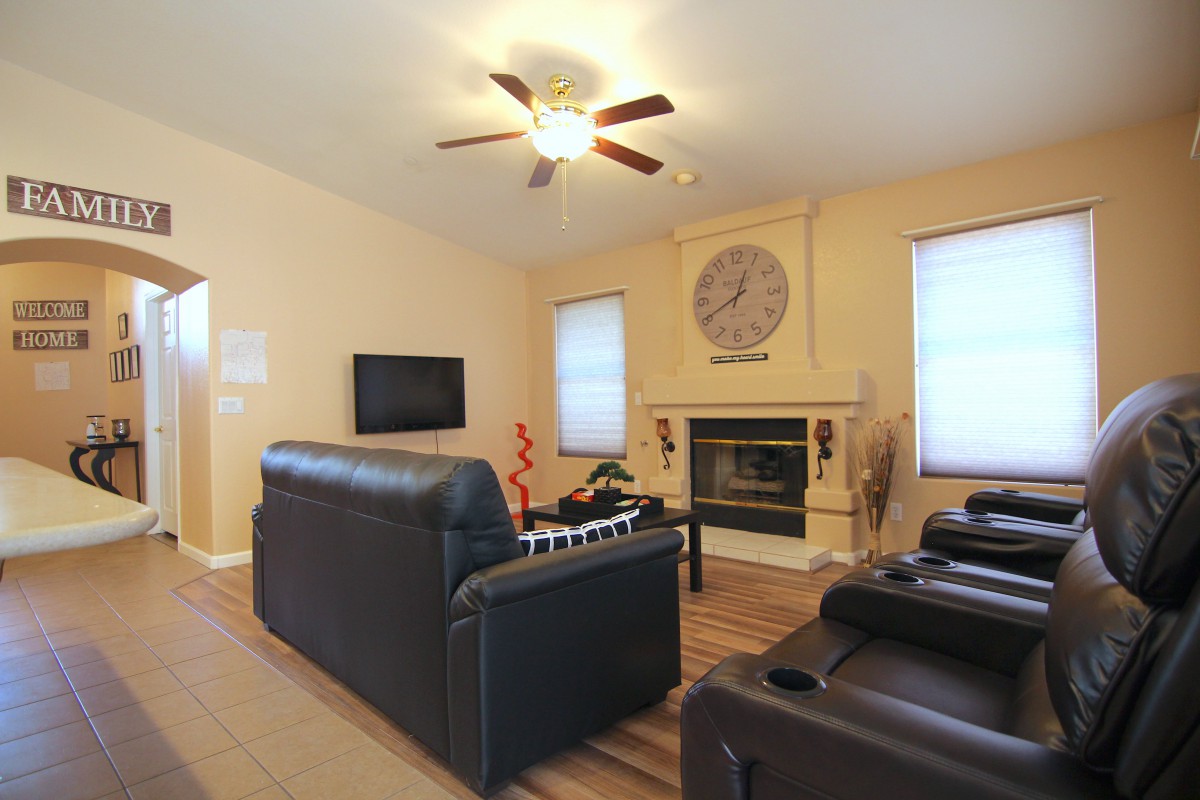

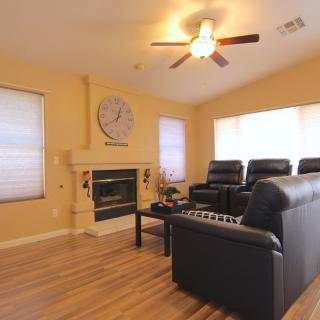
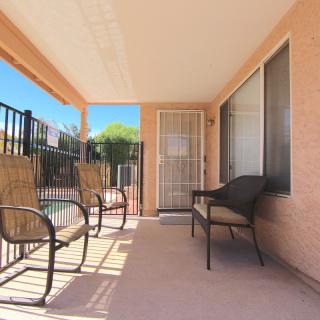
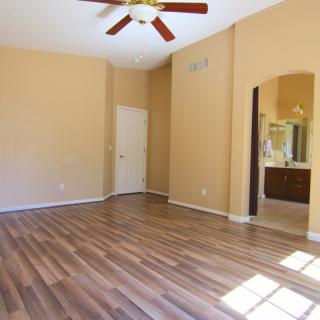
3569 East Utopia Road, Phoenix, AZ 85050
To contact a resident: (602) 935-3110
For more information about senior living options: (866) 208-4318
Soft Touch Assisted Living Costs & Pricing
Soft Touch Assisted Living offers competitive pricing for its residents, with semi-private room rates ranging from $2,500 to $4,200. This is notably more affordable than the average cost in Maricopa County, which stands at $2,801, and just slightly below the state average of $2,820. For those seeking private accommodations, prices range between $4,000 and $6,000. While this exceeds the average costs in both Maricopa County ($3,318) and Arizona as a whole ($3,345), the premium reflects the quality of care provided. Overall, Soft Touch Assisted Living presents an appealing option for families considering assisted living facilities that balance cost with personalized service.
| Floor plans | Soft Touch Assisted Living | Maricopa County | Arizona |
|---|---|---|---|
| Semi-Private | $2,500 to $4,200 | $2,801 | $2,820 |
| Private | $4,000 to $6,000 | $3,318 | $3,345 |
Assisted Living communities with a similar price nearby
-
from +$300 / mo

Pinnacle Peak Assisted Living
$2,800 to $3,100 / month6.0 miles away -
from +$125 / mo

The Eldercare Home Of Tempe
$2,625 to $3,412 / month20.6 miles away -
from +$400 / mo
Royal Paradise Care
$2,900 to $3,800 / month20.1 miles away -
from +$350 / mo
Covenant Care Assisted Living Home
$2,850 to $3,705 / month23.7 miles away -
from -$100 / mo
Arabian Views Assisted Living One
$2,400 to $3,200 / month2.9 miles away
Overall Review of Soft Touch Assisted Living
Pros
 The staff at Tender Touch provides exceptional care for elderly residents.
- The home is loving and caring, with residents happy and well cared for.
- Caregivers are attentive and interact well with residents and their families.
- The staff and owners feel like a second family to residents.
- The care at Tender Touch is consistently excellent and deeply appreciated.
- The facility comes highly recommended for its quality of care and meaningful interaction with residents and their families.
Review
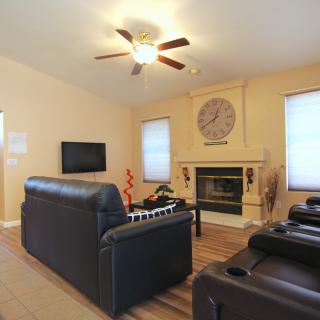
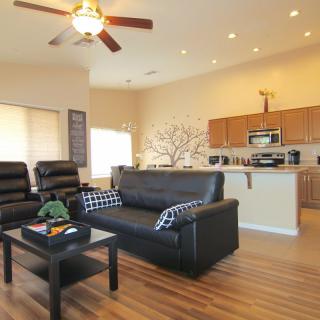
Soft Touch Assisted Living in Phoenix is best suited for families that want a small, home-like setting where the relationship between caregivers and residents is enduring, personal, and deeply attentive. The community shines when seniors thrive on consistent, hands-on care delivered by a dedicated staff that treats residents like family and treats families as partners in daily well-being. This is the kind of place where caregivers aren’t rotate-and-run; they become a familiar presence, and the sense of trust that grows from that continuity supports both resident comfort and family peace of mind.
Those considering alternatives should keep in mind who may be a better fit elsewhere. If medical complexity requires robust, on-site nursing oversight, frequent physician coordination, or 24/7 medical supervision, a larger campus with more extensive clinical resources may be a wiser choice. If a broad calendar of activities, frequent outings, or a highly structured memory-care program is central, a bigger community could offer the variety you cannot miss. Also, if price sensitivity is a factor, where budget constraints demand the most value, net costs in a smaller, personalized setting can still be higher than expected.
From a practical perspective, the strongest points here are the staff’s exceptional care and the “second family” feeling that permeates daily life. Across multiple reviews, caregivers are described as attentive, responsive, and genuinely vested in residents’ happiness and health. Families repeatedly note how happy their loved ones are and how well cared for they are, which translates into less worry for everyone at home. The owners’ visible engagement with residents and families reinforces that care isn’t a product of a script but a lived commitment, a dynamic that stabilizes routines and reduces stress for seniors who value predictable, compassionate support.
That intimate, relationship-driven approach is a meaningful counterpoint to the potential trade-offs of a smaller operation. In a home-like setting, staff members often know subtle changes in mood or health quickly, allowing for timely interventions and tailored activities. The downside, if any, lies in opportunities for rapid access to broader medical teams, diverse on-site amenities, or a wider array of specialized programs. Yet those gaps are effectively mitigated by the depth of caregiver attention and the family-centered atmosphere, which tend to produce steadier days, more meaningful engagement, and fewer care-plan disruptions.
For families weighing the decision, the right conclusion rests on care priorities. If warmth, consistency, and a caregiving team that feels like kin are prioritized, Soft Touch presents a compelling case. If the priority leans toward aggressive medical services, expansive social programming, or highly specialized memory-care protocols in a larger setting, alternatives should be explored before committing. Prospective residents and their loved ones are advised to visit with questions about caregiver-to-resident ratios, typical daily schedules, and sample care plans, and to gauge how well the team communicates with families during the week. Then the choice will align with whether a close-knit, high-touch home environment or a broader, resource-rich campus better supports long-term security and joy.
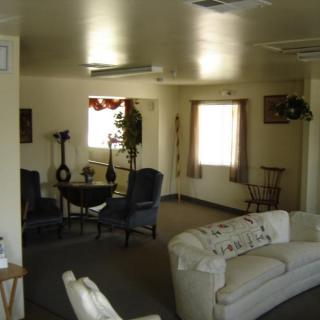
 9 resident community capacity
 Assisted Living
 Board and Care Home
 Activities off-site
 Air-conditioning
 Bath tubs
 Beautician on-site
 Cable or satellite TV
 Devotional services off-site
 Dining room
 Fully furnished
 Garden
 Housekeeping services
 Indoor common areas
 Move-in coordination
 Outdoor common areas
 Private
 Private bathrooms
 Respite or short term stays offered
 Swimming pool / hot tub
 Telephone
 Wheelchair accessible showers
 Wi-Fi/high-speed internet available
 Phoenix Sky Harbor International (16 miles away)
 24-hour supervision
 Ambulatory care
 Assistance with bathing
 Assistance with dressing
 Assistance with transfers
 Diabetes diet
 Diabetic care
 High acuity care
 Incontinence care
 Meal preparation and service
 Medication management
 Special dietary restrictions
 Transportation arrangement (medical)
 Transportation to doctors appointments
 Birthday parties


 Assisted Living Support for Veterans: A Complete and Detailed Overview
 Exploring the Contrasts Between Assisted Living and Skilled Nursing
 8 Key Indicators That Suggest It May Be Time to Transition from Assisted Living to Skilled Nursing Care