
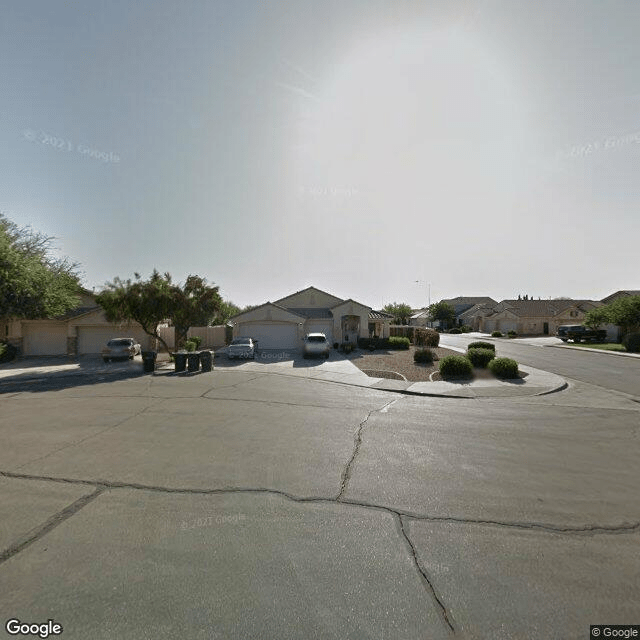
1221 S Arroya Circle, Mesa, AZ 85206
To contact a resident: (623) 986-7126
For more information about senior living options: (866) 208-4318
Pleasant Living Costs & Pricing
Pleasant Living offers competitive pricing for its accommodations when compared to both Maricopa County and the broader state of Arizona. The monthly cost for a semi-private room at Pleasant Living is $2,750, which is slightly lower than the county average of $2,801 and the state average of $2,820. For those seeking more privacy, the cost for a private room at Pleasant Living is set at $3,250, again favorably positioned against Maricopa County's average of $3,318 and Arizona's average of $3,345. Additionally, its one-bedroom option mirrors this trend with a price tag of $3,250 compared to county and state averages of $3,473 and $3,532 respectively. Overall, Pleasant Living provides an attractive value proposition in comparison to surrounding options while maintaining quality care and services.
| Floor plans | Pleasant Living | Maricopa County | Arizona |
|---|---|---|---|
| Semi-Private | $2,750 | $2,801 | $2,820 |
| Private | $3,250 | $3,318 | $3,345 |
| 1 Bedroom | $3,250 | $3,473 | $3,532 |
Memory care communities with a similar price nearby
-
from -$250 / mo

La Bella Vita ALH
$2,500 to $7,000 / month2.5 miles away -
from -$350 / mo
Golden Touch One Adult Care Home
$2,400 to $5,800 / month7.0 miles away -
from +$250 / mo
Desert Winds I
$3,000 to $3,800 / month6.1 miles away -
from -$495 / mo

Windsor Luxury Assisted Living, LLC
$2,255 to $5,950 / month17.3 miles away -
from -$525 / mo
Harts Home - Exceptional Elder Care
$2,225 to $5,500 / month16.7 miles away
Overall Review of Pleasant Living
Pros
 Pleasant Living is described as a very clean environment with staff who care for residents' day-to-day needs.
- A relative left Pleasant Living walking and in good health and spirit, reflecting compassionate care and therapy.
- The owners are genuinely caring about the people in their homes and make an effort to know them.
- The facility shows thoughtfulness toward residents' comfort and health, such as providing a memory foam mattress topper for bedsores.
- Pleasant Living Moroni House is a nice, clean place where everyone is very nice and courteous.
- The staff includes hard-working, invested caregivers who care about the residents.
Cons
 The facility does not provide activities; residents sit in chairs all day.
- Staff are described as untrained for dementia care, effectively babysitters rather than caregivers.
- Residents are put in chairs and heavily medicated, with little mobility or autonomy.
- A resident with Alzheimer's was locked in her room.
- Medication management is poor, with many meds prescribed and rapid changes after relocation.
- Care is inconsistent, usually with only one staff member for nine residents.
- Language barriers among caregivers lead to miscommunication.
- Management is disorganized and communication between staff and owners is lacking.
Review
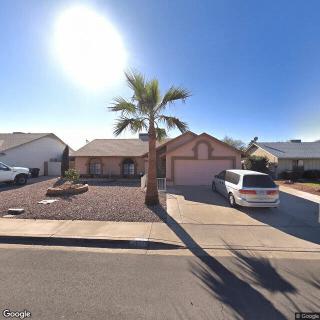
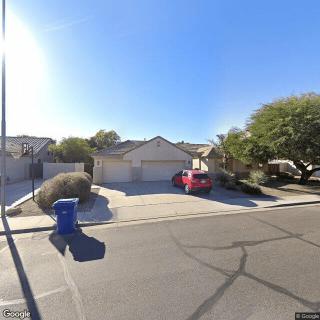
Pleasant Living is best suited for seniors who need help with daily activities and some supervision, but do not require intensive medical management or specialized dementia care. The homes present a clean, home-like setting and a price point that often works out more favorable than higher-end options, which makes them a practical choice for families prioritizing value and straightforward oversight. This is a solid fit for residents who are moderately mobile, able to feed themselves with occasional assistance, and who do not demand highly structured programming every day. Those with loved ones who are nonverbal, have advanced dementia, or require constant, tightly coordinated medical attention should seriously consider alternatives with stronger clinical staffing and dedicated dementia programming.
The strongest positives are the environment and day-to-day care baseline. The facilities described as very clean, with staff consistently attending to residents’ basic needs and the ability to handle higher care needs when necessary. There is evidence of compassionate, ongoing effort from some caregivers, and at times owners who take an active interest in resident well-being. Highlights include responsive measures for pressure issues (a memory foam topper was purchased for bedsores when needed) and a sense that the home can manage multiple residents with varying levels of dependency. Cost remains approachable compared with more medicalized settings, and some families note genuine appreciation for staff who show up, work hard, and provide steady, if imperfect, support for residents who require daily assistance.
Yet the drawbacks are significant and consistently cited across experiences. Understaffing is a recurring theme: typically one caregiver for nine residents, with limited lifting or personal-assistance capacity beyond basic tasks. This translates into inconsistent quality of care, occasional lapses in monitoring, and concerns about whether all residents truly receive the attention they need. Dementia care in particular is not reliably equipped; reviewers report that staff may lack specialized training to manage cognitive decline, agitation, or safety needs, including instances of inappropriate confinement and unclear handling of behavioral symptoms. Communication gaps among owners, managers, and staff further complicate coordination, and there are recurring complaints about the overall organization, such as non-existent or poorly maintained communication tools and inconsistent follow-through on care plans or appointments. Food, while approachable, is described as repetitive with limited menu flexibility, leaving some residents bored or undernourished without family-provided supplements.
The key pros only partially offset these cons. The clean environment and the ability to provide basic, steady care for residents with mobility and incontinence needs are meaningful anchors, especially when family oversight can supplement gaps in staffing and programming. The cost advantage helps when budgets are tight, and the presence of an in-house doctor at times and the owners’ visible care for residents offer reassurance that medical and emotional needs can be addressed, at least at a basic level. However, the deficit in meaningful daily activities and the variability in staffing and communication erode the experience, particularly for active or cognitively engaged seniors who expect social engagement and robust oversight. For families relying on routine enrichment, predictable staffing, and proactive dementia care, these elements do not consistently align with Pleasant Living’s current operations.
For families weighing options, depth of inquiry matters as much as the footprint. Seek a multi-shift live tour to observe how care is delivered at different times, and request a concrete staffing plan and caregiver-to-resident ratio for each shift. Insist on seeing care plans, medication management routines, and examples of engagement, daily activities, outings, or in-house programming, and ask for a transparent record of any incidents or neglect concerns with follow-up actions. Probe the owners about communication systems, care coordination with external providers, and how hospital or rehab transitions are managed. Finally, compare room-by-room costs and clarify what drives price variation, including the true cost of private versus shared rooms and any additional charges for higher-level care needs or special equipment.
In sum, Pleasant Living stands as a practical, affordable option for seniors who can thrive with steady, basic support and family involvement, and who do not require intensive dementia programming or round-the-clock clinical monitoring. For loved ones in need of reliable, proactive dementia care, frequent staff engagement, or vibrant daily programming, alternatives with stronger staffing models and structured activity calendars are strongly advised. The community can be a good fit when expectations align with its strengths, but it demands careful due diligence to ensure the level of oversight and engagement matches a loved one’s specific needs.
 Board and Care Home
 Memory Care
 Activities on-site
 Devotional services on-site
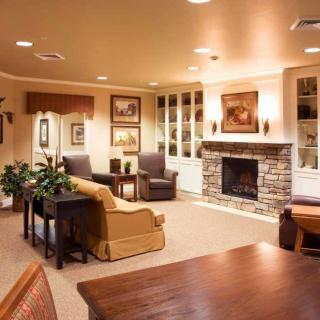
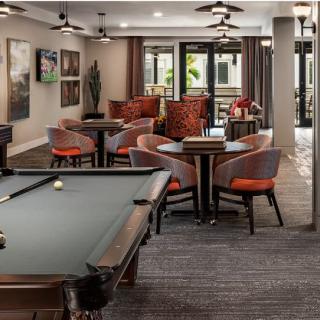
 Indoor common areas
 Outdoor common areas
 Private
 Private bathrooms
 Respite or short term stays offered
 Wheelchair accessible showers
 Phoenix Sky Harbor International (17 miles away)
 Diabetic care
 High acuity care
 Incontinence care
 Medication management
 Meals provided
 Christian services
 Choosing the Right Senior Care: A Detailed Exploration of Assisted Living and Nursing Homes
 Safeguarding Your Memory Through the Golden Years: Eight Ways to Preserve Cognitive Health
 Comprehensive Insights into Activities of Daily Living (ADLs) and Their Assessment