Emerald Glen Memory Care Plus

Save

Emerald Glen Memory Care Plus

3558 East Mcdowell Road, Mesa, AZ 85213

For more information about senior living options: (844) 490-3973

4.2 from 10 reviews
5 stars
8
4 stars
0
3 stars
0
2 stars
0
1 stars
2

Memory Care

Overall Review of Emerald Glen Memory Care Plus

Pros

  • pro Emerald Glen is described as beautiful with upscale decor, spotless halls, and a grand entrance.
  • pro A few caregivers at Emerald Glen were truly kind and compassionate.
  • pro The move to a smaller home provided the resident with care, attention, and compassion, bringing peace.
  • pro Emerald Glen's staff are described as attentive, loving, supportive, and fun.
  • pro The food is amazing, and the community is described as lovely.
  • pro The owners, Jennifer and Patrick, are praised, and Emerald Glen is called a gem.
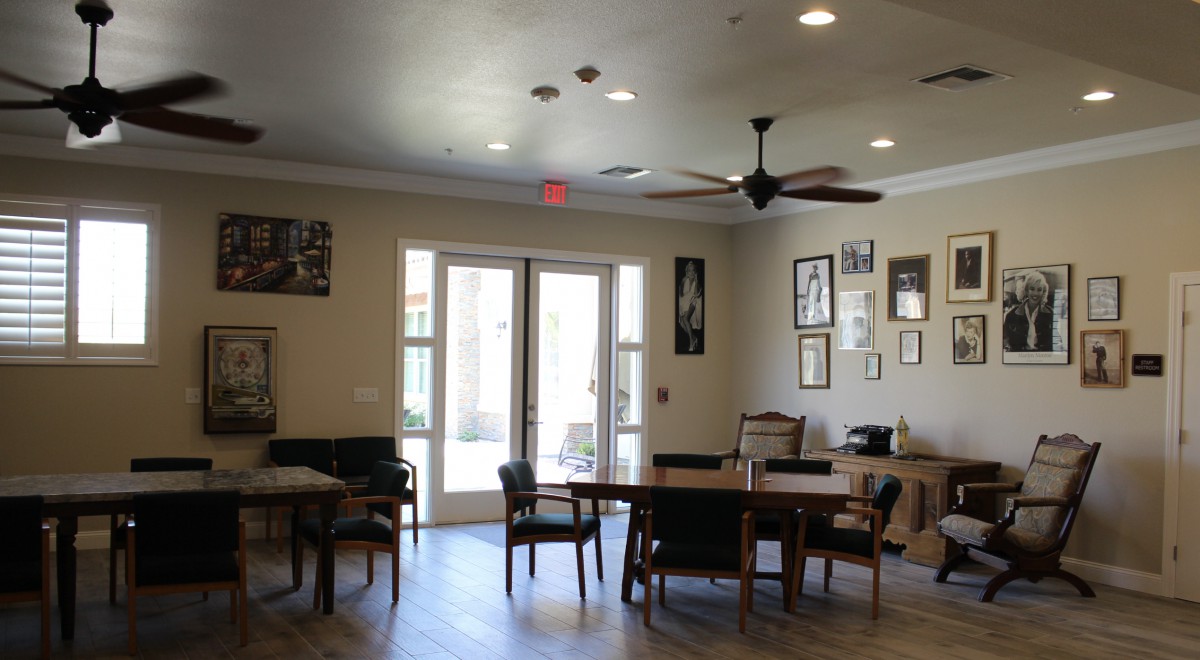
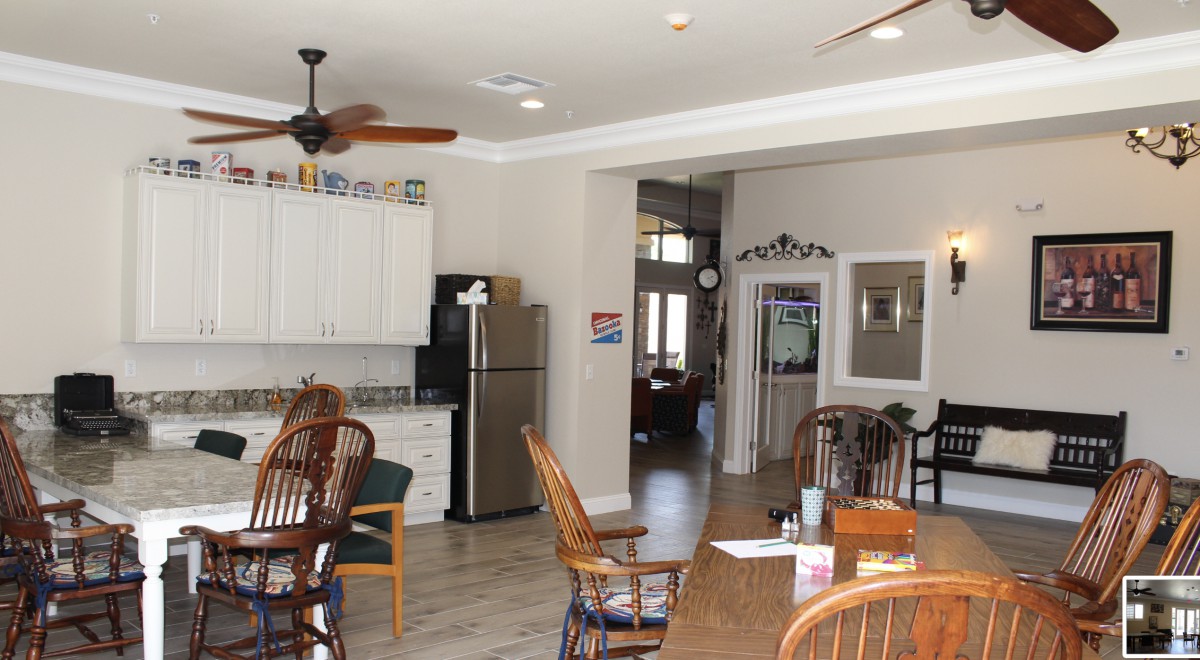
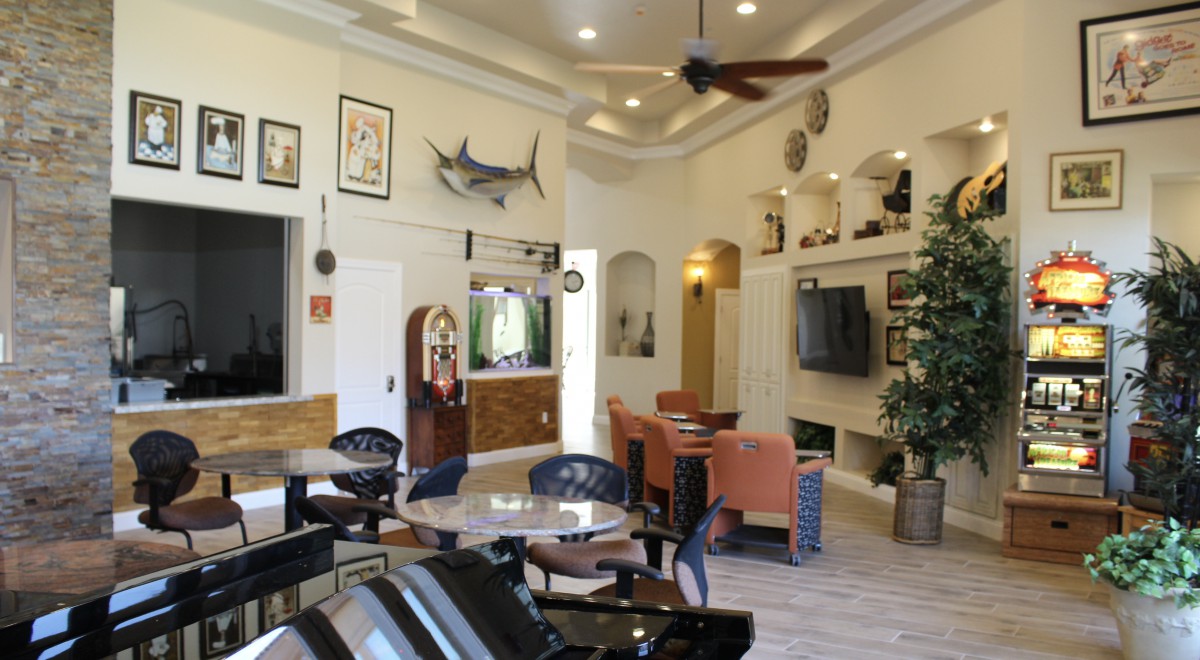
  • pro Even during construction, Emerald Glen was stunning, with attention to detail, a grand piano, themed hallways, large rooms, and outdoor access.
  • pro Newcomers find the staff and community welcoming.

Cons

  • pro The facility is understaffed and undertrained for true memory care.
  • pro There is no specialized memory care training or qualifications offered.
  • pro The staff are rushed, disconnected, and focused on tasks rather than residents.
  • pro Activities for memory care are rarely offered.
  • pro The home manager was fired and the overall structure fell apart.
  • pro Residents are left in soiled diapers for long periods, leading to UTIs.
  • pro Residents are left sitting in waste or found on the floor after prolonged neglect.
  • pro Residents are overmedicated throughout the day to make them more manageable.
  • pro The owners are hardly involved and there is a pattern of cutting corners and moving out residents who require more time.

Review

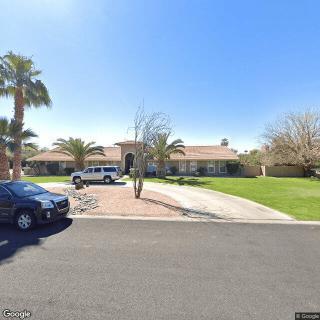
Emerald Glen Memory Care Plus presents itself as a polished, upscale option for memory care, and for many families the surface is exactly what first draws them in: bright lobbies, grand entrances, thoughtfully designed spaces, and a sense that this could be the place where their loved one would finally receive steady, compassionate care. Yet behind the attractive exterior and marketing promises lies a more complicated reality for several families who shared their experiences. Across accounts, the facility is described as beautiful and well-marketed, but the actual day-to-day care for residents with dementia often did not align with those promises. This is a place where a number of families felt safety and dignity could be at risk, even as others found genuine warmth and attentiveness from individual caregivers.

One family describes the most difficult transition as the time they placed their husband there. It was the first time he needed full-time care, and while the building looked inviting, the reality was frightening in practice. They relied on a room camera to monitor him and observed troubling patterns: he would fall and remain on the floor for extended periods, sleep at night with lights and the TV on, and be left in soiled diapers for long stretches - contributing to urinary tract infections he had never experienced before. The husband had dementia and limited mobility, and this family felt the staff, though occasionally kind, were hampered by staffing shortages and a lack of proper memory-care training. The owners, according to their account, were seldom involved, and the facility's memory-care designation did not appear to reflect real, structured, dementia-focused training. The family ultimately found peace only after moving him to a smaller home that could provide the consistent, compassionate care he deserved, and they urged others to look closely before choosing Emerald Glen.

Another account focuses on a different father with dementia who spent a few months there during 2025. This review underscores a combination of praise and alarm: a handful of caregivers were genuinely compassionate, but the majority lacked basic memory-care training and were rushed, disconnected, and task-focused. The reviewer notes that if a resident did not comply immediately, staff would move on rather than work through a problem, which eroded trust and hindered person-centered care. Activities were rarely offered, and the home's management trajectory deteriorated notably after a manager was fired a couple of months after the family moved in. The family watched him be placed in diapers for toilet assistance, which they viewed as a regression rather than a solution, and they observed recurring urinary tract infections and episodes of being left sitting in waste. They ultimately hired a private caregiver to supplement care, paying a substantial sum - nearly $10,000 a month - and still found the facility unable to meet basic needs. They described him as being overmedicated to keep him manageable, a sign of an approach to care that prioritized efficiency over individualized attention. He was evicted after pulling his arm away from a caregiver, a reaction the family understood as a common response to dementia, not misconduct. This narrative reflects concerns about a pattern: that owners may cut corners and move out residents who require more time or generate less revenue, a perspective shared by others who later spoke with prospective families about Emerald Glen's reputation.

In contrast to these troubling experiences, several reviews portray Emerald Glen as a place where some residents receive loving, attentive care, and where families feel supported by a warm, patient staff. One family characterized the facility as a "God send" for their parents, praising the attentive, loving, and supportive staff who were described as fun and engaged. The food was highlighted as amazing, and family-style dining was a daily norm that helped create a sense of community among residents and their loved ones. Other families expressed strong satisfaction with the care their parents received, noting that staff were willing to listen, implement requests, and help with activities and entertainment that their loved ones enjoyed. These accounts emphasize a sense of belonging and gratitude toward the people who worked there, and several families spoke highly of the owners, Jennifer and Patrick, who were credited with fostering a caring environment and a sense of community.

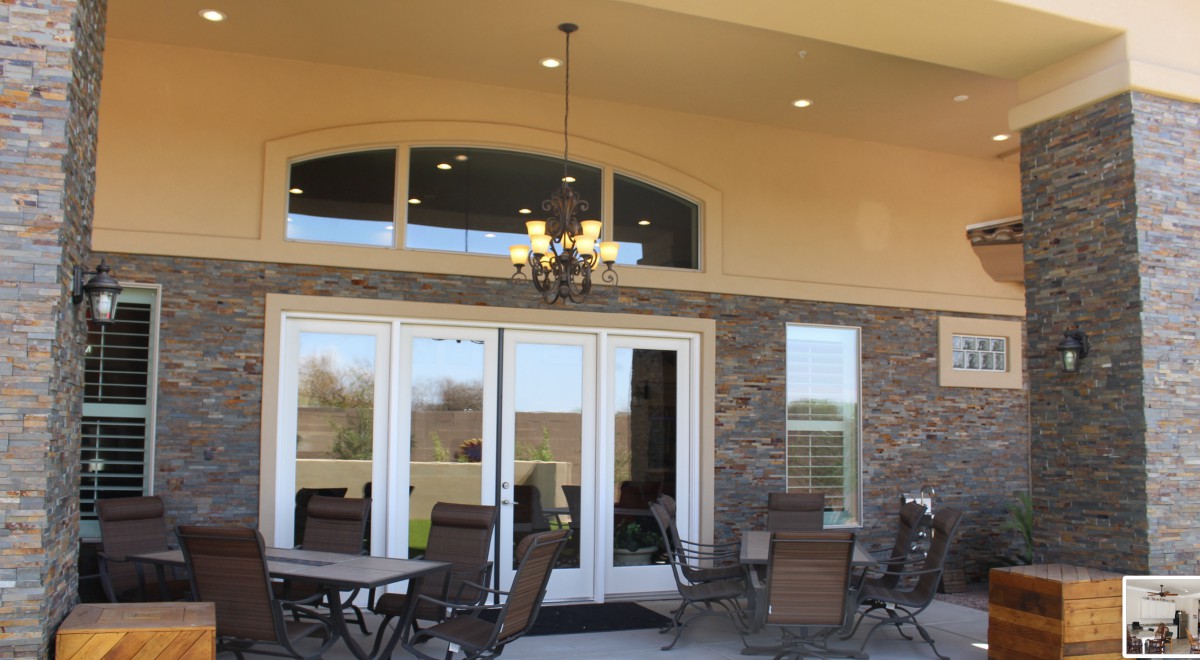
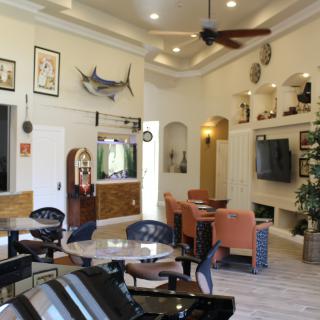
The facility's potential for exceptional care is further illustrated by descriptions of its built environment. Even before completion, Emerald Glen's design was praised for its attention to detail: grand pianos, themed hallways, large rooms with expansive windows, and outdoor access with perimeter security. Garden boxes and outdoor space were highlighted as thoughtful touches intended to create a comforting, stimulating environment for memory-impaired residents. Observers noted that the layout and design appeared to support safety and engagement, suggesting that the physical plant could, in the right hands, enable a high quality of life for people living with dementia. The positive sentiments emphasize that when staffing, training, and management align with the facility's high-end design, Emerald Glen can deliver a level of care that families dearly hope to find.

For some families, the most meaningful insight came from comparing Emerald Glen to smaller, home-based care settings. In their view, the latter provided a vastly different standard of daily care - more time, more direct interaction, and a patient, personalized approach that treated the person rather than the task. In particular, the contrast was striking in practical aspects such as assistance with bathing and bathroom needs, respectful communication, and consistent routines. In these stories, the difference was not just in personal demeanor but in the overall system of care: caregivers who could take a steady, problem-solving approach to challenges rather than resorting to diapers, sedation, or abrupt changes. One family explicitly credited the smaller, home-based setting with preventing UTIs, avoiding accidents, and providing a respectful, patient caregiving experience. They also highlighted the financial reality: even with private, supplemental caregiving, costs remained high, underscoring the trade-offs families face when choosing a facility with dementia-specific needs.

In the wake of these mixed experiences, some families took official action, reflecting the seriousness with which they viewed the care their loved ones received. One family filed a formal complaint with the Arizona Department of Health and Human Services after witnessing what they described as neglect and a lack of appropriate response to their father's needs. This step signals how seriously some families take concerns about memory care quality, oversight, and accountability. Across the spectrum of reviews, there is a clear urge for families to do their due diligence: to assess staffing levels, to inquire about specialized training for memory care, to seek out firsthand observations of routine care, and to speak with other families about their experiences. The stories suggest that while Emerald Glen can be a source of comfort for some, others have found substantial reasons to reconsider and to explore smaller, more intimate settings that can offer consistent, person-centered support.

Ultimately, the pool of reviews around Emerald Glen Memory Care Plus reveals a nuanced picture. For every glowing testimonial about compassionate staff, delicious meals, and a supportive community, there are grave concerns about staffing adequacy, dementia-specific training, consistent routines, and the ability to protect residents from neglect or unsafe conditions. The contrast between the glossy facade and the lived reality is stark for many families, who are left weighing the benefits of a beautiful environment against the tangible needs of residents with dementia. For those evaluating care options, the reports encourage careful, independent verification: visit with direct observation, talk openly with multiple staff members, review incident patterns, question management practices, and, where possible, seek experiences from families of current residents. In the end, some families celebrate Emerald Glen as a place that truly cared for their loved ones, while others voice deep concerns that the care did not meet the level of dedication and safety their relatives deserved.

Features

Housing

  • 34 resident community capacity 34 resident community capacity

Types of Care

  • Memory Care Memory CareMemory care is crucial for seniors as it provides specialized support and services for individuals with dementia or Alzheimer's disease. These programs offer a safe and secure environment where residents receive personalized care, cognitive stimulation, and help with daily activities. Memory care helps seniors maintain their independence, quality of life, and dignity while also providing peace of mind for their families.

Amenities

  • Beauty salon Beauty salonBeauty salons are important for seniors because they provide a space for them to feel pampered, socialize, and maintain their personal grooming and hygiene. Regular visits to a beauty salon can help boost seniors' self-esteem and overall well-being.
  • Cable or satellite TV Cable or satellite TVCable or satellite TV is important for seniors because it provides entertainment, news, and companionship, helping to combat loneliness and boredom. It also offers a wide range of programming options tailored to different interests and preferences.
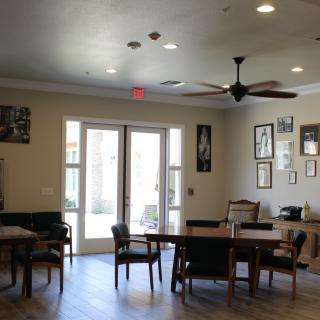
  • Dining room Dining roomDining rooms are important for seniors as they provide a space for socialization, connection, and nutritious meals. They offer opportunities for residents to bond over shared meals, foster a sense of community, and promote healthy eating habits. Dining rooms also ensure that seniors have access to well-balanced meals tailored to their dietary needs and preferences.
  • Fully furnished Fully furnishedFully furnished senior living communities are important for seniors because they provide convenience, comfort, and a hassle-free moving experience. Seniors can easily settle into their new living space without the stress of having to buy and move furniture. This allows them to focus on enjoying their new home and community.
  • Garden GardenGardens are important for seniors as they provide a peaceful and therapeutic environment for relaxation, physical activity, and socialization. Being in nature has been shown to reduce stress, improve mood, and promote overall well-being. Gardens also offer opportunities for seniors to engage in gardening activities, which can improve mobility, flexibility, and cognitive function. Additionally, gardens create a sense of community and connection with others who share a passion for plants and outdoor spaces.
  • Housekeeping services Housekeeping servicesHousekeeping services are important for seniors because they help maintain a clean and safe living environment, promote independence, and reduce the risk of accidents or illnesses. Additionally, having assistance with household chores can alleviate physical strain and allow seniors to focus on other aspects of their well-being.
  • Kitchenette KitchenetteKitchenettes are important for seniors living in senior living communities because they provide the convenience and independence of being able to prepare simple meals and snacks in the comfort of their own living space. This can help promote a sense of autonomy and well-being for seniors, allowing them to maintain some level of control over their dietary choices and daily routines.
  • Move-in coordination Move-in coordinationMove-in coordination is important for seniors because it helps ease the transition into their new living environment. It ensures that all logistics, such as packing, organizing movers, and setting up utilities are taken care of, allowing seniors to focus on settling in and adjusting to their new home. Having a smooth move-in process can alleviate stress and anxiety, making the transition smoother and more enjoyable for seniors.
  • Outdoor space Outdoor spaceOutdoor spaces are important for seniors as they provide opportunities for physical activity, social interaction, exposure to natural light and fresh air, and a sense of connection to nature. Having access to outdoor spaces can improve overall well-being and quality of life for older adults living in senior communities.
  • Telephone TelephoneTelephones are important for seniors as they provide a lifeline for communication with loved ones, emergency services, and healthcare providers. They offer a sense of security and independence, enabling seniors to stay connected and access assistance when needed.
  • Wi-Fi/high-speed internet available Wi-Fi/high-speed internet availableWi-Fi/high-speed internet is important for seniors to stay connected with loved ones, access online resources, and participate in virtual activities to combat feelings of loneliness and isolation. It also allows them to easily manage healthcare needs, access entertainment, and engage in lifelong learning opportunities.

Transportation

  • Phoenix Sky Harbor International (15 miles away) Phoenix Sky Harbor International (15 miles away)

Care Services

  • 24-hour call system 24-hour call system24-hour call systems are important for seniors because they provide peace of mind and immediate assistance in case of emergencies. This technology ensures that help is always available, promoting safety and security for elderly individuals living alone or in assisted living facilities.
  • 24-hour supervision 24-hour supervision24-hour supervision is important for seniors to ensure their safety, well-being, and access to immediate assistance in case of emergencies or health issues. This constant support provides peace of mind for both seniors and their loved ones, allowing them to age in place with dignity and security.
  • Activities of daily living assistance Activities of daily living assistanceActivities of daily living assistance are important for seniors because they provide essential support with tasks such as eating, bathing, dressing, and mobility. This assistance helps seniors maintain their independence, dignity, and overall quality of life as they age.
  • Assistance with bathing Assistance with bathingAssistance with bathing is crucial for seniors as it helps maintain personal hygiene, prevents infections, and ensures their overall well-being and comfort. It also provides a sense of dignity and independence for seniors who may struggle with this task on their own.
  • Assistance with dressing Assistance with dressingAssistance with dressing is important for seniors because it helps maintain their independence, promotes personal hygiene, prevents accidents and injuries, and improves overall quality of life. This service ensures that seniors can continue to dress comfortably and confidently, despite any physical limitations they may have.
  • Assistance with transfers Assistance with transfersAssistance with transfers is crucial for seniors as it helps prevent falls and injuries, maintains their independence, and ensures they can safely navigate their living environment. It also provides peace of mind for both seniors and their loved ones.
  • Coordination with health care providers Coordination with health care providersCoordination with health care providers is crucial for seniors to ensure proper medical care, medication management, and overall well-being. This collaboration helps prevent overlapping treatments, track progress more effectively, and provide comprehensive support tailored to individual needs.
  • Dementia waiver Dementia waiverDementia waivers are essential for seniors as they provide critical protections and accommodations for those experiencing cognitive decline. These waivers ensure individuals with dementia receive appropriate care, support, and resources to maintain their quality of life and dignity as they navigate the challenges of this progressive condition.
  • Diabetes diet Diabetes dietA diabetes diet is crucial for seniors as it helps manage blood sugar levels, reduce risks of complications, and improve overall health and well-being. By following a balanced and nutritious diet tailored to their specific needs, seniors can better control their diabetes and enhance their quality of life.
  • Hospice waiver Hospice waiverHospice waivers are important for seniors because they allow individuals to receive specialized end-of-life care and support at home or in a hospice facility. This waiver ensures that seniors can access the necessary resources and services to maintain comfort and dignity during their final days.
  • Meal preparation and service Meal preparation and serviceMeal preparation and service are crucial for seniors as they may have limited mobility or energy to cook nutritious meals. Having access to healthy and convenient food options can ensure they are getting the proper nutrition needed to maintain their overall health and well-being.
  • Medication management Medication managementMedication management is crucial for seniors to ensure they are taking the right medications at the correct dosages and times. This helps prevent adverse drug interactions, reduces the risk of medication errors, and promotes overall health and well-being. Proactive management also allows for adjustments as needed based on changing health conditions or new prescriptions.
  • Mental wellness program Mental wellness programMental wellness programs are essential for seniors as they promote cognitive stimulation, emotional support, and social engagement. These programs help prevent isolation, depression, and cognitive decline, ultimately enhancing the overall quality of life for older adults.
  • Mild cognitive impairment Mild cognitive impairment"Mild cognitive impairment" is important for seniors because it is an early stage of cognitive decline that can potentially progress to more severe conditions such as dementia. Recognizing and addressing mild cognitive impairment can help seniors receive appropriate care and support to maintain their quality of life and independence for as long as possible.
  • Special dietary restrictions Special dietary restrictionsSpecial dietary restrictions are important for seniors because age-related changes in metabolism and health conditions can make it difficult for their bodies to process certain foods. By following a diet tailored to their specific needs, seniors can maintain their overall health and well-being, manage chronic conditions, and reduce the risk of complications such as malnutrition or food interactions with medications.
  • Specialized memory care programming Specialized memory care programmingSpecialized memory care programming is crucial for seniors with cognitive impairments such as dementia or Alzheimer's disease. These programs provide a safe and supportive environment tailored to the unique needs of individuals with memory loss, helping them maintain their independence, dignity, and quality of life.
  • Transportation arrangement (medical) Transportation arrangement (medical)Transportation arrangements for medical purposes are essential for seniors as they may have difficulty driving themselves to appointments or accessing public transportation. Having reliable and safe transportation options ensures that seniors can receive timely medical care and maintain their health and well-being.
  • Transportation to doctors appointments Transportation to doctors appointmentsTransportation to doctors' appointments is crucial for seniors as it ensures they have access to necessary medical care and support for their health needs. Without reliable transportation, seniors may struggle to attend important appointments, leading to potential delays in treatment and health complications. Providing transportation services helps seniors maintain their overall well-being and quality of life.
Dining

  • Diabetes diet Diabetes dietA diabetes diet is crucial for seniors as it helps manage blood sugar levels, reduce risks of complications, and improve overall health and well-being. By following a balanced and nutritious diet tailored to their specific needs, seniors can better control their diabetes and enhance their quality of life.
  • Special dietary restrictions Special dietary restrictionsSpecial dietary restrictions are important for seniors because age-related changes in metabolism and health conditions can make it difficult for their bodies to process certain foods. By following a diet tailored to their specific needs, seniors can maintain their overall health and well-being, manage chronic conditions, and reduce the risk of complications such as malnutrition or food interactions with medications.

Activities

  • Community-sponsored activities Community-sponsored activitiesCommunity-sponsored activities are important for seniors as they provide opportunities for social interaction, mental stimulation, and physical activity. These activities can help improve overall well-being, combat loneliness and isolation, and promote a sense of belonging and purpose among older adults.
  • Resident-run activities Resident-run activitiesResident-run activities are important for seniors as they encourage social interaction, creativity, and a sense of autonomy. These activities empower seniors to stay engaged and active in their community while fostering meaningful connections with their peers.
  • Scheduled daily activities Scheduled daily activitiesScheduled daily activities are important for seniors because they provide structure, socialization, mental stimulation, and physical activity. Engaging in regular activities can improve overall well-being and quality of life for seniors living in a community setting.

Description

Emerald Glen Memory Care Plus in Mesa, AZ is an assisted living community designed specifically for individuals with memory care needs. The community offers a range of amenities and services to ensure the comfort and well-being of its residents.

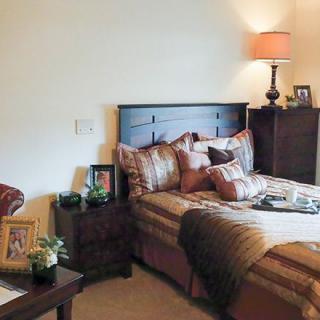
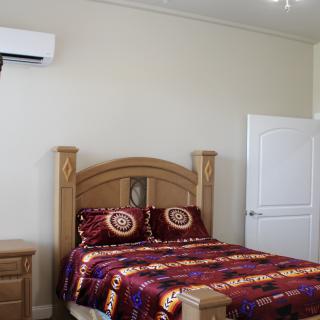
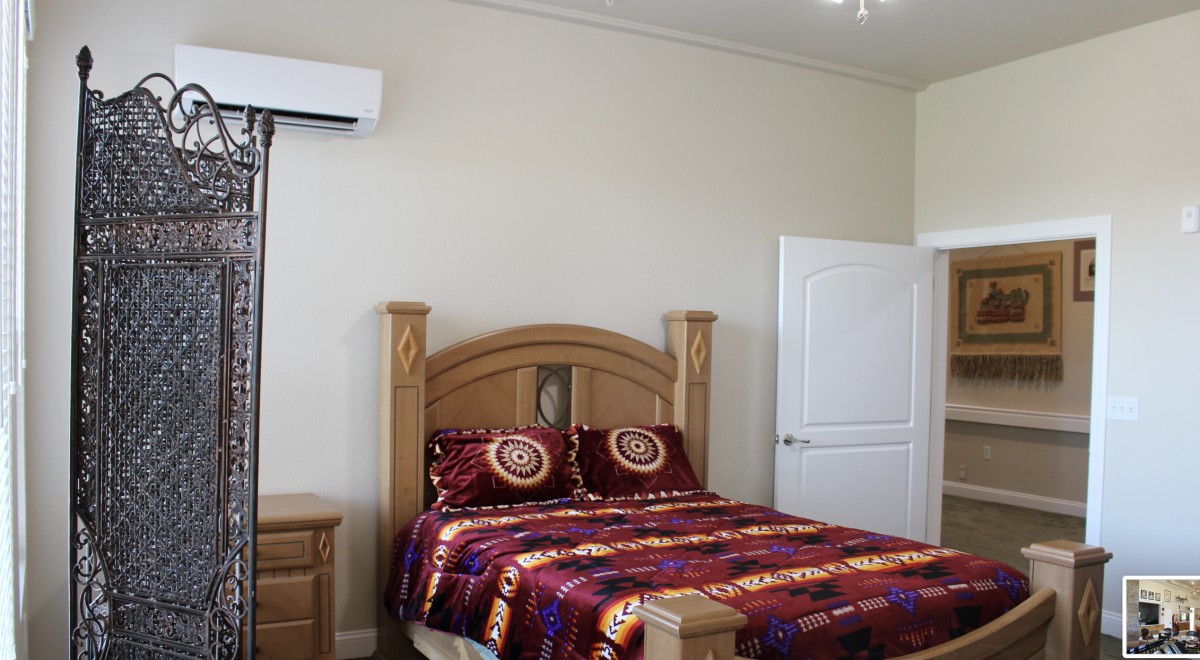
The fully furnished apartments at Emerald Glen Memory Care Plus are equipped with cable or satellite TV, a kitchenette, and Wi-Fi or high-speed internet access. Residents can enjoy their meals in the communal dining room, where special dietary restrictions can be accommodated. Housekeeping services are provided to ensure that living spaces remain clean and tidy.

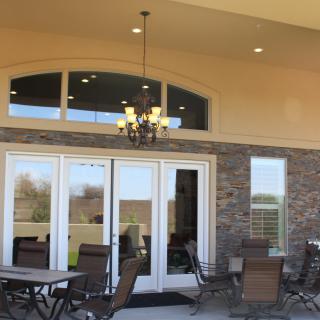
Outdoor spaces such as gardens provide opportunities for residents to relax and enjoy nature. Residents can also engage in resident-run activities and scheduled daily activities organized by the community.

Care services provided at Emerald Glen Memory Care Plus include 24-hour supervision, assistance with activities of daily living like bathing, dressing, and transfers. Medication management is available to ensure that residents receive their medication on time and as prescribed. The community also assists with coordination with health care providers and transportation arrangements to medical appointments.

The specialized memory care programming offered at Emerald Glen Memory Care Plus caters specifically to individuals with dementia and mild cognitive impairment. A mental wellness program is provided to support the emotional well-being of residents.

Located in Mesa, AZ, this assisted living community offers convenient access to nearby parks, pharmacies, physicians' offices, restaurants, and transportation options.

Overall, Emerald Glen Memory Care Plus provides a safe and supportive environment where individuals with memory care needs can receive personalized assistance while enjoying a comfortable lifestyle.

Nearby Places of Interest

Pharmacies

  • Walgreens (1.5 miles)
  • Bashas' Pharmacy (2.8 miles)
  • CVS Pharmacy (3 miles)
  • CVS Pharmacy (3.1 miles)
  • Walgreens (4.1 miles)
  • Walgreens (4.2 miles)
  • Walgreens (4.6 miles)

Transportation

  • Falcon Field Airport (MSC) (1.7 miles)

Restaurants

  • IHOP (2.8 miles)
  • Nando's Mexican Cafe (3.9 miles)
  • Chili's Grill & Bar (4 miles)
  • McDonald's (4.1 miles)
  • Chick-Fil-A (4.1 miles)
  • Whataburger (4.2 miles)
  • Uncle Bear's Grill & Tap Greenfield (5 miles)

Physicians

  • Glick Ronald M Do (3 miles)
  • Riviera Opticare (3.4 miles)
  • Skyline Medicine (3.7 miles)
  • Oasis Obstetrics and Gynecology (3.9 miles)
  • Cvam (4.8 miles)
  • Valley Endocrine Associates (5.1 miles)
  • Cornerstone Family Medicine (5.2 miles)

Parks

  • Greenfield Park (4.6 miles)
  • Riparian Preserve at Water Ranch (7.2 miles)
  • Finley Farms Park (8.5 miles)

Cafes

  • Dutch Bros Coffee (5.1 miles)
  • The Human Bean (5.4 miles)
  • Starbucks (5.8 miles)
  • Panera Bread (5.9 miles)
  • Over Easy (6.2 miles)
  • Starbucks (6.2 miles)
  • Panera Bread (6.6 miles)

Places of Worship

  • Mesa Arizona Temple (5.3 miles)
  • Salt River Assembly of God (5.6 miles)
  • Church of Jesus Christ of Latter Day Saints (7 miles)
  • Church of Jesus Christ of Latter Day Saints (8.5 miles)

Theaters

  • AMC Mesa Grand 14 (6.4 miles)
  • Superstition Springs 25 (7 miles)

Hospitals

  • Mayo Clinic Hematology/Oncology (8.6 miles)

Frequently Asked Questions

Where is Emerald Glen Memory Care Plus?
Does Emerald Glen Memory Care Plus provide care for residents with dementia or Alzheimer's disease?
What photos are available for Emerald Glen Memory Care Plus in Mesa, Arizona?

Nearby Communities

Related Resources

  • dementia careMemory Care Pathways: A Holistic Guide to Dementia Support

    "Memory Care Pathways: A Holistic Guide to Dementia Support" outlines the complexities of dementia and its various types, emphasizing early detection, patient-centered care strategies, caregiver support, and long-term care options while addressing legal and financial considerations to enhance the quality of life for individuals with dementia and their families.

  • sundown syndromeComprehending Evening Confusion in Dementia: Causes, Manifestations, and Support

    Sundown syndrome, or sundowning, is a phenomenon in dementia patients characterized by increased confusion and agitation during late afternoon and evening, influenced by factors like disrupted circadian rhythms and fatigue. Effective caregiver strategies include establishing routines and managing environmental light while addressing caregiver stress through support services.

  • delirium vs dementiaDelirium and Dementia: Unraveling the Key Differences
    Delirium is a rapidly onset, reversible cognitive disturbance often caused by acute medical issues, while dementia is a gradual and irreversible decline due to chronic neurodegenerative diseases. Accurate differentiation between the two is essential for appropriate treatment and management in older adults.