Emerald Glen
Save
3558 E. Mcdowell Rd, Mesa, AZ 85213
For more information about senior living options: (844) 490-3973
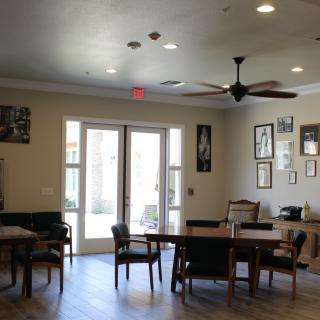
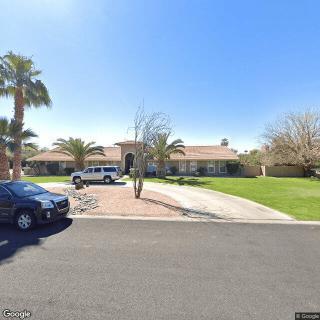
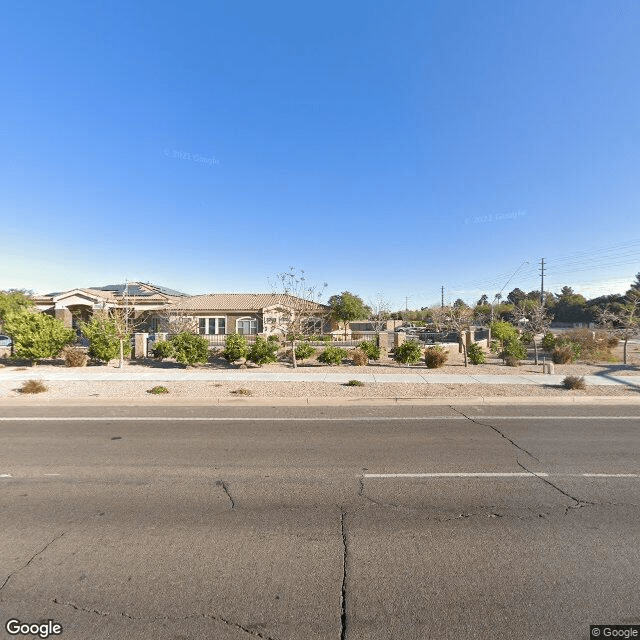
Emerald Glen Memory Care Plus presents itself from the outside as a polished, upscale memory care community in Arizona - a place with elegant d?cor, spotless halls, a grand entrance, and a marketing message that promises specialized, compassionate dementia care. Yet behind that refined appearance, the experiences shared by several families tell a far more complex story. For one wife, placing her husband there was one of the most difficult transitions of her life. He needed full-time care for dementia, and she hoped the facility would be a safe, supportive home. Instead, she soon felt scared and disappointed, realizing that what she saw in the marketing and in the pristine common areas did not always translate to the care his condition required. A camera in his room became a painful witness to gaps in attention and assistance, prompting frequent visits to check on him and observe distressing moments: falls that were not promptly addressed, nights spent with lights and the TV on while he slept uncovered and slumped in bed, and, for a man who could no longer walk well, long periods left in soiled diapers that led to urinary infections - an issue he never had in his life before.
The accounts of staffing and training at Emerald Glen are a persistent thread through these reviews. Several families acknowledge that a few caregivers were genuinely kind and compassionate, but they describe a broader problem: insufficient staffing, limited memory care training, and a leadership approach that left owners largely absent. The memory care designation itself is called into question, with critics arguing there is no standardized or recognized training or qualifications that accompany the care labeled as memory care. The sense that the facility is more about appearances than a consistent, specialized care model colors many of the negative experiences, including concerns about how memory care needs were met (or not met) on a day-to-day basis.
There are particularly stark and specific memories shared about the day-to-day operations. For some families, the pattern involved rushed staff who moved quickly from one resident to the next without the time or resources to establish trust, problem-solve, or provide the patient-centered attention dementia care often requires. Activities described as rare or inconsistent came with a broader sense that the home manager's presence and direction were critical to maintaining structure; when leadership changes occurred - such as the firing of the manager a couple of months after a move - the entire caregiving framework seemed to collapse. In several narratives, the lack of individualized support manifested in practical neglect: a resident using diapers when assistance with toileting was needed, and a sustained reliance on bed- or chair-bound routines rather than tailored approaches to enable independence and comfort. In some cases, these gaps contributed to serious consequences, including repeated UTIs and, on at least one occasion, a resident being found on the floor after an extended period of time.
Financial and administrative pressures also color the experiences. Some families felt they were paying a premium - one account notes a private caregiver was hired to ensure basic needs were met, even as expenses approached ten thousand dollars per month - and yet the facility still struggled to manage daily care. The perception among some is that residents who required more time or who did not generate enough revenue were at risk of being relegated to less supportive arrangements or even asked to leave the community. That sense of a clinical line drawn between "manageable" and "unmanageable" contributed to a broader narrative about a pattern of corner-cutting and a reluctance to adapt the approach to a resident's evolving needs. Several families mentioned that others in the industry were aware of Emerald Glen's reputation, reinforcing concerns that the owners were more focused on revenue than consistent, person-centered care.
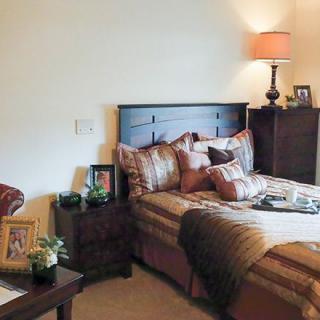
In contrast to the criticisms, the community has also inspired positive testimonials that highlight a different facet of Emerald Glen. A number of families praise the facility's beauty, and they describe experiences of warmth and attentiveness from certain staff members who were able to connect with residents in meaningful ways. They recount delicious food, a welcoming atmosphere, and a sense of community within a space that felt like a "home." Some reviews emphasize the owners' personal involvement and describe them as caring, hands-on leaders - Jennifer and Patrick - who appear to be dedicated to dementia care, with mentions of family-style dining, planned activities, and a feeling of belonging among residents and families. One reviewer even recalls a time when the place was under construction but already felt stunning, with thoughtful details such as a grand piano, themed hallways, large rooms with expansive windows, and outdoor accessibility set within a secure perimeter. These accounts suggest that, when things align - stable leadership, attentive caregivers, and meaningful engagement - the community can feel like a nourishing environment.
The most powerful counterpoint to the more positive or neutral impressions comes from families who moved their loved ones to smaller, home-based care settings. For them, the difference was immediately noticeable: a caregiver who took the time to guide bathroom routines, provide gentle communication, and ensure consistent, respectful care without the coercive feel of sedation or over-medication. One family found their loved one thriving after relocation, with no UTIs, no accidents, and a daily baseline of dignity and attentiveness that contrasted sharply with the previous setting. These experiences underscore a longing for smaller, more intimate care environments where staff can build trust, deliver steady routines, and offer the kind of consistent, compassionate support that dementia patients often need most.
Throughout the excerpts there are moments of gratitude and acknowledgment. Some families express deep appreciation for individuals who stood out for their empathy and dedication, and they recount positive end-of-life care that delivered comfort, responsiveness, and a sense of family around their loved ones in their final years. The presence of compassionate caregivers, attentive staff, and acts of kindness are not dismissed; rather they sit alongside more troubling observations about staffing gaps, training deficits, and management decisions. The overarching message invites readers to weigh both the beauty and the business of Emerald Glen: a place that can be breathtaking and promising, yet capable of falling short in the most essential aspects of dementia care when the resources, leadership, and time to devote to each resident are not consistently aligned.
In the end, the reviews form a tapestry that is almost kaleidoscopic in its depiction of Emerald Glen. For some families, the facility represents a godsend - an inviting, well-staffed environment with a strong sense of community, where staff are kind, the food is praised, and the owners are seen as genuinely invested. For others, it is a cautionary tale about the risks of undertrained staff, inconsistent care, and a leadership dynamic that leaves residents and families dancing a delicate balance between hope and fear. The consistent thread is the call to prospective families: do your due diligence. Visit, observe, and ask pointed questions about training, staffing ratios, how memory care needs are addressed, and how leadership is involved in daily operations. Consider speaking with other families, review state health records, and evaluate whether a large, polished facility can truly meet the specialized and intimate needs that dementia care requires. For some loved ones, a smaller, home-based setting may offer the kind of patient, respectful, and dependable care that Emerald Glen sometimes promises but does not consistently deliver.
Emerald Glen in Mesa, AZ is a vibrant and convenient assisted living community surrounded by various amenities. Nestled amidst the scenic beauty of Mesa, this community offers its residents a peaceful and comfortable living environment.
Nature enthusiasts will appreciate the proximity to parks, where they can enjoy leisurely walks or engage in outdoor activities. With one park nearby, residents have ample opportunities to relax and connect with nature.
Healthcare needs are taken care of with the presence of eight pharmacies and five physicians within close proximity. This ensures that residents have easy access to healthcare services, making it convenient for them to manage their medication and medical appointments.
Residents at Emerald Glen also have a variety of dining options available to them as there are six restaurants nearby. Whether they prefer casual dining or indulging in fine cuisine, these restaurants cater to diverse tastes and preferences, providing an array of culinary experiences.
For transportation needs, there is one transportation option nearby. This makes it convenient for residents to travel to appointments, run errands, or simply explore the surrounding areas without any hassle.
Overall, Emerald Glen offers its residents a comfortable and well-connected living experience. With beautiful parks, a range of healthcare services, diverse dining options, and transportation facilities nearby, this assisted living community strives to provide a fulfilling lifestyle for its residents.
This part of Mesa, Arizona offers a range of convenient amenities for seniors looking to settle in the area. With multiple pharmacies within a short distance, access to healthcare and medication is easily accessible. The nearby Falcon Field Airport provides transportation options for those looking to travel. There are also a variety of dining options ranging from casual fast food chains like McDonald's and Chick-Fil-A to sit-down restaurants like Nando's Mexican Cafe and Chili's Grill & Bar. For recreational activities, there are several parks in the vicinity such as Greenfield Park and Riparian Preserve at Water Ranch, offering opportunities for outdoor enjoyment. Additionally, there are places of worship including the Mesa Arizona Temple for spiritual needs. Overall, this area provides a mix of convenience, dining options, recreational activities, and healthcare services making it a suitable location for senior living.
Emerald Glen is located at 3558 E. Mcdowell Rd, Mesa, AZ 85213 in Maricopa County, Arizona
Yes, Emerald Glen provides memory care services for residents with mild or advanced stages of dementia or Alzheimer's disease.
Emerald Glen Memory Care Plus
Mesa, AZ
Specialized memory care with 24/7 supervision and dementia-focused programming.
Emerald Glen Memory Care Plus reviews
Emerald Glen Memory Care Plus images
Emerald Groves Central
Mesa, AZ
Specialized memory care with 24/7 supervision and engaging activities.
Emerald Groves Central costs
Emerald Groves Central reviews
Emerald Groves Central images
Emerald Groves North
Mesa, AZ
Caring, family-like staff in well-maintained facilities.
Emerald Groves North costs
Emerald Groves North reviews
Emerald Groves North images
Caveo Assisted Living
Mesa, AZ
Competitive pricing with private and semi-private rooms below local averages.
Caveo Assisted Living costs
Caveo Assisted Living reviews
Caveo Assisted Living images
Brookdale North Mesa
Mesa, AZ
Friendly, attentive staff with engaging activities in a clean, welcoming setting.
Brookdale North Mesa costs
Brookdale North Mesa reviews
Brookdale North Mesa images
Albany Apartments
Mesa, AZ
Well-maintained grounds with responsive management and a stair-free, open layout.
Albany Apartments costs
Albany Apartments reviews
Albany Apartments images
Illuminating Insights About Alzheimer's Disease: Ten Crucial Realities
Alzheimer’s disease is a progressive neurological disorder that significantly impacts memory and cognitive functions, accounting for 60-80% of dementia cases, with early diagnosis being crucial yet challenging. It involves brain changes like beta-amyloid plaques and tau tangles, influenced by genetic and lifestyle factors, and while there is no cure, symptom management and support for caregivers are essential.
A Thorough Discussion of Medications Potentially Linked to Dementia Risk

Dementia, influenced by aging and certain medications, may be exacerbated by drug classes such as anticholinergics, benzodiazepines, and antipsychotics, which are associated with cognitive impairment. Regular medication reviews by healthcare professionals are crucial for older adults to manage risks and optimize cognitive health.
Why Do Dementia Patients Sleep So Much? Understanding Oversleeping, Stages, and Care Approaches
Dementia often results in disrupted sleep patterns, leading to excessive daytime sleeping due to factors like brain damage affecting circadian rhythms, medication side effects, and lack of structure in daily activities. Caregivers must monitor these changes closely, as oversleeping can increase risks such as malnutrition or dehydration, and provide necessary support and routines to enhance patient engagement and well-being.