
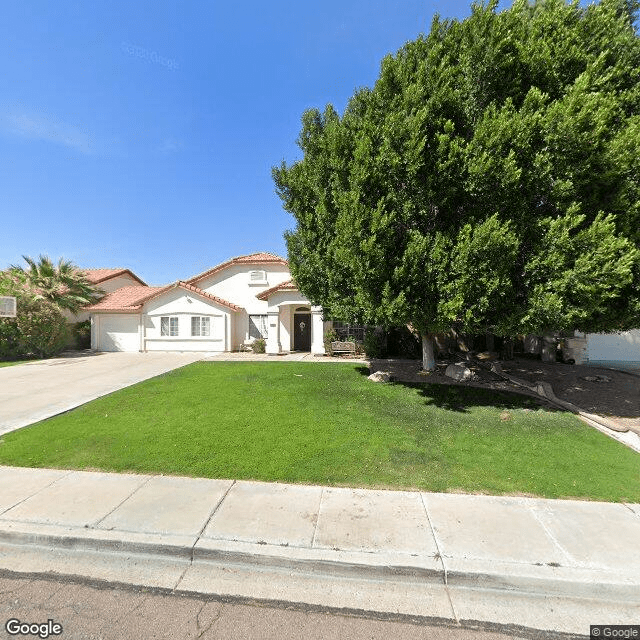
6008 W. Paradise Lane, Glendale, AZ 85306
To contact a resident: (602) 439-7307
For more information about senior living options: (866) 208-4318
Golden Age II Costs & Pricing
Golden Age II offers competitive pricing for its accommodations, providing both semi-private and private room options that are notably more affordable compared to the broader market rates in Maricopa County and the state of Arizona. At $2,200 per month for a semi-private room, Golden Age II stands out as a budget-friendly alternative to the county's average of $2,801 and the state average of $2,820. Similarly, their private rooms are priced at $2,500, significantly lower than the Maricopa County rate of $3,318 and the state average of $3,345. This makes Golden Age II an attractive choice for individuals seeking quality care without compromising on financial considerations.
| Floor plans | Golden Age II | Maricopa County | Arizona |
|---|---|---|---|
| Semi-Private | $2,200 | $2,801 | $2,820 |
| Private | $2,500 | $3,318 | $3,345 |
Memory care communities with a similar price nearby
-
from +$300 / mo
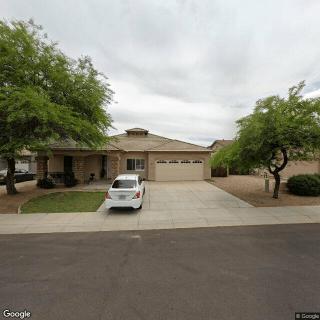
Anc Assisted Living Homes I
$2,500 to $3,500 / month15.4 miles away -
from +$300 / mo
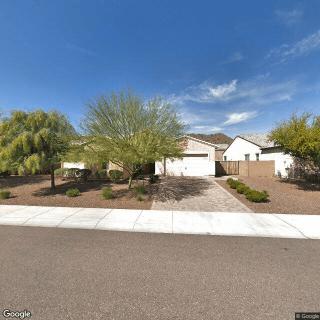
Northlands Assisted Living Home
$2,500 / month8.2 miles away -
from -$200 / mo
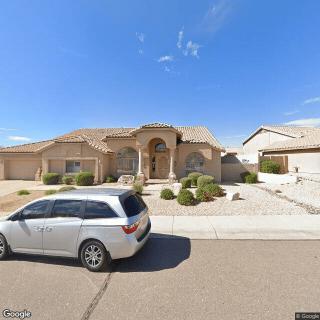
Tatum Ranch Assisted Living
$2,000 to $3,000 / month15.1 miles away -
About the same

Windsor Luxury Assisted Living, LLC
$2,255 to $5,950 / month14.7 miles away -
About the same
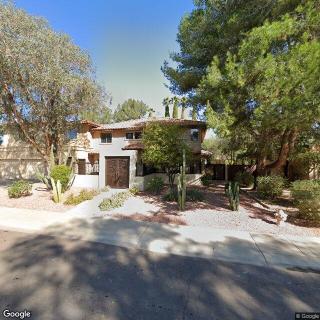
Harts Home - Exceptional Elder Care
$2,225 to $5,500 / month17.1 miles away
Overall Review of Golden Age II
Pros
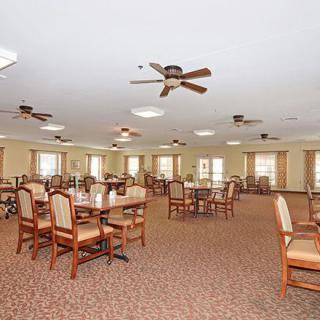
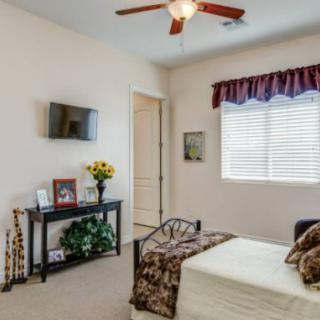
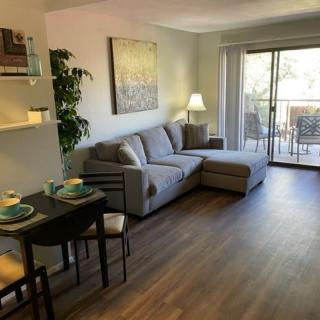
 The home is lovely and bright.
- The home is cheery.
- The owner is professional.
- They provided useful information.
- Two residents were present, suggesting a welcoming environment.
- One resident was interactive, working on a puzzle.
Review
Golden Age II in Glendale is best suited for seniors who want a warm, home-like living environment and place high trust in a small, personally led operation. The space comes across as bright and cheerful, with an owner who presents as professional and attentive. That combination tends to appeal to families seeking a tactile sense of control and a straightforward path to information, rather than a glossy, impersonal footprint. In a quick visit, two residents were observed, one engaged with a puzzle and the other seemingly interactive, suggesting there is some level of activity and social exchange, even in a intimate setting. For those prioritizing a cozily domestic atmosphere and direct access to leadership, this community deliverables align well.
That said, there are clear reasons to consider alternatives. If a family needs stronger on-site medical oversight, a broader activity calendar, or a larger resident pool that fosters more everyday social variety, the lack of visible scale here could be a drawback. Potential residents who require consistent nursing assistance, frequent staff availability, or more formal programming may find this setting too lean. The single-review snapshot provides a favorable impression, but it also highlights the risk of over-reliance on one operator’s demeanor and one short visit to gauge long-term fit. In short, it excels on warmth and clarity but may fall short for those chasing a fuller care ecosystem.
The main pros, the homey ambiance, the cheery environment, and a professional owner who offers useful information, largely compensate for some of the uncertainties that accompany a smaller operation. A bright, inviting house can ease transitions for newcomers and reduce the stress families feel when moving a loved one. The owner’s professionalism helps turn questions into actionable steps, which is invaluable during the decision phase. When the focus is on comfort, predictable routines, and a low-stress onboarding, these positives can outweigh the potential downsides of limited activity options or fewer staff interactions. The key is matching expectations: warmth and clarity versus breadth of programming.
However, the limited visibility into staffing depth, daily schedules, and the precise level of care available is a real caveat. Prospective families should actively verify how many staff are on site at peak times, what levels of care can be delivered on-site (assistance with activities of daily living, medication management, mobility support), and whether licensed nursing personnel are available around the clock or by arrangement. In addition, demand a clear, written activity calendar and examples of resident engagement beyond spontaneous moments observed on a tour. Without those assurances, the favorable impression risks becoming a wish list rather than a reliable forecast of daily life.
For families weighing alternatives, the contrast is meaningful. Larger Glendale assisted living communities typically offer more diversified programming, more residents to socialize with, and more defined care tiers. Memory care or post-acute rehab-oriented facilities might present a better fit for seniors with evolving cognitive needs or those requiring specialized medical supervision. When exploring options, compare pricing structures, what’s included in monthly fees, and what triggers add-on charges. Prioritize clarity on contract terms, move-in protections, and the process for escalating care as health changes, details that are often decisive when the budget and care plan are tightly balanced.
In the end, Golden Age II stands out for those who want a flavorful, intimate living experience with a hands-on, professional owner who communicates openly. It is less suited for families chasing a bustling activity calendar, broad social networks, or robust on-site medical staffing. The decision hinges on matching the resident’s care needs and social preferences with what the community can reliably deliver on a day-to-day basis. Prospective movers should pursue a structured visit that sources information on staffing, care capabilities, and schedule predictability, then compare that picture to nearby alternatives that offer larger communities with formal programming. When alignment exists, the choice becomes clear and actionable.
 Board and Care Home
 Day Program
 Memory Care
 Private
 Phoenix Sky Harbor International (17 miles away)
 Incontinence care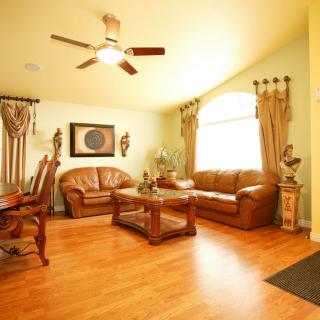

 Illuminating Insights About Alzheimer's Disease: Ten Crucial Realities
 A Thorough Discussion of Medications Potentially Linked to Dementia Risk
 Why Do Dementia Patients Sleep So Much? Understanding Oversleeping, Stages, and Care Approaches