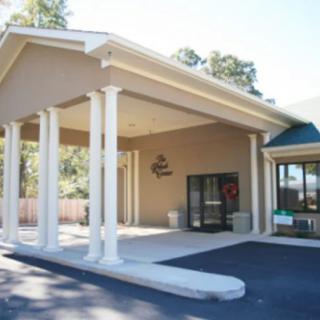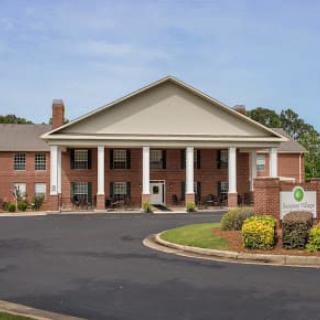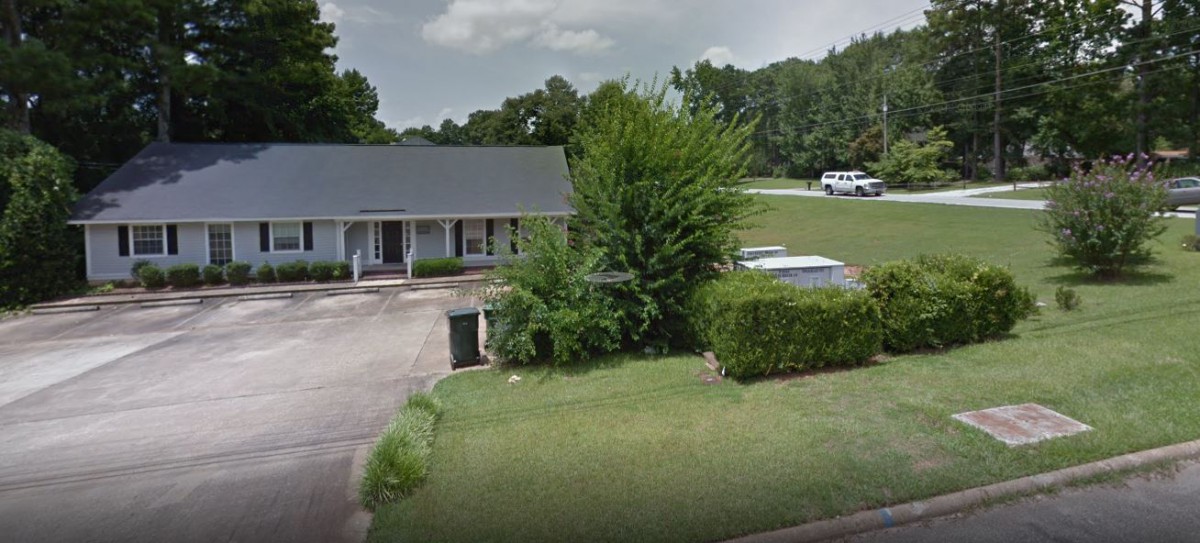
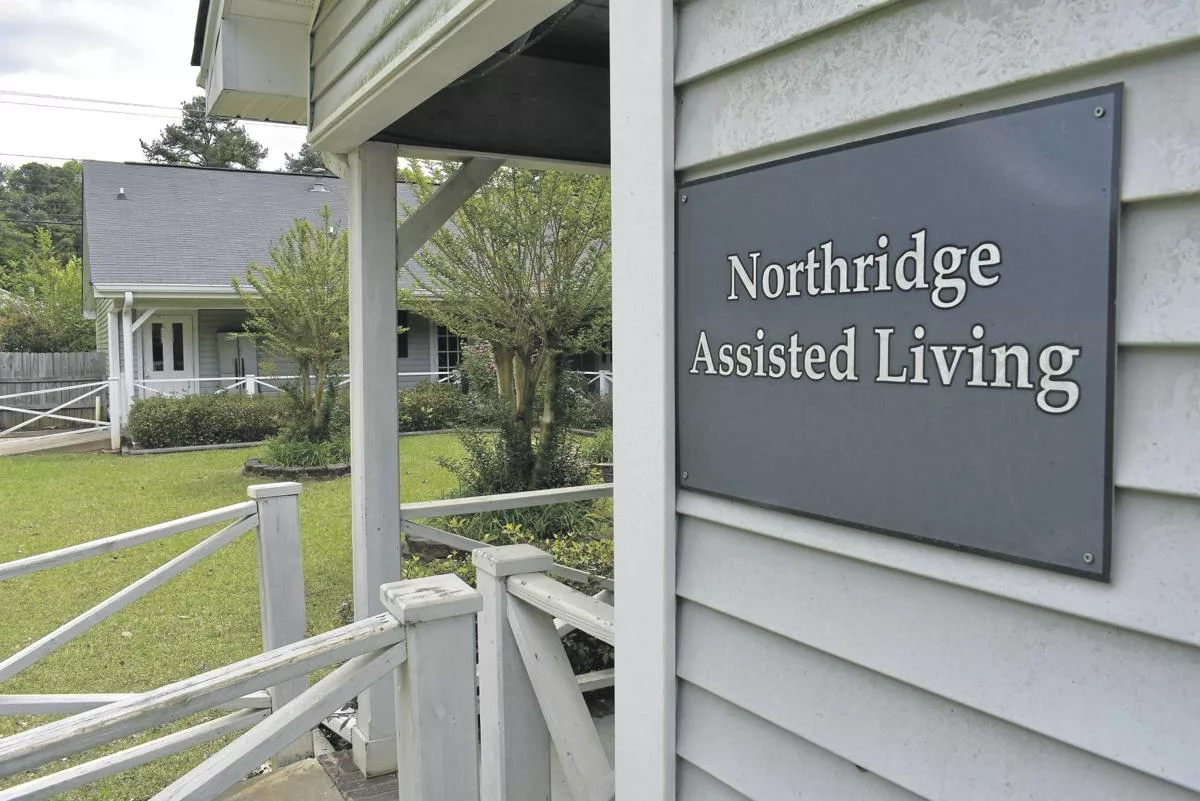
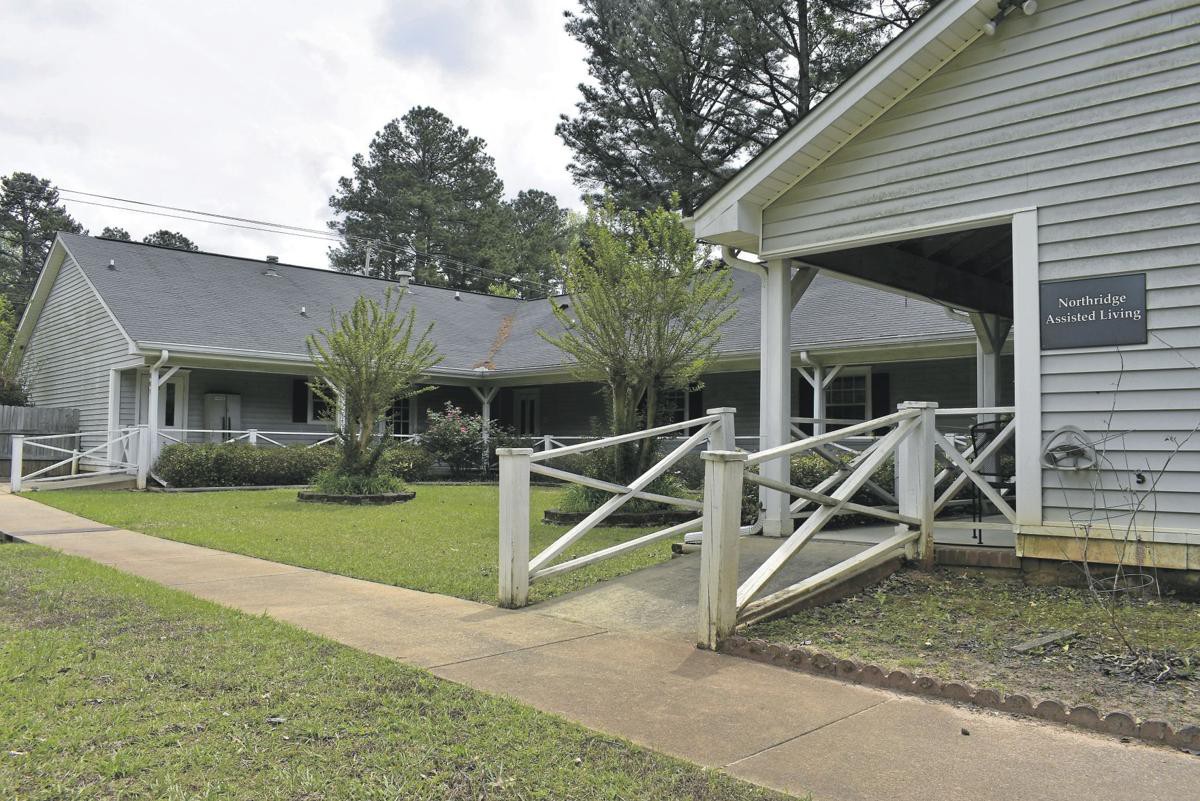
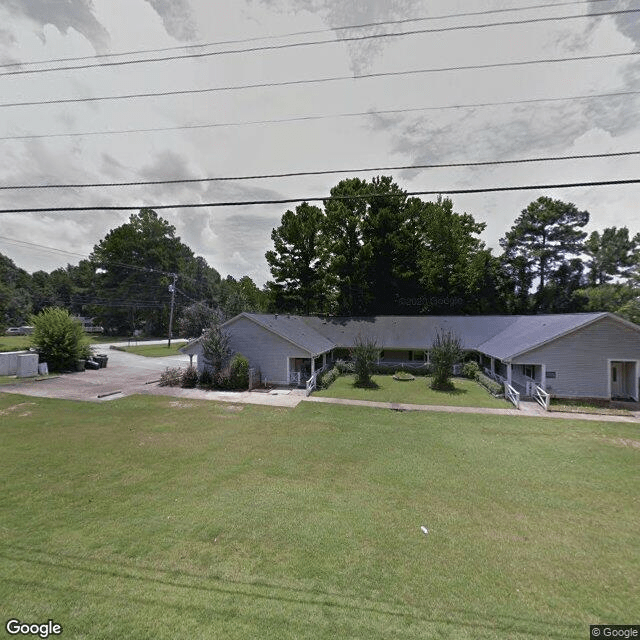
Northridge Assisted Living

Save
Northridge Assisted Living Northridge Assisted Living Northridge Assisted Living Northridge Assisted Living

Northridge Assisted Living

801 Morris Ave, Opelika, AL 36801

For more information about senior living options: (844) 490-3973

5 from 2 reviews
Memory Care

Northridge Assisted Living Costs & Pricing

Northridge Assisted Living offers a studio accommodation priced at $5,000 per month, which is notably higher than the average costs in Lee County, Alabama, where similar studio options range from approximately $3,233 to $3,279. This price reflects the premium services and amenities that Northridge provides, ensuring residents enjoy a comfortable and supportive living environment. While the cost may be higher than local averages, it may be justified by factors such as enhanced care, modern facilities, and a vibrant community atmosphere that could enrich the lives of its residents beyond what more budget-friendly alternatives can offer.

Floor plansNorthridge Assisted LivingLee CountyAlabama
Studio$5,000$3,233$3,279

What level of care are you interested in?

Assisted Living

Memory Care

Independent Living

Skilled Nursing Facility

Continuing Care Retirement Community (CCRC)CCRC

Other


Request a tour at Northridge Assisted Living

    Overall Review of Northridge Assisted Living

    Pros

    • pro The home is very nice.
    • pro It is a place for women who are homeless but have a job.
    • pro Residents have their own special rooms with keys to unlock their doors.

    Cons

    • pro They felt the place was too restrictive and lacked personal autonomy.
    • pro They believed the privacy of their room was not fully respected.
    • pro They thought the facility was poorly maintained and uncomfortable.
    • pro They felt unsafe or insecure at times.
    • pro They believed the support services were insufficient to help with stability and employment goals.

    Review

    A place designed for women who are homeless but have jobs presents a powerful blend of stability and dignity. It centers on the idea that work and security can go hand in hand, offering residents a chance to recover a sense of normalcy even while their housing situation remains challenging. The concept feels hopeful: a home-like setting that recognizes the realities of balancing employment with the daily uncertainties of homelessness, and responds with a thoughtful structure that supports both.

    One of the most defining features of this kind of residence is the personal space it provides. Each resident has her own room, a private sanctuary that can be secured with a key. That small detail - the ability to lock a door and call a space one's own - can transform daily life. It means privacy after a long shift, a place to store belongings safely, and the freedom to rest without the immediate pressure of shared, open spaces. It signals respect for personal autonomy and a commitment to dignity, letting residents reclaim control over at least a portion of their lives.

    Beyond the private rooms, the home typically fosters a sense of community while preserving individual boundaries. Common areas - kitchens, lounges, perhaps a quiet corner for interviews or studying - offer opportunities for interaction, mutual support, and practical collaboration. Residents can share tips about managing work schedules, budgeting, or navigating services, while still enjoying the quiet, personal space they need when the day is done. This balance between connection and privacy can be especially meaningful for women who are new to steady employment or still navigating the path toward financial independence.

    The daily routines in such a residence are often designed to reinforce stability. There is structure - rules that keep the environment orderly, routines that help residents manage time, and resources that support job retention and skill-building. Having a solid, secure home base can reduce the stress that comes with juggling job responsibilities and housing insecurity. With a reliable place to rest, residents may find it easier to show up on time, maintain their performance at work, and plan for the future with a clearer head and fewer immediate worries.

    Emotional and practical benefits tend to grow together in this kind of setting. A nice, well-maintained home reduces the weariness that comes from living outdoors or in unsafe spaces. It can restore a sense of normalcy, improve mood, and bolster self-esteem. When residents know they have a reliable roof over their heads and a door they can lock at night, they often feel more empowered to pursue opportunities - whether that means seeking additional job training, applying for higher-wage positions, or simply saving money for the next step in their lives. The stability of housing becomes a platform for progress rather than a barrier.

    Of course, any program like this also comes with challenges that require thoughtful design and compassionate oversight. It needs clear expectations, fair enforcement of rules, and access to supportive services - case management, counseling, financial coaching, and connections to healthcare or childcare as needed. Residents may still face barriers related to past trauma, health, or gaps in work history, so the housing environment must be paired with strategies that address those needs. When guided by skilled staff and informed by residents themselves, the balance between safety, independence, and community can help women not only survive but begin to thrive.

    In the larger picture, a home that serves employed women who are experiencing homelessness stands as a meaningful bridge between shelter and self-sufficiency. It offers a rare combination: the warmth and security of a house with the autonomy of a private room, all tailored to the realities of women who are managing work, finances, and personal resilience. The beauty of such a place lies not only in its physical comfort but in its potential to transform daily life - turning a fragile situation into a steady foundation from which to build a brighter, more stable future.

    Features

    Types of Care

    • Memory Care Memory CareMemory care is crucial for seniors as it provides specialized support and services for individuals with dementia or Alzheimer's disease. These programs offer a safe and secure environment where residents receive personalized care, cognitive stimulation, and help with daily activities. Memory care helps seniors maintain their independence, quality of life, and dignity while also providing peace of mind for their families.

    Amenities

    • Activities on-site Activities on-siteActivities on-site are important for seniors because they provide opportunities for socialization, mental stimulation, physical activity, and overall well-being. Engaging in activities can help seniors stay active, maintain their independence, and improve their quality of life.
    • Devotional services off-site Devotional services off-siteDevotional services off-site are important for seniors as they provide spiritual nourishment, social engagement, and a sense of community outside of the senior living facility. This can enhance overall well-being and help combat feelings of isolation and loneliness often experienced by older adults.
    • Indoor common areas Indoor common areasIndoor common areas are crucial for seniors as they provide a space for socialization, recreation, and community engagement, promoting overall well-being and reducing feelings of isolation and loneliness.

    Care Services

    • Ambulatory care Ambulatory care"Ambulatory care services provide essential medical support and treatment to seniors without requiring hospitalization, allowing them to maintain their independence and quality of life while managing chronic conditions or receiving routine medical care."
    • Diabetic care Diabetic careDiabetic care is crucial for seniors as they are more susceptible to developing diabetes due to aging and other health conditions. Proper management of diabetes can help prevent complications such as heart disease, vision loss, and nerve damage, improving the overall quality of life for seniors in senior living communities.
    • Incontinence care Incontinence careIncontinence care is essential for seniors to maintain their dignity, hygiene, and overall quality of life. By addressing incontinence issues promptly and effectively, seniors can enjoy a sense of independence and comfort in their daily activities.

    Dining

    • Meals provided Meals provided"Meals provided" are crucial for seniors in assisted living communities as it ensures they have access to nutritious, balanced meals without the stress of meal planning and preparation. This can help promote overall health and well-being for seniors who may have limited mobility or cognitive abilities.

    Activities

    • Activities on-site Activities on-siteActivities on-site are important for seniors because they provide opportunities for socialization, mental stimulation, physical activity, and overall well-being. Engaging in activities can help seniors stay active, maintain their independence, and improve their quality of life.
    • Devotional activities offsite Devotional activities offsiteDevotional activities offsite are important for seniors because they provide social engagement, spiritual growth, and a sense of community outside of their living environment. This can improve overall well-being, mental health, and combat feelings of isolation or loneliness.

    Description

    Northridge Assisted Living in Opelika, AL is a vibrant and welcoming community that offers a range of amenities and care services to promote the well-being and independence of our residents. Our spacious indoor common areas provide a comfortable space for socializing, relaxing, and participating in various activities.

    We understand the importance of spiritual well-being, which is why we offer devotional services off-site for our residents who wish to engage in religious practices. Our compassionate team also provides specialized care for individuals with diabetes or incontinence, ensuring their health needs are met effectively.

    Engaging in activities is an essential part of life at Northridge Assisted Living. We organize devotional activities offsite, allowing our residents to remain connected to their faith communities and enjoy fulfilling experiences outside the community.

    Our prime location ensures convenience for our residents. With two cafes nearby, they can easily meet friends or family for a delightful meal or simply have a quick bite. There are also several parks where our residents can enjoy fresh air and recreational opportunities. For any medical needs, there are five pharmacies and 22 physicians located close by, providing easy access to healthcare services.

    When it comes to dining options, Northridge Assisted Living benefits from being surrounded by 22 restaurants offering diverse cuisines to cater to every palate. Residents can savor delicious meals while enjoying time with loved ones or fellow community members.

    For those seeking spiritual enrichment, there is a place of worship conveniently located nearby where residents can attend services and connect with their beliefs.

    In case of any medical emergencies or routine check-ups, there is also a hospital within close proximity providing peace of mind to both residents and their families.

    At Northridge Assisted Living in Opelika, AL, we strive to create an inclusive environment where all residents feel supported and cherished while enjoying convenient access to essential amenities and comprehensive care services.

    Nearby Places of Interest

    This area of Opelika, Alabama provides easy access to essential services such as pharmacies, restaurants, physicians, parks, places of worship, cafes, hospitals, and transportation options. With multiple pharmacies and medical facilities nearby, seniors can feel assured that their healthcare needs will be taken care of. In addition, there are various dining options ranging from fast food to more upscale establishments like Red Clay Brewing Company. Parks such as West Ridge Park offer opportunities for outdoor recreation and relaxation. The proximity to the East Alabama Medical Center ensures quick access to healthcare services in case of emergencies. Overall, this part of Opelika offers convenience and a range of amenities that cater to the needs of seniors looking for a comfortable living environment.

    Pharmacies

    • Winn-Dixie (1.6 miles)
    • Bubba's Pharmaceutical Care (1.9 miles)
    • Thomas Pharmacy (2.9 miles)
    • CVS Pharmacy (3.1 miles)
    • Walgreens (3.2 miles)
    • Walmart Pharmacy (5.4 miles)
    • CVS Pharmacy (5.4 miles)

    Restaurants

    • Burger King (1.9 miles)
    • Red Clay Brewing Company (2.1 miles)
    • Wendy's (2.2 miles)
    • Butcher Paper BBQ (2.6 miles)
    • Captain D's (2.9 miles)
    • Susie K's (3 miles)
    • Checkers (3.1 miles)

    Physicians

    • Premier OB/GYN (2.2 miles)
    • Pediatric Clinic (2.9 miles)
    • Kevin Jackson ,MD (2.9 miles)
    • Cancer Center of East Alabama (3 miles)
    • Eamc Inpatient Psychiatric Services (3 miles)
    • Obiekwe Njideka MD FACOG (3 miles)
    • East Alabama Orthopaedics & Sports Medicine (3.1 miles)

    Parks

    • West Ridge Park (2.6 miles)

    Places of Worship

    • New Life Christian Center (2.9 miles)
    • Lakeview Baptist Church (6.1 miles)

    Cafes

    • Taste of Asia (4.3 miles)
    • Starbucks (4.4 miles)
    • Panera Bread (5.3 miles)

    Hospitals

    • East Alabama Health Care Authority (5 miles)
    • East Alabama Medical Center (6.1 miles)

    Transportation

    • Auburn University Regional Airport (AUO) (5.3 miles)
    • Enterprise Rent-A-Car (6.3 miles)

    Frequently Asked Questions

    How much does it cost to live at Northridge Assisted Living in Opelika, AL?
    Where is Northridge Assisted Living?
    Does Northridge Assisted Living provide care for residents with dementia or Alzheimer's disease?
    What photos are available for Northridge Assisted Living in Opelika, Alabama?

    Nearby Communities

    Memory care in Nearby Cities

    Related Resources

    • sundown syndromeComprehending Evening Confusion in Dementia: Causes, Manifestations, and Support

      Sundown syndrome, or sundowning, is a phenomenon in dementia patients characterized by increased confusion and agitation during late afternoon and evening, influenced by factors like disrupted circadian rhythms and fatigue. Effective caregiver strategies include establishing routines and managing environmental light while addressing caregiver stress through support services.

    • delirium vs dementiaDelirium and Dementia: Unraveling the Key Differences

      Delirium is a rapidly onset, reversible cognitive disturbance often caused by acute medical issues, while dementia is a gradual and irreversible decline due to chronic neurodegenerative diseases. Accurate differentiation between the two is essential for appropriate treatment and management in older adults.

    • can you die from dementiaAre Dementia and Alzheimer's Disease Lethal? A Comprehensive Exploration

      Dementia, including Alzheimer’s disease, is often mischaracterized in terms of lethality as it leads to complications that can be fatal rather than being a direct cause of death; it causes a progressive decline in cognitive and physical health, making patients vulnerable to infections and other health crises. Effective management of nutrition, hydration, and communication is crucial in patient care, with palliative care becoming vital in advanced stages to enhance comfort and quality of life while caregivers play a key role amidst the challenges posed by the disease.


    Get Pricing Ask A Question Schedule A Tour Contact Senior Advisor