

1001 Fox Run Parkway, Opelika, AL 36801
To contact a resident: (334) 749-7992
For more information about senior living options: (866) 208-4318
The Harbor at Opelika Costs & Pricing
The Harbor at Opelika offers competitive pricing for its accommodations, particularly when compared to the average costs in Lee County and across Alabama. For a studio apartment, residents can expect to pay $2,650 per month, significantly lower than the county's average of $3,233 and the state's average of $3,279. Similarly, the one-bedroom option is priced at $2,800, again more affordable than Lee County's average of $3,470 and slightly less than Alabama's average of $3,417. These rates reflect The Harbor's commitment to providing quality living options that are both accessible and budget-friendly within the region, making it an attractive choice for potential residents seeking comfortable and economical housing solutions.
| Floor plans | The Harbor at Opelika | Lee County | Alabama |
|---|---|---|---|
| Studio | $2,650 | $3,233 | $3,279 |
| 1 Bedroom | $2,800 | $3,470 | $3,417 |
Memory care communities with a similar price nearby
-
About the same

Valley Park Manor
$2,600 to $4,400 / month16.1 miles away -
from +$345 / mo

Camellia Place At Auburn Medical Park
$2,995 to $4,395 / month6.0 miles away -
from +$245 / mo

Summer Village at Magnolia Place
$2,895 to $4,095 / month5.5 miles away -
from -$450 / mo
Manor House of Columbus
$2,200 to $3,000 / month22.6 miles away
Overall Review of The Harbor at Opelika
Pros
 The Harbor's staff are very attentive and loving.
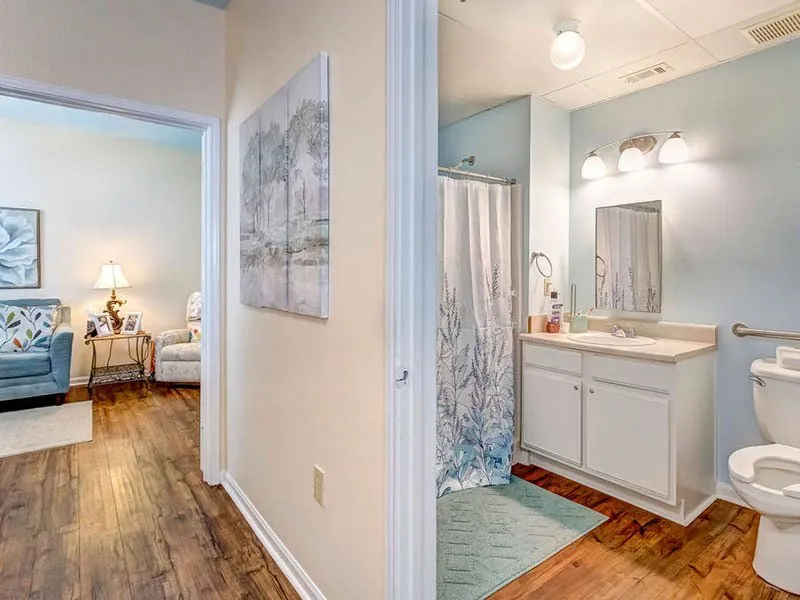
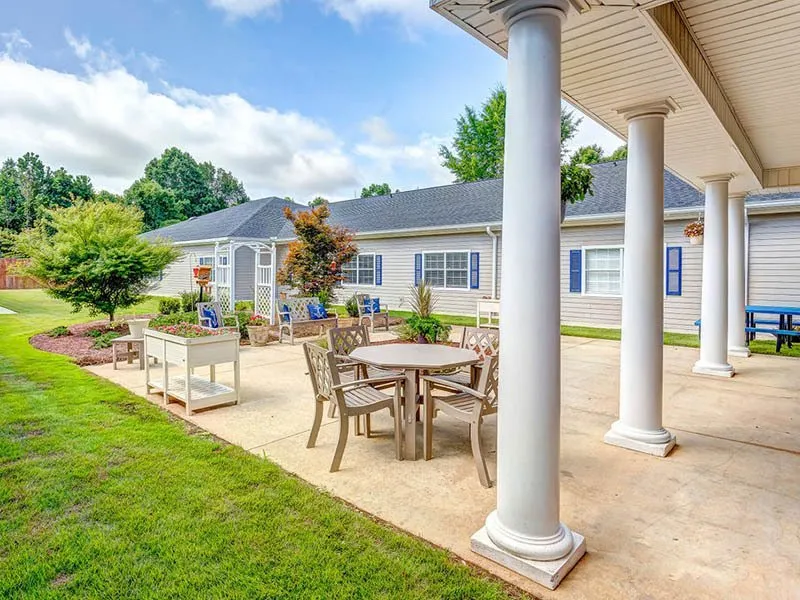
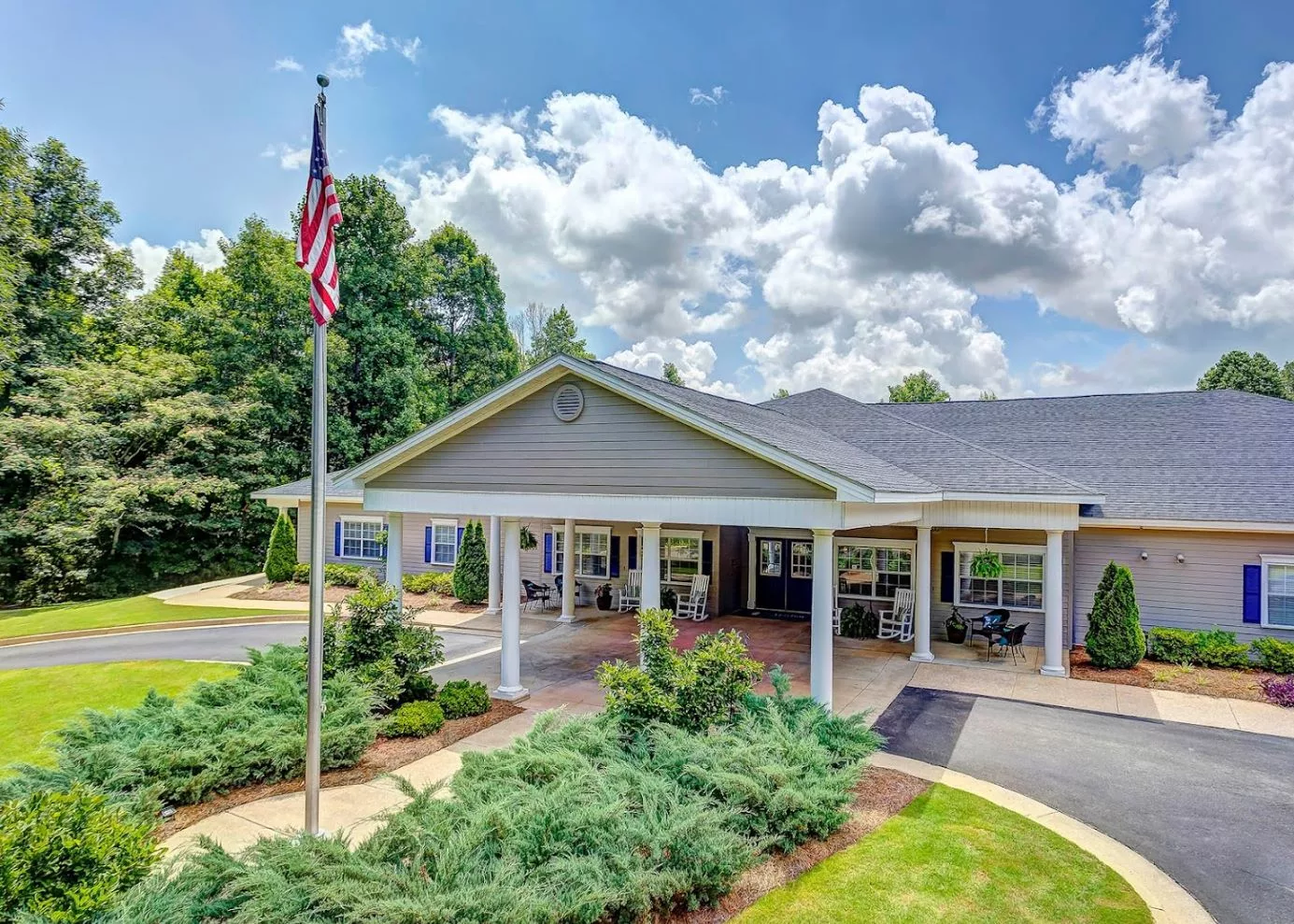
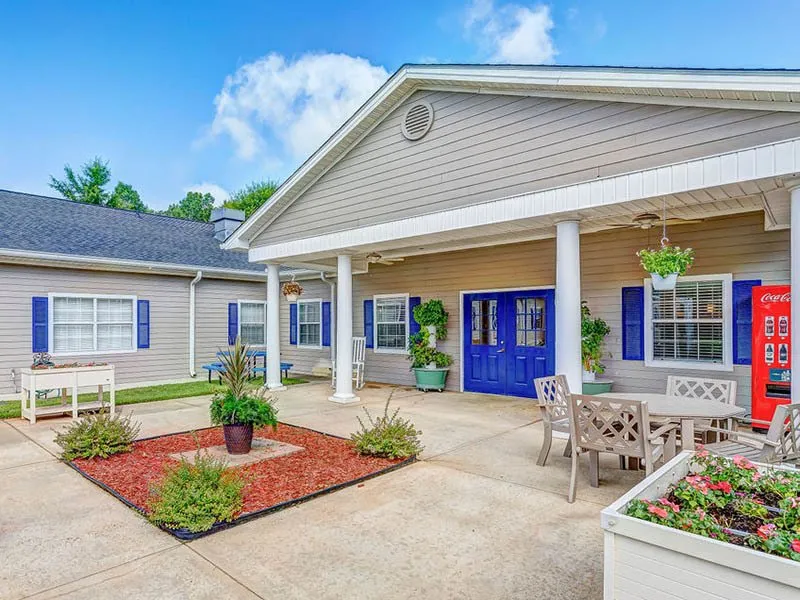
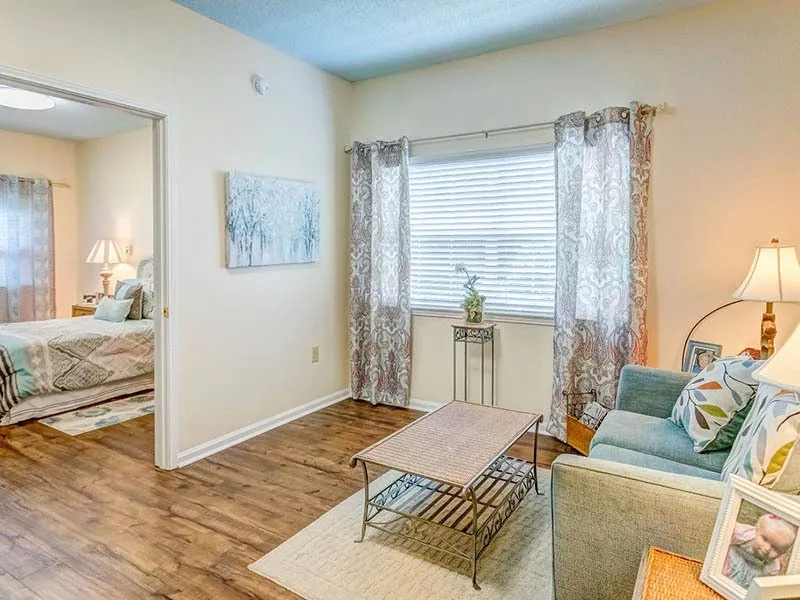
- The Harbor offers great meals and activities, with a clean, beautiful setting and nice rooms.
- The Harbor makes residents feel loved and well cared for and comes highly recommended.
- The Harbor is beautiful, peaceful, and calm.
- The Harbor provides on-site medical staffing (PAs/NPs), making care easier for families.
- The Harbor feels like a home with staff who treat residents like family.
- The Harbor is a cut above other options in Opelika.
- The Harbor has excellent nursing staff and compassionate caregivers, maintaining a pleasant and cheerful environment.
Cons
 The Harbor is described by one reviewer as having horrible management.
- Another reviewer notes that the facility they left for The Harbor was supposed to be premier in Auburn but resulted in five ER visits in nine weeks, suggesting poor care there.
Review
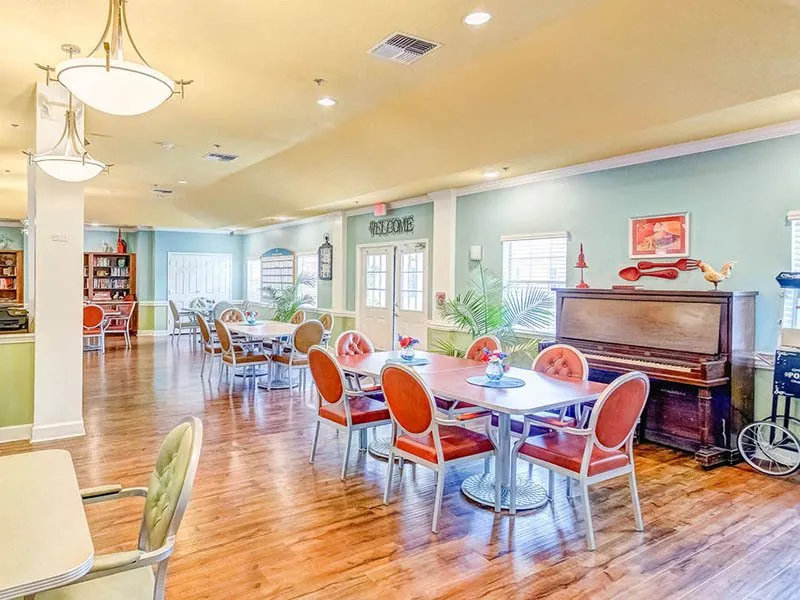
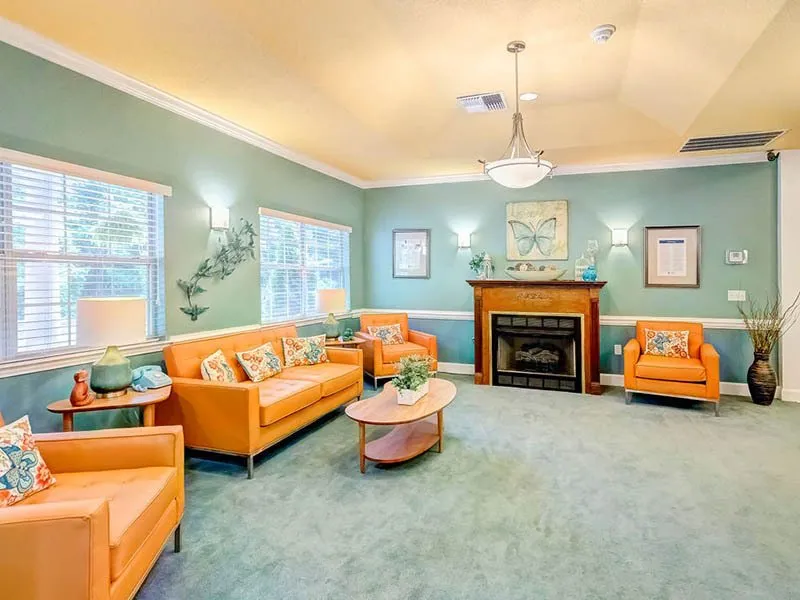
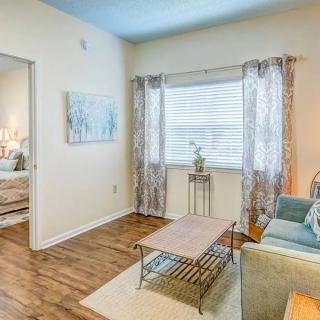
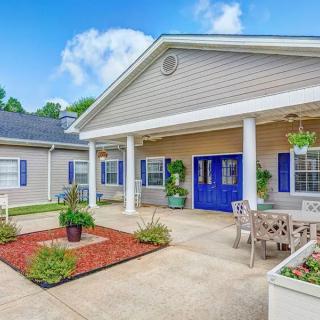
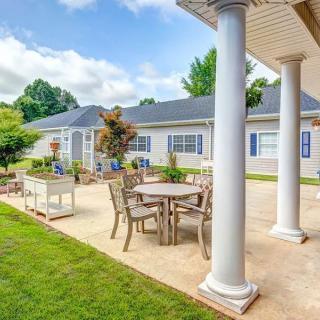
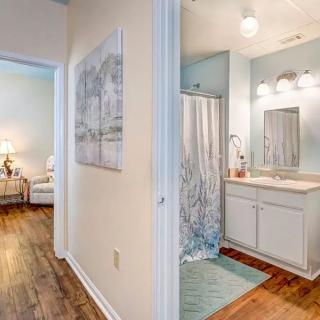
The Harbor at Opelika is best suited for families seeking an intimate, dementia-focused memory-care environment where care feels personal and consistent. This community shines when a loved one benefits from steady daily structure, calm surroundings, and staff who know residents by name. With about 32 residents, the setting never feels crowded, and pathways are easy to navigate, essentials for memory care. Leadership is hands-on, and nursing oversight feels accessible, which matters in daily life and in transitions. In short, Harbor is a practical home for someone who wants high-touch dementia care within a small, well-organized footprint.
Family members evaluating Harbor should also consider alternatives if a loved one needs broader clinical acuity or a larger campus with more robust rehab services. Harbor’s model centers on memory-care expertise and meaningful engagement, but it is not described as a large-scale, hospital-like environment. Those who expect frequent physician visits routed through an on-site clinician or who want a wide array of specialized therapies available on demand may find options elsewhere more aligned with those needs. For dementia-heavy cases where medical complexity is high or where a more active social ecosystem is desired, exploring other Opelika/Auburn-area communities is prudent.
The strongest positives are concrete and consistent: warm, attentive staff who treat residents with real kindness, a home-like atmosphere, and a robust slate of activities. Residents enjoy well-prepared meals, purposeful routines, and engagements that span devotional time, walking, music, and memory-focused activities designed to stimulate cognition and mood. The presence of on-site medical oversight, PAs or NPs, reduces the burden of constant outside doctor visits and can accelerate attention to health changes. Executive leadership, particularly Sharon Lee, is repeatedly described as accessible and responsive, which translates into smoother transitions and clearer communication for families. Taken together, these elements create a dependable environment where memory-care needs are managed with competence and empathy.
Where some feedback cautions about harboring management realities, the broader picture is decisively favorable. One review labeled management as “horrible,” yet multiple families emphasize proactive leadership, transparent communication, and partnership with families. That divergence underscores a real-world dynamic: a small campus can magnify perceptions of leadership, for better or worse. The practical takeaway is to visit and observe how the team responds in real time, because day-to-day experiences, calm rooms, clean spaces, consistent caregivers, tend to corroborate the more positive reports. In short, the management variable appears manageable when firsthand interactions confirm dependable, compassionate leadership.
When making a decision, practical diligence matters as much as sentiment. Prospective residents should verify the current staff-to-resident ratios, ask to review a typical week of activities, and confirm how memory-focused programs are designed and scaled as needs evolve. It is essential to clarify how care plans adapt to progressive dementia, particularly how transitions to higher levels of medical oversight are managed and communicated. The intimate size supports personalized attention and safety, but it may limit breadth in programming compared with larger campuses. Confirming on-site medical cadence and knowing who coordinates medical care will prevent unwelcome surprises later.
Overall, The Harbor at Opelika represents a strong, practical fit for families prioritizing dementia-specific care in a calm, family-like setting. For many residents, Harbor delivers warmth, stability, and skilled hands that make daily life navigable. The credible on-site medical oversight and a responsive leadership team provide reassurance that common anxieties are addressed with competence. For those whose loved one requires a broader clinical footprint or a more dynamic, large-community environment, exploring alternatives in the Opelika/Auburn area is sensible. The next step is a focused visit: meet the staff, especially the executive leadership, observe care interactions with residents, review the care-planning process, and verify access to needed medical oversight. This approach yields a clear read on whether Harbor is the right long-term home.
 Assisted Living
 Memory Care
 Activities on-site
 Devotional services off-site
 Indoor common areas
 Ambulatory care
 Diabetic care
 Meals provided



 Understanding Dementia Behaviors: Practical Insights and Strategies for Caregivers
 When Dementia Sparks Anger and Aggression: Understanding the Connection and Ways to Cope
 Dementia Behaviors: In-Depth Understanding and Effective Coping Strategies