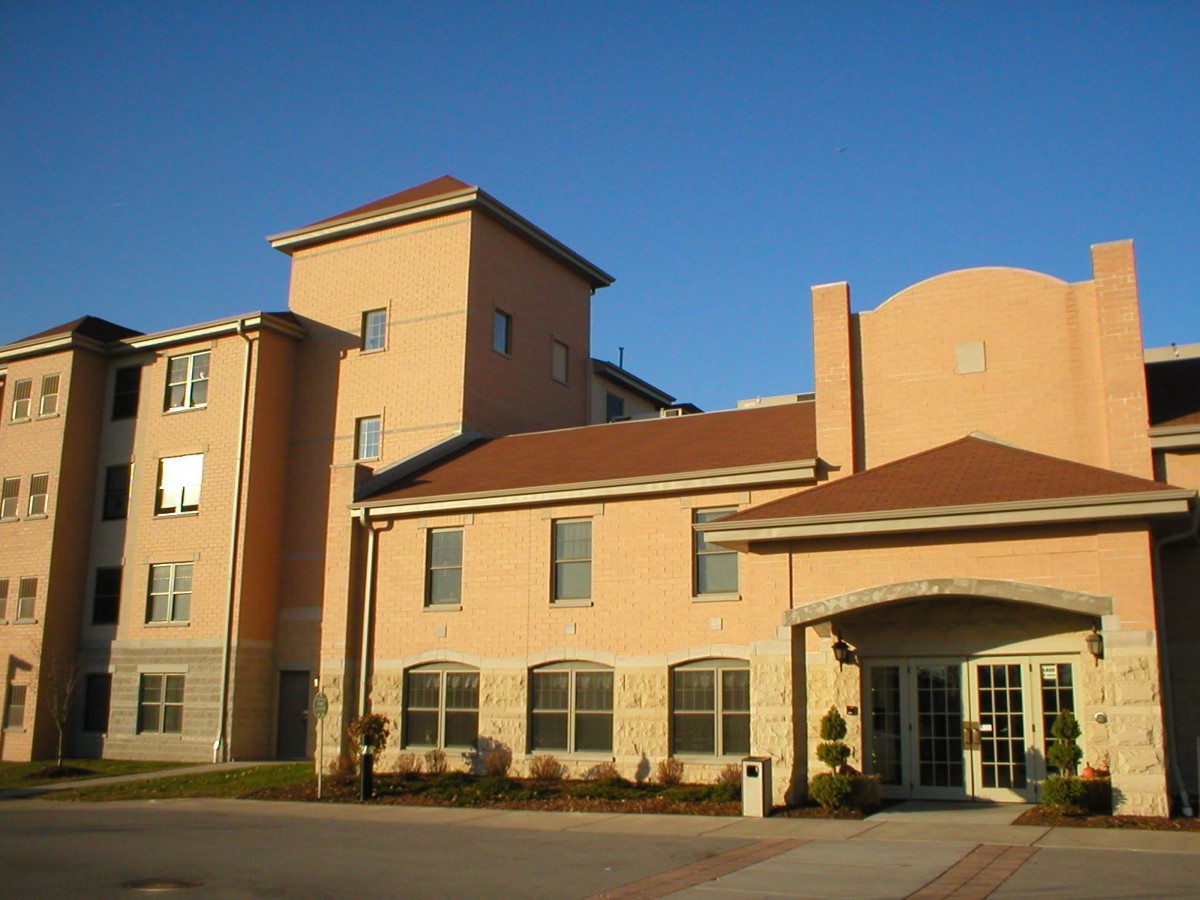






1400 W. Sonata Drive, Milwaukee, WI 53221
To contact a resident: (414) 281-2450
For more information about senior living options: (866) 208-4318
The Chopin at Wilson Commons Costs & Pricing
The Chopin at Wilson Commons offers competitive pricing for its residents, particularly when compared to both Milwaukee County and the broader state of Wisconsin. For instance, a one-bedroom unit is available at $1,045 per month, which represents a significant saving compared to the county average of $3,057 and the state average of $3,412. Similarly, for those considering more space, the two-bedroom apartments at The Chopin are priced at $1,230 monthly - again a strikingly lower rate than Milwaukee County's average of $2,654 and the state's average of $3,111. This appealing cost structure positions The Chopin as an attractive option for individuals seeking quality living arrangements without compromising their financial wellbeing.
| Floor plans | The Chopin at Wilson Commons | Milwaukee County | Wisconsin |
|---|---|---|---|
| 1 Bedroom | $1,045 | $3,057 | $3,412 |
| 2 Bedrooms | $1,230 | $2,654 | $3,111 |
Independent Living communities with a similar price nearby
-
from -$50 / mo

Regency Brookfield
$995 to $3,845 / month12.0 miles away -
from +$40 / mo
Heritage Place Brookfield, LLC
$1,085 to $1,375 / month11.9 miles away -
from -$69 / mo
Avalon Square
$976 to $2,280 / month15.4 miles away -
from -$51 / mo

Forest Ridge
$994 to $1,010 / month6.6 miles away -
from +$155 / mo

StoryPoint Mequon
$1,200 to $1,950 / month17.6 miles away
Overall Review of The Chopin at Wilson Commons
Pros
 They liked the people.
- The place seemed nice.
- The facility looked really clean.
- The staff was friendly.
Cons
 The addons made the price too expensive.
- The overall cost seemed high because extras were priced separately.
- It was pretty expensive.
- Availability was limited when they were initially looking.
- They didn’t feel like they would be comfortable there.
Review
The Chopin at Wilson Commons in Milwaukee is best suited for seniors who prize a refined, well-kept environment and a warm, responsive staff, and who can tolerate a premium price for an upscale living experience. It suits families that value cleanliness, a calm and orderly community, and a personable front-line team over a tightly controlled budget. Those who can accommodate a wait for availability and who view service quality and ambiance as central to daily life will find this community appealing. It is less appropriate for anyone needing rapid placement or a clearly predictable, all-inclusive pricing structure.
Those who should seriously consider alternatives include price-conscious families or individuals who require tight cost control and predictable monthly bills. The reviews point to a pricing model built on add-ons, which can push total costs well beyond initial impressions of affordability. If immediate availability is a priority or if a shorter, simpler path to move-in is essential, other communities with stronger assurances around vacancies may serve better. For residents with uncertain or evolving care needs, a setting that provides clearer, all-in-one value and a more explicit care profile may be preferable.
On balance, the strongest positives, cleanliness, a welcoming atmosphere, and friendly staff, matter in reducing the stress of transition and supporting smooth daily living. A well-maintained facility and courteous team can significantly soften the adjustment period, and those elements are clearly present at The Chopin. Yet these advantages do not fully offset the primary drawbacks: a pricing structure that inflates the monthly bill with multiple add-ons and a limited inventory that hinders timely decision-making. In practical terms, the overall value hinges on whether the perceived quality justifies the stacked costs.
The price issue is the central friction. Although initial impressions may place the option in the affordable range, the reality of separate charges for meals, parking, utilities, internet, and laundry can push the total well past what many families expected. That “sticker shock” matters because it directly affects long-term affordability and can redefine the decision from “nice-to-have” to “good-to-pass.” When affordability is a moving target, the community’s appeal relies on transparent, predictable pricing, which the current structure makes harder to lock in.
Availability compounds the challenge. Multiple reviewers noted limited openings at the outset, which delays planning and can force families to keep shopping or pivot to other locations. In a market where delay translates into greater uncertainty, especially for households balancing care needs with moving logistics, this is a meaningful constraint. The combination of cost complexity and scarcity means that a compelling first impression may not translate into a practical, timely placement for many prospective residents.
Actionable steps separate the signal from the noise. First, demand a fully itemized budget that spells out every add-on and the true all-in monthly cost, then benchmark that against other Milwaukee communities with similar levels of care and amenities. Obtain a current sample menu and specifics on dining options, plus clear policies for parking and what utilities cover. Schedule a focused follow-up tour aimed at resident life, staffing consistency, and how daily routines would align with individual expectations. If affordability or immediacy is non-negotiable, shift attention to alternatives with more transparent pricing and quicker availability; if the upscale ambiance and the friendliness of the team align with the family’s tolerance for cost, The Chopin at Wilson Commons remains a credible, if pricey, contender.
 Independent Living
 Cats allowed
 Dogs allowed
 Activities off-site
 Bath tubs
 Beautician on-site
 Devotional services on-site
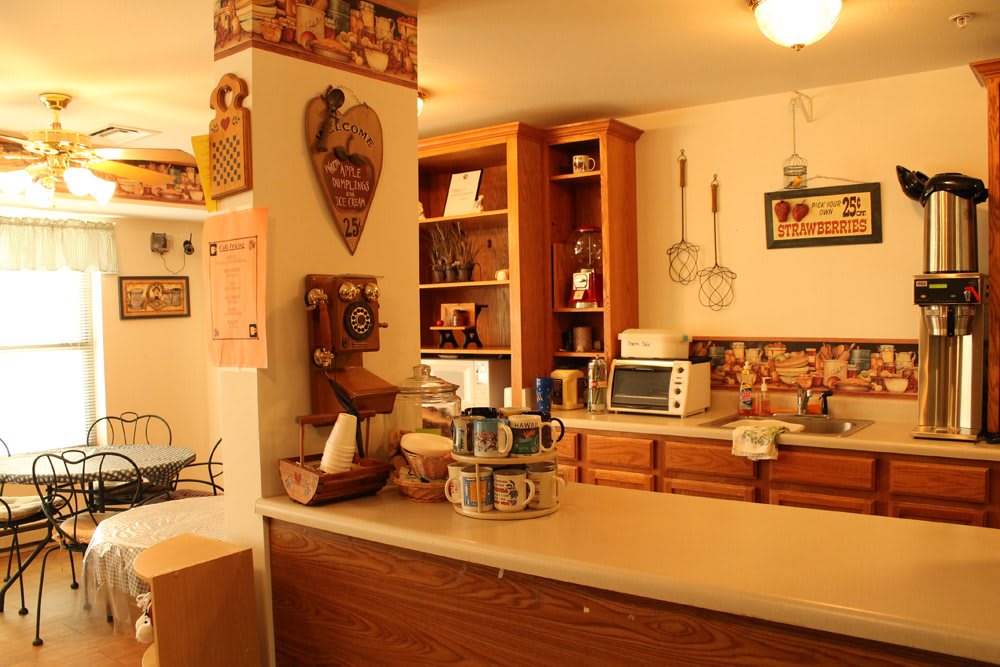
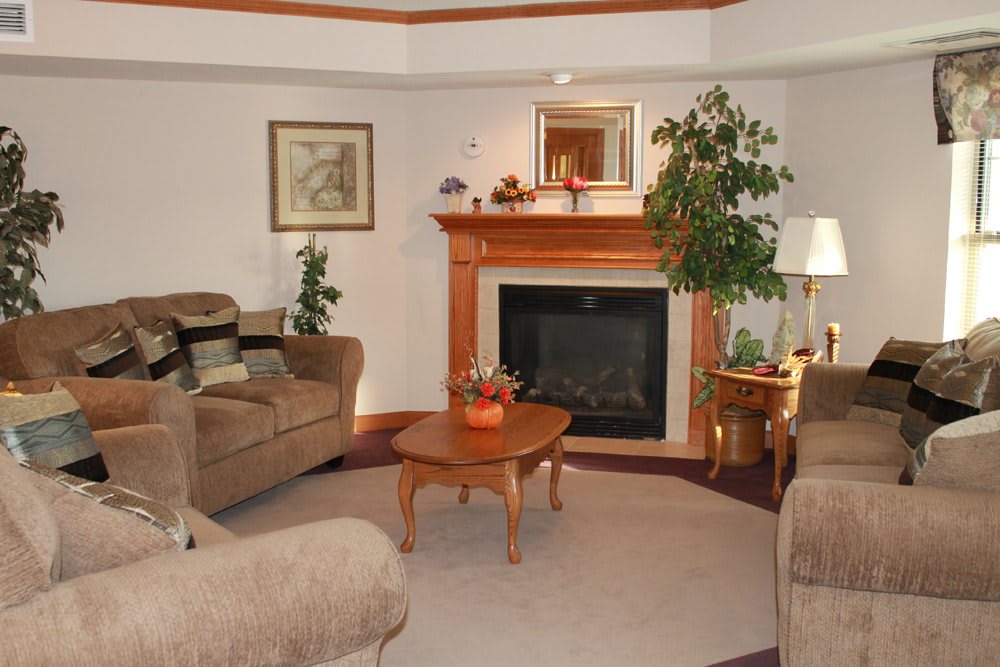
 Indoor common areas
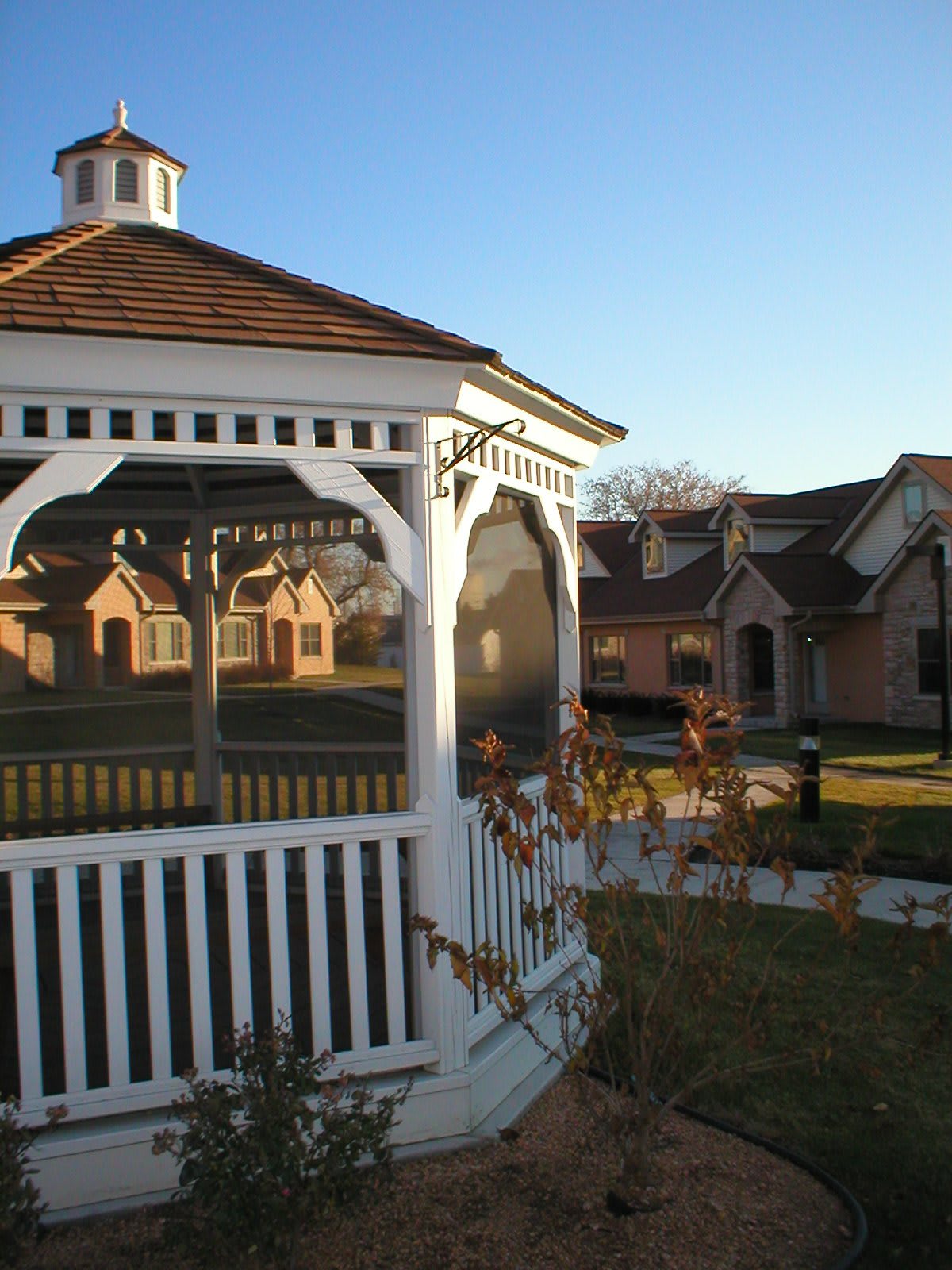
 Outdoor common areas
 Wheelchair accessible showers
 General Mitchell International (2 miles away)
 Meals provided




 Understanding the Sandwich Generation: Stress and Responsibilities for Multigenerational Caregivers
 8 Essential Assistive Devices for Older Adults
 Navigating the Financial Road to Nursing Home Care: In-Depth Guidance and Resources