
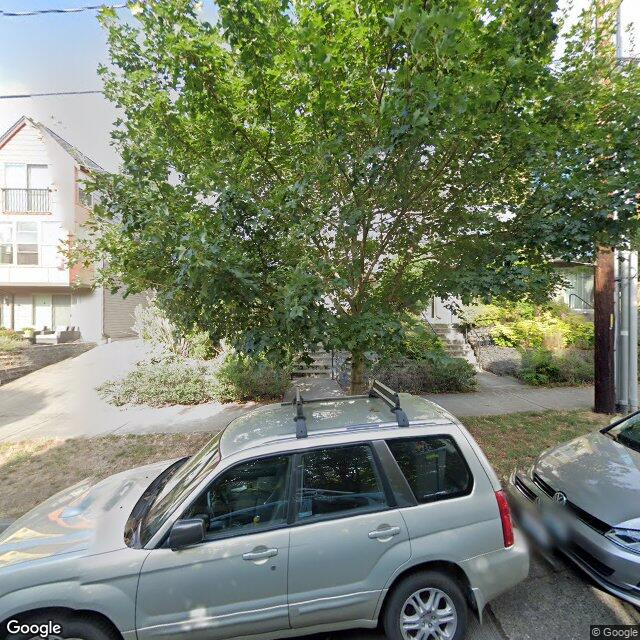
3433 Meridian Ave N, Seattle, WA 98103
To contact a resident: (206) 632-3432
For more information about senior living options: (866) 208-4318
Overall Review of Northlake CCF
Pros
 The staff are described as nice.
- Dr. Lee is described as gentle, precise, and professional.
- The patient felt cared for by the doctors and that they spent time answering questions.
- The care provided has been very good.
- Receptionists have been kind and offered extra advice.
- Dr. Mar and the other doctors are phenomenal.
- The reviewer would absolutely recommend the clinic.
Cons
 They faced frequent last-minute appointment cancellations, which was very disappointing.
- They hate this place and feel they receive awful care.
- The receptionist was described as very rude and loud, and customers left because she didn’t provide information; she should be fired or retrained.
- There were long wait times and rude receptionists.
- They are against prescribing scheduled drugs, except Suboxone.
- The doctors were criticized for not listening and rushing patients, leading to inadequate treatment.
- One reviewer said going there was a waste of time because the doctors didn’t listen, suggesting urgent care instead.
Review
Northlake CCF in Seattle is best suited for adults who want a straightforward, clinically attentive experience from physicians who can spend time answering questions and outlining options, and for families who value a solid, well-kept facility with generally friendly staff. The community tends to reward those who can tolerate some scheduling roughness in exchange for the reassurance of thoughtful clinicians who actually engage in conversation and explain treatment choices. It is especially reasonable for seniors who appreciate a building with a calm, navigable layout and staff who are courteous on the whole, and for patients who do not require rapid-fire responses or constant, last-minute access to appointments. For someone seeking a consistently punctual practice where every visit unfolds exactly on schedule, this is not the first choice.
Those who should seriously consider alternatives are caregivers and patients who must rely on dependable, on-time access to care. If pediatric needs drive the schedule, or if urgent, decisive treatment decisions are frequently required, the variability in appointment timing and the mixed experiences with communication can be a hurdle. Prospective families facing ongoing issues that demand rapid adjustments, whether promptly refilling a critical medication, receiving clear directions on escalating symptoms, or dealing with frequent lab work, will likely want a setting with tighter scheduling discipline and more consistently responsive reception. Additionally, anyone who has encountered rude front desk interactions or who places a premium on streamlined, predictable access to care may find the experience here inconsistent enough to warrant looking elsewhere.
The strongest positives, the physicians who listen, explain, and demonstrate care, do carry real weight. In several accounts, patients describe doctors who were gentle, precise, and genuinely engaged, taking time to address questions and making patients feel heard. The building itself is repeatedly noted as a strong asset, suggesting that a calm, well-maintained physical environment supports the clinical encounter. Reception staff, when they are helpful, can offer practical advantages beyond medical care, including guidance on insurance matters and coordinating follow-up appointments or labs when hiccups occur. When a lab appointment is cancelled, the system has shown the capacity to pivot quickly, a telephone consult and a same-day lab rescheduling illustrate that the clinic can respond efficiently in moments of disruption. These pockets of reliability help offset some frustrations, especially for patients who align with a clinician’s approach and appreciate a meaningful, unrushed dialogue.
Yet the setbacks are substantial enough to shape the overall calculus. The most consistent and disruptive theme is scheduling instability: last‑minute cancellations that erase planned visits, long wait times, and a front-desk experience described as impersonal or even abrasive by some. There is also a notable split in perceived medical attentiveness: a few clinicians are praised for listening and following through, while others are criticized for not fully engaging with concerns, rushing through visits, or sticking with familiar prescriptions without exploring alternatives when they fail. A clear policy stance on controlled substances further complicates care for some patients; the practice’s cautious stance on certain medications means shorter fuses for requests or adjustments, which can leave caregivers feeling unheard when a child or adult’s symptoms persist. The reality is a clinic with real strengths in clinician competence and patient warmth in some encounters, but with enough inconsistency to undermine trust for families who cannot tolerate uneven experiences.
From a practical decision perspective, families should plan around the clinic’s core rhythms. If a preferred physician has a history of thorough, patient-centered visits, lock in that provider and insist on clear, written visit expectations and lab timelines. Proactively confirm appointment times, request reminders, and seek a direct line to the clinician’s nurse or assistant who can triage issues between visits. Prepare for the possibility of delays by pairing in-person care with telehealth options when appropriate, and have a contingency plan for urgent needs, urgent care or alternate clinics can bridge gaps when symptoms demand timely attention. The overarching strategy is to leverage the clinic’s medical strengths while mitigating scheduling fragility through proactive communication and a clear backstop plan.
In the final analysis, Northlake CCF offers a workable option for families who prize thoughtful physician engagement, a solid facility, and overall staff kindness, and who can tolerate occasional disruptions in scheduling. It is less appropriate for those who require unwavering punctuality, consistently proactive listening across all providers, or rapid adjustments to medications and treatment plans, especially for pediatric cases or complex, ongoing conditions. The best path is to align with a trusted clinician within the network, establish firm appointment and lab routines, and keep a sensible default to alternative urgent care or nearby clinics when urgent needs emerge. For families prioritizing real, patient-centered medical dialogue and a comfortable physical setting, Northlake CCF can deliver meaningful value; for those who cannot compromise on consistency and immediacy, exploring other primary-care or urgent-care options will likely yield a more reliable care continuum.
 Independent Living
 Seattle-Tacoma International (14 miles away)






 Nurturing Our Elders: Linda's Journey of Supporting Her Mother
 A Comprehensive Exploration of Common Misunderstandings about Powers of Attorney
 Senior Move Management: Understanding the Role, Value, and Associated Costs