
2100 SW Woodland Cir, Chehalis, WA 98532
To contact a resident: (360) 748-0095
For more information about senior living options: (866) 208-4318
Woodland Estates Retirement Center Costs & Pricing
Woodland Estates Retirement Center offers competitive pricing for its residents compared to both Lewis County and the broader state of Washington. For a studio, the monthly cost at Woodland Estates is $1,325, significantly lower than the county average of $2,258 and the state average of $4,126. Similarly, the one-bedroom option is priced at $2,200, which is again more affordable than the county's average of $2,436 and notably less than the state's average rate of $4,632. This makes Woodland Estates an attractive choice for individuals seeking quality senior living options without compromising financial stability in an increasingly costly landscape.
| Floor plans | Woodland Estates Retirement Center | Lewis County | Washington |
|---|---|---|---|
| Studio | $1,325 | $2,258 | $4,128 |
| 1 Bedroom | $2,200 | $2,436 | $4,634 |
Overall Review of Woodland Estates Retirement Center
Pros
 The reviewer loved the facility, the administrators, the activities, and everything about Woodland Village.
- Woodland Village actively encouraged and promoted a wide range of activities and social events that make residents feel fortunate to be there.
- The staff consistently went above and beyond to give residents every chance to live a full, happy life.
- For elders who want to live a social and active life, Woodland Village is a great place to do so.
- Malorie and the Woodland Village team helped the family find a placement for their loved one, showing kindness and helpfulness.
- The staff are professional and helpful, with attractive surroundings inside and out, leading to strong recommendations.
- Woodland Village is described as a wonderful place with friendly and caring staff from housekeeping to management, earning a five-star reputation.
Cons
 Mom dug in her heels and refused to do anything other than lie in her bed after each meal.
- Self-isolation by the resident was deemed unhealthy, forcing a move back to a setting with more direction.
- The room reportedly smelled of urine for an extended period, despite concerns being raised with staff.
- A rude discussion about wearing briefs led to paying more for “a more concentrated attention to detail,” yet the briefs still were not worn.
- Observations of memory care staff suggested little to no attention, bordering on neglect.
- There was no observed mental or physical stimulation for memory care residents.
- The reviewer felt disgusted by the care received and regretted not moving the resident sooner.
Review
Woodland Estates Retirement Center in Chehalis is best suited for seniors who want an active, socially oriented living experience and for families that value competent, accessible administrators who can steer a clear, engaging program. The campus tends to deliver a lively activity calendar and a welcoming atmosphere that encourages residents to participate rather than drift into isolation. Those weighing options should note that some reviewers refer to the site as Woodland Village; it is the same campus, and familiarity with the branding matters when talking to staff or tour guides. For elders who require steady, hands-on memory-care supervision or an ultra-rigorous housekeeping standard, alternatives with a stronger focus in those areas are worth exploring.
On the plus side, the strongest through-line is a staff and program culture that emphasizes connection. Administrators and front-line teams are repeatedly described as competent, responsive, and present for families. The memory of a care team that “goes above and beyond” to help a loved one participate in life is common in the feedback, with references to a genuine commitment to helping residents live a fuller day-to-day experience. The environment is described as pleasant both inside and outside, and residents note that the community prioritizes social events, dining experiences, and accessible support from multiple roles, housekeeping, dining, maintenance, hairdressing, and management all contributing to a cohesive, caring feel. For families that place a premium on warm, dependable leadership, Woodland Estates delivers.
Another clear strength is the length of time families feel anchored by the staff and the overall continuity of management. One family highlights a smooth transition after a recent ownership change, with the same management team still in place and maintaining a high level of service. Residents and families repeatedly commend the kindness and professionalism of the team, from the dining room to the activity coordinators to housekeeping. The consensus is that for a senior who wants to stay socially engaged and connected to a network of peers and staff, Woodland Estates offers a reliable home base, one that can support ongoing participation in events, outings, and programs designed to foster social life.
Yet, the picture is not without significant caveats. A set of troubling experiences centers on memory care and on housekeeping attentiveness, which cannot be ignored. One family reports persistent odor issues and a perceived neglect in memory-care oversight, including a troubling description of routine care and communication gaps. Other reviews recount concerns about a single staff interaction that underscored how crucial consistent, respectful attention is for residents with memory impairment. Together, these accounts push the memory-care component into a clearly labeled risk zone: without strong, transparent memory-care practices and reliable, daily engagement, the overall well-being of cognitively vulnerable residents may suffer.
These contrasting threads force a practical verdict: the pros largely offset the appeal for those who are independent or mildly assisted and who prize social stimulation and administrative reliability. For residents who can thrive with robust social programming and a caring atmosphere, Woodland Estates represents a solid, lower-friction choice with genuine warmth from staff and a stable leadership core. However, for families whose loved ones require intensive memory-care oversight, strict hygiene standards, or highly proactive, ongoing caregiver interaction, the negatives become hard to overlook. The decision hinges on the specific care needs and tolerance for variability in memory-care quality.
The bottom-line guidance is practical and action-oriented. Woodland Estates is a strong contender for caregivers prioritizing social engagement, staff responsiveness, and a welcoming setting. Prospective residents should pursue a thorough, in-person assessment focused on memory-care capabilities, housekeeping responsiveness, and the cadence of daily activities. Request to meet front-line caregivers, observe memory-care routines, and review recent care plans and incident logs. If the resident can participate in activities without requiring intensive, tightly supervised memory care, the community can deliver meaningful quality of life. If memory-care demands are high or there have been repeated concerns about attention and cleanliness, it is wise to compare other communities with documented strengths in those exact areas.
 Independent Living
 Activities off-site
 Bath tubs
 Beautician on-site
 Devotional services off-site
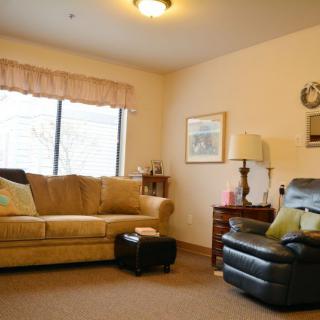
 Indoor common areas
 Outdoor common areas
 Wheelchair accessible showers
 Meals provided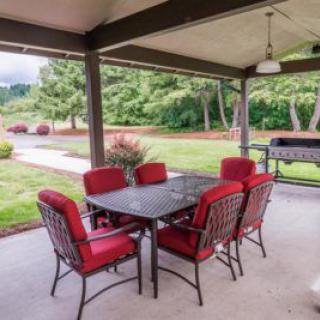





 Exploring Palliative Care in the Home: A Comprehensive Overview
 Comprehensive Insights into Palliative Home Care: What It Is and What to Expect
 Skilled Nursing Facilities vs. Nursing Homes: Making Sense of the Differences