
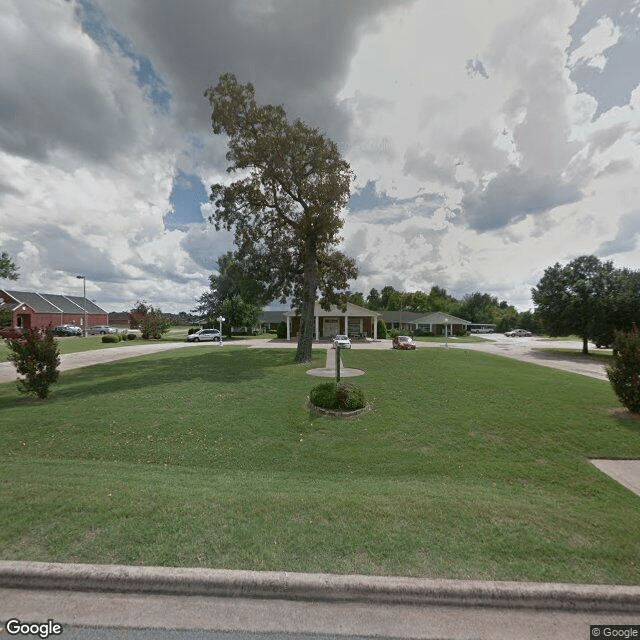
4530 Lamar Ave, Paris, TX 75462
To contact a resident: (903) 785-8877
For more information about senior living options: (866) 208-4318
Overall Review of Colonial Lodge Retirement Ctr
Pros
 Colonial Lodge in Paris is a thriving elderly community with engaging activities for socialization.
- It provides fine southern-style dining and snacks.
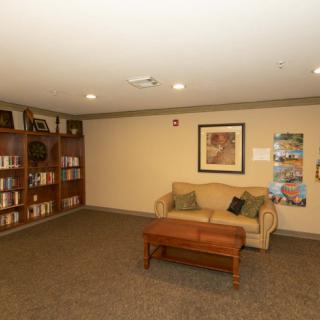
- The lodge offers a library, music, and church services for residents.
- Administration and staff are kind and compassionate in their care.
- Stephen Towler and Don Hepron manage as if every client were their own parent.
- The staff, especially Sherry, take time to get to know residents.
- Platinum Home Health Care collaborates beautifully with Colonial Lodge.
- The Hayden family feels grateful for the support they receive.
Review
Colonial Lodge Retirement Center in Paris, Texas, is best suited for seniors who want a vibrant, family-style community where social life and personal connections sit at the center of daily living. The setting rewards participation with a packed schedule of activities aimed at sustaining companionship, a refined southern-style dining experience, and opportunities for quiet moments in a library or punctuated by music and church services. What stands out is care that feels personal and deeply attentive: administration and staff who approach residents as if they were their own family. Leadership visible in the review, Stephen Towler and Don Hepron treating each resident with genuine concern, coupled with staff like Sherry who makes time to know individuals, creates a sense of trust that is hard to find in more transactional environments. The collaboration with Platinum Home Health Care indicates a practical model where external care partners support, rather than replace, the on-site team.
For families weighing options, this community may not be the right fit for residents requiring intensive medical oversight, memory-care specialization, or rehab services on-site. If the priority is round-the-clock medical supervision, highly structured memory-care programming, or accommodations that demand large-scale clinical infrastructure, alternatives with a clearer on-site medical footprint should be considered. Similarly, those seeking ultra-modern amenities, broad campus size, or a price structure that guarantees extensive inclusions may want to compare other campuses. The review does not present these elements as gaps, but they are legitimate questions to ask in a tour: what medical staffing is available 24/7, what specific memory-care programs exist, and how pricing aligns with the full scope of services anticipated.
The strongest positives here are tangible and influential in daily life. Residents benefit from an active social frame that reduces isolation and fosters belonging, because activities are designed to engage people across interests and energy levels. Dining is described as fine and southern-style, a meaningful cultural touchstone that contributes to a sense of home. The presence of thoughtful staff, people who take time to get to know residents and respond with mindful care, creates reliability families can lean on. A library, music programming, and regular church services offer intellectual and spiritual sustenance, allowing families to see their loved ones not merely cared for but enriched. The outgrowth of these pros is a resident experience that feels protector-guided rather than impersonal or rushed.
On the practical side, a notable constraint is that the available information about medical capabilities and specialized care is not detailed in the implemented review. The explicit praise for care and staff is compelling, but prospective families should verify how on-site nursing, medication management, emergency response, and any rehabilitation or memory-support services are structured. The reliance on a Platinum Home Health Care partner, while a strength in ensuring continuity of care, also begs questions about coordination, scheduling, and the extent to which this external support can scale with evolving needs. In scenarios where a resident’s needs intensify, families will want concrete assurances about on-site contingency plans, transfer protocols, and the thresholds at which higher levels of medical involvement are triggered.
Despite the potential gaps, the pros can decisively offset the main concerns for residents who prioritize personal connection and meaningful daily life. The leadership approach, treating residents as if they were their own parents, provides a sense of guardianship that often translates into steadier routines, fewer gaps in communication, and more proactive problem-solving. The staff’s careful attention to individual preferences, combined with a coordinated home-health component, suggests a model where medical tasks are integrated rather than isolated, allowing families to feel confident that their loved one’s comfort is the priority. The social tapestry, the activities, library, music, and faith components, supports cognitive and emotional well-being in practical, observable ways, which often matters more to day-to-day happiness than the presence of fancy bells and whistles.
For families seriously considering Colonial Lodge, a practical next step is to arrange a candid visit focused on three touchpoints. First, observe how staff interact with residents: are conversations patient, respectful, and individualized, or do they feel scripted? Second, verify the on-site medical support: what services are available in-house, what requires external partners, and how quickly medical staff respond to changes in condition. Third, meet the Platinum Home Health Care liaison to understand care planning, scheduling, and communication channels among family, on-site leadership, and the partner agency. Bring concrete questions about memory care options, if relevant, and a plan for what constitutes “good enough” medical oversight given current health status. Pricing transparency and what is included should be pinned down early to prevent later surprises.
In sum, Colonial Lodge stands out as a practical choice for seniors who prize warmth, daily engagement, and a sense that care is guided by people who truly care. It suits families seeking a nurturing, community-centered environment where staff and leadership actively invest in residents’ happiness and social vitality. Alternatives become sensible when medicine-first needs, advanced memory support, or expansive amenities are non-negotiable. For those who can align expectations with what is described, the personalized care ethos, the social infrastructure, and the home-like dining and activities, the trade-offs are manageable and outweighed by the quality of relationships and the consistency of daily life. A well-timed visit will reveal whether Colonial Lodge is the best-fit home where a loved one will feel seen, engaged, and genuinely cared for.
 Independent Living

 California's Form 602A: An In-Depth Examination of Senior Care Assessment
 Comprehensive Look at Senior Blood Pressure Charts: Normal and Elevated Levels by Age
 Top Canine Companions for Older Adults