The Conservatory at North Austin offers competitive pricing for its residential options, particularly in comparison to both Williamson County and the broader state of Texas. For a one-bedroom unit, residents are looking at a monthly cost of $2,895, which notably undercuts the county average of $3,654 and the state average of $3,761. Similarly, the two-bedroom units are priced at $3,245 - again more affordable than Williamson County's average of $3,772 and Texas's state average of $4,215. This strategic pricing positions The Conservatory as an attractive option for those seeking quality accommodation in the North Austin area without straining their budget excessively.
Floor plans
The Conservatory at North Austin
Williamson County
Texas
1 Bedroom
$2,895
$3,654
$3,761
2 Bedrooms
$3,245
$3,772
$4,215
Independent Living communities with a similar price nearby
Overall Review of The Conservatory at North Austin
differentiator24 reviews mention this
Dining is a frequent highlight
Restaurant-style dining is a standout for many residents, with regular praise for variety and salad bar service.
Dining comes up again and again in resident comments, including praise for varied menus, salad bar service, and options like an always-available menu. Several residents also mention chef-prepared meals and specific meal experiences such as brunch items. At the same time, a smaller set of reviews say the food has declined or is not enjoyable enough to justify the cost, with complaints about limited accommodations when preferences aren’t met.
common28 reviews mention this
Activities and community life
Residents describe a packed calendar with plenty of chances to stay social and active.
A major theme is the day-to-day lifestyle: residents talk about ongoing activities, exercise programming, and social events like happy hour and movies. Multiple reviews describe meeting friends through events and enjoying resident-run or community-sponsored opportunities. Reviews that are less enthusiastic tend to focus on fit (for example, some residents want different activity intensity), but most feedback centers on having something to do.
common46 reviews mention this
Staff warmth shows up repeatedly
Across reviews, residents and families consistently describe staff as welcoming, friendly, and easy to work with.
Many reviews emphasize how staff members make people feel comfortable, from the first conversations through day-to-day support. Residents and families also mention staff being attentive and responsive to concerns, and they describe positive relationships between residents as well. A few critical reviews raise issues about management responsiveness or communication, but even those reviews often separate customer-facing care from other service concerns.
common19 reviews mention this
Transportation and meal support
Residents say they can get help staying independent through meals provided and help getting to appointments.
Several reviews mention reduced daily stress because rides are available for doctor appointments and other outings, especially for residents who no longer drive. Residents also describe dining as part of the all-inclusive lifestyle, including options that reduce the need to cook at home. Taken together, reviews portray a system that supports independence while still handling common day-to-day logistics.
differentiator9 reviews mention this
Emergency support and call system
Residents mention emergency call and pendant-style support that brings peace of mind.
A recurring care-related point is emergency readiness: reviews describe using a pendant or alert-style system and the sense that help is available quickly when needed. Some residents also mention ongoing support around medication management and meal preparation as part of the care services they receive. While most comments are positive, a few reviews also frame the community’s care boundaries by noting it is positioned as independent living.
caveat11 reviews mention this
Cost concerns and contract add-ons
Some residents warn to watch for extra charges and contract differences that can affect what you pay.
Several reviews raise cost concerns in different ways, including complaints about add-on charges tied to services and meal availability. Others mention that dining or housekeeping can vary based on the contract option, leading to extra fees if a needed service isn’t included. There are also reviews that criticize rent increases and say they feel pricing doesn’t match the current experience, especially around food quality and maintenance.
How we summarize
Counts show how many written reviews mention each theme; a review can touch several themes, and only frequently mentioned themes are displayed.
Features
Housing
216 resident community capacity
1-bedroom apartments
2-bedroom apartments
Types of Care
Independent Living
Pets
Cats allowed
Dogs allowed
Amenities
Activities off-site
Activities on-site
Air-conditioning
Bath tubs
Beautician on-site
Beauty salon
Cable or satellite TV
Computer center
Devotional services off-site
Devotional services on-site
Dining room
Fitness room
Full kitchen
Fully furnished
Gaming room
Garden
Ground floor units
Housekeeping services
Indoor common areas
Kitchenette
Move-in coordination
Outdoor common areas
Outdoor space
Private bathrooms
Restaurant-style dining
Small library
Swimming pool / hot tub
Telephone
VA Benefits Consultation
Wellness center
Wheelchair accessible showers
Wi-Fi/high-speed internet available
Transportation
Austin-Bergstrom International (17 miles away)
Community operated transportation
Transportation arrangement
Transportation arrangement (non-medical)
Transportation to doctors appointments
Care Services
12-16 hour nursing
24-hour call system
Assistance with dressing
Hospice waiver
Meal preparation and service
Medication management
Mental wellness program
Transportation to doctors appointments
Dining
Anytime dining
Diabetes diet
Guest meals
Meals provided
Professional chef
Restaurant style dining
Room service
Special dietary restrictions
Vegetarian
Activities
Art classes
Catholic services
Community-sponsored activities
Concierge services
Day trips and outings
Devotional activities offsite
Devotional activities on-site
Educational speakers / life long learning
Fitness programs
Jewish services
Live well programs
Planned day trips
Protestant services
Resident-run activities
Scheduled daily activities
Visiting Rabbi
Visiting chaplain or priest
Nearby Places of Interest
This part of Austin, Texas offers a convenient and diverse range of amenities for senior living. With multiple pharmacies, restaurants, cafes, and theaters within a short distance, residents have easy access to essential services and entertainment options. The proximity to healthcare facilities such as ADC Family Practice and Seton Northwest Hospital ensures quality medical care is readily available. Additionally, the presence of parks like Balcones District Park and Walnut Creek Metropolitan Park provides opportunities for outdoor recreation and relaxation. Places of worship like St Vincent De Paul Catholic Church and Holy Word Lutheran School offer spiritual support for seniors seeking a sense of community. Overall, this area combines convenience, healthcare access, recreational opportunities, and community resources that would make it a desirable location for seniors looking to settle down in Austin.
The Conservatory at North Austin offers competitive pricing for its residential options, particularly in comparison to both Williamson County and the broader state of Texas. For a one-bedroom unit, residents are looking at a monthly cost of $2,895, which notably undercuts the county average of $3,654 and the state average of $3,761. Similarly, the two-bedroom units are priced at $3,245 - again more affordable than Williamson County's average of $3,772 and Texas's state average of $4,215. This strategic pricing positions The Conservatory as an attractive option for those seeking quality accommodation in the North Austin area without straining their budget excessively.
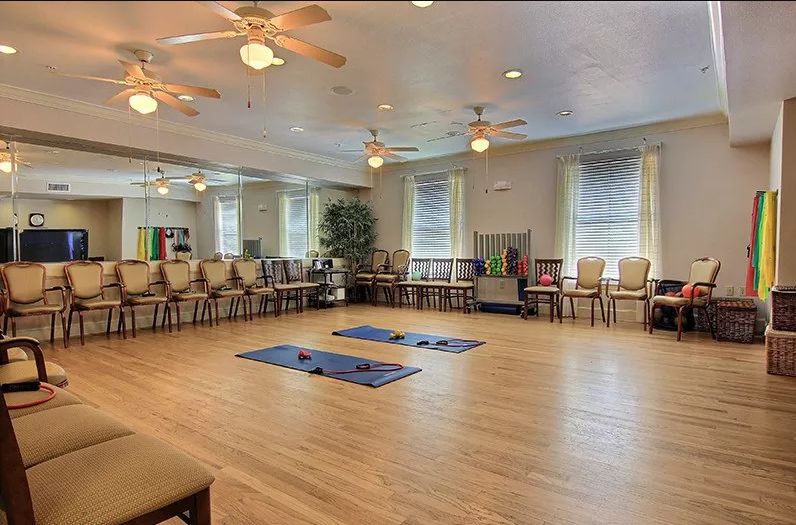
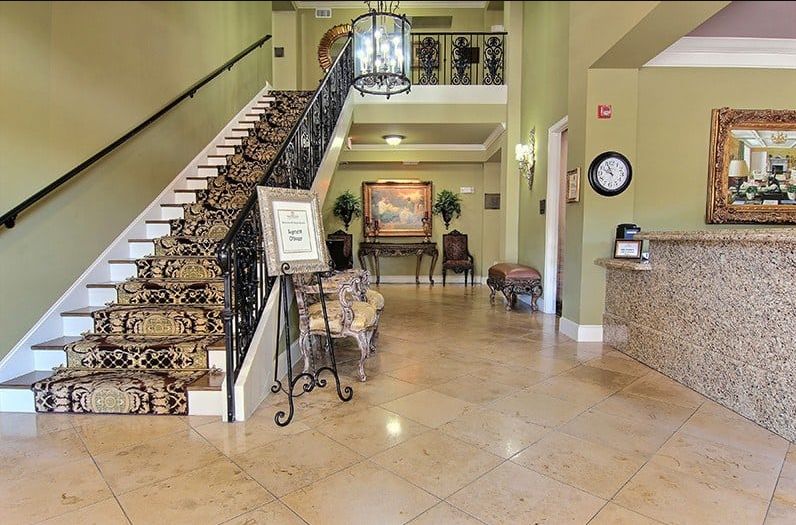
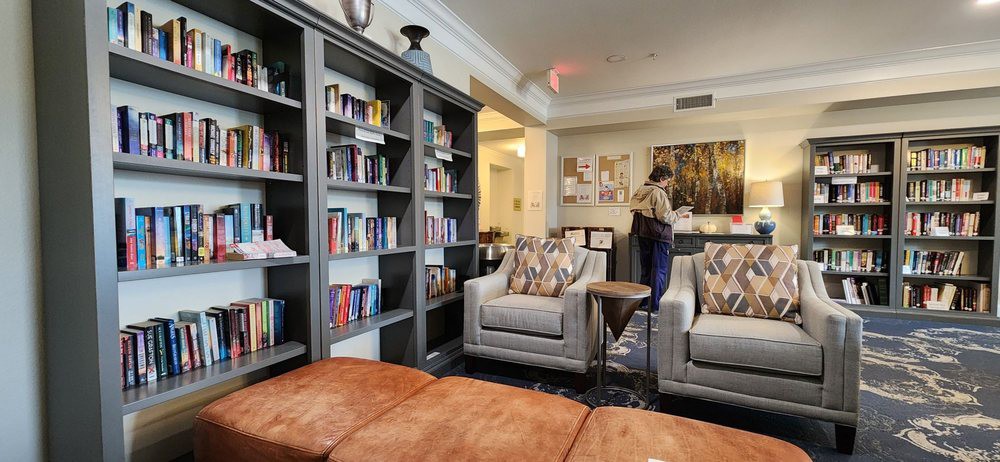
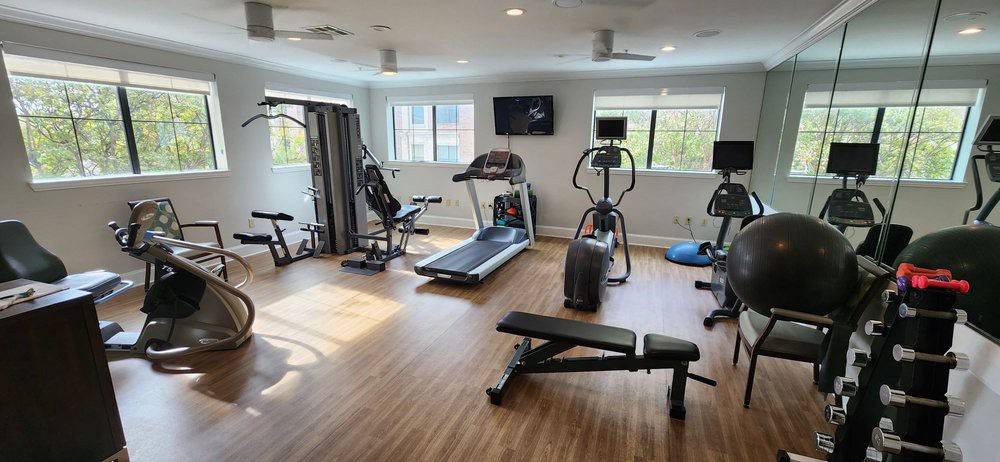
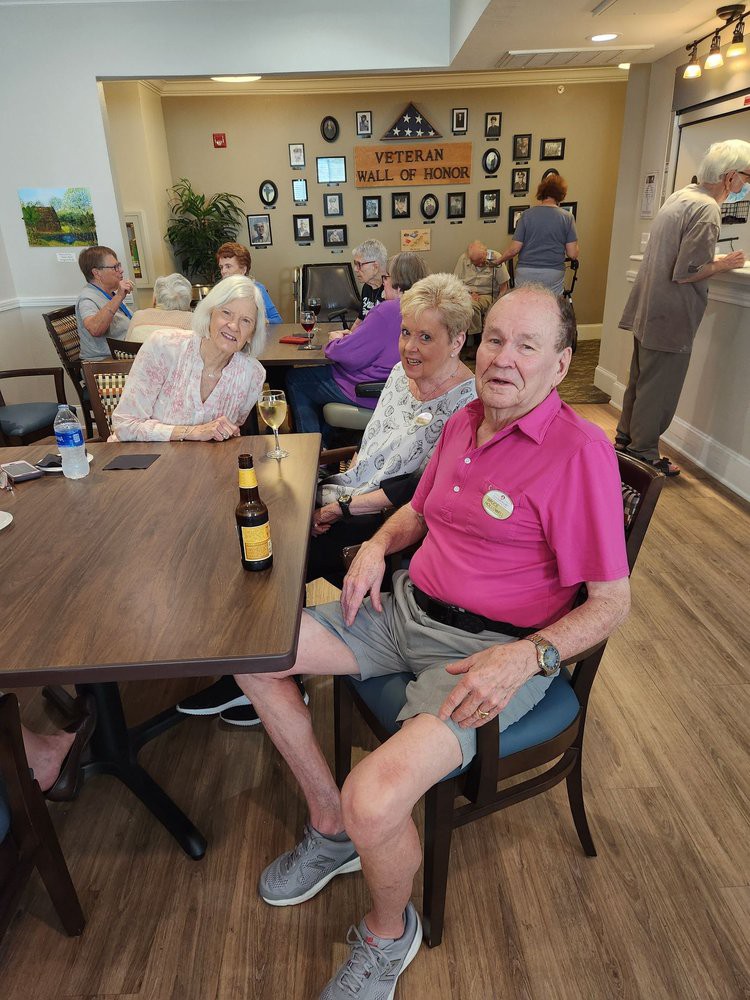
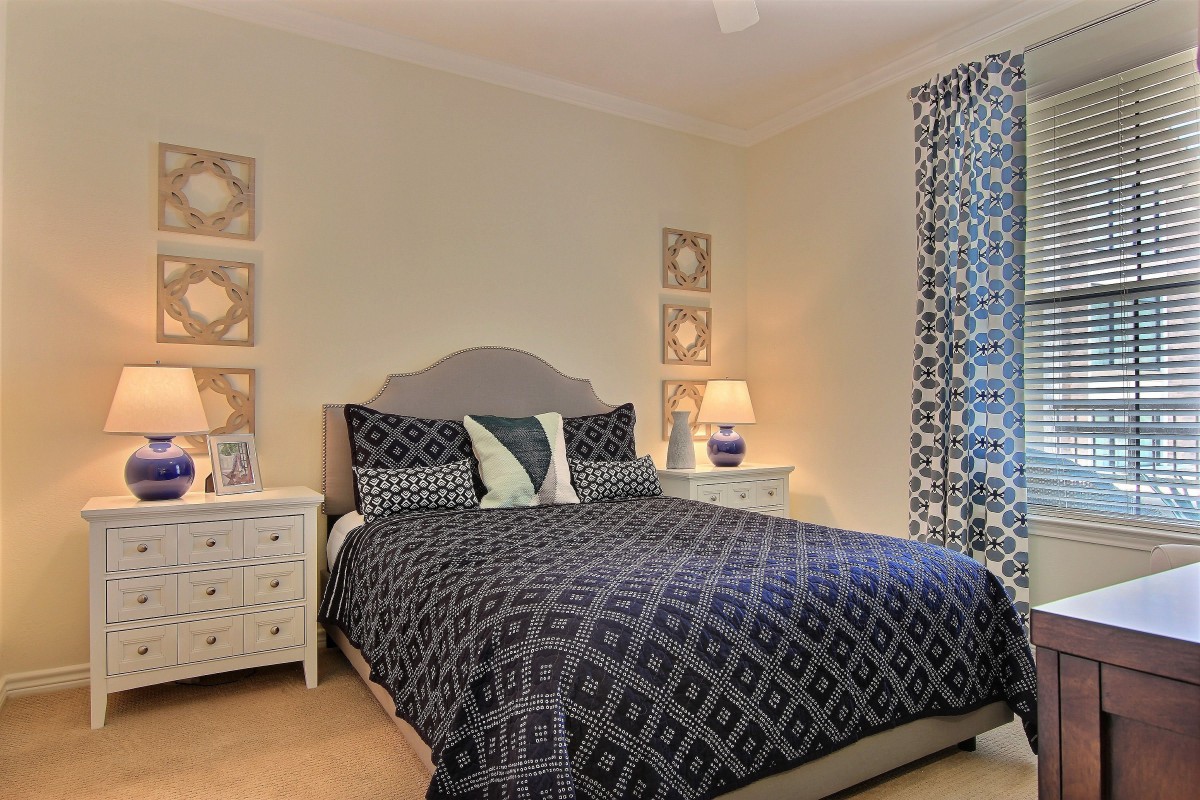
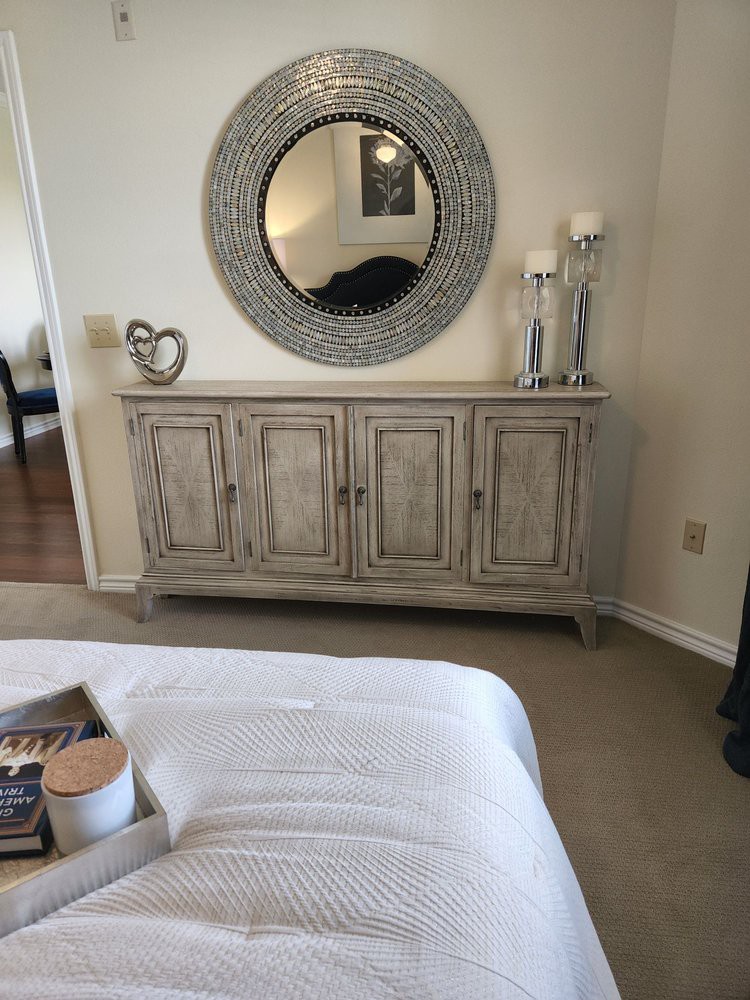
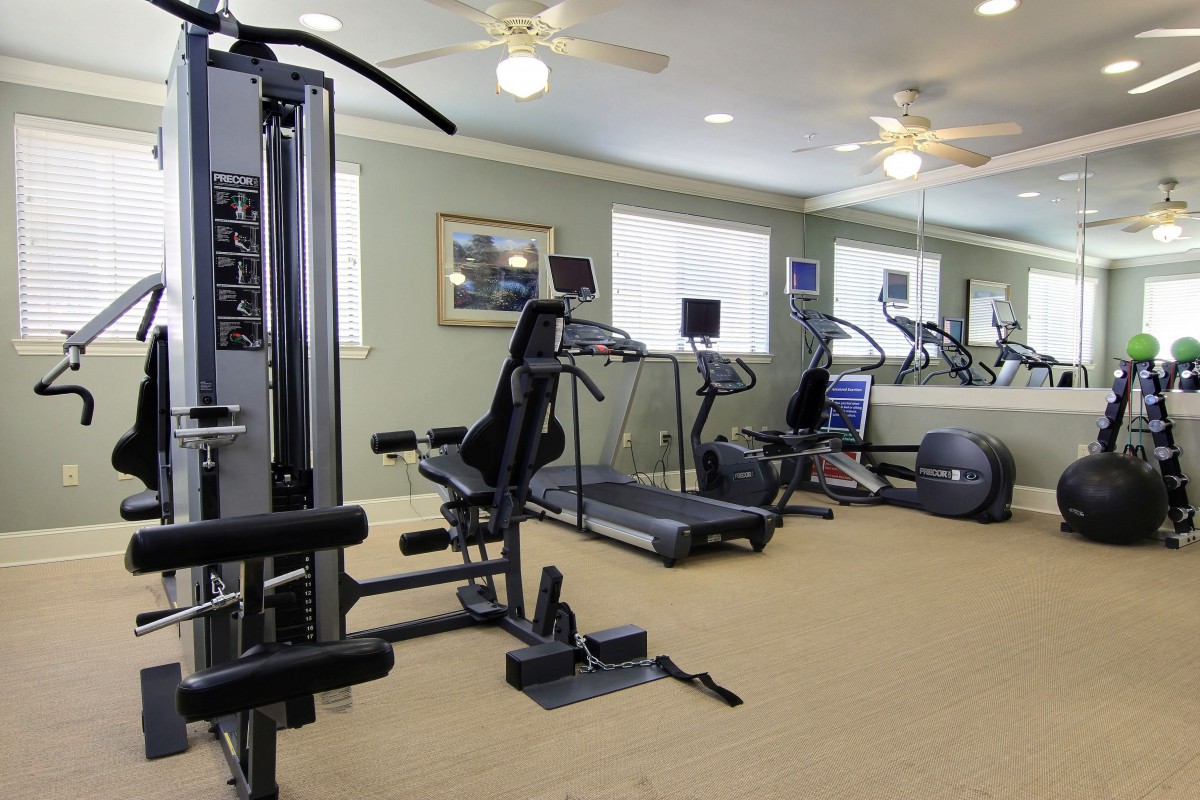
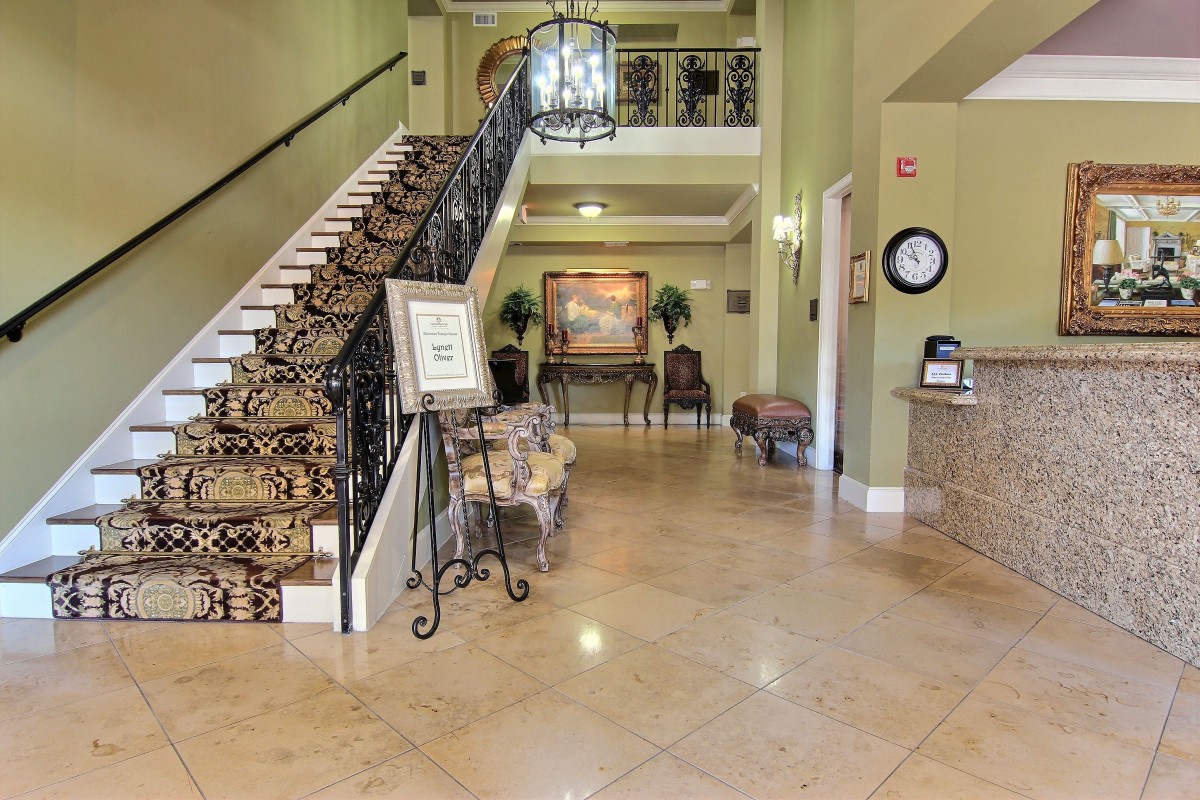
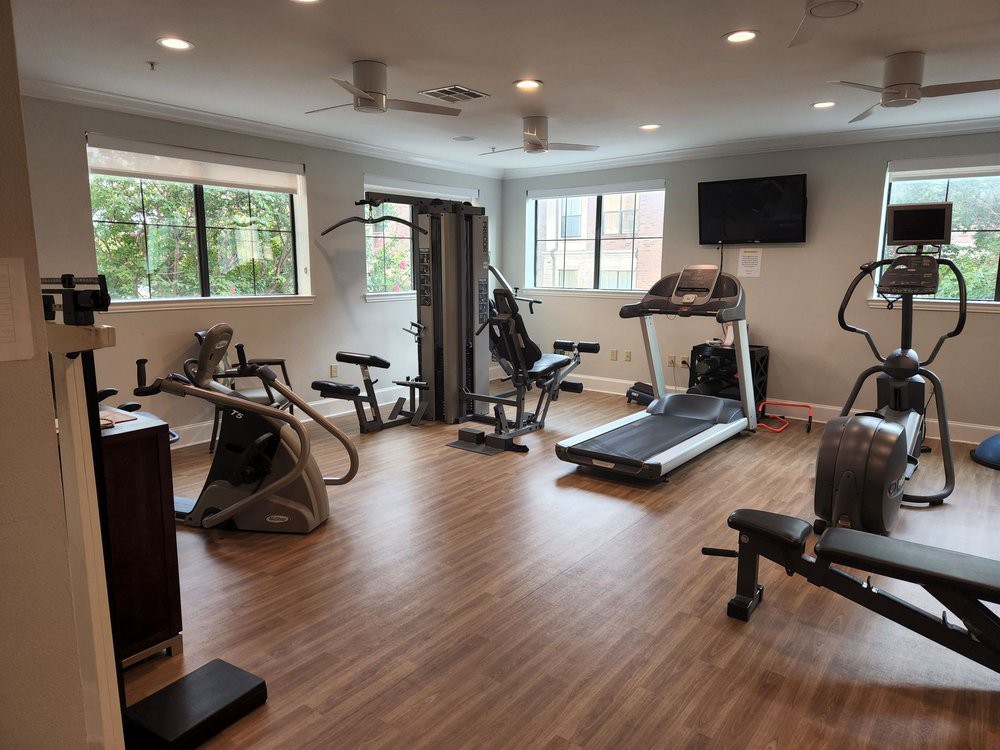
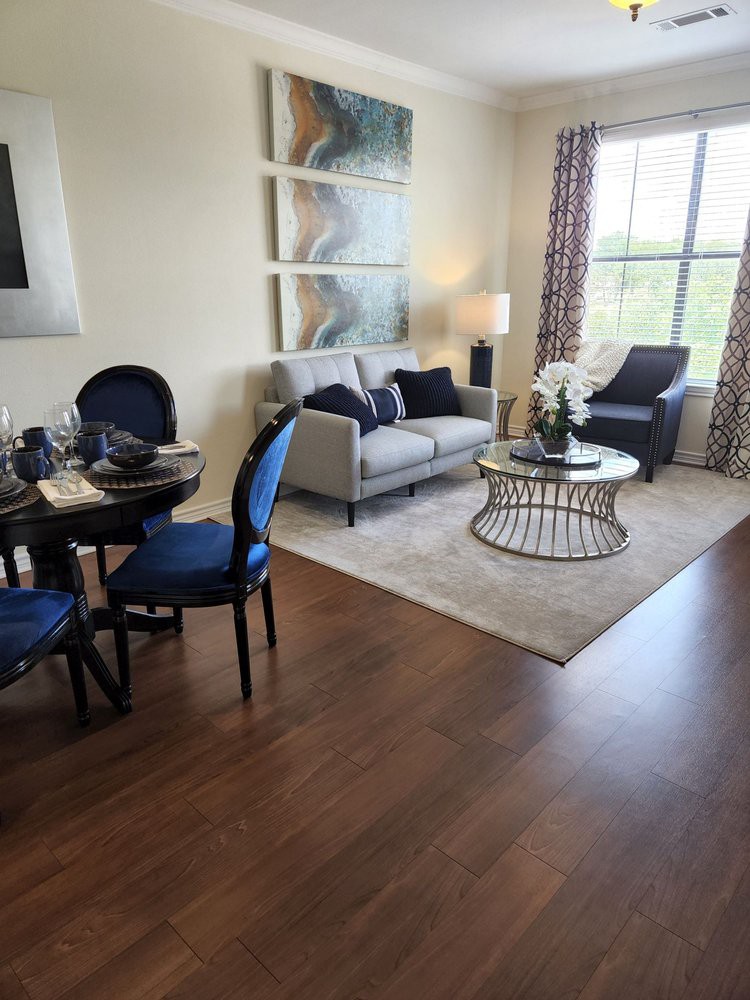
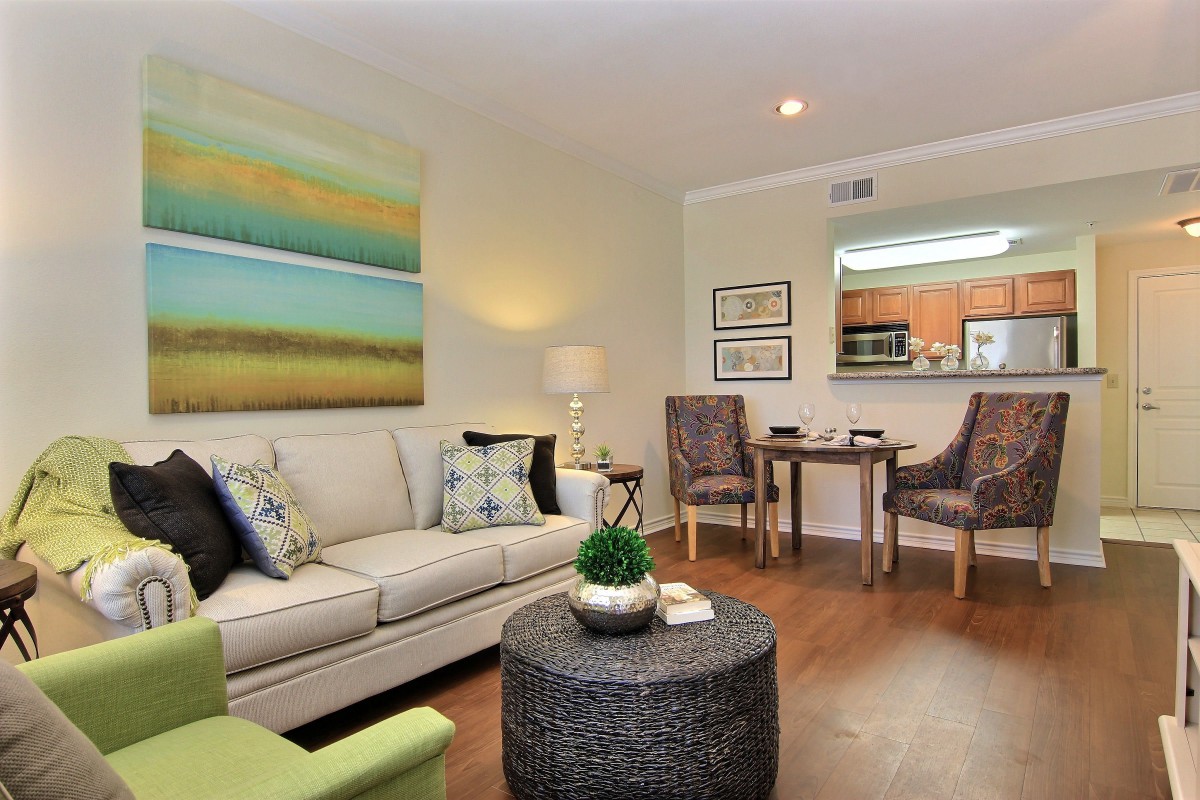
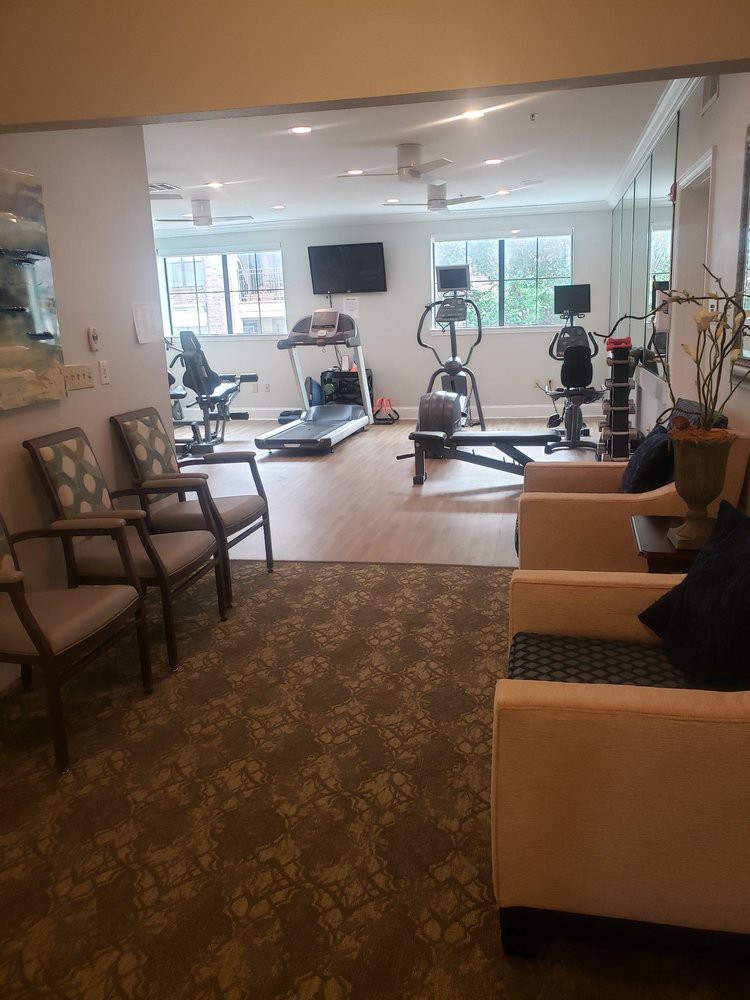
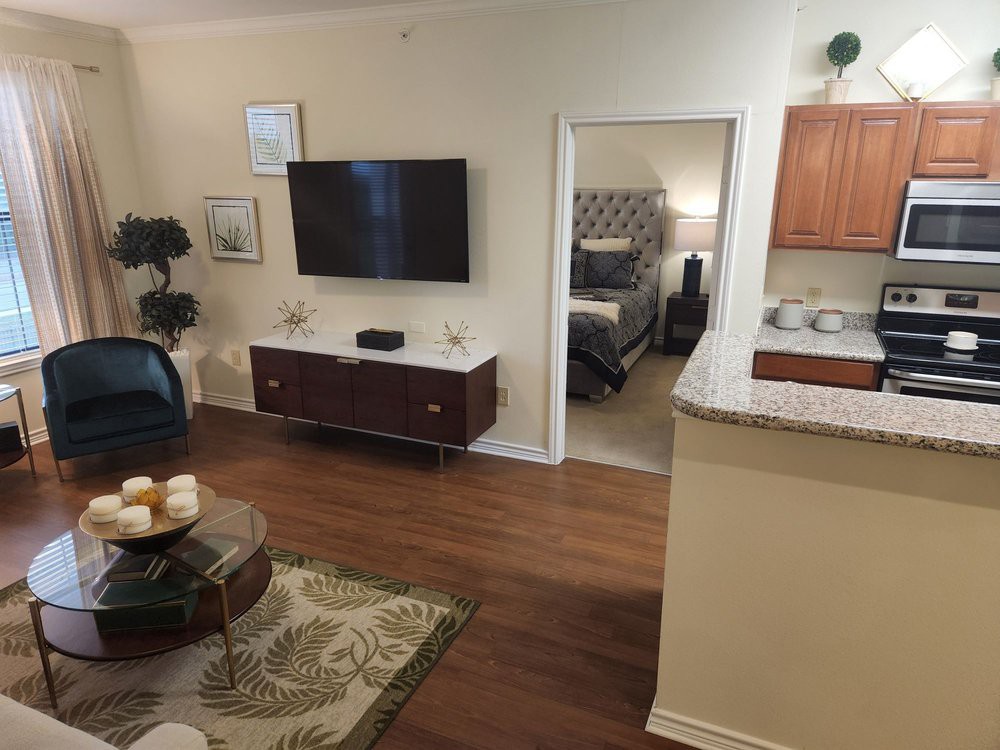
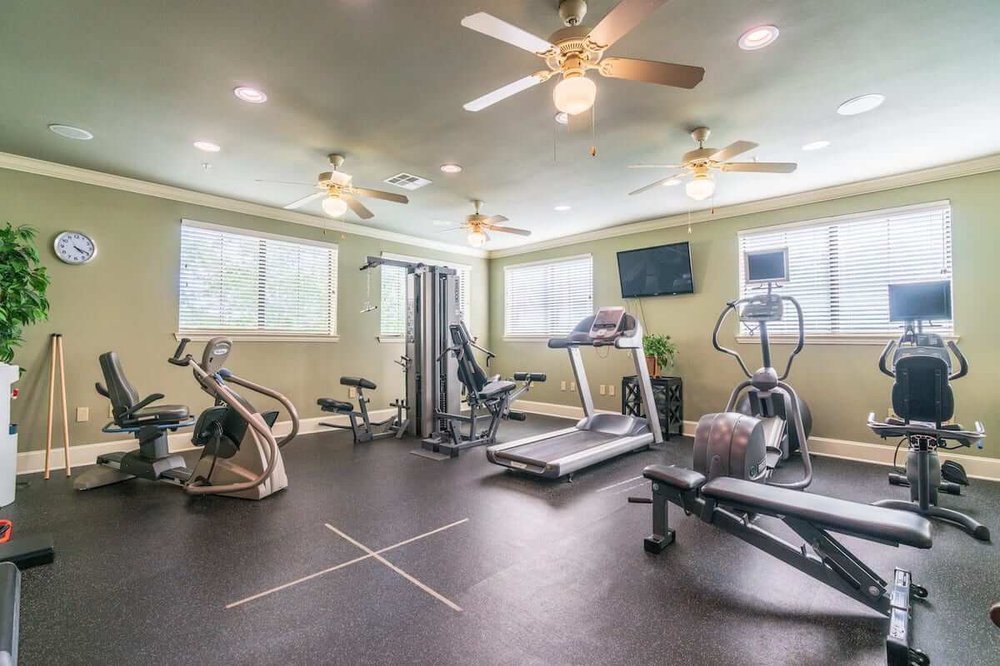
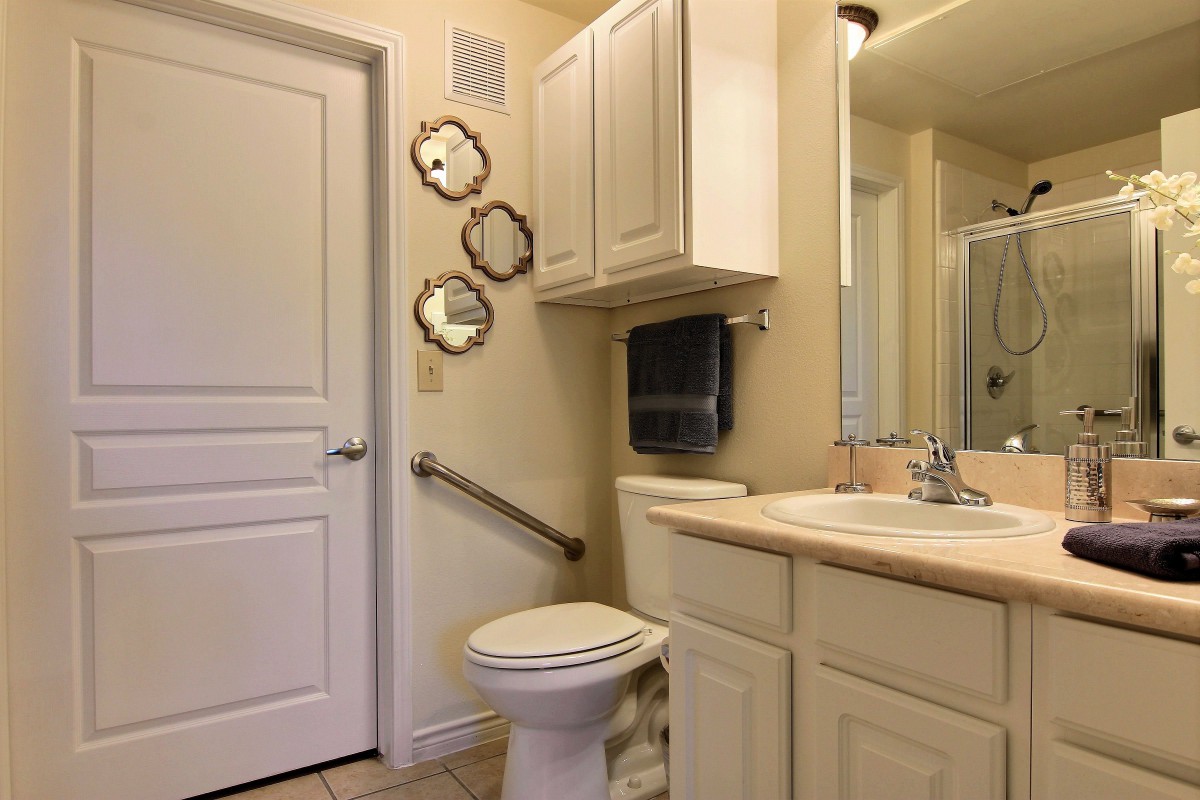
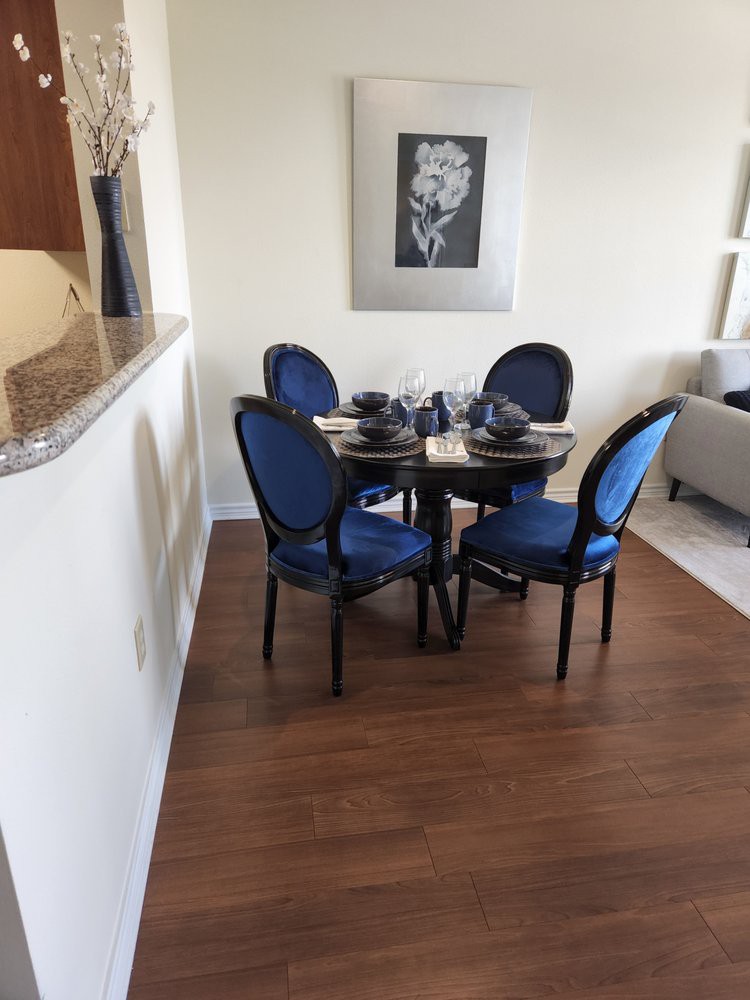
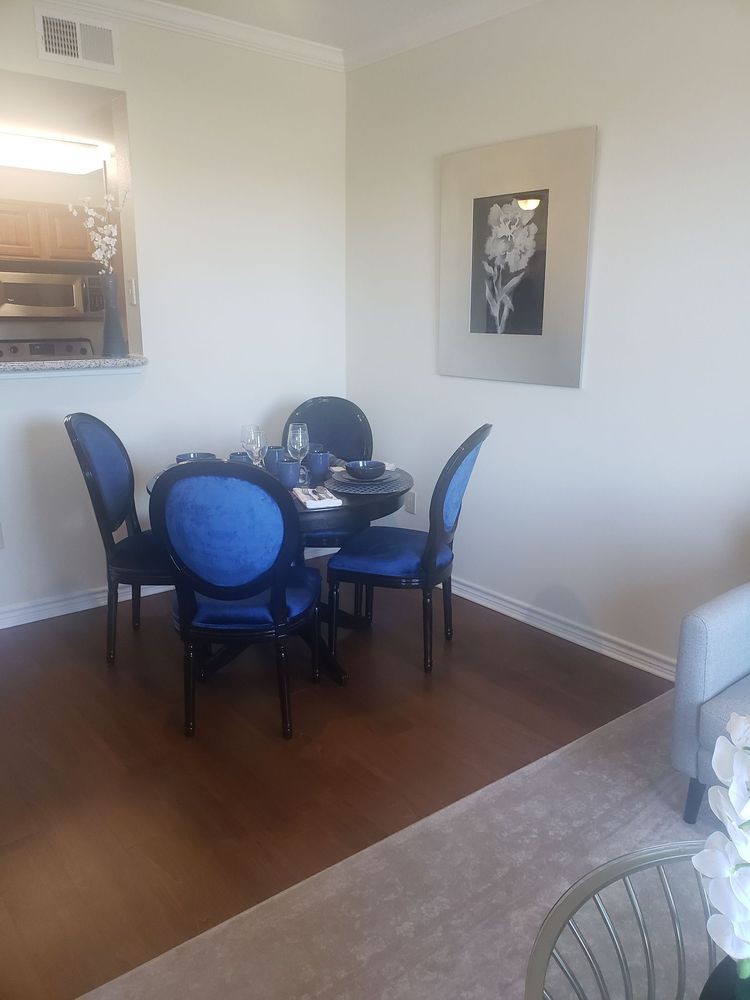
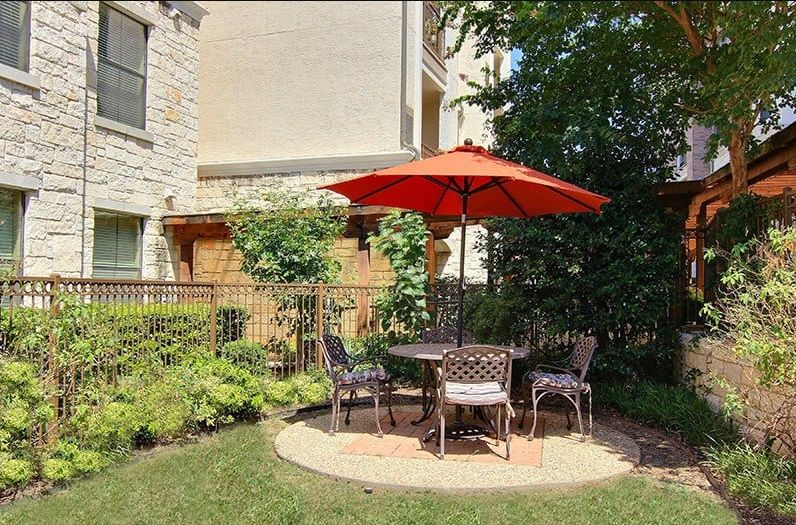
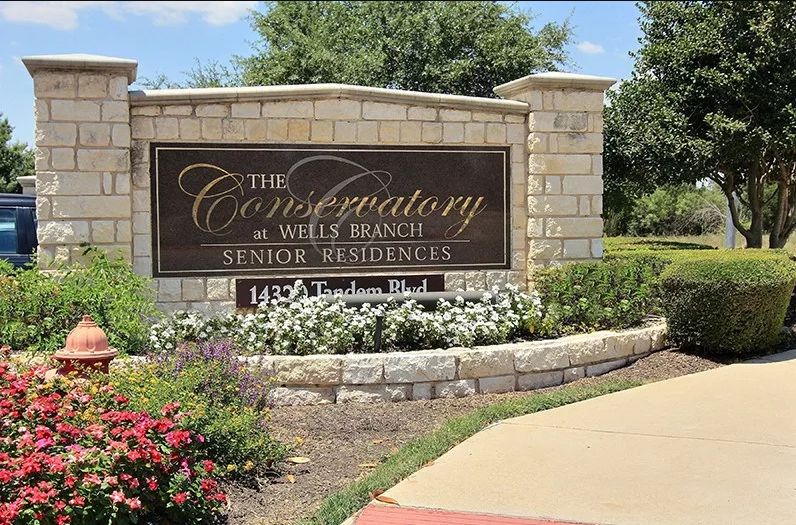
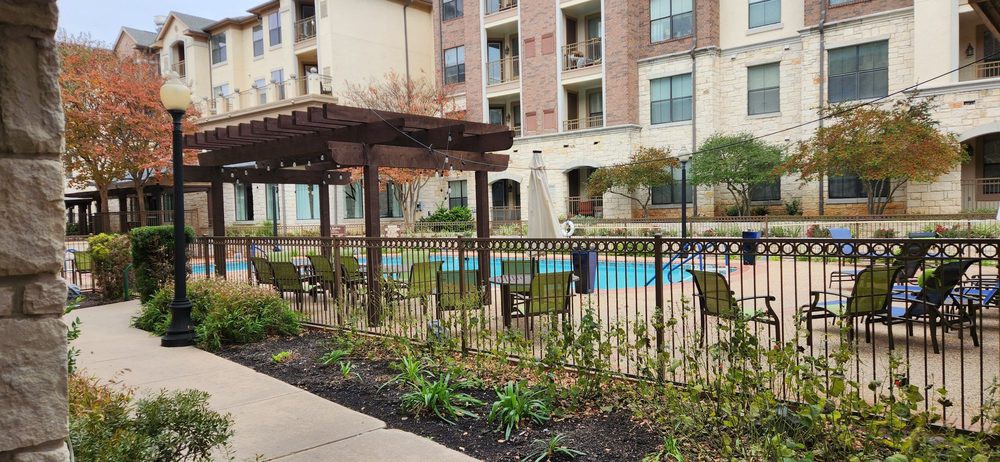
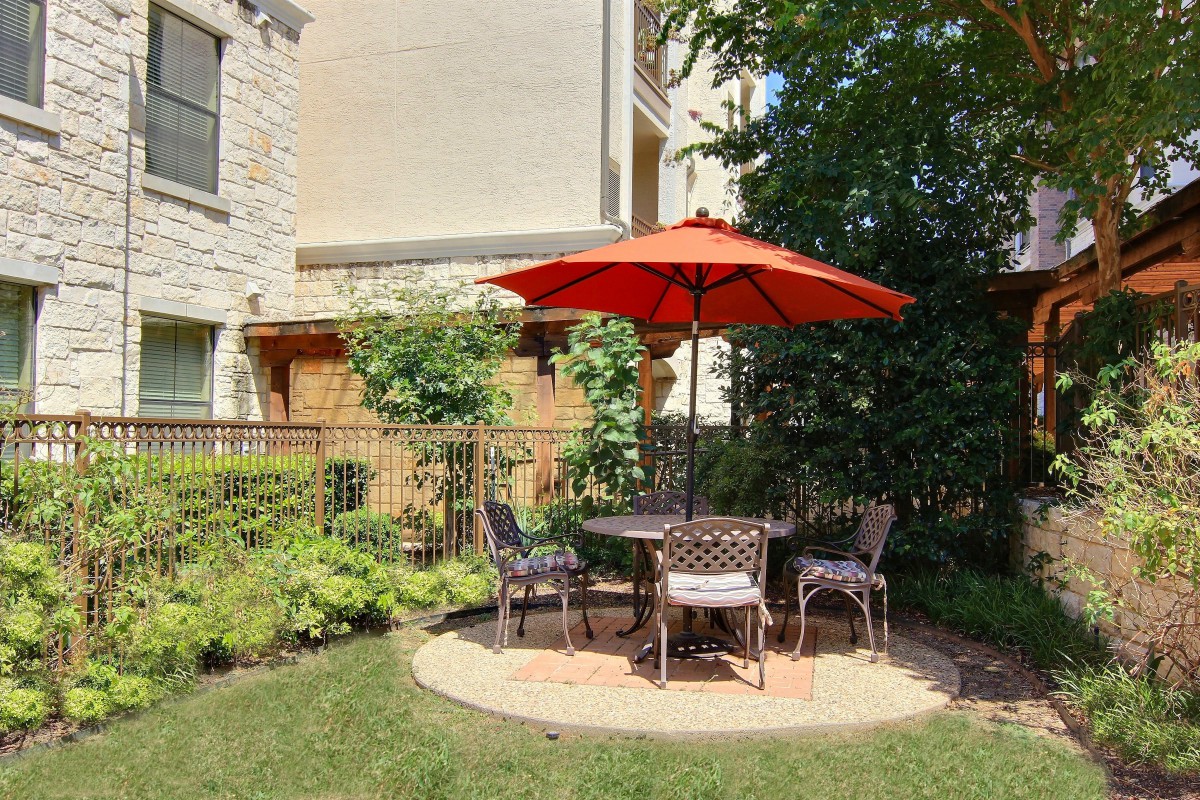
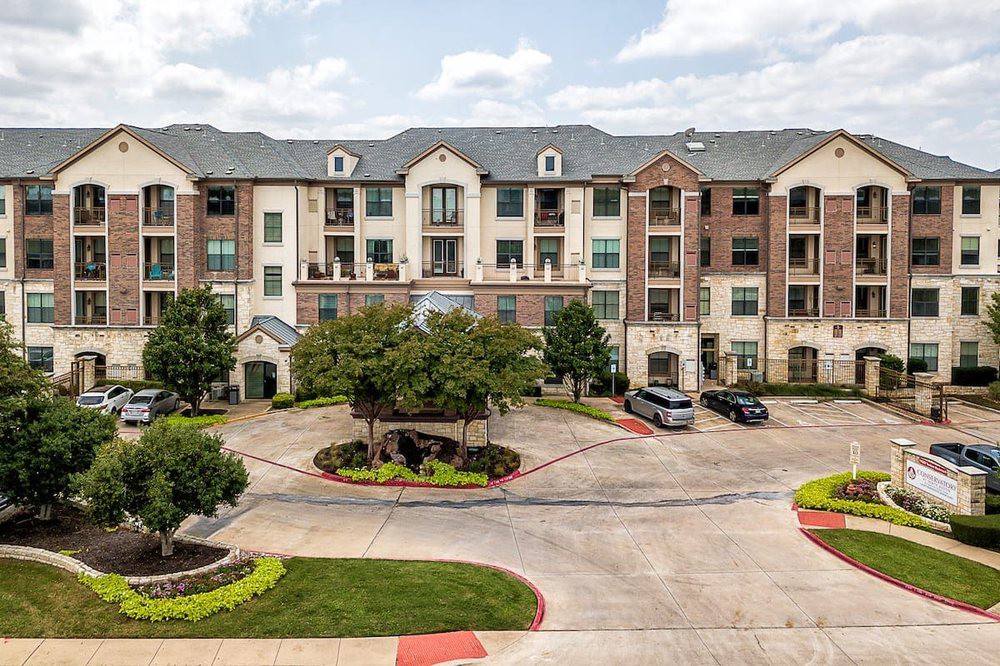
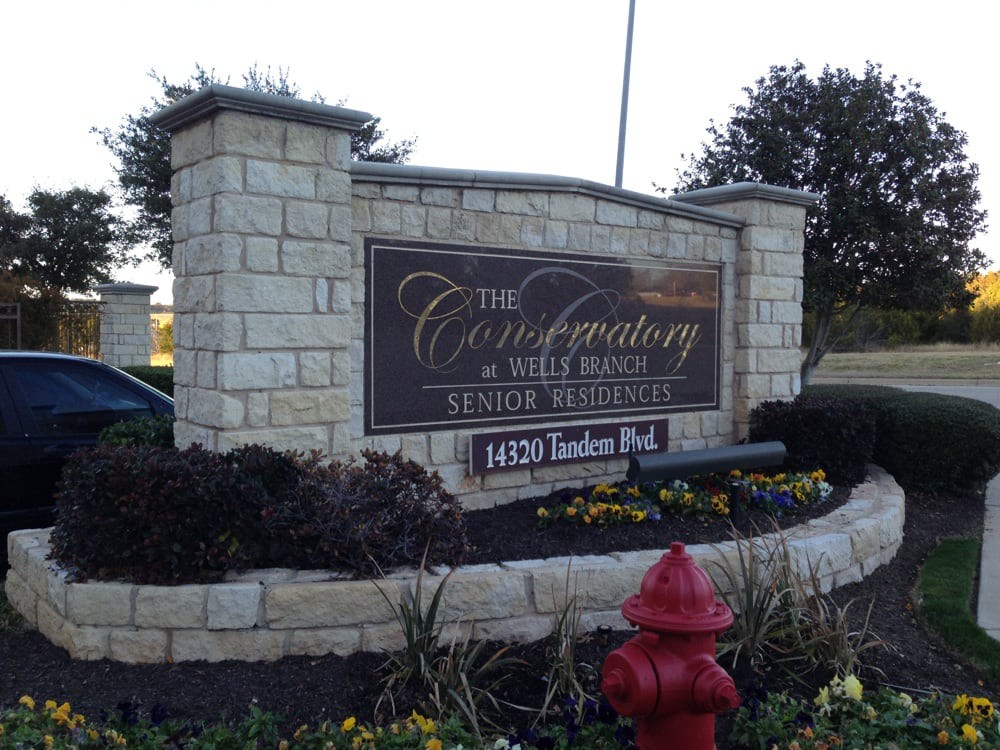
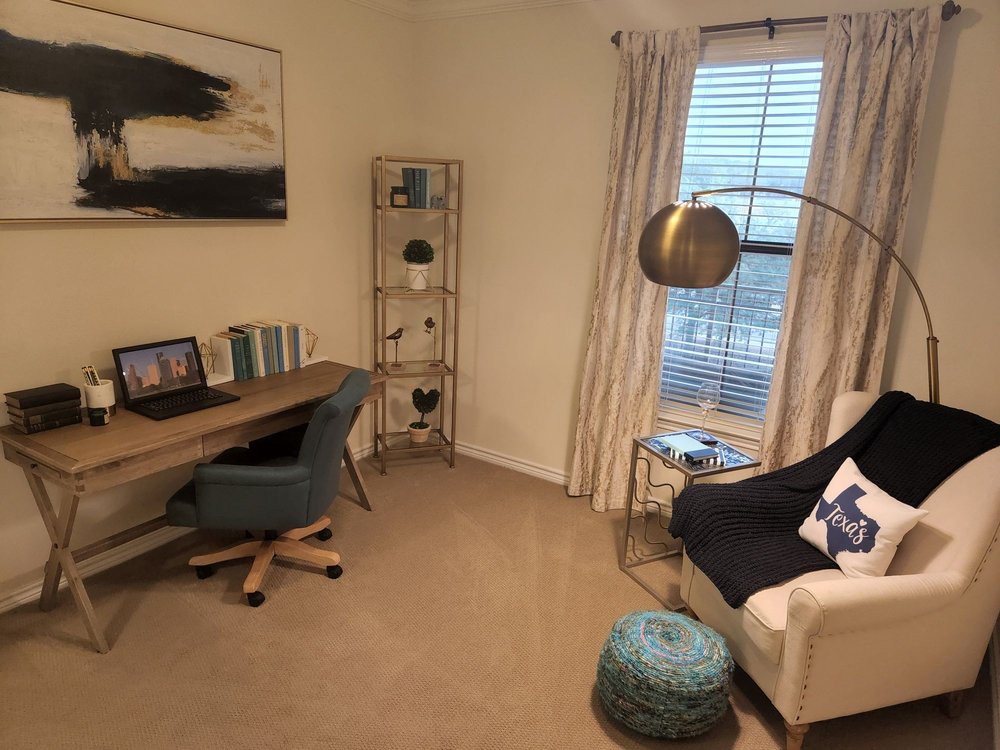
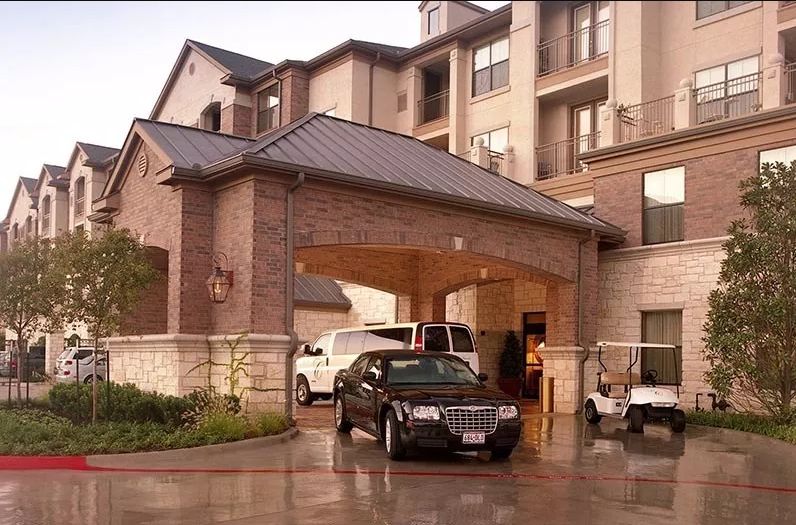
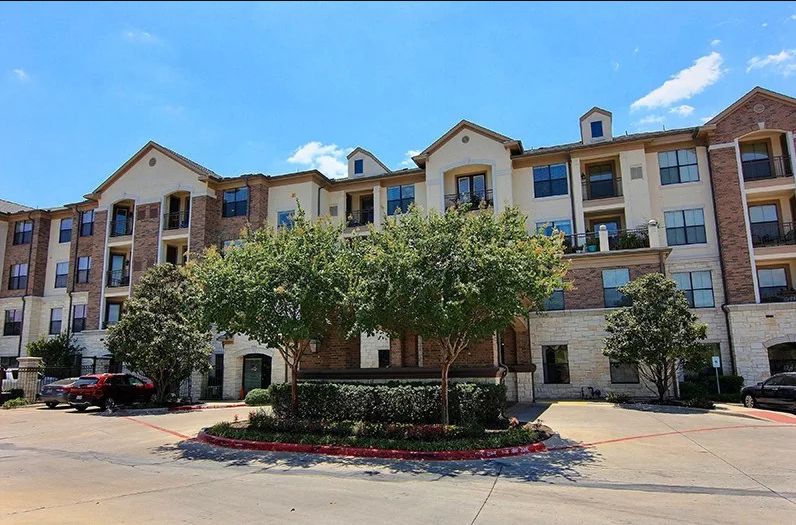
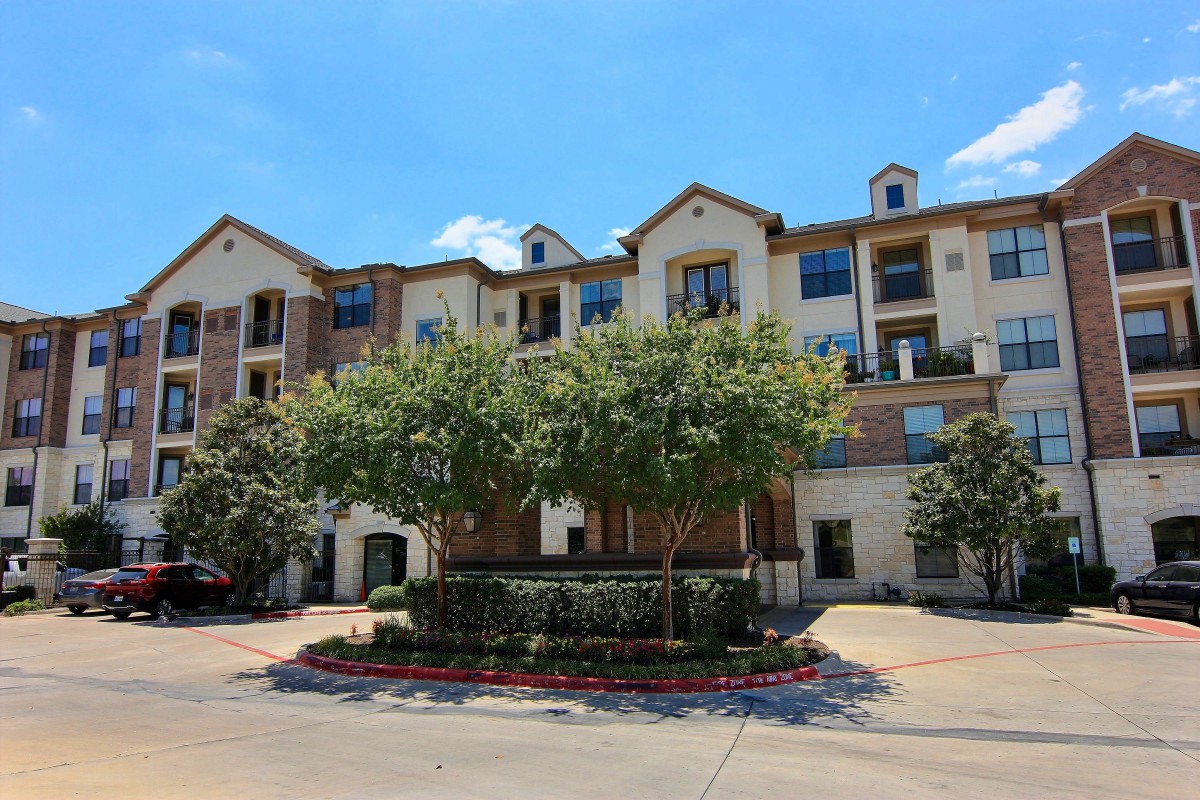
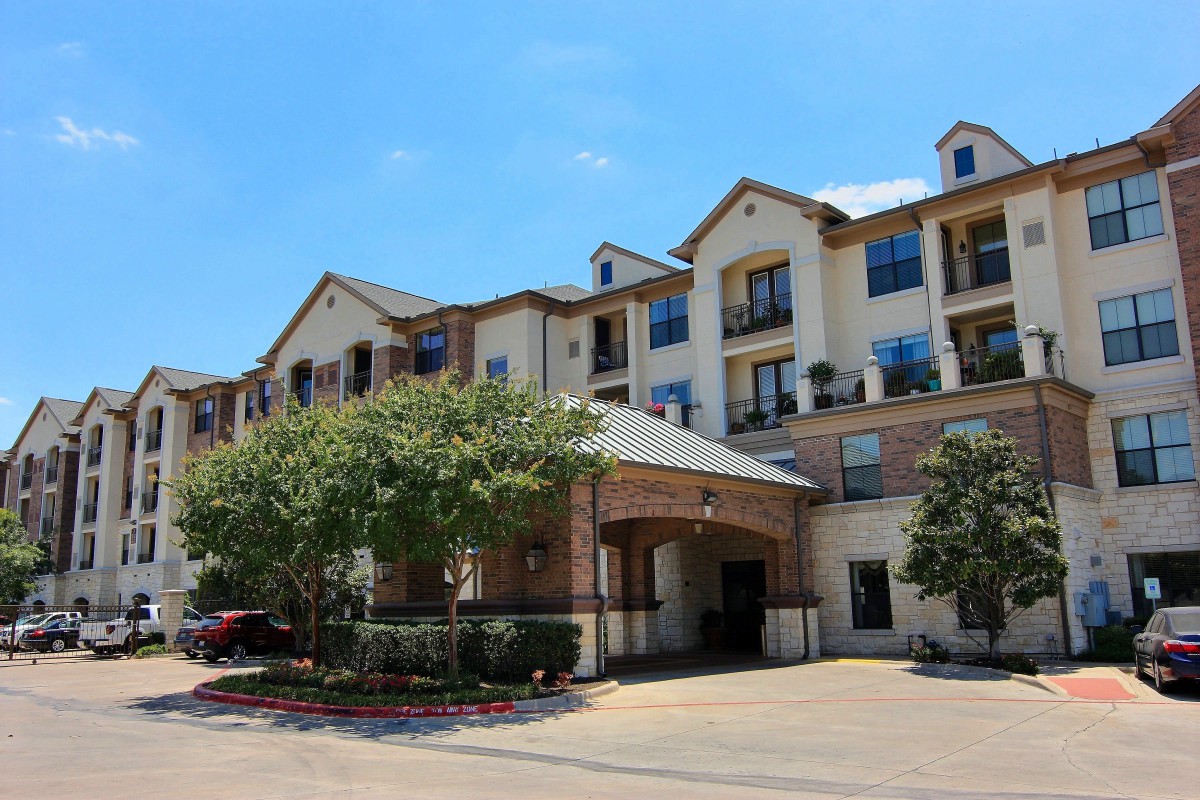
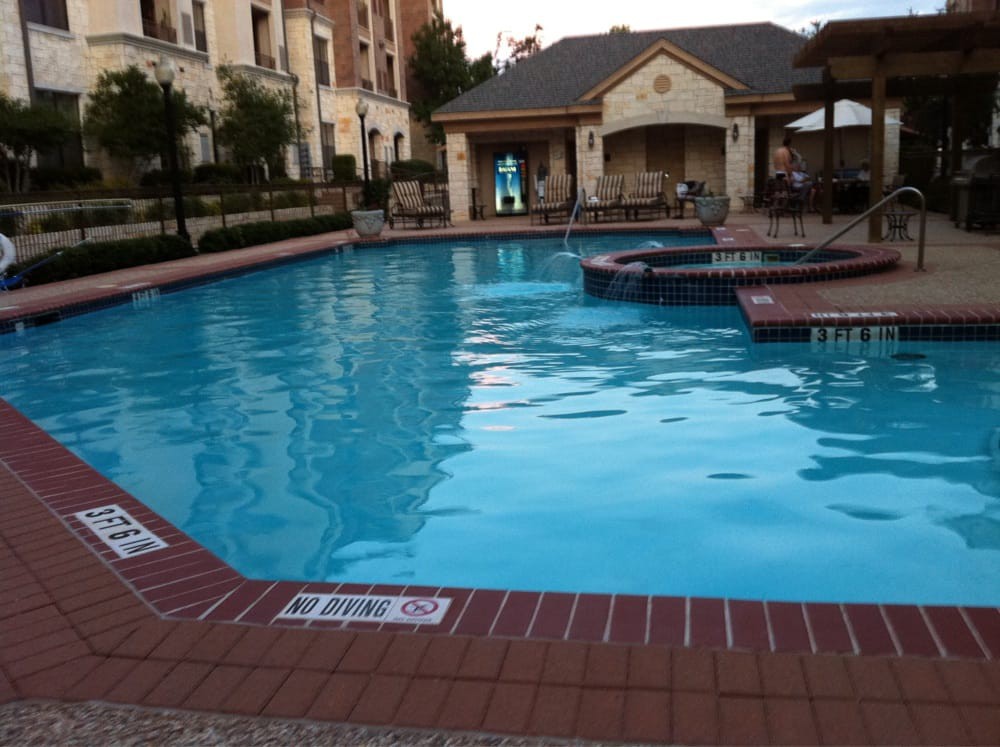
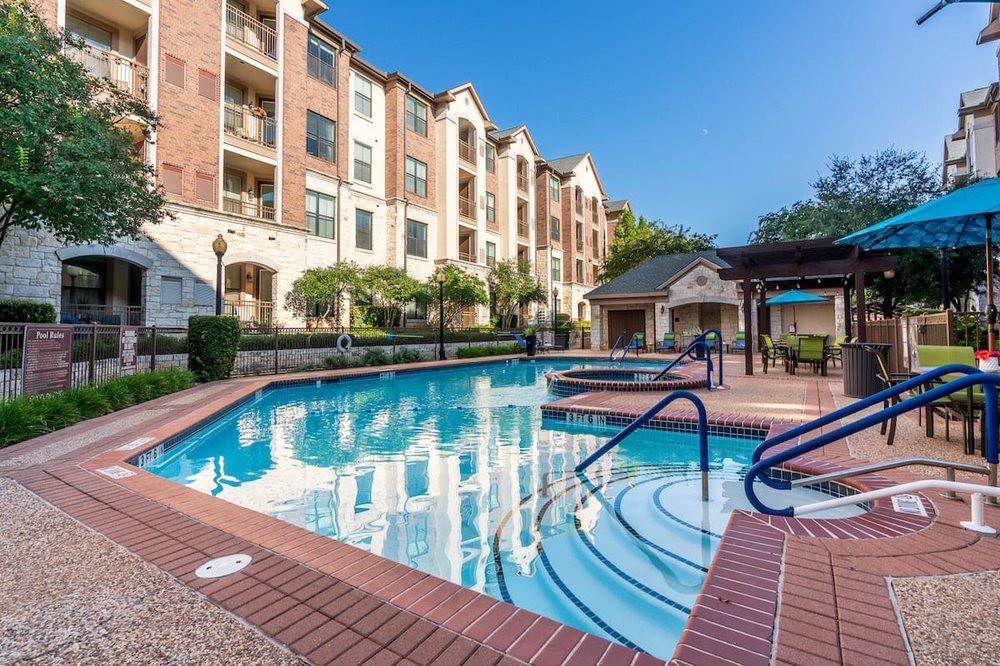
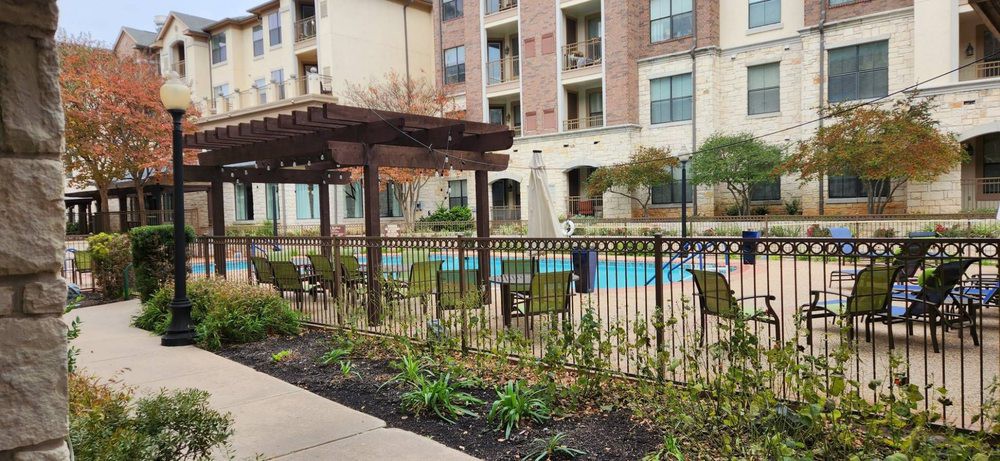
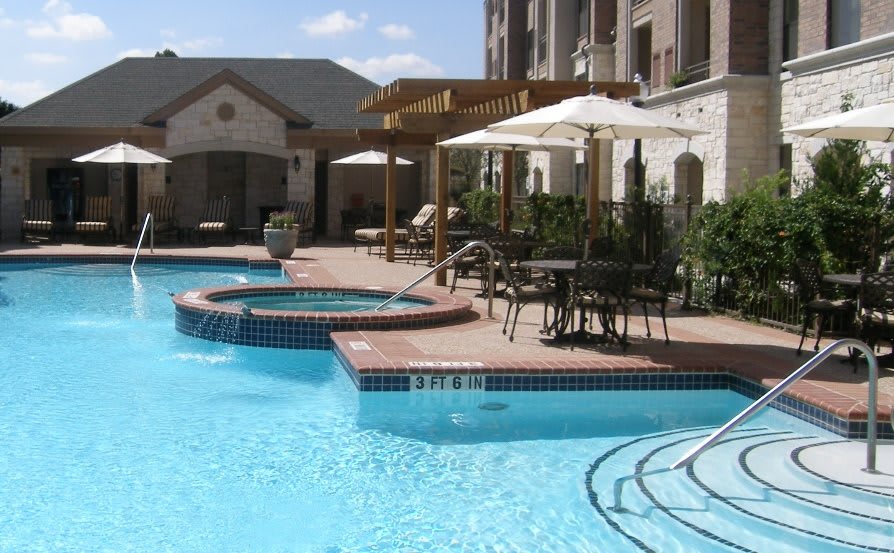
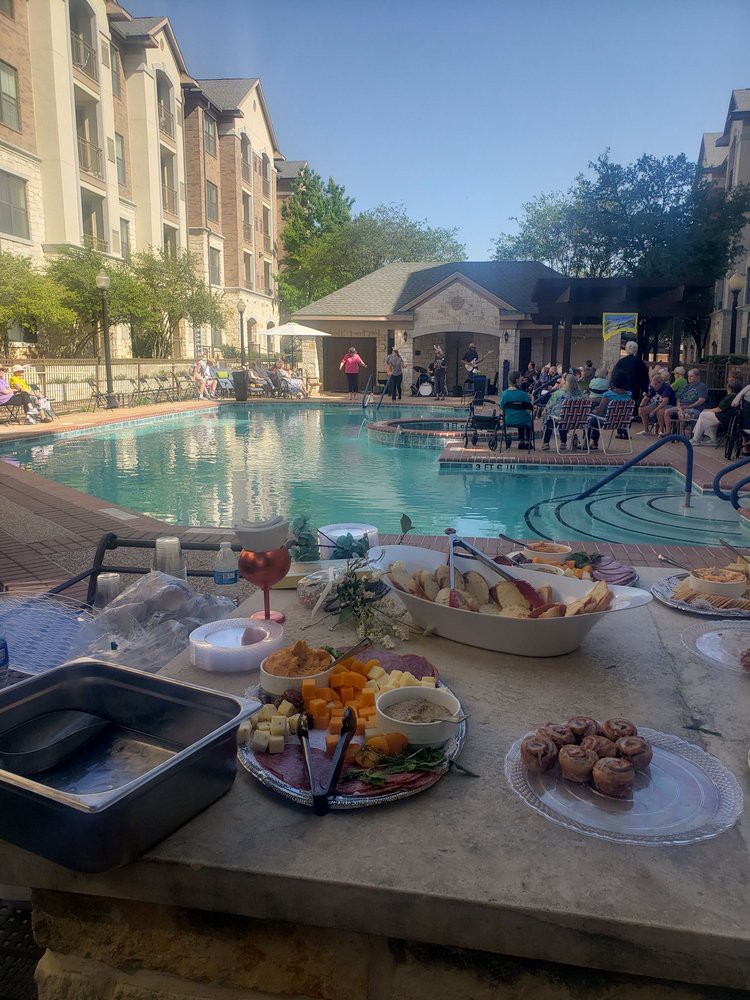
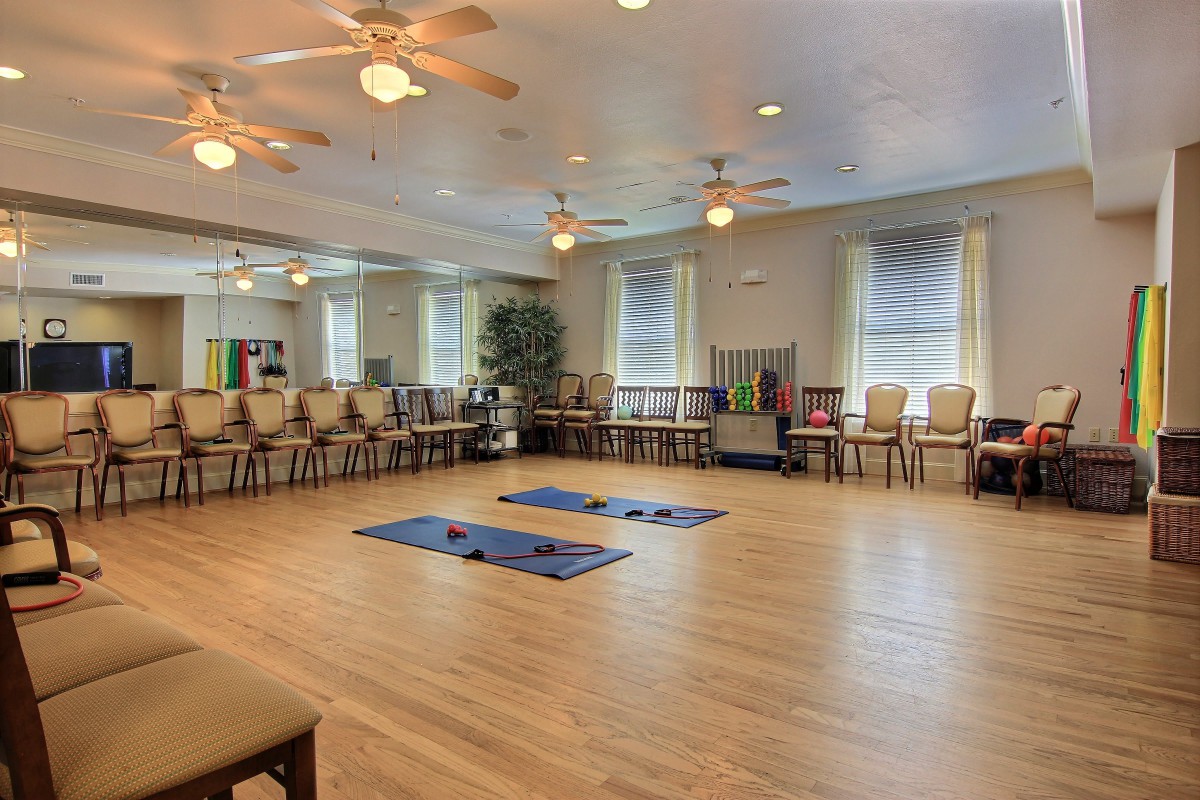
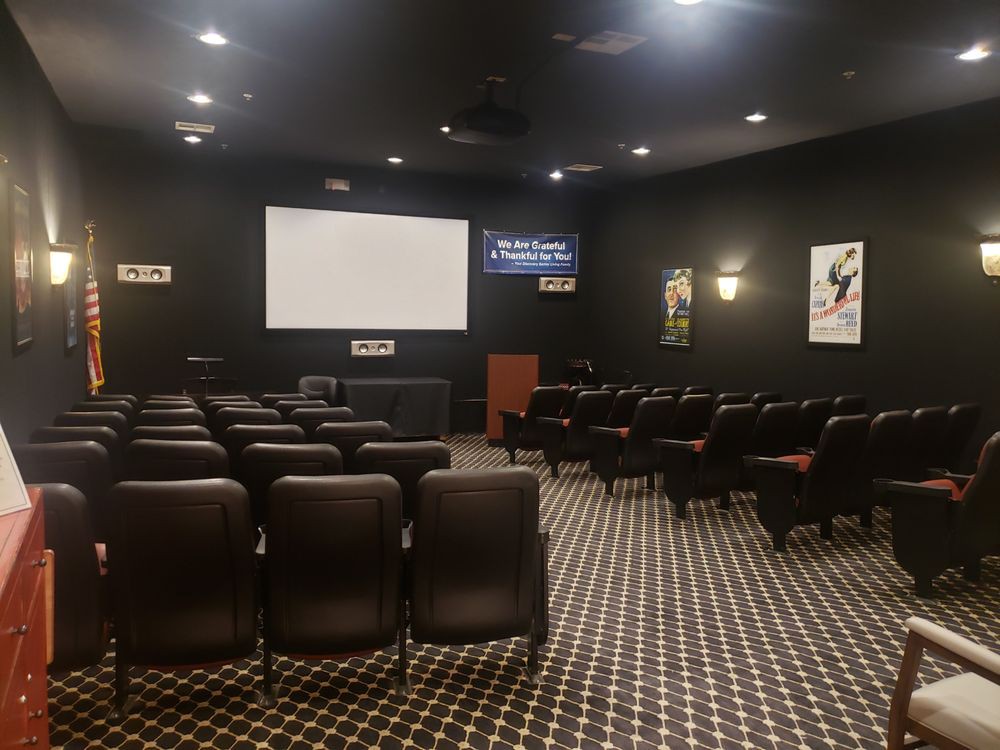
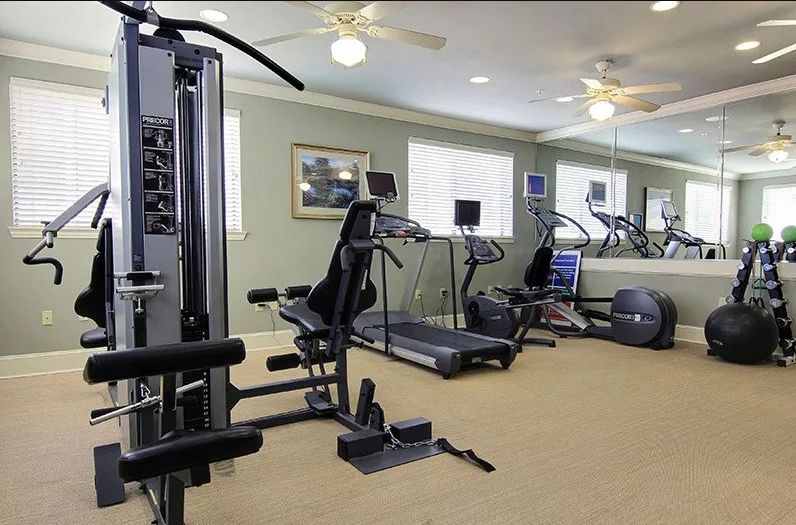
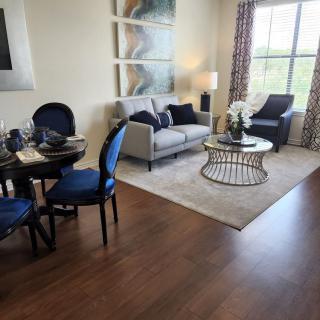
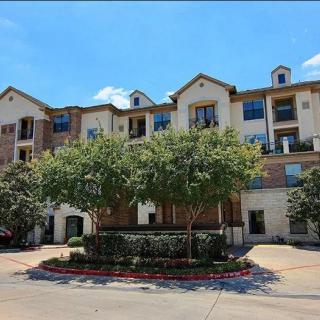
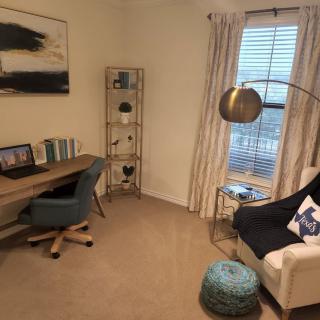
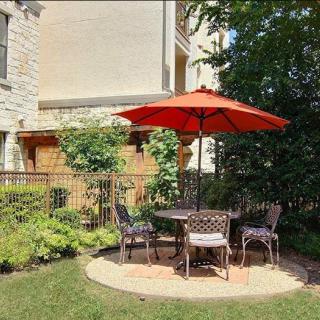
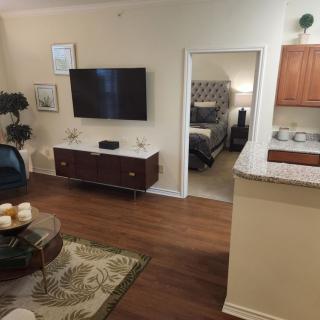
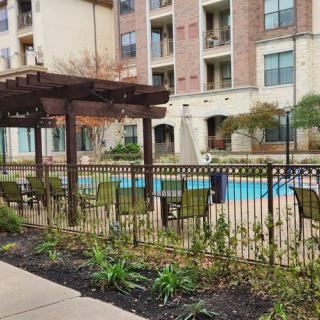
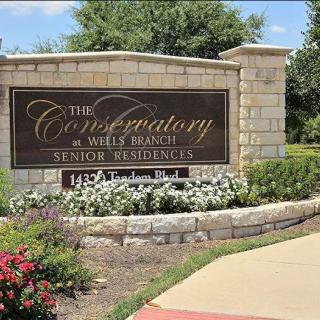
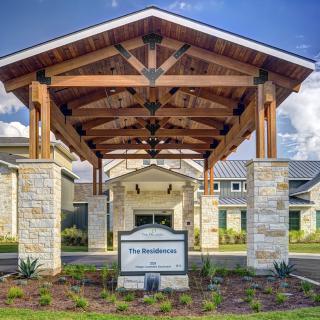
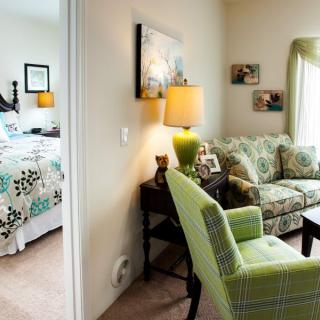
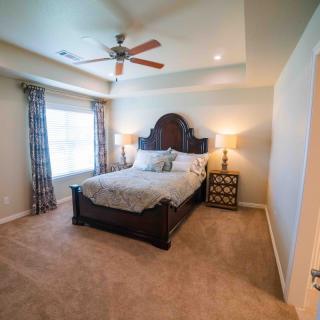
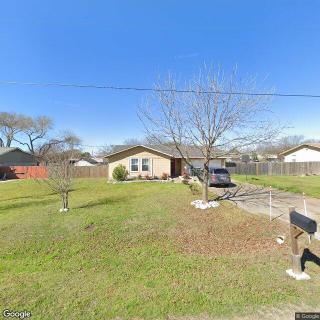
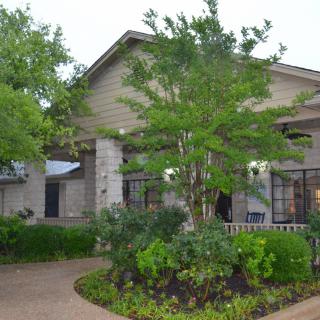
The Conservatory at North Austin on seniors.fyi includes 50 photos including images showing interior, exercise equipment, decor, swimming pool, architecture, outdoor, dining, landscaping, and more.
Nearby Communities
Affinity at Wells Branch
Austin, TX
4.5 from 111 reviews
$1,450 to $1,700 / month
Friendly staff and strong sense of community with ample on-site amenities.
Five Star Personal Care Homes
Austin, TX
Strong access to parks, health services, dining, and cultural venues nearby.
A Serenity Home
Austin, TX
$2,000 / month
Affordable private rooms with many nearby amenities.
Colonial Gardens Of Austin A 2
Austin, TX
3.7 from 52 reviews
$5,200 / month
High-quality, compassionate care with a home-like atmosphere.
Colonial Gardens Of Austin A 1
Austin, TX
3.5 from 35 reviews
Specialized memory care programming with 24-hour supervision and coordinated medical support.
Trinity Dominion
Pflugerville, TX
4 from 4 reviews
$3,602 to $3,902 / month
Excellent, attentive care in a tidy, welcoming environment.
Wells Point Lodge
Pflugerville, TX
4.6 from 75 reviews
$2,575 to $4,300 / month
Friendly, attentive staff and a warm, close-knit community with engaging activities and good meals.
Brookdale North Austin
Austin, TX
4.4 from 113 reviews
$3,700 to $5,060 / month
Warm, caring staff; home-like atmosphere with good dining.
Tech Ridge Oaks N. Austin
Austin, TX
4.5 from 100 reviews
$4,105 to $5,075 / month
Clean environment with friendly staff and engaging activities.
The guide outlines the rising costs of 24/7 in-home care, ranging from $10,000 to over $20,000 monthly, driven by factors such as location and caregiver qualifications. It discusses the limited coverage by Medicare and private insurance, potential Medicaid support, and the emotional and living condition considerations influencing families' decisions on care arrangements.
Home health nursing is an expanding field where licensed professionals provide specialized medical care in patients' homes, addressing the needs of an aging population through personalized services like assessments and medication management. Effective collaboration with healthcare teams, cultural sensitivity, and quality assurance measures are essential for fostering trust and ensuring positive patient outcomes.
Medicare covers in-home health care services, which are medical and provided by licensed professionals under a physician's supervision, whereas non-medical personal assistance is generally not covered unless part of a broader skilled care plan. Eligibility for benefits depends on being homebound and needing intermittent skilled services from a Medicare-certified agency, with specific coverage limitations and additional resources available for navigating options.
Get PricingAsk A QuestionSchedule A TourContact Senior Advisor
By clicking submit, you agree to our Partner's Terms of Use. You
also consent to receive calls and texts, which may be autodialed, from our Partner. Your consent is not a condition to
using our Partner's service. Please visit our Partner's Privacy Policy for information about their privacy practices.


















 216 resident community capacity
 1-bedroom apartments
 Independent Living
 Cats allowed
 Dogs allowed
 Activities off-site
 Air-conditioning
 Bath tubs
 Beautician on-site
 Cable or satellite TV
 Computer center
 Devotional services off-site
 Dining room
 Fitness room
 Full kitchen
 Fully furnished
 Gaming room
 Garden
 Ground floor units
 Housekeeping services
 Indoor common areas
 Move-in coordination
 Outdoor common areas
 Private bathrooms
 Restaurant-style dining
 Small library
 Swimming pool / hot tub
 Telephone
 VA Benefits Consultation
 Wellness center
 Wheelchair accessible showers
 Wi-Fi/high-speed internet available
 Austin-Bergstrom International (17 miles away)
 Community operated transportation
 12-16 hour nursing
 24-hour call system
 Assistance with dressing
 Hospice waiver
 Medication management
 Mental wellness program
 Diabetes diet
 Special dietary restrictions
 Art classes
 Catholic services
 Concierge services
 Day trips and outings
 Educational speakers / life long learning
 Jewish services
 Friendly staff and strong sense of community with ample on-site amenities.


 Understanding the Full Cost of 24/7 In-Home Care: A Detailed Overview
 Exploring the World of Home Health Nurses: Qualifications, Roles, and Hiring Tips
 Navigating Medicare Coverage for In-Home Care Services