
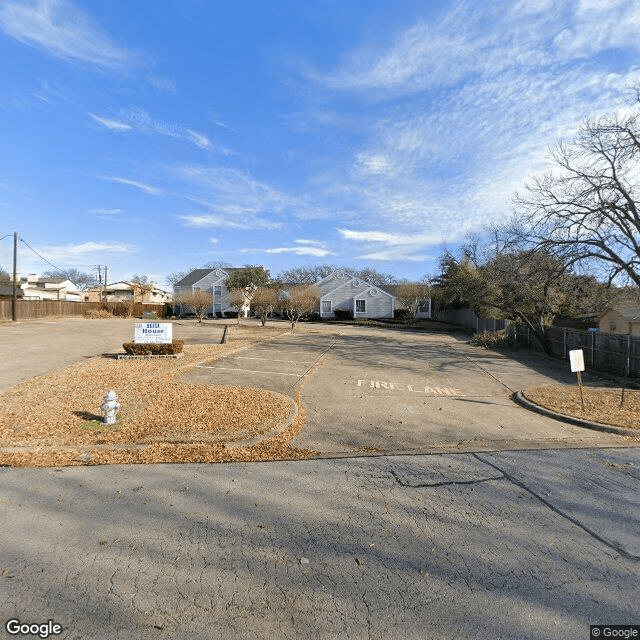
1515 Gina Drive, Arlington, TX 76013
To contact a resident: (817) 861-5074
For more information about senior living options: (866) 208-4318
Hill House Senior Living Costs & Pricing
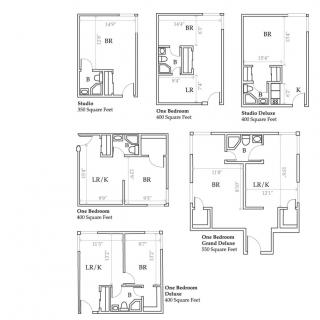
Hill House Senior Living offers a competitive option for seniors seeking accommodation, with a monthly cost for a studio room set at $1,695. This price point stands in stark contrast to the average rates in Tarrant County, which sit at approximately $3,659, and the broader Texas state average of around $3,758. By providing a more affordable alternative, Hill House not only alleviates financial burdens for families but also enhances accessibility to quality senior living options. This strategic positioning underscores their commitment to delivering both value and comfort in an increasingly costly market.
| Floor plans | Hill House Senior Living | Tarrant County | Texas |
|---|---|---|---|
| Studio | $1,695 | $3,659 | $3,758 |
Independent Living communities with a similar price nearby
-
from +$195 / mo
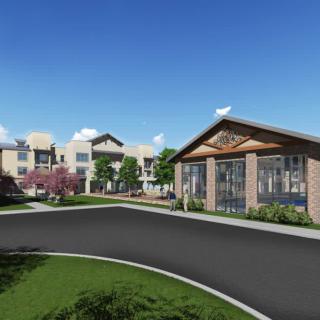
Watermere at Flower Mound
$1,890 to $2,845 / month22.0 miles away -
from +$80 / mo
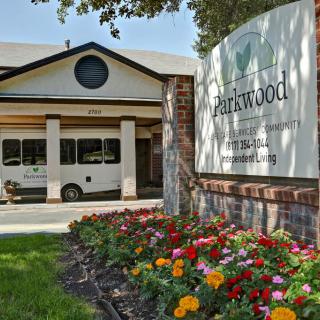
Parkwood Independent Living
$1,775 to $2,420 / month7.6 miles away -
from +$200 / mo
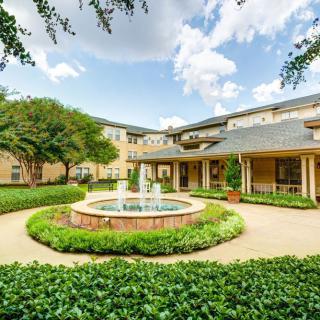
Town Village Crossing
$1,895 to $3,109 / month1.0 miles away -
from +$214 / mo
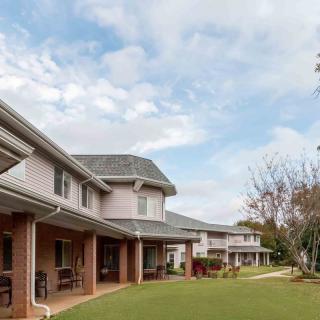
Holiday Fox Run Estates
$1,909 to $3,489 / month2.7 miles away -
About the same
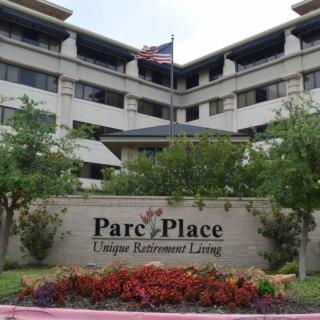
Parc Place
$1,700 to $3,000 / month8.2 miles away
Overall Review of Hill House Senior Living
Cons
 They should not send their dog there.
- A woman was sitting on the curb, cold and hungry.
- They promise many things.
- They told the reviewer that her mother was faking dementia.
- The mother left the apartment, fell, and broke her hip, and no ambulance was called.
Review
This Hill House Senior Living community in Arlington, Texas is best approached by families who have limited options and must accept substantial supervision and risk management overhead. In practical terms, it is a last-resort consideration for those who can commit to constant oversight, relentless verification of care promises, and rapid escalation when concerns arise. The best use of time for decision-makers weighing Hill House is to acknowledge that, given the reported experience, safety and responsiveness appear to be major vulnerabilities rather than strengths.
Those who may want to consider alternatives are families faced with urgent questions about medication management, emergency response, and dementia-related care. If a resident requires reliable calls to family, prompt ambulance coordination after a fall, or clear, consistent verification of diagnoses, Hill House raises red flags. The one documented experience describes misrepresentation of a resident’s condition, a fall with a hip fracture, and a lack of timely communication, circumstances that strongly suggest seeking a facility with better oversight, transparent incident reporting, and proven safeguards against neglect and misdiagnosis.
The core cons cited in the report overwhelm any potential upside. The caregiver response is portrayed as dismissive at a critical moment, claims that a resident was “faking it” and the failure to call for medical help or notify family after a serious fall. The consequences are severe: an elderly mother left cold and hungry, a fall that resulted in a broken hip, and a breakdown in trust surrounding both routine care and urgent needs. These elements point to systemic lapses in medication management, resident safety, and accountable communication, all of which undermine the fundamental duties of any senior living setting. In the absence of concrete, verifiable strengths in the review, the cons cannot be offset by any clearly identified advantages.
To proceed wisely, families should pursue a rigorous due diligence plan before considering Hill House. Demand a thorough tour that includes live demonstrations of medicine administration, housekeeping, and personal care tasks; request recent incident logs and state inspection results; and interview current residents and families about responsiveness and safety. Ask for explicit policies on emergency calls, ambulance coordination, and dementia care protocols, and verify staff training records, turnover rates, and caregiver-to-resident ratios. If the facility cannot provide transparent documentation or credible assurances around these points, alternatives with verifiable quality metrics should be prioritized.
The decision approach should also weigh the financial and emotional costs of continued exposure to uncertain care versus the stability offered by competing communities. Hill House, as reflected in one troubling account, carries a risk profile that demands aggressive risk mitigation through close supervision and ongoing verification. For families who cannot commit to exhaustive oversight, the conclusion is clear: seek other options with documented reliability, proactive safety cultures, and a track record of timely, respectful communication in emergencies.
In summary, Hill House Senior Living is not well aligned with priorities of safety, dignity, and dependable response. It is best considered only when no viable alternatives exist and a plan for intensive oversight is in place from day one. For most families, particularly those with residents requiring consistent medical management or rapid emergency intervention, pursuing other communities with transparent procedures, stronger safeguarding practices, and verified positive outcomes is the prudent course.
 Independent Living
 Activities off-site
 Bath tubs
 Devotional services off-site
 Indoor common areas
 Outdoor common areas
 Dallas-Fort Worth International (13 miles away)
 Meals provided
 Competitive pricing; diabetes care; active social environment.

 Recognizing the Journey: Understanding and Navigating Anticipatory Grief
 Encouraging Participation in Adult Day Care: A Guide to Supporting a Hesitant Parent
 Comprehensive Exploration of Living Wills and Other Advance Directives