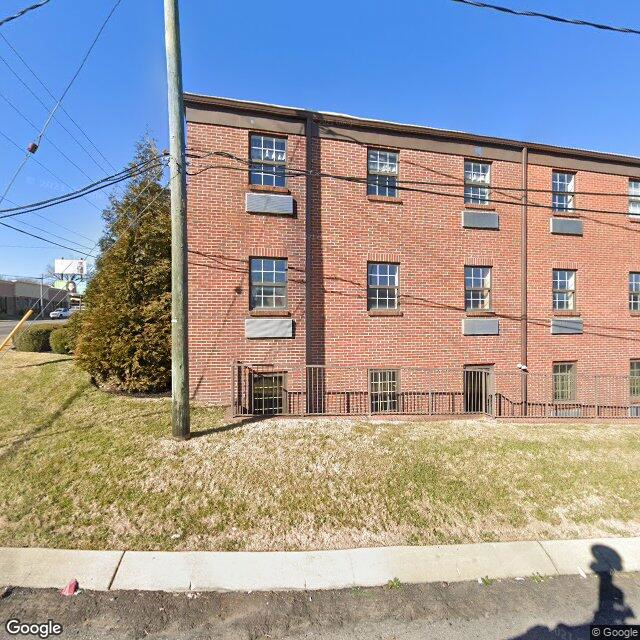
3110 Nolensville Rd., Nashville, TN 37211
To contact a resident: (615) 832-7802
For more information about senior living options: (866) 208-4318
Radnor Towers Costs & Pricing
Radnor Towers offers competitive pricing for its accommodations, particularly when compared to the broader market in Williamson County and the state of Tennessee. For a one-bedroom unit, residents at Radnor Towers pay $800 per month, significantly lower than the county average of $4,261 and the state average of $3,592. Similarly, the two-bedroom option is priced at $933, which still presents an attractive alternative to Williamson County's average of $5,019 and Tennessee's average of $3,962. These favorable rates make Radnor Towers an appealing choice for individuals and families seeking quality living spaces without the steep costs typically associated with the surrounding area.
| Floor plans | Radnor Towers | Williamson County | Tennessee |
|---|---|---|---|
| 1 Bedroom | $800 | $4,261 | $3,592 |
| 2 Bedrooms | $933 | $5,019 | $3,962 |
Independent Living communities with a similar price nearby
-
from +$75 / mo
NorthPark Village Senior Living
$875 to $3,100 / month11.6 miles away
Overall Review of Radnor Towers
Pros
 The place is a nice place to live.
- The office staff and maintenance are very helpful.
- The grounds and the interiors are kept very clean.
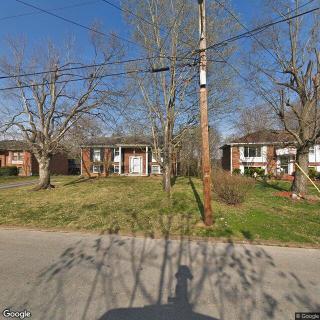
- It offers a very nice outdoor space and a dog park with doggie stations.
- There is a pavilion with tables and seating, and grills around the walkway.
- Security lighting and stepped-up police patrols contribute to safety.
- The neighborhood is walkable with nearby amenities like Woodbine Fresh Market.
- The building is kept neat, and residents report no problems with tenants or staff.
- Residents are pleased with living there.
Cons
 Radnor Towers was the worst place they've lived, with the worst people, and rampant drug and alcohol use, including residents with mental illness.
- They discriminate against service animals and would not recommend it.
- They reportedly refused public access to a service dog, which was very disappointing.
- They wouldn’t recommend anyone living at Radnor Towers.
- The staff are cold and uncompassionate, more focused on money than residents.
- They evicted a family member with dementia/Alzheimer’s and did not inform relatives, which was uncompassionate.
- The eviction was mishandled, with a brief 22-second phone call announcing it.
- There were pipe bursts, carpet damage, and ongoing renovations that required hotel relocation and caused delays.
- The management is described as “scum” for neglecting maintenance and prioritizing money.
- Not suitable for dementia, Alzheimer's patients, or anyone needing assisted living.
Review
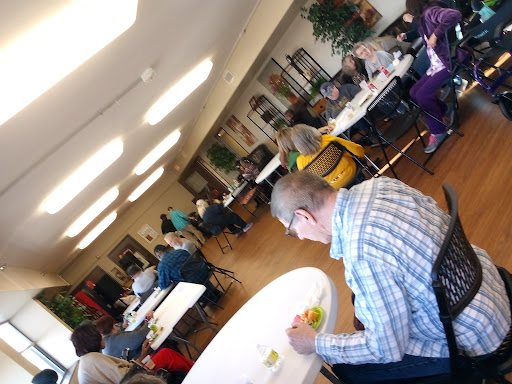
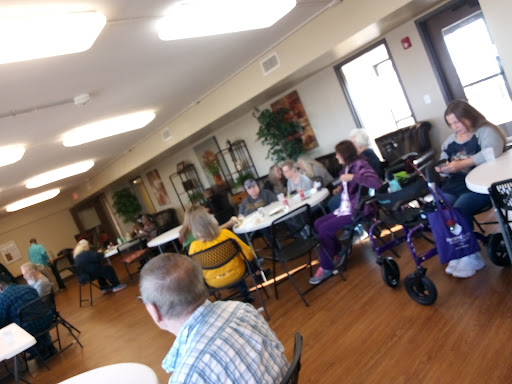
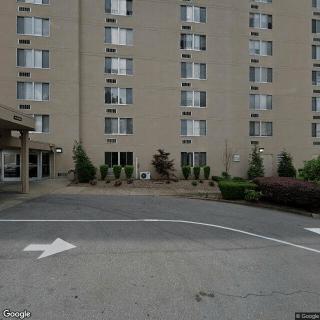
Radnor Towers in Nashville is best suited for independent seniors who can manage daily living with minimal assistance, value a clean, well-kept environment, and enjoy a pet-friendly setting with ample outdoor space. The community rewards residents who keep their apartments orderly and who favor a calm, residential atmosphere over a clinical feel. It is not designed for those needing memory care or heavy hands-on supervision; the building and staff operate on a self-care model rather than an assisted-living model. Prospective residents should expect a straightforward, self-reliant lifestyle here, balanced by the reality that support from staff is limited to routine maintenance and general assistance rather than dedicated caregiving.
Alternatives should be on the radar for families with relatives who cannot safely live with minimal help. Those needing memory care, dementia care, or consistent, compassionate supervision will want to look elsewhere. Service animals, a critical need for some seniors, may encounter policy friction here, raising ADA-related concerns that cannot be ignored. Families should also consider options with stronger eviction protections, clearer communication channels, and more reliable emergency and maintenance responsiveness. If robust on-site caregiving, transparent management, and predictable service are priorities, other communities will likely serve better.
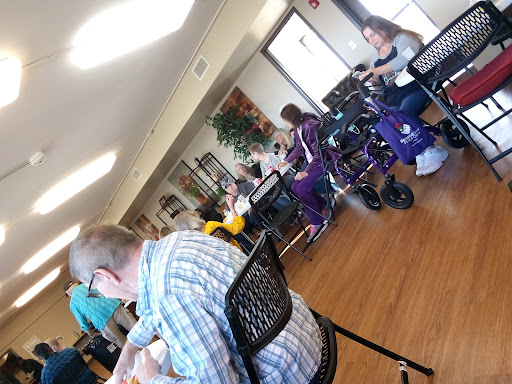
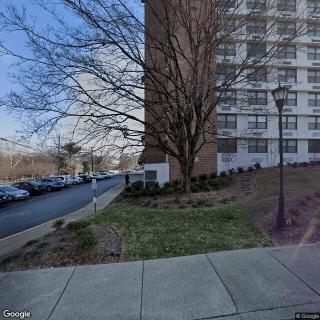
The strongest positives here are in the living environment and day-to-day livability. The property is kept neat, both inside and out, and the grounds offer a pleasant outdoor space, a dog park, and social amenities such as a pavilion and grills that encourage light, low-key gatherings. Office staff and maintenance can be helpful, and certain residents report a comfortable, quiet atmosphere when neighborhood expectations, no loud disturbances, neat apartments, are met. Security lighting and stepped-up local patrols provide a sense of safety, and proximity to a local market adds convenience for routine errands. These elements create a solid baseline for independent living.
Yet the negatives carry significant weight and frequently clash with the positive aspects. The most troubling reports center on safety and behavior within the building: drug activity and mental-health-related disruptions among some residents, which undermine a secure, predictable environment. Service-animal accommodation is a real concern for veterans and others who rely on assistive pets, with repeated claims of discrimination or restricted access. Staff attitudes in some accounts are described as cold or uncaring, and eviction experiences, along with abrupt, poorly communicated moves and ongoing renovation disruption, reveal fragility in management. These dynamics can erode trust and complicate the living experience, especially for residents who require predictable routines.
The day-to-day reality, then, favors residents who are highly self-sufficient, meticulous about their surroundings, and comfortable navigating imperfect communication with management. The building is not positioned as memory-care or assisted-living, and prospective occupants should see this as a self-care setting rather than a care-focused community. The combination of construction projects, maintenance delays, and occasional staff frustration can interrupt comfort and privacy. Potential renters should tour with a critical eye toward how problems are resolved, how quickly repairs are completed, and whether management plainly acknowledges and addresses resident concerns.
Before committing, prospective residents should verify several practical details. Ask for current official policies on service animals and ADA accommodations, and request recent examples of how those policies were handled. Inquire about maintenance response times, how emergencies are prioritized, and whether there is a formal eviction process with clear timelines. Speak with current residents about daily interactions with the staff and any ongoing construction noise or disruption. Review recent communication from management about lease terms, safety updates, and renovation plans. This due diligence will reveal whether Radnor Towers can deliver the stable, independent-living experience desired, or whether the red flags outweigh the positives for the individual case.
Overall, Radnor Towers offers a clean, community-minded environment with pleasant outdoor spaces and approachable staff, but substantial cautions limit its appeal. For seniors who prize independence, value the dog-friendly, low-maintenance setting, and can tolerate occasional management gaps, it can be a workable home. For families seeking dependable caregiving, strong service-animal protections, and a seamless, resident-centered management approach, alternative communities are likely a wiser match. The decision hinges on whether the resident’s needs stay squarely within self-care boundaries or drift into assisted living territory, where Radnor Towers may prove insufficient.
 Active Adult Communities (55+)
 Independent Living
 Cats allowed
 Dogs allowed
 Activities on-site
 Bath tubs
 Beautician on-site
 Ground floor units
 Handicap accessible
 Indoor common areas
 Outdoor common areas
 Wheelchair accessible showers
 Nashville International (4 miles away)
 Meals provided
 Holiday parties


 Top Cars for Senior Drivers and Essential Safety Innovations
 A Closer Look at Private Pay Home Care
 Comprehensive Approaches for Arthritis: A Detailed Guide to Symptoms, Causes, and Care