
1395 Poplar Dr, Medford, OR 97504
To contact a resident: (541) 779-7201
For more information about senior living options: (866) 208-4318
Overall Review of Rogue River Estates
Pros
 The property is described as absolutely beautiful.
- It is presented as a good option for low-income housing.
- The community is made up of friendly residents.
- Some units feature newer wall-mounted air conditioning, suggesting reliable cooling.
Cons
 The reviewer reports a bedbug infestation affecting their elderly mother with Dementia.
- The manager allegedly asked them to keep the infestation quiet.
- They were kicked off the property and can no longer see their mom.
- They are consulting an attorney about the situation.
- They describe the place as horrible.
- There isn’t a lot of storage space in the unit.
- The fridge and stove are small.
- The unit does not get much sunlight, and the AC may not keep up.
Review
Rogue River Estates in Medford is best suited for budget-minded seniors who want independent living with affordable housing options and a neighborly atmosphere, provided that stability in management and pest control are not top on the list of needs. This community can work for residents who value a low-cost entry into senior living and are capable of handling a modest apartment layout with limited storage. It is not a care-forward environment, and those seeking robust supervision, routine housekeeping, or dementia-specific support will quickly outgrow what is offered here. The balance tilts toward affordability and social potential rather than comprehensive services.
Prospective residents should also consider who may want to explore alternatives. Individuals requiring consistent, transparent management and strong pest-control practices should look elsewhere. Families with a loved one who has dementia or significant behavioral or safety needs will likely find this community insufficient. Those who need larger units, more storage, brighter sun exposure, or more reliable climate control may prefer a property with bigger floor plans or updated, maintained infrastructure. In short, this is a budget option for independent living, not a full-service senior community.
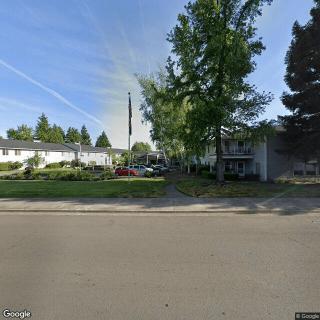
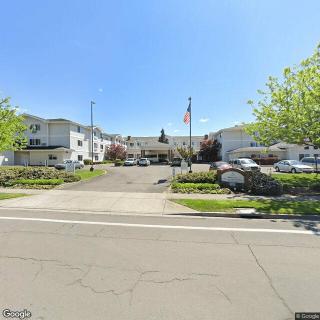
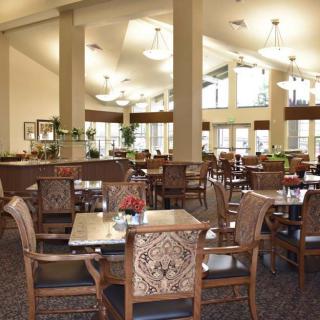
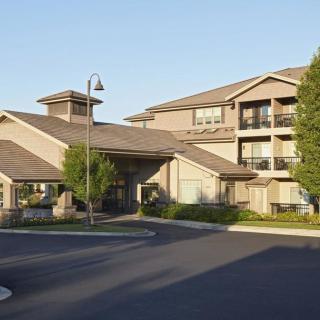
The most tangible positives center on social potential and affordability. Some observers describe the place as “absolutely beautiful” in terms of exterior presentation and certain interior touches, with an atmosphere that can feel friendly and low-key. The availability of low-income housing means affordable monthly costs for residents who qualify, which can be a meaningful factor for fixed incomes. A studio setup, a decent-sized bathroom, and a bathtub add functional comfort, while a wall air-conditioning unit in some units and a newer feel in parts of the living space help with day-to-day livability. For residents who can live with compact kitchen facilities, these attributes can translate into a reasonable, down-to-earth living experience.
Yet the main drawbacks cannot be ignored, and they consistently undermine the positives. The most severe concern cited is a bedbug infestation paired with a claim that the manager asked a family to keep the issue quiet, followed by removal from the property. Such reports cast doubt on safety, trust, and ongoing pest-management practices, and they are not easy to overlook for anyone evaluating long-term residency. There is also a sense of limited privacy and autonomy tied to the management style, as indicated by eviction-like consequences in a heated complaint. Beyond pests, the apartment layout itself is small, with limited storage and compact kitchen appliances (fridge and stove). The units generally deliver less sunlight in many layouts, and some may struggle with heat buildup in sunny orientations, further diminishing day-to-day comfort for those who spend substantial time at home.
From a decision-making perspective, the practical steps are clear. Investigate the current pest-control measures and recent maintenance history; speak with multiple residents about how concerns are handled; review the lease terms, especially around enforcement, notices, and expectations for quiet enjoyment; and assess whether the studio layouts will continue to meet evolving needs as aging or care requirements change. Compare monthly costs, included services, and the potential for price increases. In parallel, scout nearby independent living communities and assisted-living options with stronger safety records, clearer policies, and higher service levels to determine if any offer a superior balance of cost, comfort, and security.
In the end, Rogue River Estates presents a mixed proposition. It delivers affordability and a friendly, small-community vibe that could suit independent seniors who can navigate limited space and need a budget-friendly option. However, the combination of pest-control concerns and reported management challenges significantly narrows its suitability, especially for residents who require reliable oversight or a clean, transparent operating environment. For those on a strict budget with minimal care needs, a careful, in-person assessment is warranted, but the prudent move is to explore alternatives first. If pest integrity and appointment-style management can be confirmed and trusted, the decision may tilt toward trying this community; otherwise, prioritize properties with stronger reputations for safety, service, and resident advocacy.
 Independent Living
 Rogue Valley International (2 miles away)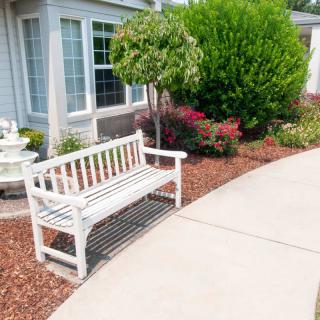


 Senior Move Management: Understanding the Role, Value, and Associated Costs
 Weight Training for Seniors: Building Strength and Vitality
 Understanding the Sandwich Generation: Stress and Responsibilities for Multigenerational Caregivers