
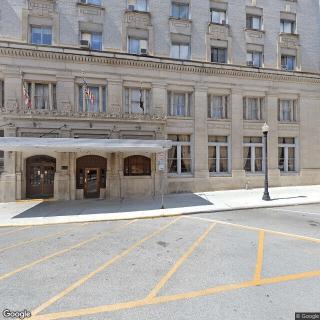
72 Town Sq, Lima, OH 45801
To contact a resident: (419) 227-5732
For more information about senior living options: (866) 208-4318
Overall Review of Town Square Apartments
Pros
 The apartments are nice and clean, with friendly people and great security.
- The square is beautiful.
Cons
 The management is terrible at handling the elderly and disabled, described as a fire hazard with no working elevator in a high-rise complex.
- The service in Lima, Ohio is among the worst, with a family member’s belongings discarded and staff refusing to explain what happened.
- The people there are shady, and the reviewer advises others not to use them.
Review
Town Square Apartments in Lima, Ohio is best suited for active adults who want clean, quiet, affordable housing and do not require elevator access or built-in assisted-living services. The grounds and interiors can feel orderly, and residents frequently note a straightforward security presence and a pleasant neighborhood vibe around the central plaza. For someone who values a tidy, low-drama environment and can handle stairs in a high-rise, this community offers a practical, no-frills living option without the higher price tag of dedicated senior housing. In short, Town Square delivers basic comfort and a contained, manageable setting rather than a full-service, senior-focused experience.
Conversely, this community begs for alternatives for seniors who cannot climb stairs regularly or require reliable, hands-on building management. Several reviews flag the lack of an elevator, calling it a fire hazard and an unacceptable barrier for elderly residents or wheelchair users. There are also warnings about management and accountability, loss of personal belongings and opaque handling of disputes, falling into the realm of serious service failure. Families seeking transparent policies, consistent responsiveness, and a commitment to resident safety would be prudent to look at other options that emphasize accessibility, on-site staff, and a track record of safe handling of possessions.
The strongest positives, clean, well-kept apartments, general friendliness, and solid security, already feel meaningful, but they do not fully balance the dominant drawbacks. Clean spaces and visible security help with daily comfort and peace of mind, yet the absence of an elevator directly diminishes quality of life for mobility-limited residents. The fire-hazard label, whether literal or perceived, raises risk that cannot be dismissed when evaluating long-term safety, maintenance responsiveness, or emergency readiness. Even if some residents report agreeable neighbors, the shadow of inconsistent service and rumor-driven concerns undermines trust. In practical terms, the operational realities tend to cancel out several apparent perks for households needing predictable, resident-focused management.
Prospective tenants should approach with concrete questions before signing. Verify elevator status and maintenance plans, confirm that any required accessibility accommodations are reliably available, and document a clear process for handling lost belongings or misplaced items. Talk with current residents about response times and the willingness of management to address safety issues, noise, or maintenance requests. Request a written policy on emergencies, storage, and dispute resolution, and consider a trial occupancy if possible. Simultaneously compare with alternatives that pair elevator access with stronger stewardship, such as independent living or assisted-living communities that emphasize safety, accountability, and resident services.
From a family decision standpoint, affordability remains a factor, but not at the expense of critical accessibility and service reliability. The property may suit someone who values location and straightforward lease terms and who is comfortable managing stairs. For long-term planning, however, the risk of belongings being mishandled or the facility’s management stance appearing unresponsive can translate into real emotional and financial costs. In Lima’s senior housing market, Town Square sits at a crossroads: it can be a solid stopgap for the healthy, budget-conscious resident, or a poor fit for those who require consistent accessibility, advocacy, and a higher standard of care.
Bottom line: Town Square Apartments should be pursued only by able-bodied adults who prize cleanliness, security, and a central feel, and who can live with a high-rise without an elevator and without depending on the property for comprehensive care. Families considering alternatives should look at options that guarantee elevator access, transparent management, and tangible policies on possessions and safety. For anyone with mobility needs or a wish for steadier oversight, it is prudent to keep searching and bring the comparative options into the evaluation now rather than waiting for a crisis.
 Independent Living





 Weight Training for Seniors: Building Strength and Vitality
 Understanding the Sandwich Generation: Stress and Responsibilities for Multigenerational Caregivers
 8 Essential Assistive Devices for Older Adults