


200 Fox St, Sidney, NY 13838
To contact a resident: (607) 563-8000
For more information about senior living options: (866) 208-4318
Overall Review of Sidney Senior Village
Pros
 It is a nice place for seniors to live.
- It seems like very nice housing with easier living for senior folks.
- The mother-in-law shows affection for Florence.
Cons
 The place is poorly managed and overpriced.
Review
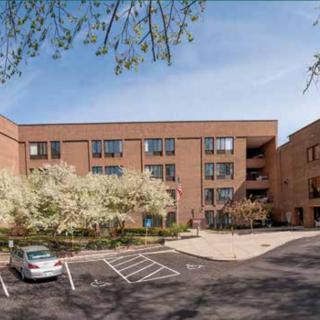
Sidney Senior Village in Sidney, NY is best suited for independent seniors who want a low-friction, neighborly setting where daily life is organized around ease and companionship. The community projects a warm, home-like vibe and is clearly positioned as a place for elders to age in place with practical support woven into everyday routines. From initial impressions, it offers straightforward housing that keeps maintenance simple and social opportunities accessible, aligning with experiences that describe it as a pleasant place to live and a setting that makes daily living easier for senior folks. For families seeking a calm, predictable environment over luxury or cutting-edge services, this community presents a compelling fit.
Alternatives should be considered by residents whose priorities include rigorous management discipline, transparent, market-aligned pricing, or robust on-site medical coordination. The most consistent critique in the feedback is a sense that management is not as tight as it could be and the cost of living is notably high for what is delivered. For seniors who require frequent care oversight, detailed care planning, or clear, itemized pricing, other options in the region may offer sharper governance and easier-to-justify value. In short, when staffing reliability and predictable costs are non-negotiable, it pays to compare a few other communities before committing.
On the upside, the pros are tangible. The facility earns praise for being a nice, welcoming place and for rendering easy living, a practical blend of comfortable spaces, accessible services, and a social atmosphere that invites participation. The sense that this is established for the elder suggests mature programming, familiarity with aging-in-place needs, and routines that minimize friction. Such strengths translate into fewer daily hassles, smoother transitions for newcomers, and a feeling that neighbors are present and supportive. Those factors can be decisive for families seeking steadiness and a sense of community above flashier amenities.
However, the negatives cannot be ignored. The most pointed fault is perceived mismanagement paired with perceptions of overpriced care. If monthly costs are not clearly justified by a concrete menu of services, families may feel stretched thin as demands for assistance rise or as expectations of value go unmet. This combination, questionable governance alongside higher-than-expected pricing, creates a tension that undermines the otherwise positive impression. The risk is not that the environment fails, but that ongoing administrative snags and cost concerns erode confidence over time, especially for residents who rely on routine service delivery and for families budgeting long-term care.
Decision-makers should approach with a practical checklist: verify what is included in the stated monthly rate, request an itemized services schedule, and ask about adjustment policies as needs evolve. Tour the property with a focus on how staff respond to concerns, how maintenance issues are resolved, and how meals, transportation, and activities are coordinated. Compare to nearby options to gauge whether other communities deliver more predictable pricing, stronger resident governance, or better alignment between cost and care. The aim is to separate the warm, easy-listening ambiance from the administrative realities that define value over time.
In the end, Sidney Senior Village stands out as a supportive, elder-conscious community that can serve well for those who prize simplicity, proximity to social interaction, and a steady routine. It is a credible option for families prioritizing comfort and companionship over luxury or aggressive care. Those for whom price remains a dominant constraint or who anticipate escalating care needs should actively explore alternatives with clearer pricing structures and tighter management accountability. For the right resident, the positives, ease of living, a welcoming environment, and a mature, elder-focused culture, can outweigh the drawbacks, delivering a dependable, neighborly place to call home.
 Independent Living




 Caregiver Exhaustion: Recognizing the Signs and Restoring Your Well-Being
 Understanding Hospice Care at Home: Comprehensive Services, Key Benefits, and Eligibility
 Understanding the Full Cost of 24/7 In-Home Care: A Detailed Overview