Rehabilitation care and therapy are described as thorough in many stays, but some residents report missed or limited therapy time.
Many reviews describe strong physical and occupational therapy support, including people highlighting PT and OT as a standout part of rehab. Several families also mention recovery-focused help such as safe transfers and strength-building guidance. At the same time, a subset of reviews say promised therapy schedules did not happen, leaving limited therapy sessions during a stay. Some residents also describe difficulty getting the help they needed as they moved between meals and bathroom needs.
common11 reviews mention this
Dining is often praised
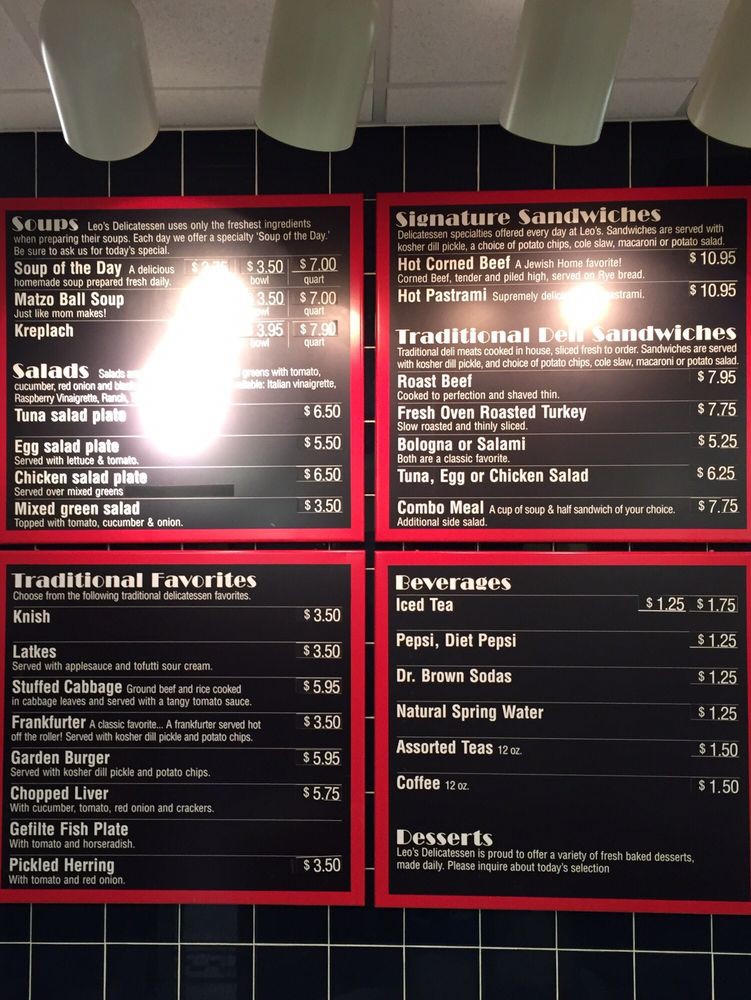
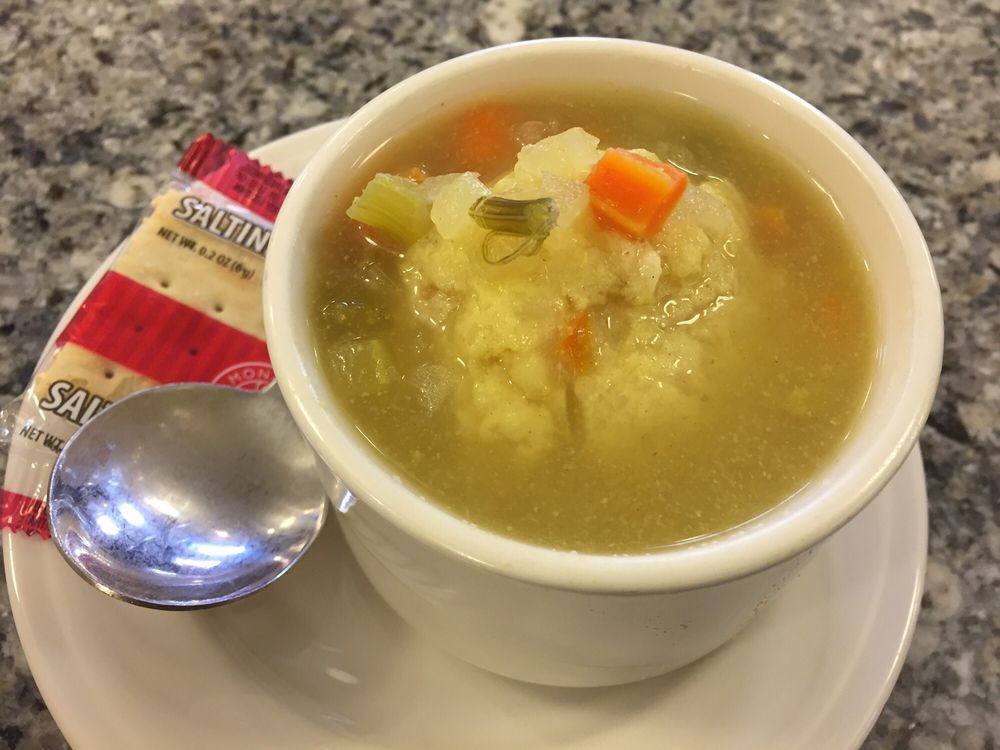
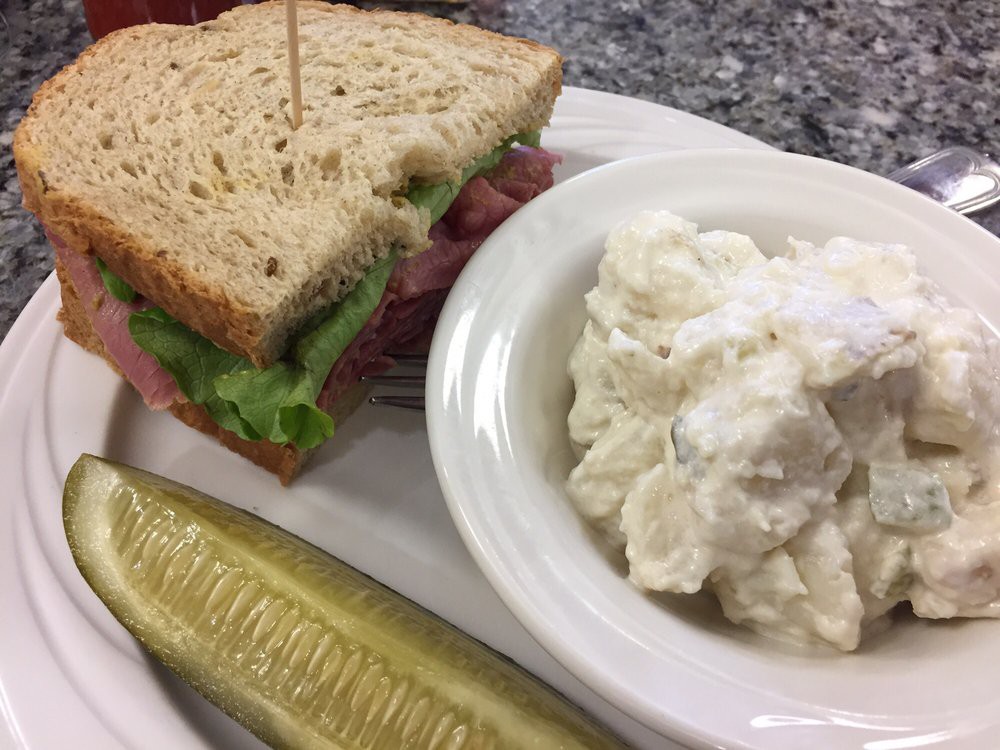
Meals are frequently described as good, though a few reviews call the food unappetizing.
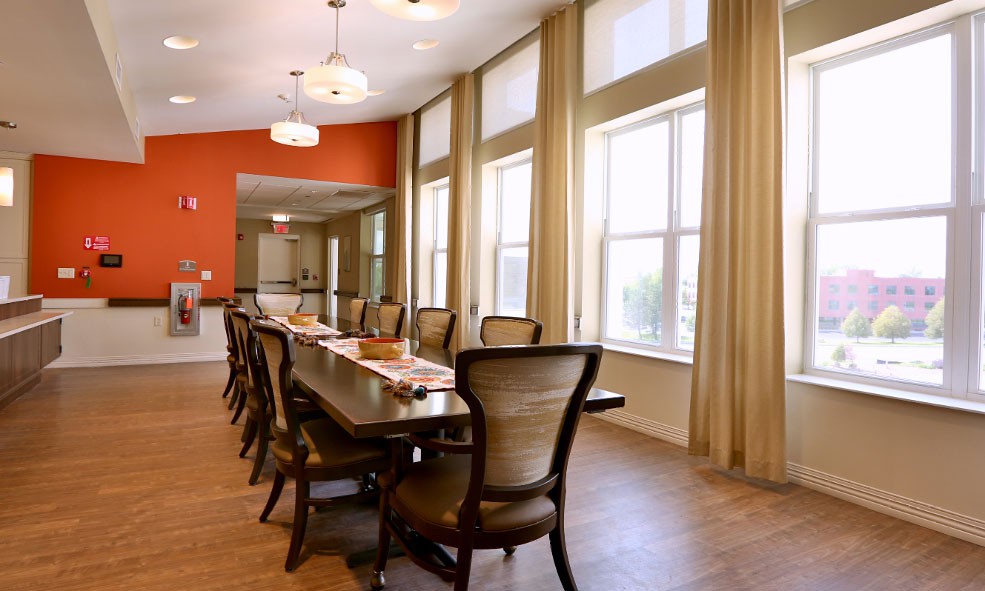
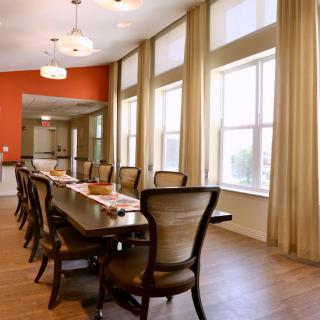
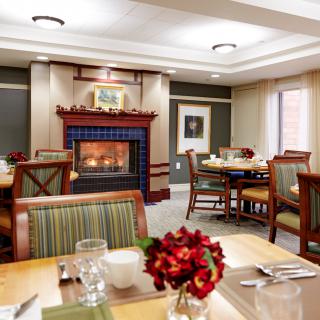
Food comes up repeatedly in positive reviews, with residents or families describing good meals and enjoying eating again. Reviews also mention the dining room as a pleasant place to be during a stay or visit. The negatives are more limited, but there are also reviews that describe meals as disgusting or criticize how often the same food is served. One review also suggests the food could be improved based on a resident’s complaints.
common7 reviews mention this
Cleanliness stands out, but not always
Residents and families often mention cleanliness and upkeep, while a smaller number report unclean conditions.
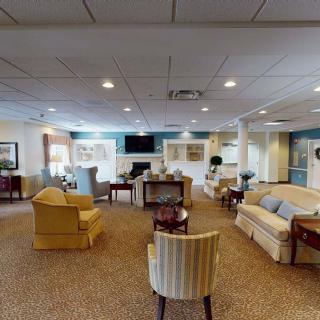
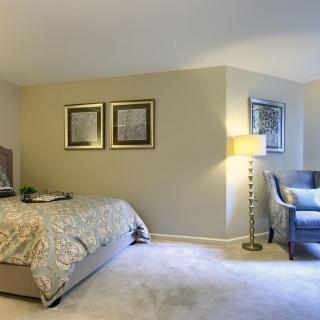
Several reviews directly praise cleanliness, describing a clean environment, clean rooms, and a facility that feels well kept. Others describe bright, well-cared-for spaces like dining areas and common areas. However, there are also reviews that describe dirty conditions, including a bad smell, and one review that says the facility was unclean. A few negative reviews also mention safety or maintenance problems that go beyond cleanliness.
caveat8 reviews mention this
Staffing and responsiveness concerns
Some reviews say staffing levels affect how quickly residents get help, especially with bathing, toileting, and emergency needs.
A recurring concern in multiple reviews is that there were not enough aides or that help could be slow, particularly for toileting, bathing, and responding to call lights. Some reviews go further, describing rude or neglectful care, including delays in assisting with restroom needs and concerns about safety. Others mention that therapy staffing or overall staffing affected whether schedules were followed. Even in reviews that are generally positive, one suggestion is to add more aides or nurses to improve day-to-day coverage.
caveat5 reviews mention this
Value feels too expensive
Multiple reviews describe pricing as very expensive, with concerns about what families received for the cost.
Several reviewers explicitly describe the overall cost as very expensive and name it as a key drawback. One review cites a daily rate and says the level of service did not match what was needed after a service mismatch, which contributed to disappointment. Another review mentions a hefty bill even after the resident felt care promises were not met. A few reviews also reference expense as more than they could handle or as not worth the price given care concerns.
How we summarize
Counts show how many written reviews mention each theme; a review can touch several themes, and only frequently mentioned themes are displayed.
Features
Housing
362 resident community capacity
Types of Care
Independent Living
Skilled Nursing Facility
Amenities
Air-conditioning
Beauty salon
Cable or satellite TV
Computer center
Dining room
Fitness room
Fully furnished
Gaming room
Garden
Housekeeping services
Kitchenette
Move-in coordination
Outdoor space
Private bathrooms
Restaurant-style dining
Small library
Telephone
Wellness center
Wi-Fi/high-speed internet available
Transportation
Greater Rochester International (5 miles away)
Community operated transportation
Transportation arrangement
Transportation arrangement (non-medical)
Transportation to doctors appointments
Care Services
12-16 hour nursing
24-hour call system
24-hour supervision
Activities of daily living assistance
Assistance with bathing
Assistance with dressing
Assistance with transfers
Diabetes diet
Meal preparation and service
Medication management
Mental wellness program
Special dietary restrictions
Dining
Diabetes diet
Special dietary restrictions
Activities
Community-sponsored activities
Concierge services
Fitness programs
Planned day trips
Resident-run activities
Scheduled daily activities
Nearby Places of Interest
Physicians
Westfall Cardiology (0.4 miles)
Clinton Crossings (0.8 miles)
Doctors Office (0.8 miles)
Urology Associates of Rochester (0.8 miles)
Sanders James O MD (0.9 miles)
Haben Practice for Voice & Laryngeal Laser Surgery (1 miles)
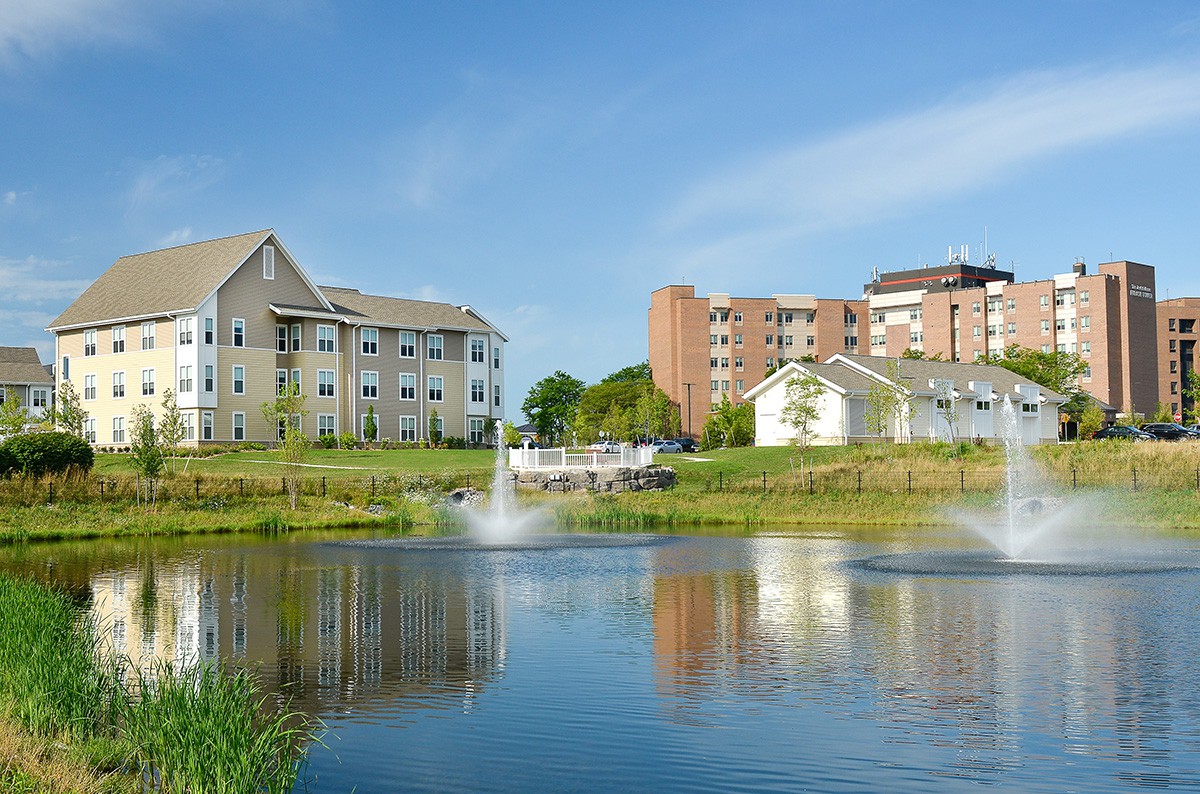
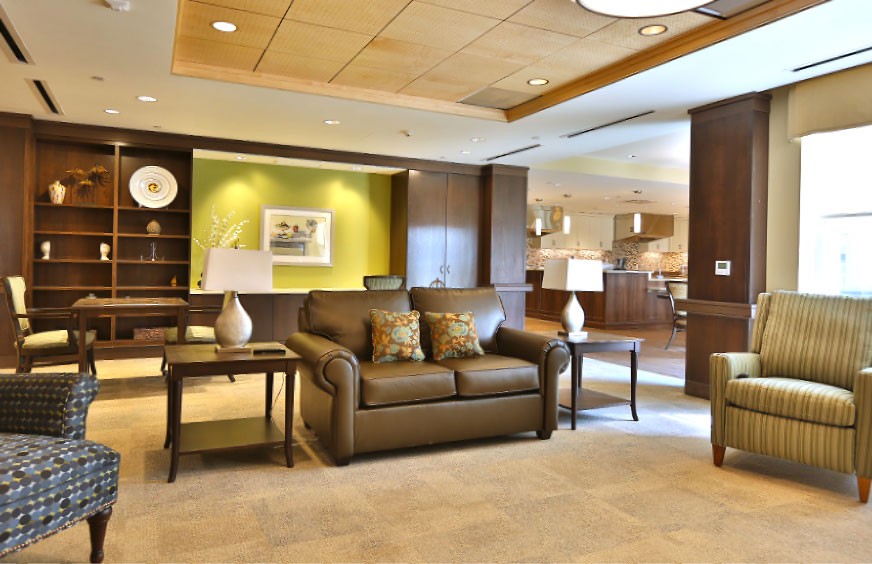
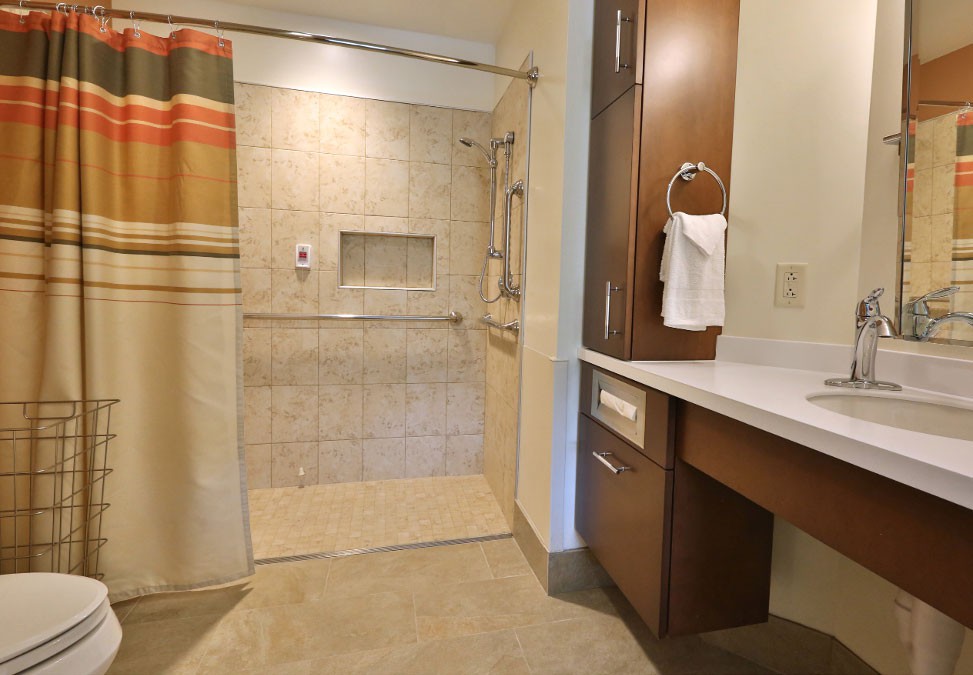
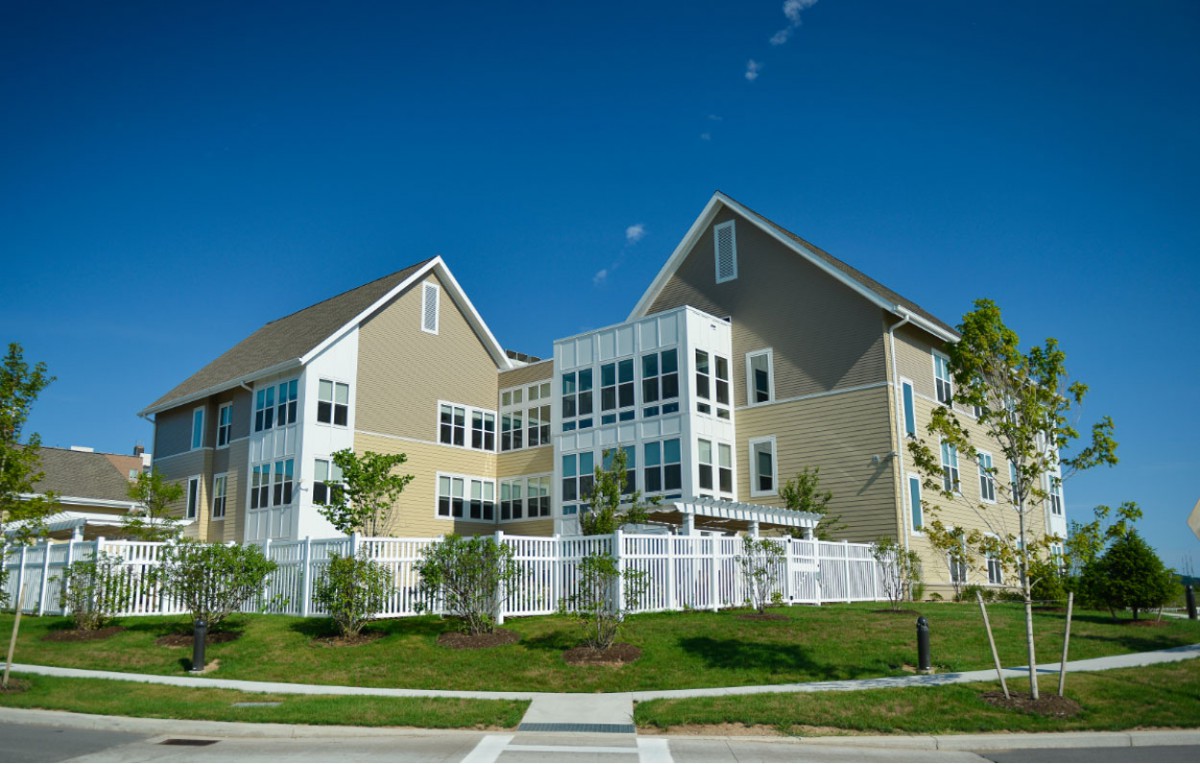
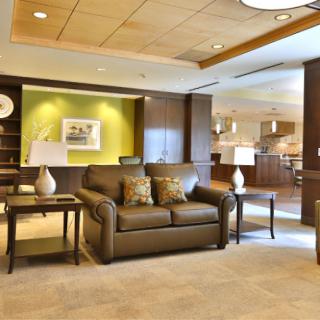
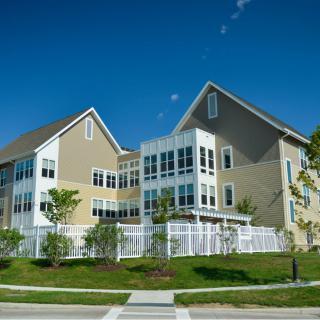
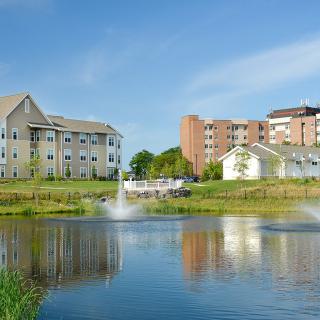
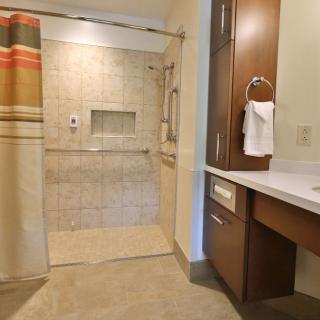
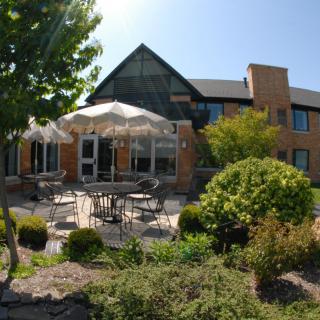
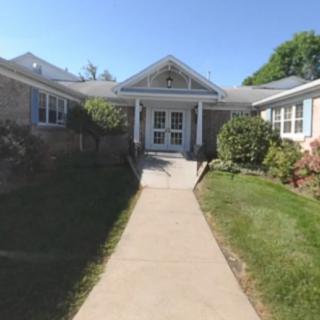
Jewish Home of Rochester on seniors.fyi includes 12 photos including images showing dining, vegetables, interior, lighting, bathroom, shower, building, architecture, and more.
Nearby Communities
The Lodge At Wolk Manor
Rochester, NY
Dedicated memory care with supportive staff and nearby amenities.
Summit at Brighton
Rochester, NY
4.6 from 52 reviews
Wide range of care options (CCRC, Independent Living, Memory Care) with 24/7 supervision and comprehensive daily living support.
The Summit at Brighton a CCRC
Rochester, NY
4.6 from 50 reviews
$2,724 to $3,554 / month
Extensive amenities, diverse dining options, and active lifestyle programs.
Jewish Senior Life
Rochester, NY
3.4 from 77 reviews
Convenient access to nearby dining, parks, healthcare, and places of worship.
Wolk Manor
Rochester, NY
Diabetic care, meals provided, and indoor social spaces.
Wolk Manor Enriched Living Center
Rochester, NY
3.8 from 9 reviews
Friendly, caring staff; home-like apartments and well-maintained amenities.
The Landing of Brighton
Rochester, NY
4.3 from 98 reviews
$4,395 to $5,995 / month
Caring staff with a warm, welcoming atmosphere, clean facilities, and engaging activities (including therapy dogs).
The Gables of Brighton
Rochester, NY
4.1 from 108 reviews
$2,430 to $3,575 / month
Caring staff, clean environment, and spacious, well-equipped apartments with activities.
The article emphasizes the critical role of supportive employee benefits for caregivers, advocating for flexible scheduling, paid leave, and mental health services to ease their challenges while enhancing employee well-being and organizational loyalty. It also highlights the importance of strong leadership in promoting these initiatives to foster a sustainable workplace culture that values caregivers.
Senior drivers prioritize comfort, safety, and ease of use in vehicles due to age-related challenges, seeking features like easy entry, clear visibility, and modern driver-assistance technologies. Recommended models include the Subaru Forester, Honda CR-V, and Toyota Camry, with emphasis on test-driving for personal comfort and evaluating crash-test ratings alongside insurance considerations.
Private pay home care offers a flexible caregiving option for older adults and families who don't qualify for government programs, allowing them to directly fund in-home care services that range from daily assistance to specialized support. This model's customization potential enables aging in place while addressing financial considerations through strategic planning options, though clients must navigate marketplace challenges and ensure quality compliance.
Get PricingAsk A QuestionSchedule A TourContact Senior Advisor
By clicking submit, you agree to our Partner's Terms of Use. You
also consent to receive calls and texts, which may be autodialed, from our Partner. Your consent is not a condition to
using our Partner's service. Please visit our Partner's Privacy Policy for information about their privacy practices.




 362 resident community capacity
 Independent Living
 Skilled Nursing Facility
 Air-conditioning
 Beauty salon
 Cable or satellite TV
 Computer center
 Dining room
 Fitness room
 Fully furnished
 Gaming room
 Garden
 Housekeeping services
 Kitchenette
 Move-in coordination
 Outdoor space
 Private bathrooms
 Restaurant-style dining
 Small library
 Telephone
 Wellness center
 Wi-Fi/high-speed internet available
 Greater Rochester International (5 miles away)
 Community operated transportation
 12-16 hour nursing
 24-hour call system
 Activities of daily living assistance
 Assistance with bathing
 Assistance with dressing
 Assistance with transfers
 Diabetes diet
 Medication management
 Mental wellness program
 Special dietary restrictions
 Concierge services
 Planned day trips
 Dedicated memory care with supportive staff and nearby amenities.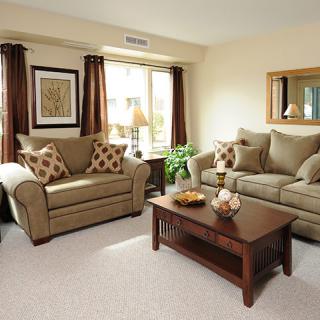
 Supportive Employee Benefits That Help Caregivers Attain Better Work-Life Harmony
 Top Cars for Senior Drivers and Essential Safety Innovations
 A Closer Look at Private Pay Home Care