


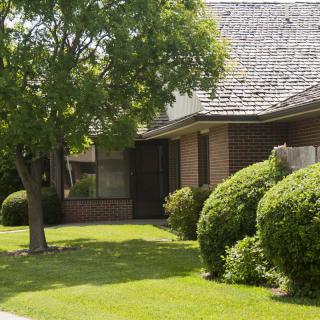
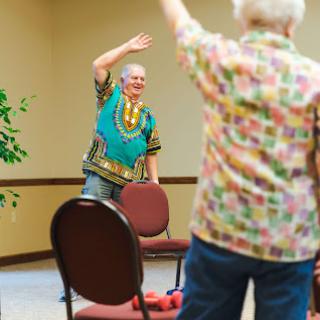
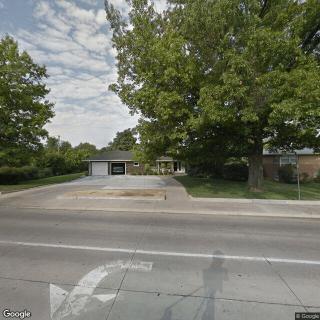
1021 Cedars Dr, McPherson, KS 67460
To contact a resident: (620) 241-0919
For more information about senior living options: (866) 208-4318
The Cedars a CCRC Costs & Pricing
The Cedars, a Continuing Care Retirement Community (CCRC), offers an attractive pricing structure that stands in stark contrast to both McPherson County and the wider Kansas state averages. For instance, residents can secure a studio apartment for just $550 per month, significantly lower than the county's average of $2,273 and the state's average of $4,094. Similarly, one-bedroom units are available at the same competitive rate of $550, while the county and state prices rise to $2,713 and $3,859 respectively. Even two-bedroom options are reasonably priced at $675 per month - this figure aligns with McPherson County's average but offers substantial savings when compared to Kansas's statewide cost of $3,562. The Cedars not only emphasizes affordability but also creates an inviting environment for residents seeking both community and quality care without straining their finances.
| Floor plans | The Cedars a CCRC | McPherson County | Kansas |
|---|---|---|---|
| Studio | $550 | $2,273 | $4,094 |
| 1 Bedroom | $550 | $2,713 | $3,859 |
| 2 Bedrooms | $675 | $675 | $3,562 |
Overall Review of The Cedars a CCRC
Pros
 The staff are caring and compassionate and treat residents like family.
- The facility is always clean.
- It would be recommended for placement there if a family member needed care.
- The memory unit is loved by residents, and the staff are very good and conscientious.
- The Cedars Nursing Home and The Assistant Living are highly rated for elderly and disabled rehabilitation in the surrounding areas.
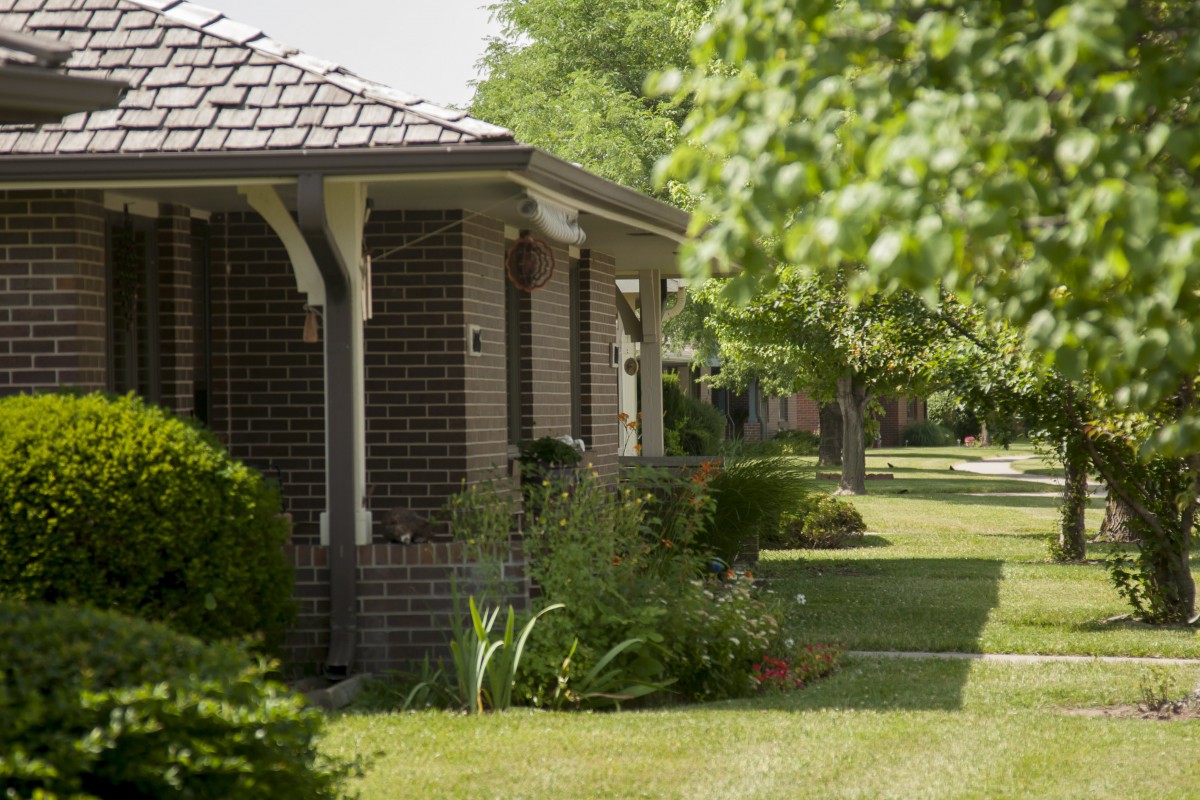
- The facility is very well kept, with friendly faces, a loving environment, and immaculate cleanliness.
- The staff are generally good and provide effective physical therapy services.
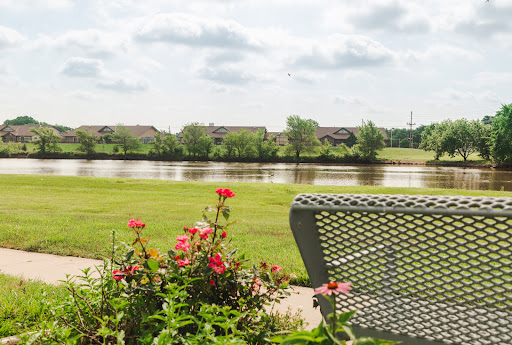
- The area is comfortable for visitors to sit and talk.
- The staff brighten the days of clients through activities and interactions.
Cons
 One reviewer described the experience as “Terrible!!”
- The facility was criticized for not caring for its employees while families are grieving, calling it a “sorry place”
- A reviewer said the staff failed to cater to a resident, leaving them without food for three days
- The reviewer felt the facility fell short on something vital, resulting in a very low rating
Review
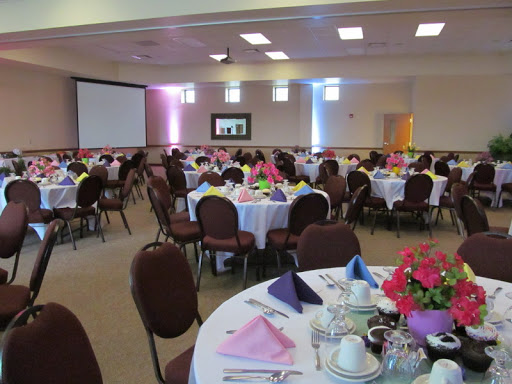
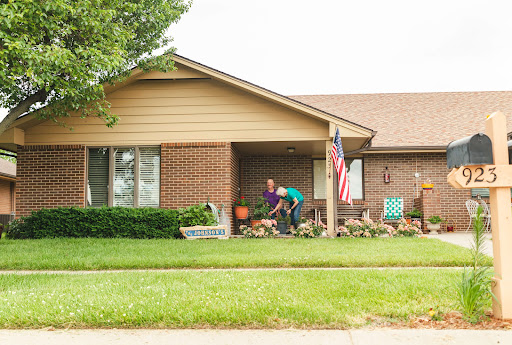
The Cedars in McPherson is best suited for seniors who want a true continuum-of-care option, with accessible memory care and rehabilitation services wrapped into an overall assisted-living environment. The atmosphere rewards routines and familiar rhythms, and staff are routinely praised for warm, attentive care that treats residents like family. Cleanliness and a home-like setting underpin daily life, while on-site therapies, mobility support, and the potential to shift through levels of care without uprooting a person make this community a practical anchor for long-term planning. For families facing evolving needs, short-term rehab, ongoing assisted living, or memory-support requirements, this is a setting designed to stay with residents as care needs grow.
Those who should consider alternatives are those who prize dining consistency and predictability above all else. Several reviews flag meal service as a recurring pain point, citing periods when food quality or provisioning fell short and leaving residents waiting or unmet in their dietary needs. A sense of uneven responsiveness from administration and front-line caregivers also appears in feedback, suggesting that staffing stability and reliable daily routine are not uniformly baked in. For families who cannot tolerate uncertain meal planning, variable service levels, or a lack of transparent staffing practices, it makes sense to explore other communities with a sharper focus on culinary reliability and more visible, steady operational rhythms.
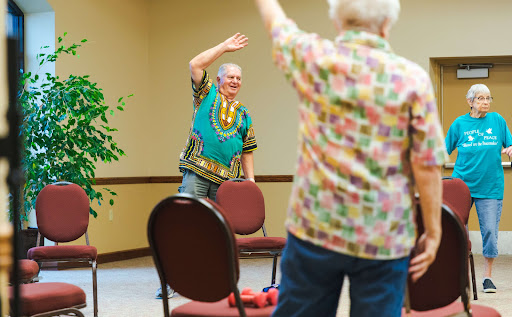
On balance, the positives at The Cedars carry substantial weight. The caregiving staff come across as genuinely caring and capable, consistently elevating residents’ daily experience with compassionate, respectful treatment. The facility’s cleanliness reinforces a sense of safety and dignity, while the presence of a memory unit provides a critical asset for cognitive decline, enabling more stable, familiar environments for residents and their families. The availability of physical therapy, rehab services, and on-site amenities like a beauty salon and exercise room translates into practical, enablement-focused care that supports meaningful daily activity. When these strengths align with a resident’s needs, the Cedars becomes a trustworthy home base rather than a provisional stop.
Nevertheless, the drawbacks are real and should be weighed with care. Food-service lapses, whether a missed meal, limited menu options, or a lack of alignment with personal preferences, pose a meaningful risk to overall satisfaction and daily well-being. Reports of broader concerns about how essential services are managed hint at a pattern that could, if unaddressed, erode confidence during difficult moments. The commentary about how staff and policies operate around emotionally charged times, such as a relative’s illness, also signals that a fully seamless experience depends on steady leadership and responsive teamwork. Taken together, the community delivers nurturing care but remains vulnerable to operational hiccups that must be actively managed.
The Cedars’ advantages can meaningfully offset its warts when the right safeguards are in place. The combination of a caring staff and a clean, home-like milieu softens the impact of occasional care gaps, particularly for families prioritizing memory support and rehabilitation within a single campus. The memory unit and rehab framework ensure cognitive and physical needs stay coordinated, reducing the stress and disruption of transitions. The crucial steps for prospective residents are to confirm current dining practices, staffing stability, and activity scheduling; to request sample menus and a frank discussion about dietary accommodations; and to gauge local references for both care quality and family communication. When those elements are solid, the Cedars offers credible value for mid- to upper-tier pricing.
To move forward with confidence, visitors should schedule a thorough, targeted tour that centers on dining quality, therapy cadence, and daily activity calendars. Probe the memory unit’s routines, staff-to-resident ratios, and the consistency of caregiving shifts. Seek out recent family experiences with crisis moments and the administration’s responsiveness. Compare all-in costs with nearby continuum-care options, accounting for potential move-in incentives and long-term care trajectories. For families seeking a stable, compassionate environment that can accommodate evolving care needs in one place, The Cedars presents a compelling option; for those with unwavering expectations around flawless dining and uninterrupted day-to-day operations, it remains prudent to scrutinize alternatives before committing.
 113 resident community capacity
 Assisted Living
 Independent Living
 Memory Care
 Cats allowed
 Dogs allowed
 Activities off-site
 Air-conditioning
 Bath tubs
 Beautician on-site
 Cable or satellite TV
 Computer center
 Devotional services off-site
 Fitness room
 Full kitchen
 Fully furnished
 Gaming room
 Garden
 Ground floor units
 Handicap accessible
 Housekeeping services
 Indoor common areas
 Move-in coordination
 Outdoor common areas
 Private bathrooms
 Restaurant-style dining
 Small library
 Swimming pool / hot tub
 Telephone
 Wellness center
 Wheelchair accessible showers
 Wi-Fi/high-speed internet available
 Community operated transportation
 24-hour call system
 Ambulatory care
 Assistance with bathing
 Assistance with dressing
 Assistance with transfers
 Diabetes diet
 Diabetic care
 High acuity care
 Medication management
 Mental wellness program
 Special dietary restrictions
 Art classes
 Concierge services
 Day trips and outings
 Educational speakers / life long learning
 Live dance or theater performances
 Live musical performances
 Protestant services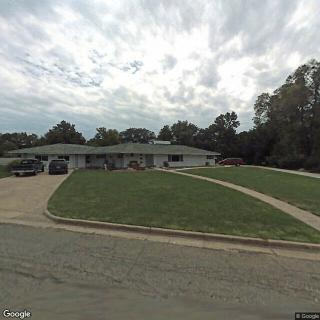

 When to Transition from Assisted Living to Memory Care: Key Indicators, Steps, and Finding the Right Community
 Understanding the Distinctions: Assisted Living and Memory Care Explained
 How to Communicate with a Loved One Living with Dementia: 10 Supportive Strategies