
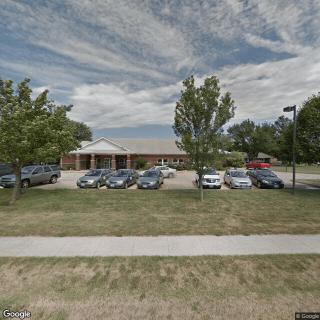
612 Grand Ave, Creston, IA 50801
To contact a resident: (641) 782-5166
For more information about senior living options: (866) 208-4318
Overall Review of Creston Community Housing Inc
Pros
 The flowers in residents' yards are lovely.
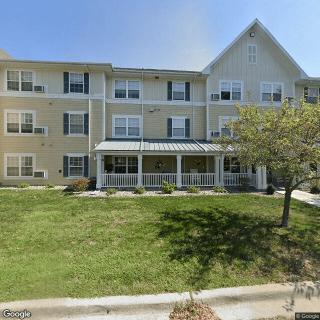
- The apartment visited is cozy.
- The grassy spaces are tranquil.
- Residents have enjoyed community-building bazaar sales.
Cons
 They used to clear the driveway during the day, but lately they have not been doing it until 11:00 p.m.
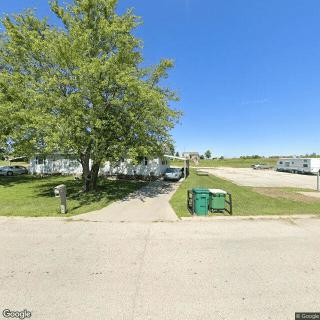
- The yard is rarely mowed in summertime.
- Sidewalks are left with snow and ice for days.
- Residents have trouble getting help from maintenance.
- There appears to be a nepotism issue that needs to be addressed.
Review
Creston Community Housing Inc is best suited for independent seniors who prize a quiet, intimate living environment over formal assisted-living services. It works best for residents who can handle basic day-to-day tasks without relying on round-the-clock staff, and who want a small, neighborly setting rather than a bustling campus. The appeal rests in a homelike feel, cozy apartments, tranquil grassy spaces, and garden textures that soften the routine of aging in place. Those who value small social moments, like local bazaars and informal neighbor interactions, may find the atmosphere welcoming. This is not a place built around high visibility staffing or rapid problem-solving, but rather around a steady, understated sense of community.
The strongest positives lie in the aesthetic and social cues that support a low-key, homelike experience. A cozy apartment, welcoming nooks, and well-tended flowers in resident yards create a visually pleasant, calming backdrop. Grassy spaces feel open without feeling institutional, and residents can enjoy informal community gatherings that foster a sense of belonging. The emphasis on simple beauty, flowers, greenery, and compact courtyards, works as a daily mood lifter for residents who prefer a serene setting over a high-traffic, service-heavy environment. For those who value independent living with light social opportunities, these attributes can be meaningful anchors.
However, the downsides are substantial and hard to overlook. Yard upkeep appears inconsistent, with summertime mowing lapses that undermine curb appeal and outdoor usability. Sidewalks and common pathways can be left snow- or ice-covered for extended periods, creating safety risks and inconveniences for residents who move about outdoors. Maintenance responsiveness is reported as unreliable, with residents finding it difficult to obtain timely help when issues arise. A notable concern centers on governance and transparency around charges, including a water-use notice that signals potential overcharges or miscommunication about billing, perceived as a nepotism-related pattern that leaves residents questioning fairness and prioritization of service requests. These operational gaps undercut the otherwise tranquil, homey vibe.
The positive elements do partly offset the drawbacks for residents who already accept a measured level of service and who prioritize a sheltered, close-knit environment over institutional efficiency. For someone who can tolerate slower maintenance cycles and limited outdoor amenities, the flowers, the quiet scenery, and the sense of belonging can still deliver meaningful comfort. The community’s charm, its small events, informal social fabric, and the visual warmth of yards and common spaces, can compensate, to a degree, for the gaps in responsiveness and governance. Yet the balance shifts decisively for anyone who values consistent upkeep, predictable service, or clearer governance as central to daily life.
Prospective residents should deliberately compare this community to alternatives that offer stronger maintenance responsiveness, clearer billing practices, and more transparent governance. Those who require frequent or urgent maintenance, reliable snow and ice removal, or a robust on-site staff for safety and daily tasks will likely find Creston Community Housing insufficient. Families weighing options for aging in place, not yet needing full assisted living but desiring dependable support, should consider communities with documented maintenance response times, proactive groundskeeping schedules, and governance structures that demonstrate neutrality and equity in service allocation. In short, alternatives with greater operational reliability will usually outperform on core daily living criteria.
If Creston remains on the short list, approach with a brisk, question-driven assessment: request specific timelines for maintenance requests, demand a published maintenance and groundskeeping schedule, and seek a transparent explanation of how billing decisions are made and who signs off on them. Probe governance practices to understand how concerns about nepotism or preferential treatment are addressed and who oversees those controls. Confirm the level of social programming and how accessible it is to residents with limited mobility. With clear expectations set, the decision can hinge on whether the tranquil setting and intimate community truly outweigh the recurring maintenance and governance concerns.
 Independent Living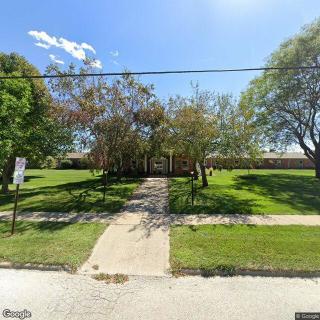


 Understanding the Full Cost of 24/7 In-Home Care: A Detailed Overview
 Exploring the World of Home Health Nurses: Qualifications, Roles, and Hiring Tips
 Navigating Medicare Coverage for In-Home Care Services