

415 South 2nd SE, Clinton, IA 52732
To contact a resident: (563) 242-9000
For more information about senior living options: (866) 208-4318
Village Cooperative of Clinton Costs & Pricing
At Village Cooperative of Clinton, the monthly costs for various room types reflect a competitive pricing structure compared to both Clinton County and the wider state of Iowa. For instance, a one-bedroom unit is offered at $800, which stands in stark contrast to the county average of $3,356 and the state average of $2,862. Similarly, two-bedroom accommodations are priced at $1,290, significantly lower than the county's average of $3,888 and Iowa's average of $3,329. Even when considering more premium options like semi-private and private rooms - priced at $6,068 and $7,281 respectively - Village Cooperative remains on par with Clinton County costs while still exceeding state averages of $3,885 for semi-private and $4,670 for private accommodations. Lastly, studio units are listed at $7,888 in comparison to county and state averages that hover around $3,965 and $3,613. Overall, Village Cooperative presents an attractive option for those seeking affordable living arrangements without sacrificing quality or essential services.
| Floor plans | Village Cooperative of Clinton | Clinton County | Iowa |
|---|---|---|---|
| 1 Bedroom | $800 | $3,356 | $2,863 |
| 2 Bedrooms | $1,290 | $3,888 | $3,329 |
| Semi-Private | $6,068 | $6,068 | $3,885 |
| Private | $7,281 | $7,281 | $4,670 |
| Studio | $7,888 | $3,965 | $3,609 |
Overall Review of Village Cooperative of Clinton
Pros
 The building is secure.
- Maintenance is handled by staff.
- The building is handicap accessible.
- It is a wonderful place to live.
- The apartments are huge.
- The property is very clean.
Review
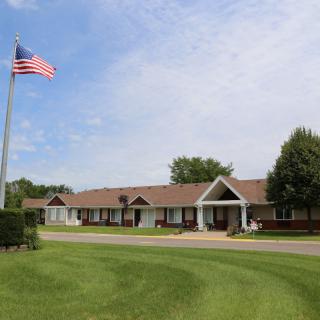
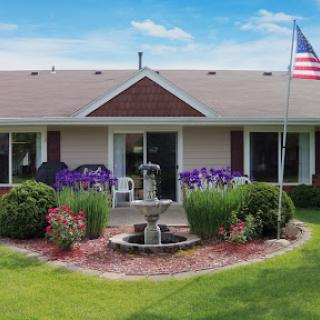
Village Cooperative of Clinton is best suited for older adults who want ownership of their living space, a secure, maintenance-free environment, and ample room to breathe. The cooperative model means residents purchase their apartment rather than pay rent, trading monthly housing costs for equity and a stake in the community. The building is described as secure, with accessible design and a straightforward path to independent living. Apartments are large, and cleanliness and quality are consistently noted. For households seeking a quiet, self-directed lifestyle where upkeep is handled by a dedicated team, this community presents a compelling fit.
Those who require a higher level of on-site assistance or a traditional assisted-living continuum may want alternatives. Because the model centers on ownership and maintenance handled by others, it leans toward independence rather than daily caregiving. Prospective residents who hope for a rental option, easier entry, or a broader range of care services should explore communities that provide on-site caregiving, staff-assisted routines, or memory care. The Village Cooperative excels when independence and self-sufficiency are the focus; it is less about providing full-service assisted living.
Key advantages include a secure building that reduces safety concerns, and the knowledge that maintenance and common-area upkeep are handled. Large apartments give room to customize living space, accommodate a couple or a caregiver, and preserve privacy. Handicap accessibility supports mobility and aging in place, while the emphasis on cleanliness reinforces confidence in management and daily life. Taken together, these factors offset the burden of ownership by delivering predictable living costs, stability, and a high-quality environment with fewer ongoing maintenance headaches.
The ownership framework can translate into long-term value and a sense of community governance. Residents have a stake in the property, which can align with desires for stability and control over surroundings. The absence of rent surprises, thanks to established cooperative terms, facilitates budgeting for seniors on fixed incomes. The combination of space, security, and a maintenance-free model reduces friction during aging, enabling longer residence in one place. Within this structure, residents enjoy a neat, orderly setting that supports independent living while offering built-in reliability and a sense of owning a home rather than renting a unit.
However, trade-offs exist. The upfront purchase price to acquire an apartment can be significant, tying capital that might otherwise be directed to other needs. Ongoing cooperative fees or assessments can add to monthly costs and demand careful budgeting. There may be restrictions on subletting, changes in ownership, or governance requirements that call for participation in a community board, which might feel restrictive. The model may not include comprehensive on-site caregiving, so escalating needs could necessitate relocation. The described advantages offset these concerns for those prioritizing equity, control, and maintenance-free living, but the fit won't be right for every situation.
For families evaluating senior housing in Clinton, Village Cooperative of Clinton stands out when independence, space, and predictable maintenance-free living are top priorities. It is especially strong for households seeking a secure, clean, roomy home and a sense of belonging without the daily burden of home upkeep. Prospective residents should inspect apartment sizes, confirm accessibility features, and review the cooperative structure, including fees, governance, and resale terms. If the goal is to stay in one place with limited caregiver needs and a willingness to own, this community deserves careful consideration; if more intensive daily assistance, rental flexibility, or a wider continuum of care is required, alternatives should be pursued.
 Independent Living
 Cats allowed
 Dogs allowed
 Activities on-site
 Indoor common areas
 Outdoor common areas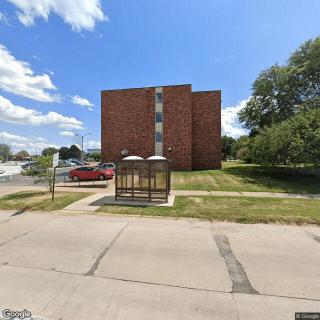






 In-Home Care Costs in 2025: A Detailed State-by-State Exploration
 Understanding Home Health Care: A Comprehensive Guide
 Home Health Care Demystified: A Comprehensive Guide for Families and Caregivers