



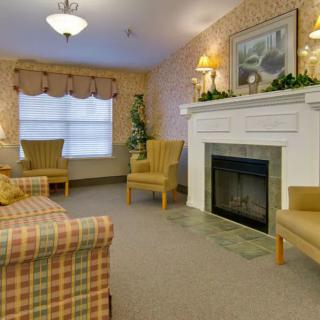


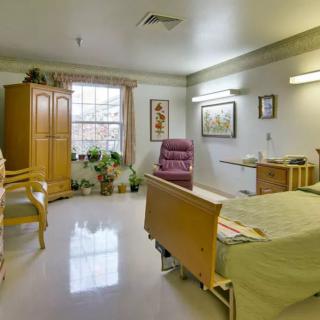









2910 Bluff Creek Drive, Columbia, MO 62501
For more information about senior living options: (866) 208-4318
Overall Review of Tiger Place
Pros
 The staff were wonderful and super friendly, and the meals were quick and delicious.
- The staff became family, providing loving care and kindness to residents.
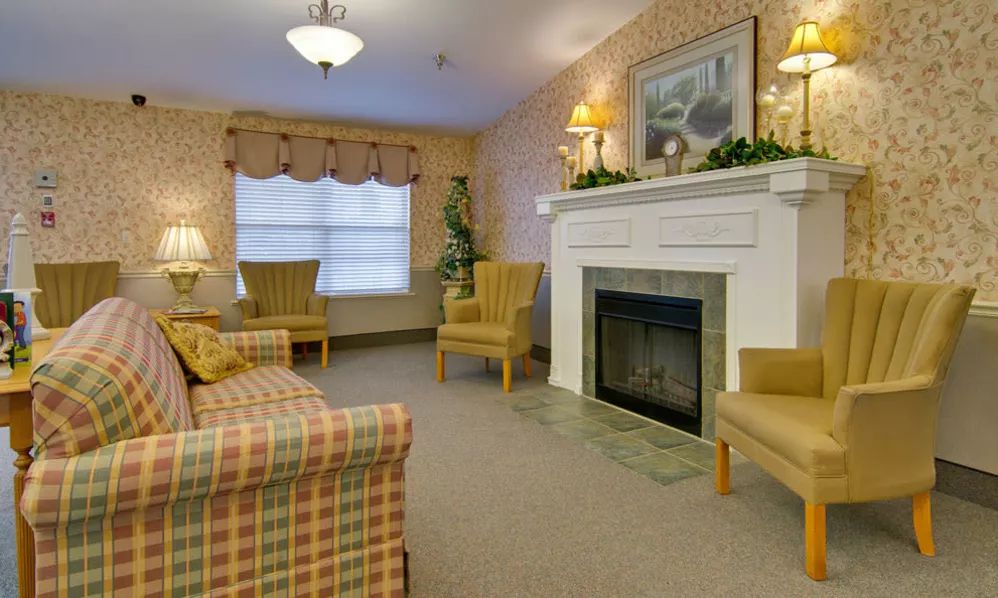
- Tiger Place offers a very upbeat, warm, and welcoming atmosphere.
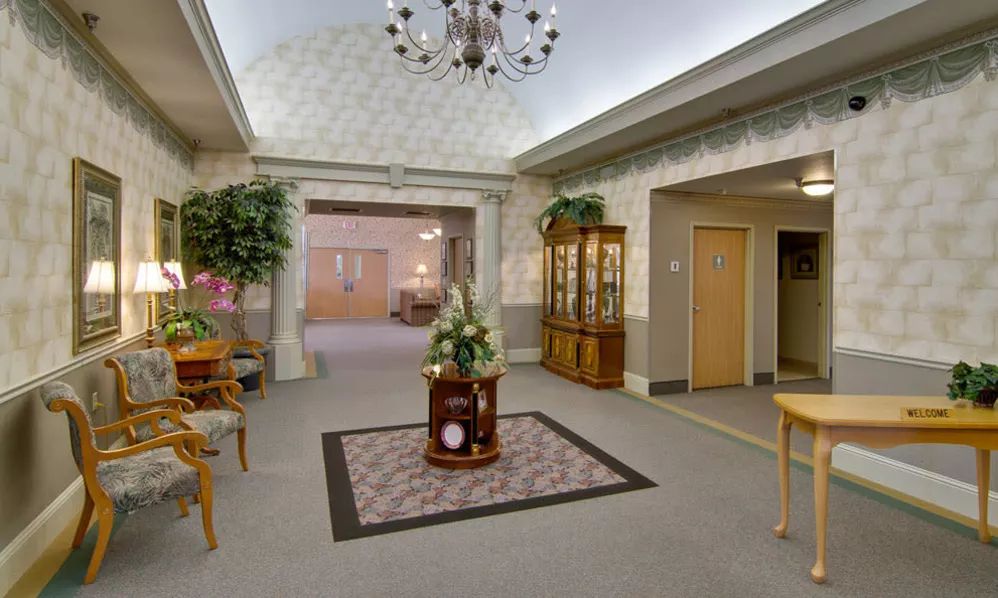
- The facility is top of the line, with amazing staff, food, activities, and care.
- The Tiger Place staff deserves five stars, and there is a real sense of community.
- Residents love living there and are involved in numerous activities.
Cons
 The resident council is essentially a powerless body with no real voice.
- Rents have risen astronomically, leaving residents with little ability to move or protest.
- Rent increases significantly outpace the Social Security COLA and CPI, making the financial burden unsustainable for many residents.
- Americare is accused of elder abuse at its worst.
- Americare is criticized for obscene profits while staff pay has not risen accordingly.
- There has been substantial staff turnover, prompting concerns about pay and stability.
Review
Tiger Place in Columbia, Missouri is best suited for seniors who prize a warm, socially rich environment and a caregiving team that treats residents like family. The community delivers a high-touch experience: excellent meal service, abundant activities, and consistently compassionate nursing, kitchen, and housekeeping staff. For families seeking continuity of relationships and a sense of belonging within a real residential culture, Tiger Place stands out. It is not the right fit for those who require predictable, fixed pricing or a governance structure where residents have meaningful, ongoing leverage over policy decisions.
Those who may want to consider alternatives are primarily budget-conscious residents and their families. The pricing history at Tiger Place has been a central flashpoint, with rent inflating faster than inflation and Social Security adjustments for years. Residents often trade the comfort of a long-standing community for ongoing increases that strain fixed incomes. For families prioritizing cost stability, or who desire a resident council with genuine decision-making power, other options, especially non-profit or price-consistent independent living, may be more appropriate. Also, anyone needing a care model with stronger, formal guarantees for aging-in-place without open-ended cost risk should explore alternatives.
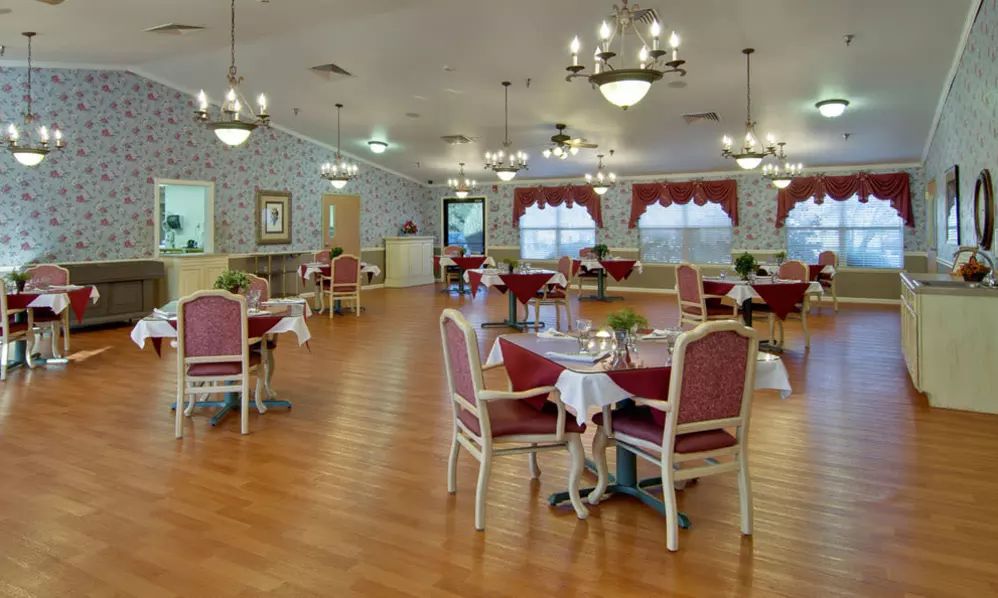
On balance, the strongest pros are the emotional and practical anchors of daily life: staff who are described as warm, professional, and attentive; a true sense of community among residents and workers; reliable dining experiences; and an active calendar that keeps people engaged. In practice, those advantages translate into tangible comfort for residents who stay long term, enjoy regular social contact, and value being understood and cared for by a consistent team. The atmosphere is frequently described as upbeat, welcoming, and top-tier in terms care and programming, with positive impressions of the dining room, activities, and the personal warmth of the staff.
The principal downsides revolve around cost and governance. Price increases have been substantial over the years, outpacing inflation and standard living-adjustment benchmarks, and that trajectory remains a concern for families planning for the long haul. The resident council’s perceived lack of real influence compounds worries about pricing and policy changes that affect affordability. Employee turnover has also been noted, raising questions about long-term consistency in paying and retaining quality staff. In the most troubling historical threads, some family accounts questioned how changes were handled and raised fears about elder abuse; even if these cases are not typical, they cast a shadow over the decision for risk-averse families.
The core value proposition, exceptional care and a strong, friendly community, can offset a portion of the financial pain for those who can afford it and who place high priority on stability of relationships and daily quality of life. If continuity of care and a lively social environment are non-negotiables, Tiger Place delivers with an intensity that few peers match. However, the cost dynamic makes affordability the single most decisive criterion for many families. Prospective residents should rigorously vet current pricing, inquire about any upcoming increases, and push for transparency around what is included. They should also probe the resident council’s actual authority and the availability of more affordable housing or alternate plans if health needs intensify.
In the end, Tiger Place remains a compelling option for families who prioritize warmth, engagement, and deeply caring staff, and who can accommodate, or even welcome, continued price evolution as part of the value equation. It is not the ideal choice for those seeking cost stability or stronger resident governance, or for households with tight budgets where long-term affordability is non-negotiable. For those weighing options in Columbia, Tiger Place should be evaluated against affordability trajectories, governance expectations, and the likelihood of needing escalated medical support in the years ahead. When those factors align, Tiger Place can be the right home; when they do not, exploring alternatives with steadier pricing and more resident influence becomes the prudent course.
 112 resident community capacity
 Independent Living
 Air-conditioning
 Beauty salon
 Cable or satellite TV
 Computer center
 Dining room
 Fitness room
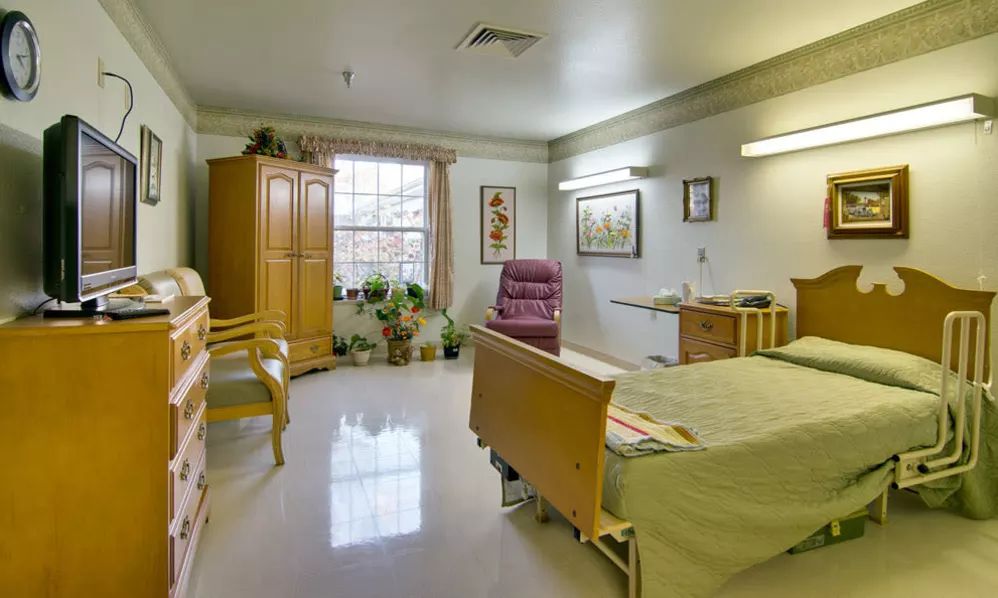
 Fully furnished
 Gaming room
 Garden
 Housekeeping services
 Kitchenette
 Move-in coordination
 Outdoor space
 Private bathrooms
 Restaurant-style dining
 Small library
 Telephone
 Wellness center
 Wi-Fi/high-speed internet available
 Community operated transportation
 12-16 hour nursing
 24-hour call system
 Assistance with dressing
 Medication management
 Mental wellness program
 Diabetes diet
 Special dietary restrictions
 Community-sponsored activities
 Concierge services
 Planned day trips





 A Closer Look at Private Pay Home Care
 Comprehensive Approaches for Arthritis: A Detailed Guide to Symptoms, Causes, and Care
 Comprehensive Insights and Practical Strategies to Help Older Adults Avoid Falls