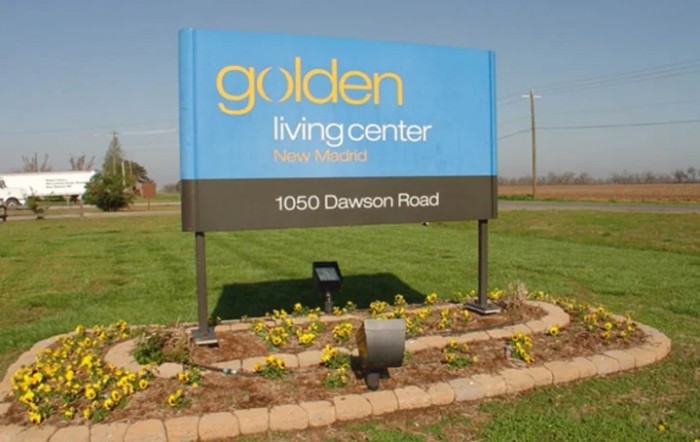

1050 Dawson Road, New Madrid, MO 63869
To contact a resident: (573) 748-5622
For more information about senior living options: (866) 208-4318
Overall Review of Golden LivingCenter - New Madrid
Pros
 The facility is praised for great service, cleanliness, and friendly staff.
- Kim Ivie and her staff are thanked for their loving care of the mother and for making a difficult situation bearable.
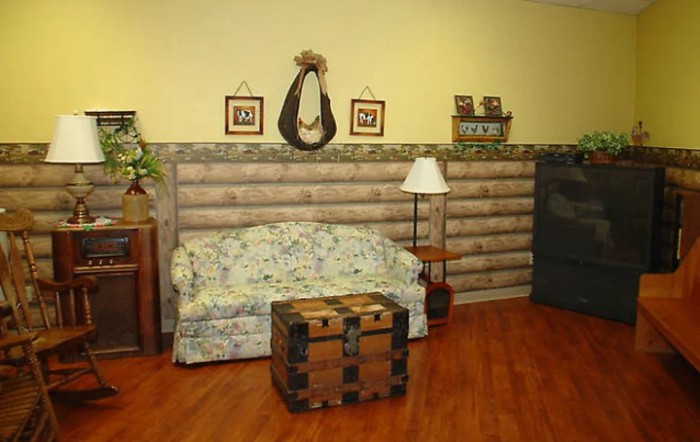
- The reviewer describes the facility as nice and clean with daily activities.
Cons
 The facility has a huge theft problem that is known about but nothing has been done.
- Personal requests were ignored by staff.
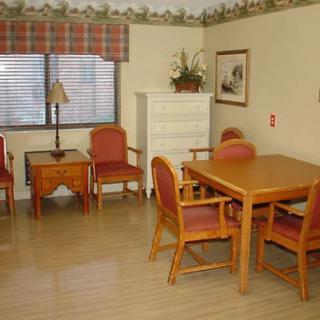
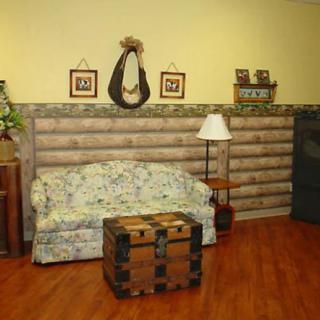
- The rooms are tiny and dated, with old beds and inadequate wheelchairs.
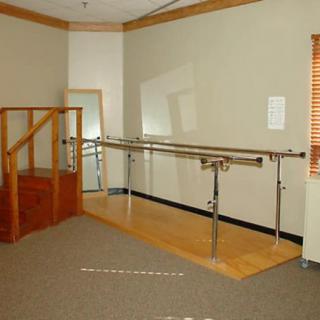
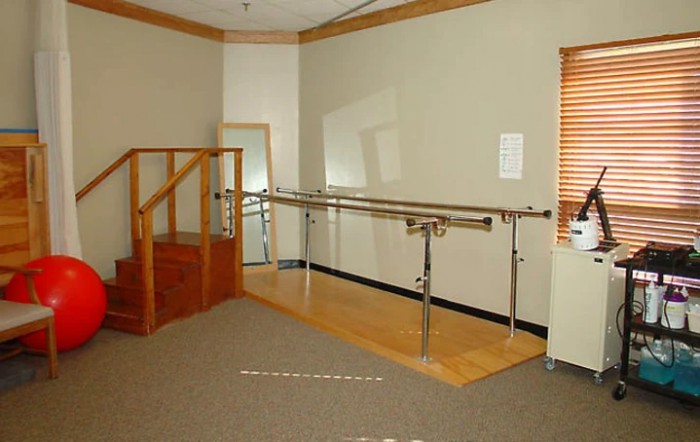
- There is not enough daily patient activity, especially for mobility-challenged residents.
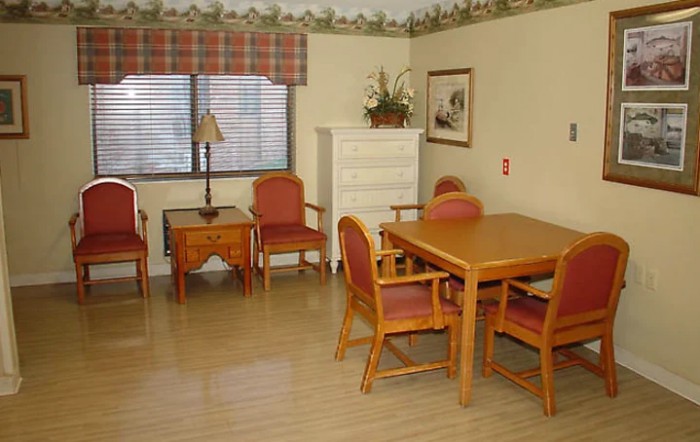
- The dining area has bad acoustics, making it very loud when full.
- They wouldn't dare bring another relative to this facility and advise bypassing it.
- The reviewer states that their mother died after losing her eye in a fall in the bathroom area.
Review
Golden LivingCenter - New Madrid is best suited for budget-minded families who want a clean, straightforward assisted-living option and can provide or supervise care to fill gaps in programming. The facility tends to deliver on cleanliness and has surfaced as a practical, no-francise option for residents who do not require intensive medical oversight and who can tolerate a modest activity schedule. For families that can monitor care plans, advocate for residents, and manage expectations around daily engagement, this community can be a workable choice. The harsh reality is that this is not a modern, resort-like setting; rooms are small and dated, and the physical plant signals age. In that context, cost savings and accessible location may win out, but only when there is vigilant family involvement to offset the limits of the environment and programming.
Those weighing alternatives should consider options for residents who demand stronger safety guarantees, richer activity calendars, or more modern accommodations. If a resident needs robust rehabilitation services, frequent hands-on assistance, or specialized memory care, other communities with updated rooms, better acoustics, and structured daily programming will likely outperform. Families should also explore facilities with proven theft prevention measures and tighter security, since theft concerns are raised in these reviews. Likewise, anyone who values quiet dining spaces and low noise levels should scrutinize acoustics elsewhere, as this campus can feel loud when dining areas are full. In short, alternatives become compelling for anyone prioritizing contemporary amenities, predictable daily activity, and tighter control over the resident environment.
The main pros, cleanliness, some compassionate staff moments, and occasional positive experiences with specific caregivers, do not fully offset the primary cons. Dated rooms with small spaces and old equipment create real compromises for mobility and comfort. Recurring criticisms include a high theft risk without clear, communicated safeguards, insufficient daily programming for residents who rely on structured activity to stay engaged, and personal requests that are not consistently honored. The dining area’s acoustics contribute to a sense of fatigue or overwhelm during busy mealtimes, which further limits meaningful social interaction for mobility-challenged residents. While a few families report meaningful care from particular staff members, the overall set of reviews points to a pattern where basic needs can be met in a clean environment, but the broader quality of life and safety oversight remain inconsistent.
Safety emerges as the defining concern in this community. One especially troubling account describes a resident who suffered a catastrophic fall, resulting in the loss of an eye and life within a short window. That incident underscores the critical importance of rigorous fall prevention, vigilant supervision, and clearly communicated safety protocols. Prospective families should insist on detailed answers about fall-prevention measures, environmental risk assessments, staff-to-resident ratios on each shift, and the specific steps taken when concerns are raised about safety. Before making a move, demand a thorough tour focused on corridors, bathroom safety, lighting, footwear options for residents, and access to assistive devices. Ask for incident logs, housekeeping and maintenance schedules, and a live demonstration of how call bells and monitoring systems function during peak hours.
Staffing dynamics and resident experience present a mixed picture that demands due diligence. Some families find value in the care delivered by individual employees and acknowledge heartfelt moments of support, while others recount a culture where personal requests are ignored or where families feel marginalized. This inconsistency makes it essential to request a formal, written care plan for any prospective resident, with clearly stated response times and documented follow-up. Schedule conversations with the administrator, the director of nursing, and frontline aides during a trial visit. Inquire about activity calendars, transportation options for appointments, and the availability of programs geared toward mobility, cognition, and social engagement. Check references with current residents and families to gauge whether the daily reality supports a satisfying quality of life.
In the end, Golden LivingCenter - New Madrid presents a pragmatic, cost-conscious option for those who can balance budget with meticulous oversight. For families prioritizing modern amenities, robust programming, and uncompromised safety, alternatives should be pursued vigorously. A disciplined approach, tours that probe safety features, room sizes, and activity availability; conversations with multiple staff members about care plans; and a request for trial periods or short-term stays, will reveal whether this community can truly meet expectations. If the choice rests on proximity and price, weigh those factors against the risk of limited engagement and potential safety gaps. The decision should favor a community where both the physical environment and the daily routine reinforce safety, dignity, and consistent responsiveness, rather than leaving families guessing whether urgent needs will be met in time.
 Skilled Nursing Facility




 Navigating Medicare Coverage for In-Home Care Services
 In-Home Care Costs in 2025: A Detailed State-by-State Exploration
 Understanding Home Health Care: A Comprehensive Guide