
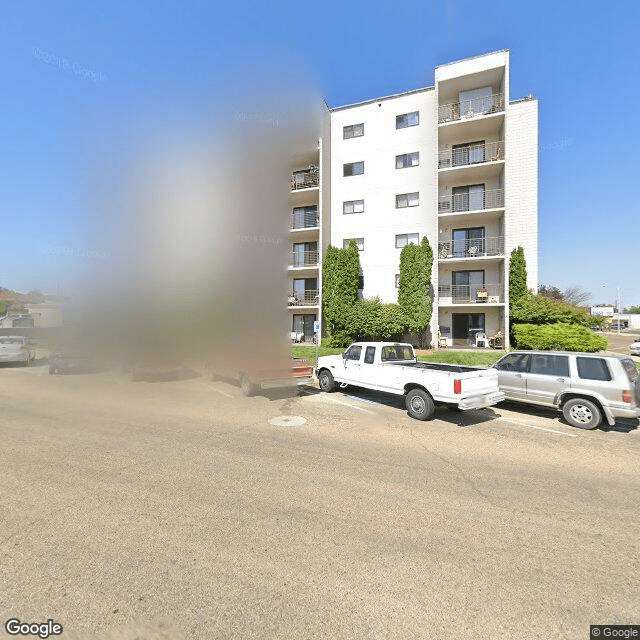
111 15th Ave South, Nampa, ID 83651
To contact a resident: (208) 466-1918
For more information about senior living options: (866) 208-4318
Overall Review of Landmark Tower Apartments
Pros
 He loves his home and has lived there for nearly 20 years.
- Residents appreciate the protection of doors locked at both entrances.
- The residence serves seniors and disabled residents.
Cons
 There is meth everywhere on the premises.
- The “No smoking” rule exists, but there seems to be plenty of smoking happening anyway, implying poor enforcement.
- Enforcement appears inconsistent across floors, suggesting neglect or sloppiness.
- Essential services (Physical Therapy, Respiratory Therapists, Home Health, CNAs, food delivery, Emergency services) cannot access the facility to provide care.
- The door locks at both entrances, while protective, require staff at the door during business hours, which is impractical.
- Long-term residents paying to live there are still affected by the door closures, impacting their home needs and health requirements.
- There is a no-smoking policy for one-bedroom apartments, but there are no resident activities and strict policies overall.
- The residence is described as for seniors and disabled only.
Review
Landmark Tower Apartments in Nampa is best suited for independent seniors and some disabled residents who value a stable, no-frills environment with a strict no-smoking policy and locked entrances. This is not a destination for social engagement or robust on-site programming; it’s a home where boundaries and predictability matter more than buzzworthy amenities. For families seeking a place that doubles as an active community hub with frequent events and easy access for caregivers and health professionals, alternatives should be prioritized.
Significant red flags emerge quickly in reviews, particularly around safety and access. Reports of meth and overall disorder point to an environment where upkeep and safety norms may be inconsistent. Even more consequential is the access problem: doors are locked at both entrances, and without staff at the doors during business hours, essential services, physical therapy, home health aides, CNAs, and emergency responders, may find entry delayed or blocked. That barrier defeats the very purpose of a residence that purports to support seniors and disabled residents who rely on routine care.
Policy rigidity compounds the concerns. The property markets itself as a disabled- and seniors-only setting, but there is little evidence of meaningful programming or engagement beyond a skeletal activities calendar. For residents who crave companionship, outings, or even predictable daytime supervision, the lack of organized social opportunities can lead to isolation. Families evaluating care transitions should weigh the appeal of a quiet, rule-bound environment against the need for social connectivity and accessible support from staff and visitors.
There is a thread of stability here that some residents may prize. A long-tenured resident describes a loved one who has lived there for nearly 20 years, underscoring that the address can offer continuity and a sense of belonging for certain households. The explicit no-smoking policy and clearly delineated boundaries may also comfort residents who prioritize health-friendly living and predictable routines. In a market saturated with glitzy amenities, Landmark’s straightforward, homelike vibe can feel reassuring to those who want consistency over novelty.
Yet the positives do not fully offset the core deficits. The combination of limited on-site services, concerns about safety and maintenance, and restricted access for healthcare professionals leaves a significant gap for many seniors and disabled residents who depend on regular care and timely assistance. The risk calculus tilts toward caution: the quiet, controlled atmosphere is appealing only if health needs and social needs can be met outside the building or by a resident who is highly self-sufficient. Prospective residents must accept that health supports and responsive staff may be intermittent at best.
For families weighing Landmark against alternatives, the verdict is practical and uncompromising. Pursue communities with open access for visitors and care providers, more active programming, and clearly documented safety and incident response processes. If independence and a quiet, home-first setting are non-negotiable and caregiver access will be scarce, Landmark can be reasonable. If not, move toward options that offer dependable on-site services, easier entry for health professionals, and a more engaging resident life. Tours should scrutinize entry procedures, staff coverage at doors, and the presence of a reliable activity calendar to ensure alignment with care needs and personal expectations.
 Independent Living
 Boise Air Terminal (17 miles away)




 Comprehensive Look at Senior Blood Pressure Charts: Normal and Elevated Levels by Age
 Top Canine Companions for Older Adults
 Comprehensive Guide to Blood Pressure Charts for Older Adults: Understanding Normal and High Readings by Age