Alderman Oaks Retirement Center offers competitive pricing compared to both Sarasota County and the broader state of Florida. For a studio room, residents can expect to pay $3,075 per month, which is significantly lower than the county average of $4,040 and the state average of $3,823. In the one-bedroom category, Alderman Oaks charges $3,250, again more affordable than Sarasota County's $4,288 and slightly below Florida's average of $3,864. When it comes to two-bedroom accommodations, Alderman Oaks maintains a cost of $4,700 - still lower than Sarasota County's average of $4,863 and closely aligned with Florida's general rate of $4,711. This pricing positions Alderman Oaks as an attractive option for prospective residents seeking quality care without straining their budget in comparison to surrounding markets.
Floor plans
Alderman Oaks Retirement Center
Sarasota County
Florida
Studio
$3,075
$4,040
$3,823
1 Bedroom
$3,250
$4,288
$3,864
2 Bedrooms
$4,700
$4,863
$4,711
Independent Living communities with a similar price nearby
Residents and families consistently describe the staff as warm, helpful, and attentive.
A recurring theme across reviews is the day-to-day care families feel from the team, including staff who are described as respectful, patient, and supportive. Multiple residents’ experiences mention long-tenured staff, and several comments highlight that the staff know residents well and help them feel comfortable. Even when tours or move-in logistics were discussed, reviewers still described the staff as responsive and informative.
differentiator20 reviews mention this
Food stands out as excellent
Dining is a standout feature, with many reviews saying meals are consistently delicious.
Food comes up repeatedly, with reviews describing meals as exceptional, served hot, and better than expected. Several families also reference desserts and home-style cooking, and one reviewer notes they never had a bad meal. This matches the community’s dining setup, which includes restaurant-style dining, room service, guest meals, and options like vegetarian and low/no-sodium meals.
common18 reviews mention this
Activities keep residents engaged
Reviews frequently mention plenty to do, including live entertainment and scheduled outings.
Many reviewers describe a steady schedule of activities, from exercise classes and trivia to live music and social hours. A number of comments also point to outings and group gatherings as part of how residents build relationships. The community’s activity programming includes day trips, devotional events, educational speakers, stretching classes, and live musical performances, which aligns with what families describe seeing and participating in.
differentiator4 reviews mention this
Rental model and small setting
The rental approach and smaller, home-like feel are recurring reasons families choose Alderman Oaks.
Some reviewers specifically call out that Alderman Oaks uses a rental program rather than a buy-in, describing that as a fit for their situation. Others emphasize a more home-like, intimate environment where residents feel connected. The community also offers independent-living apartments in studio and 1- and 2-bedroom layouts.
common10 reviews mention this
Downtown location helps with access
The downtown Sarasota location is frequently mentioned as convenient for daily life.
Several families and visitors describe the location as a strong point, connecting it to access to downtown destinations, doctors, and everyday errands. Reviews mention proximity to restaurants and shopping, and at least one notes it is near a hospital and physicians. Nearby options listed around the community include physician offices and common destinations such as Walgreens, Starbucks, a pharmacy, and local parks.
caveat3 reviews mention this
Accessibility and room limitations
Some reviews flag limitations around accessibility and certain room setups.
A few reviewers raise concerns related to accessibility, including not being handicapped accessible after office hours and a lack of a vehicle to accommodate an electric wheelchair. Another review about respite also describes a smaller studio-like room setup without kitchen facilities. While families often praise overall care and friendliness, these access and space constraints come up as practical downsides.
How we summarize
Counts show how many written reviews mention each theme; a review can touch several themes, and only frequently mentioned themes are displayed.
Features
Housing
1-bedroom apartments
2-bedroom apartments
Studio apartments
Types of Care
Independent Living
Pets
Cats allowed
Dogs allowed
Amenities
Activities off-site
Activities on-site
Air-conditioning
Beautician on-site
Cable or satellite TV
Devotional services off-site
Devotional services on-site
Indoor common areas
Kitchenette
Outdoor common areas
Respite or short term stays offered
Wi-Fi/high-speed internet available
Transportation
Sarasota Bradenton International (5 miles away)
Care Services
Ambulatory care
Diabetic care
Incontinence care
Medication management
Dining
Guest meals
International cuisine
Low / no sodium
Meals provided
Professional chef
Restaurant style dining
Room service
Vegetarian
Activities
Activities on-site
Art classes
Day trips and outings
Devotional activities offsite
Devotional activities on-site
Educational speakers / life long learning
Happy hour
Live musical performances
Live well programs
Stretching classes
Trivia games
Wii bowling
Nearby Places of Interest
This part of Sarasota, Florida, offers a variety of amenities and services that may be appealing to seniors looking for a convenient and vibrant community. With several reputable physicians, pharmacies, and healthcare facilities located within close proximity, residents can easily access medical care. Additionally, the abundance of restaurants and cafes in the area provides plenty of options for dining out or grabbing a quick bite to eat. The presence of theaters and parks offers opportunities for leisure activities and social engagement. For those who enjoy travel, the Sarasota-Bradenton International Airport is conveniently located nearby. Overall, this neighborhood provides a mix of essential services and recreational opportunities that could make it a desirable location for seniors looking to retire in Sarasota.
Physicians
Meyer Pediatrics (0.1 miles)
Christina M De Guia MD (0.4 miles)
Culp Private Medicine Lcc (0.7 miles)
Allergy Associates - Sarasota (0.7 miles)
Medical Hearing Systems (0.7 miles)
FPG Silverstein Institute at Floyd St (0.7 miles)
Gulfshore Cardiology (0.8 miles)
Restaurants
Owens Fish Camp (0.2 miles)
McDonald's (0.4 miles)
O'Leary's Tiki Bar & Grill (0.5 miles)
Boca (0.5 miles)
Circo (0.7 miles)
Mandeville Beer Garden (0.8 miles)
Jack Dusty (0.9 miles)
Theaters
Regal Hollywood - Sarasota (0.6 miles)
Cafes
Starbucks (0.6 miles)
Starbucks (0.7 miles)
Starbucks (2.2 miles)
Starbucks (3.2 miles)
Starbucks (3.4 miles)
Pharmacies
Walgreens (0.6 miles)
Walgreens (0.8 miles)
Health Mart Pharmacy (0.9 miles)
CVS Pharmacy (1.5 miles)
CVS Pharmacy (2.1 miles)
Walgreens (2.2 miles)
CVS Pharmacy (2.8 miles)
Parks
Gillespie Park (1 miles)
Bird Key Park (1.5 miles)
Ringling Bayfront Park (3.7 miles)
Phillippi Estate Park (4.1 miles)
Places of Worship
Church of the Palms (3 miles)
Transportation
Baggage Claim (4.1 miles)
Sarasota-Bradenton International Airport (SRQ) (4.2 miles)
Alderman Oaks Retirement Center offers competitive pricing compared to both Sarasota County and the broader state of Florida. For a studio room, residents can expect to pay $3,075 per month, which is significantly lower than the county average of $4,040 and the state average of $3,823. In the one-bedroom category, Alderman Oaks charges $3,250, again more affordable than Sarasota County's $4,288 and slightly below Florida's average of $3,864. When it comes to two-bedroom accommodations, Alderman Oaks maintains a cost of $4,700 - still lower than Sarasota County's average of $4,863 and closely aligned with Florida's general rate of $4,711. This pricing positions Alderman Oaks as an attractive option for prospective residents seeking quality care without straining their budget in comparison to surrounding markets.
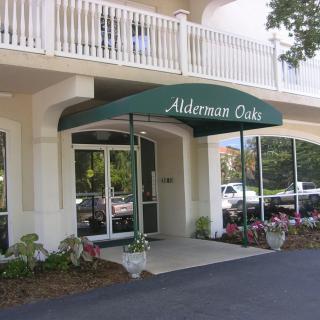
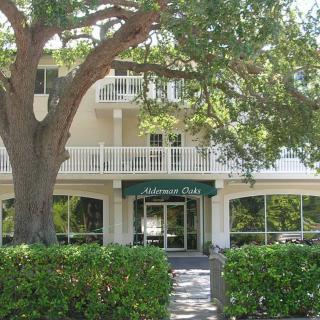
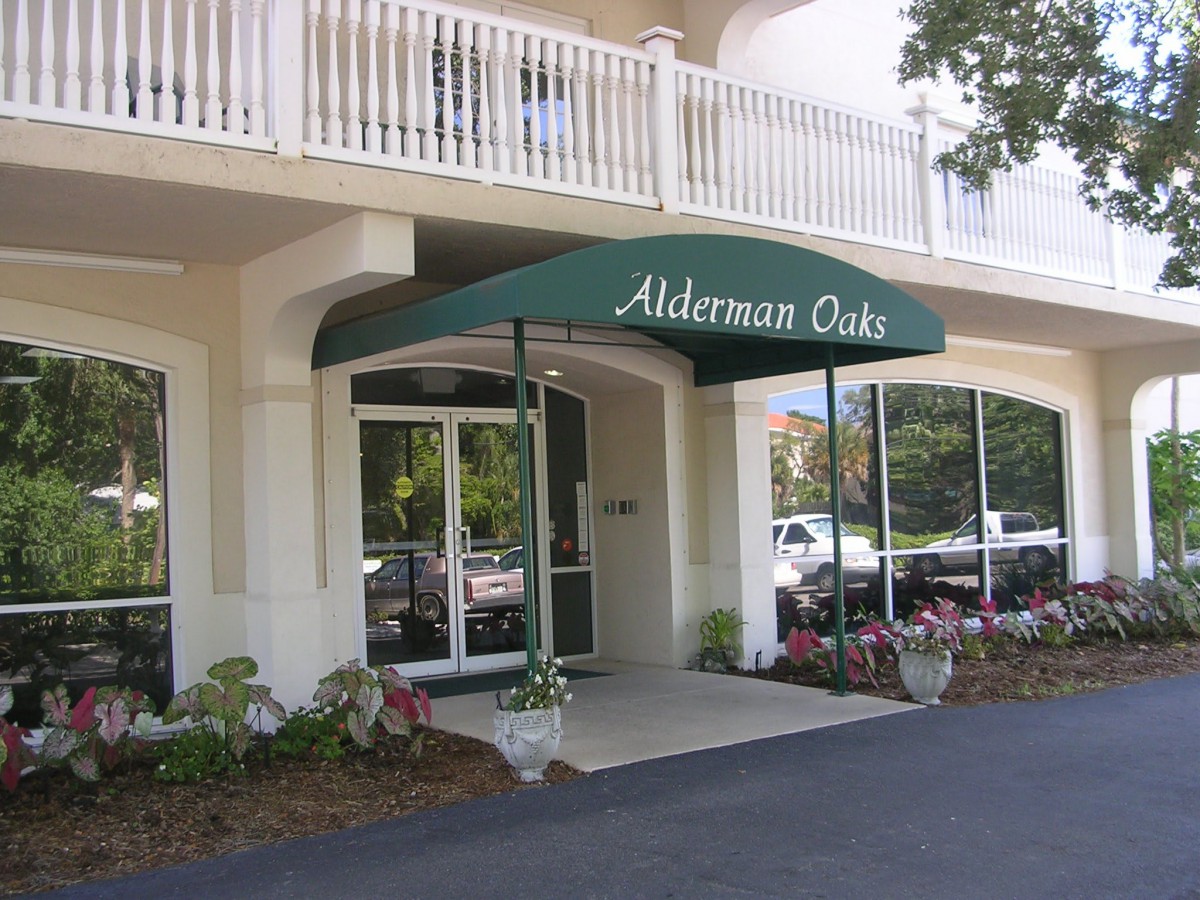
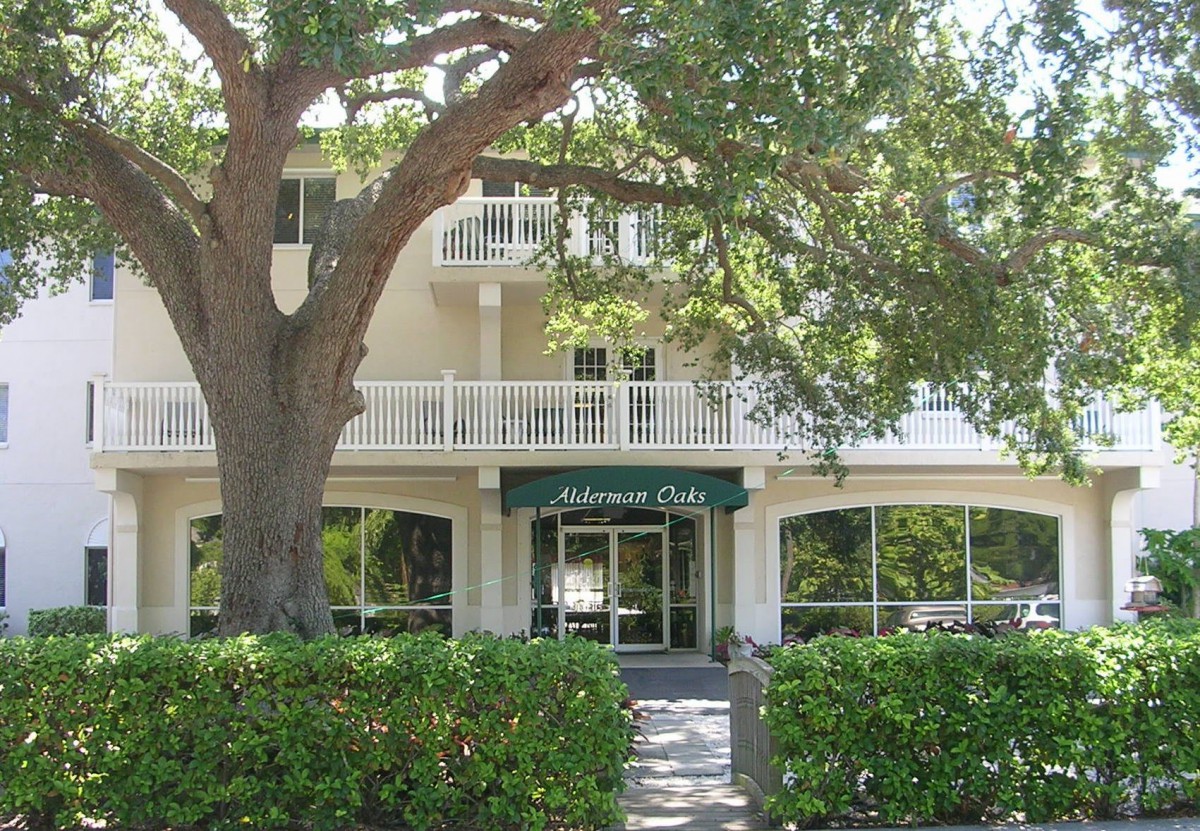
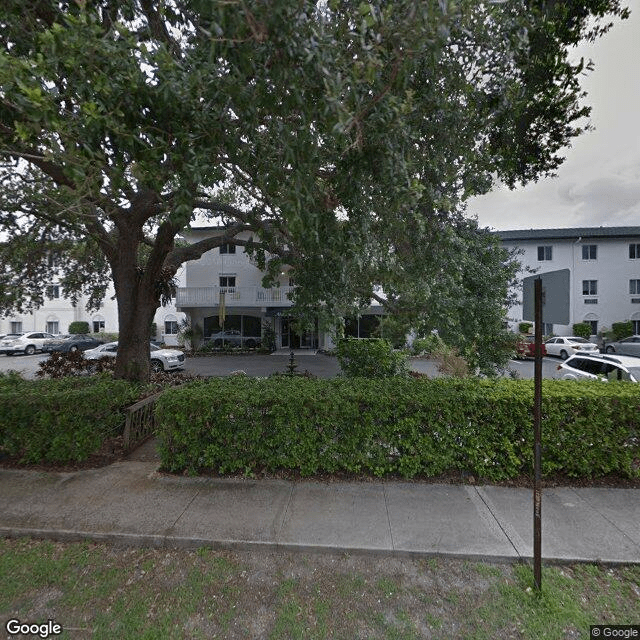
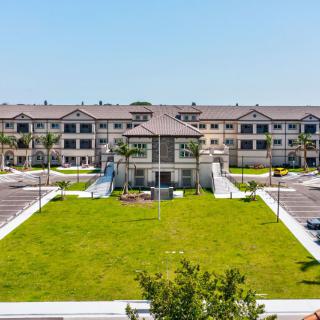
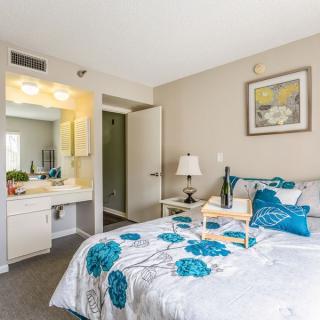
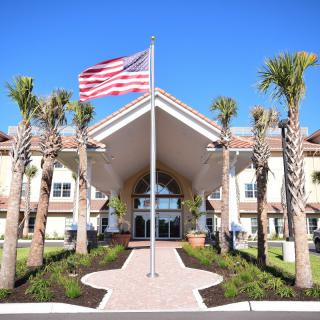
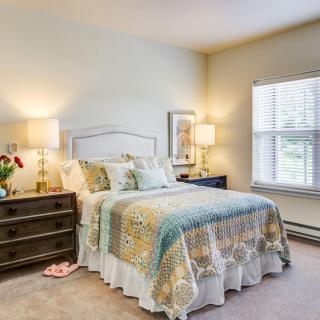
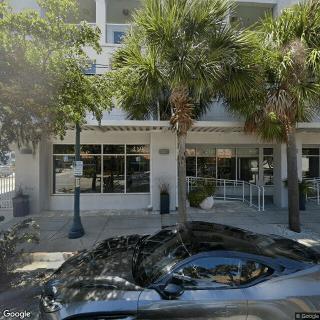
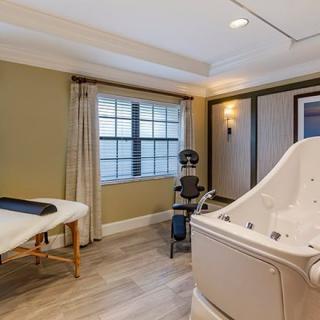
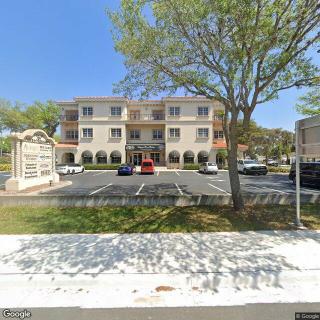
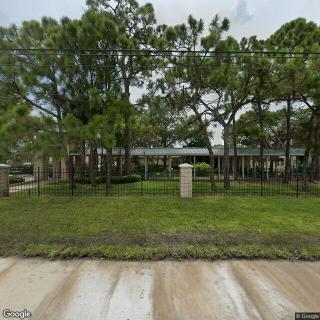
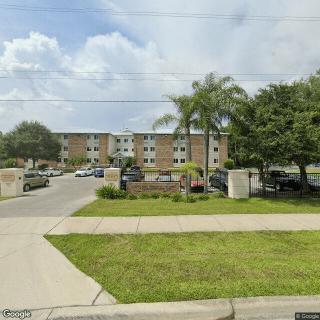
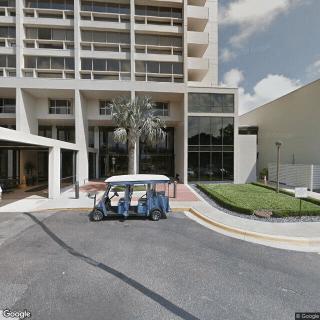
Alderman Oaks Retirement Center on seniors.fyi includes 3 photos including images showing building, entrance, awning, outdoor, trees, landscaping, architecture, and more.
Nearby Communities
Alderman Oaks Retirement Residence
Sarasota, FL
4.8 from 24 reviews
24/7 supervision with ADL support and engaging activities.
Grand Villa of Sarasota
Sarasota, FL
4.8 from 204 reviews
$2,595 to $4,695 / month
Friendly, attentive staff and engaging activities in a clean, comfortable, home-like setting.
Home Helpers of Sarasota
Sarasota, FL
5 from 90 reviews
Convenient location with nearby health services, dining, and activities.
CAREmasters homehealth LLC
Sarasota, FL
3.4 from 5 reviews
Excellent access to dining, parks, pharmacies, physicians, and transportation nearby.
Brookdale Sarasota Midtown
Sarasota, FL
4.7 from 119 reviews
$3,175 to $5,870 / month
Friendly, caring staff; clean, well-maintained facility with engaging activities and attractive grounds.
Home Care Assistance of Manasota-Sarasota
Sarasota, FL
5 from 120 reviews
Convenient access to cafes, parks, pharmacies, restaurants, transit, worship, and cultural venues nearby.
Pines of Sarasota
Sarasota, FL
3.9 from 79 reviews
$2,730 to $4,200 / month
1:1 personalized therapy with expert, caring staff and clean, well-maintained facilities.
J H Floyd Sunshine Village
Sarasota, FL
4.4 from 8 reviews
Diabetic care and assisted living with on-site dining, social spaces, and off-site devotional activities with nearby amenities.
Plymouth Harbor on Sarasota Bay
Sarasota, FL
4.2 from 29 reviews
Stunning waterfront location with spacious rooms and attentive staff.
In-home care is increasingly sought after by older adults for maintaining independence, with average private home care rates in 2025 varying by state and service type, reflecting geographical and local labor market influences. As demand rises, families are considering funding options like Medicaid waivers and long-term care insurance to manage costs effectively while ensuring quality care.
Home health care has become essential for supporting independence among the aging population, offering diverse services such as skilled nursing and rehabilitation in familiar environments, while also incorporating technology for personalized care. Despite its benefits, including improved recovery rates and emotional well-being, challenges like safety, staff availability, and insurance navigation must be managed for effective implementation.
Home health care offers a range of clinical services provided in a patient's home, including nursing and therapy, tailored to individual needs, particularly for aging seniors with chronic conditions. This approach enhances patient independence, promotes better disease management, and utilizes technology for real-time monitoring while fostering collaboration among healthcare providers and family members.
Get PricingAsk A QuestionSchedule A TourContact Senior Advisor
By clicking submit, you agree to our Partner's Terms of Use. You
also consent to receive calls and texts, which may be autodialed, from our Partner. Your consent is not a condition to
using our Partner's service. Please visit our Partner's Privacy Policy for information about their privacy practices.


 1-bedroom apartments
 Independent Living
 Cats allowed
 Dogs allowed
 Activities off-site
 Air-conditioning
 Beautician on-site
 Cable or satellite TV
 Devotional services off-site
 Indoor common areas
 Kitchenette
 Outdoor common areas
 Respite or short term stays offered
 Wi-Fi/high-speed internet available
 Sarasota Bradenton International (5 miles away)
 Ambulatory care
 Diabetic care
 Incontinence care
 Medication management
 Guest meals
 Art classes
 Day trips and outings
 Educational speakers / life long learning
 Happy hour
 Live musical performances
 Live well programs
 Trivia games
 Wii bowling
 24/7 supervision with ADL support and engaging activities.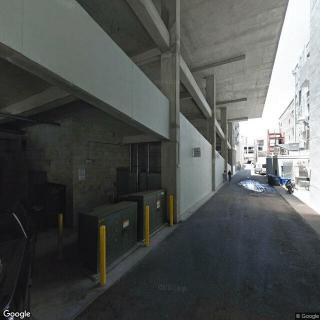
 In-Home Care Costs in 2025: A Detailed State-by-State Exploration
 Understanding Home Health Care: A Comprehensive Guide
 Home Health Care Demystified: A Comprehensive Guide for Families and Caregivers