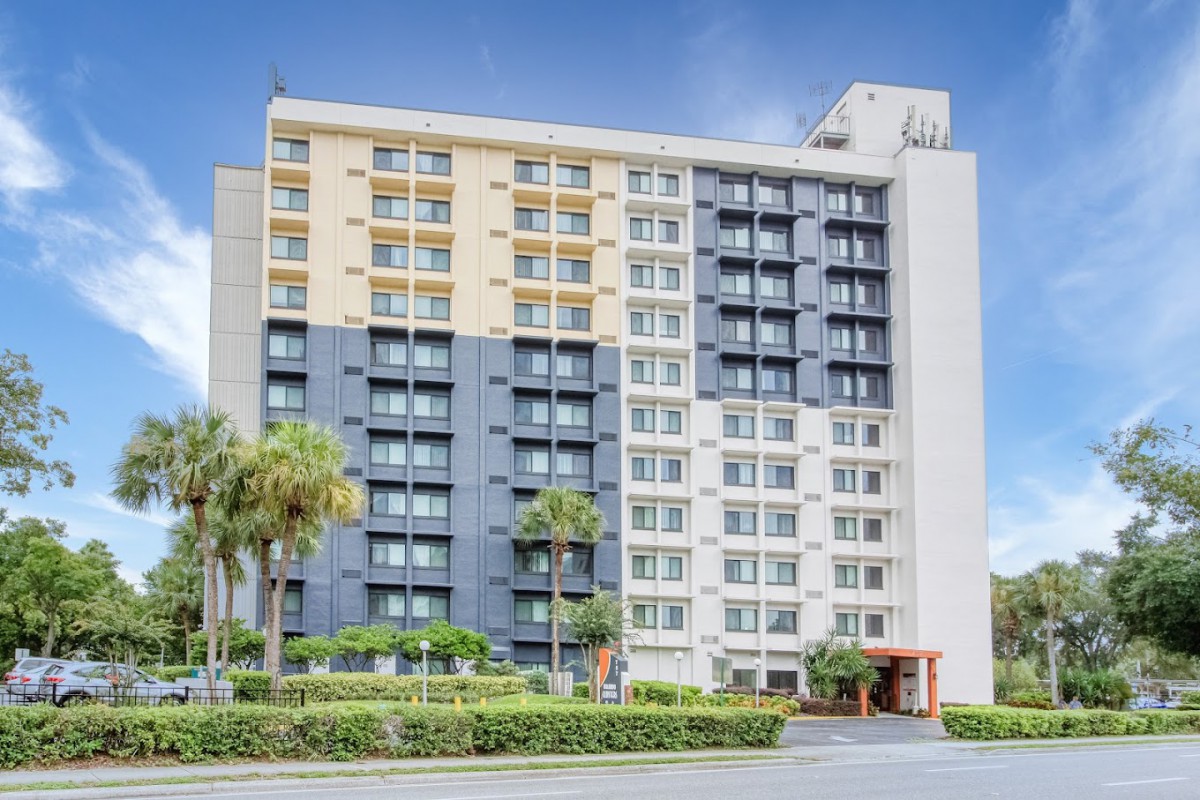

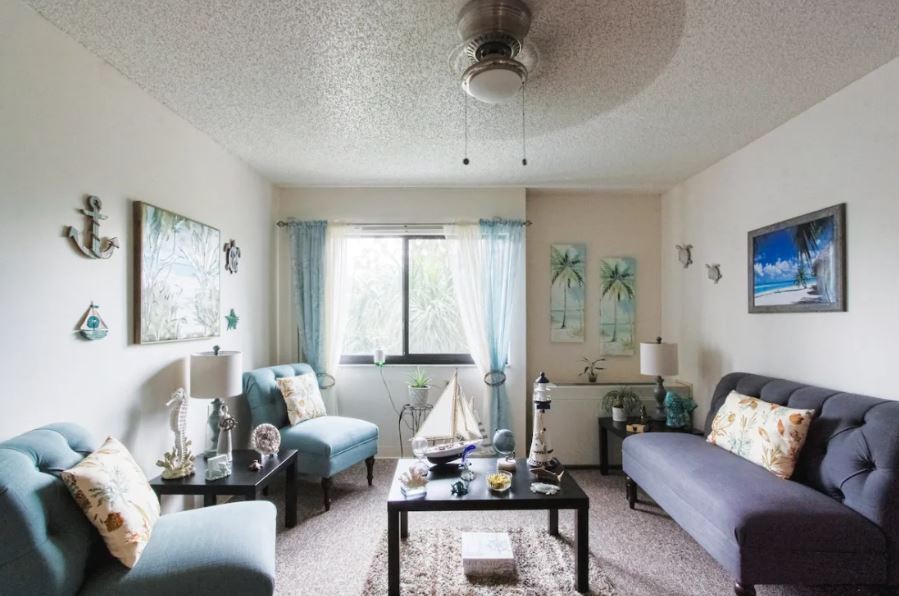
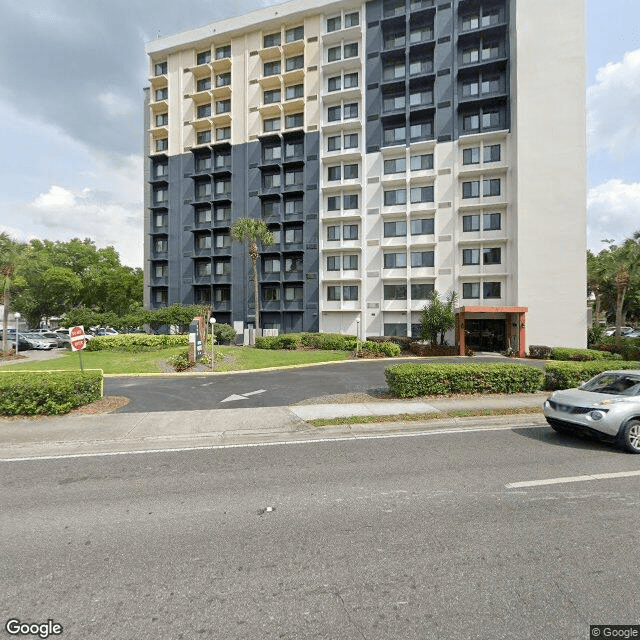
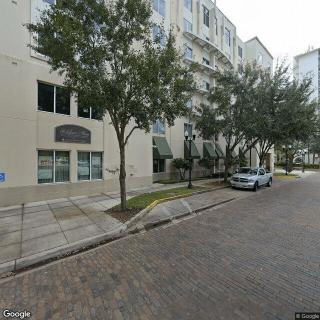
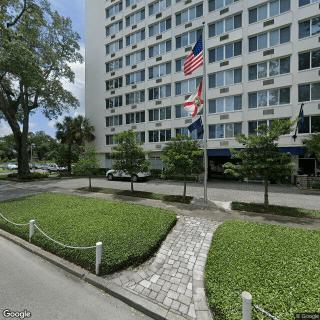
757 S Orange Ave, Orlando, FL 32801
To contact a resident: (407) 423-1928
For more information about senior living options: (866) 208-4318
Overall Review of Orlando Cloisters
Pros
 The staff were courteous and provided excellent service.
- It is described as the best place for seniors living.
Cons
 The building's conditions are a health hazard, with humidity and a moldy smell that is depressing and makes it hard to stay there for long.
- There is only one dehumidifier, and it appears never to have been drained or checked.
- Residents have repeatedly complained that the carpet affects their health, and several neighbors have joined the concerns.
- Staff told a resident that the hallway carpet would be replaced, but the issue remains.
- There are reports of persistent stains on the floor that have lingered for days, witnessed by neighbors.
- Management is criticized for deflecting feedback rather than addressing the issues.
- The front desk staff member is described as extremely rude, barely speaks English, and yells at visitors, implying poor treatment of residents.
Review
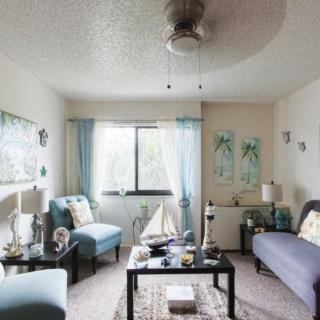
Orlando Cloisters is best suited for seniors who prize responsive, courteous service and a welcoming on-site atmosphere, even when environmental upkeep is imperfect. Families drawn to a lively, resident-focused community where staff members are frequently described as helpful will find daily interactions more predictable here than in some peers. The positive testimony that staff can offer excellent service and the notion that this is a strong option for “seniors living” in a social, accessible setting cannot be dismissed, and these elements can translate into tangible peace of mind for residents who value interpersonal warmth and everyday reliability.
Still, serious caveats shape the practical decision. Those who must have a pristine, healthful environment should look elsewhere. The property has repeatedly been described as carrying humidity and mold problems, with odors that many find depressing and unacceptable for extended visits. The extent of the risk is underscored by alarming anecdotes about persistent spills and contamination on common areas, coupled with a single dehumidifier that appears undersized or under-maintained. In short, environmental quality and upkeep are non-negotiables for a portion of families, and when these conditions are the baseline, the appeal of hospitality and social life can quickly dwindle.
Management and communication emerge as the next critical fault line. Multiple accounts allege that concerns about carpet cleanliness and odor have not been promptly or satisfactorily addressed, with some families feeling their feedback is deflected rather than resolved. There are reports of frustration with how issues are escalated or acknowledged, and a tone described as less than customer-friendly from the front desk. Those evaluating this community should understand that even strong daily service cannot reliably compensate for repeated assurances that problems will be fixed only to see slow or incomplete follow-through, especially when resident health and comfort are at stake.
These dynamics have real implications for day-to-day living and for family decision-making. The combination of a welcoming service baseline and a fragile environmental backdrop creates a tension that residents must navigate regularly. The risk is not just about odors or aesthetics; it extends to how comfortable and safe residents feel in shared spaces, and how responsive leadership is when aspects of the facility require urgent attention. Prospective residents should weigh the emotional uplift of friendly staff against the tangible stress of ongoing maintenance gaps and contested issues around accountability.
From a decision-making standpoint, the practical path is clear. Visit with a concrete checklist: observe maintenance responsiveness during the stay, request a recent remediation plan for any known environmental concerns, and speak with current residents about how quickly problems are addressed. Demand transparency about carpet replacement timelines and humidity control measures. Review the facility’s process for lodging complaints and following up on them, and probe how leadership handles repeat concerns. If the conversation leaves questions unanswered or if remediation timelines feel unacceptably slow, that signals a red flag worth prioritizing in the search.
In the end, Orlando Cloisters can deliver dependable daily service and a sense of community for seniors who place a premium on staff accessibility and social opportunities, and who can tolerate a less-than-ideal environmental baseline. For families where cleanliness, air quality, and proactive problem-solving are non-negotiable, alternatives offer a safer bet. The decision hinges on balance: if budget-friendly living paired with responsive staff is the chief aim and the environmental issues are negotiable in the short term, this community can work. If, however, the environment feels unsafe or untrustworthy due to maintenance and management gaps, exploring other options sooner rather than later is prudent.
 Independent Living
 Activities on-site
 Devotional services off-site
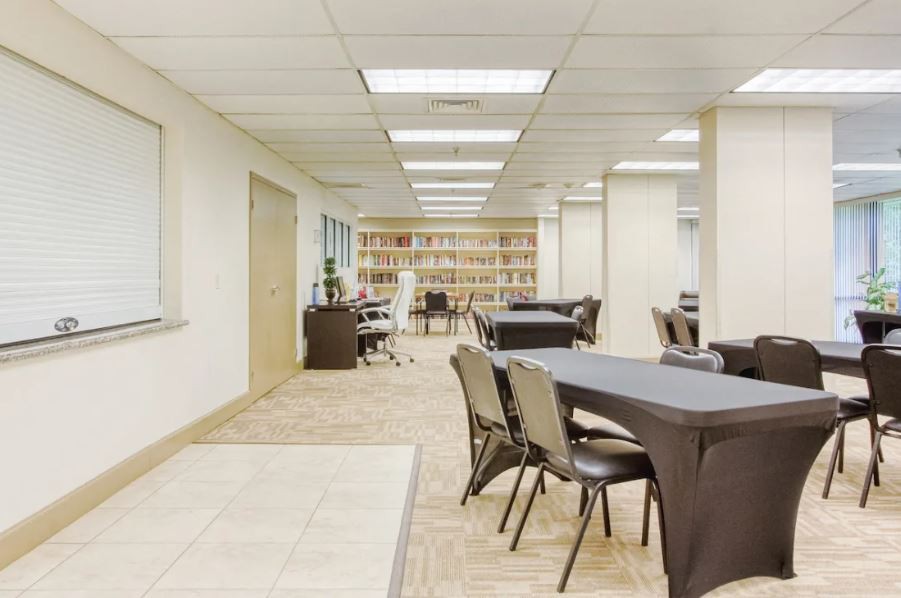
 Indoor common areas
 Orlando International (8 miles away)
 Ambulatory care
 Diabetic care
 Meals provided




 Skilled Nursing Facilities vs. Nursing Homes: Making Sense of the Differences
 A Detailed Examination of Nursing Home Costs Across the U.S.
 Exploring Nonmedical Home Care: Understanding Services, Costs, and Financial Approaches