

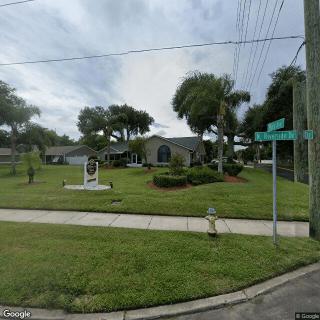
902 Canal St, New Smyrna Beach, FL 32168
To contact a resident: (904) 428-9396
For more information about senior living options: (866) 208-4318
Overall Review of Green Acres Retirement Home
Pros
 Her mom had care there for over five years.
- The staff were very good to her mom.
- They kept the family informed about how she was eating.
- After moving her to another facility, she received feeding assistance, was restored to health, and could enjoy the remaining time with care and love.
Cons
 They found the appointment process during COVID snippy and burdensome.
- They believed COVID restrictions had not eased as quickly as at other facilities.
- They miss several former employees who were very good to their mom.
- They feel they are no longer kept informed about their mother's eating and health.
- They would never recommend this place to anyone, calling it mismanaged.
- They believe the lack of care led to their grandmother's falls and hospitalizations, and that she was never the same.
- They observed an employee constantly arguing with a resident with Alzheimer's instead of providing patient care.
- They claim the facility is understaffed and that residents can leave due to unsupervised doors.
- They say staff did not help their grandmother when she was barely eating, sometimes watching her struggle.
Review
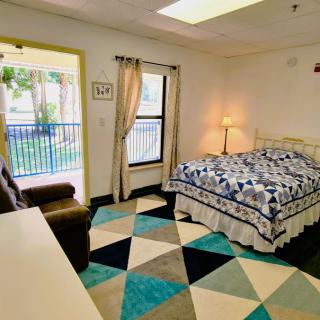
Green Acres Retirement Home in New Smyrna Beach is best suited for seniors who are relatively independent and can tolerate a smaller, less resource-heavy setting without heavy nursing oversight. It works for families who are able to stay actively involved and monitor care, valuing a familiar, home-like environment. However, for residents with memory impairment or high-care needs requiring constant supervision, the facility’s staffing realities and safety controls raise significant concerns and suggest that alternatives should be seriously considered.
Several comments hint at possible positives when care is steady and staff are present. Some residents remained there for many years, and a few caregivers were praised for being attentive and communicative about daily needs such as eating routines. Yet these favorable notes are fragile, tethered to individual staff members who may not be consistently on duty, and to a broader pattern of turnover that erodes reliability over time.
The most pressing issues cluster around understaffing, inconsistent care, and safety lapses. Families recount situations where a resident with Alzheimer’s wandered away from a secured setting, requiring immediate intervention, and where feeding assistance or close supervision was lacking, sometimes with observable neglect. Reports of staff disputes or rigidity in interactions with residents further color the picture, contributing to an impression of mismanagement and an environment where proper oversight and timely response to needs are not reliably guaranteed.
Despite occasional continuity with a few long-tenured employees, the gains from that stability do not offset the broader gaps. The quiet, homey atmosphere and the potential for personal attention from a handful of caregivers are undercut by insufficient staffing, gaps in daily oversight, and security practices that feel inconsistent. In practical terms, the facility can feel like a gamble: favorable moments hinge on the luck of who is on shift, while the risks, falls, dehydration, neglected meals, and wandering, remain recurrent themes.
Thus, this community should be considered only by families capable of providing serious, ongoing oversight and who accept a trade-off: lower-cost ambiance and familiarity in exchange for variable care quality and safety. For any loved one with significant needs, or for those who require reliable nursing support, strong memory-care protocols, and transparent, frequent family updates, alternatives are strongly advisable. Prospective residents should prioritize facilities with dependable nurse presence, documented staffing ratios, robust security measures, and a proven track record of proactive communication and consistent care.
When evaluating options, approach with a practical checklist and a candid tour. Inquire about daily nurse coverage and whether a licensed nurse is on site, confirm staff-to-resident ratios, and request concrete examples of how daily needs, medication administration, meals, mobility assistance, are managed. Examine the facility’s safety controls, such as door security and incident response procedures, and observe care during peak hours to gauge responsiveness. Speak with current residents and their families about consistency of care, the attentiveness of aides, and how concerns are handled. The decision should favor communities that deliver reliable staffing, explicit safety protocols, and proactive, clear communication, even if that means passing on a facility that feels comfortable but uncertain in daily care.
 Independent Living
 Daytona Beach International (13 miles away)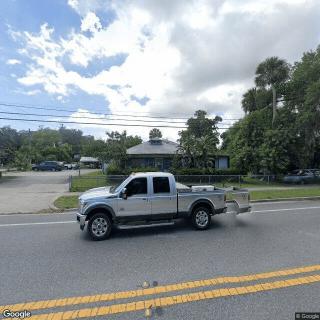





 California's Form 602A: An In-Depth Examination of Senior Care Assessment
 Comprehensive Look at Senior Blood Pressure Charts: Normal and Elevated Levels by Age
 Top Canine Companions for Older Adults