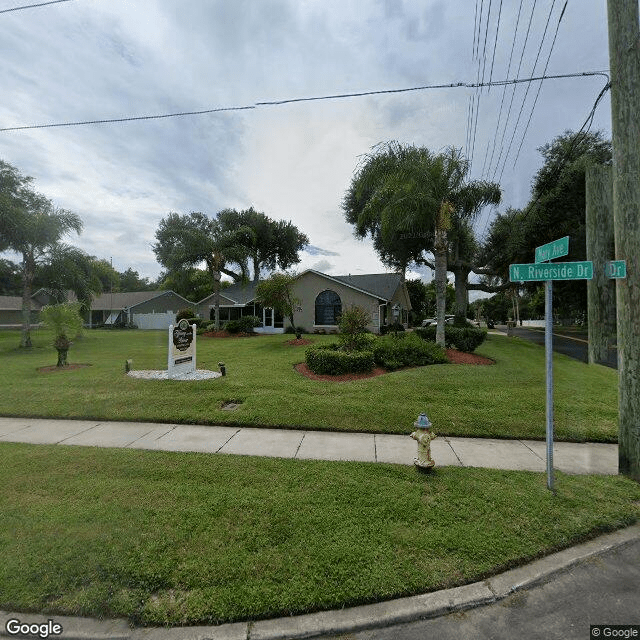
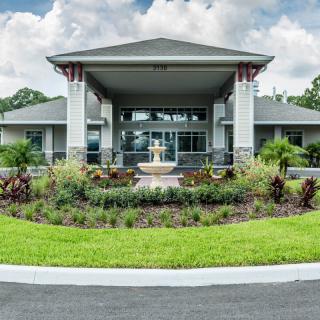
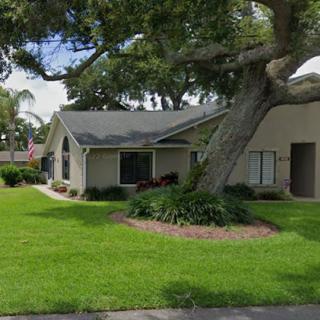
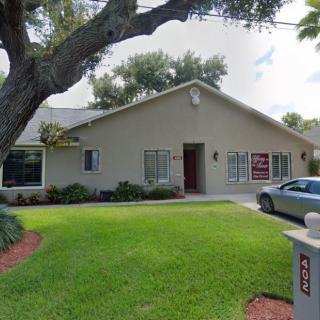
Tiffany on the River in New Smyrna Beach, FL

Save

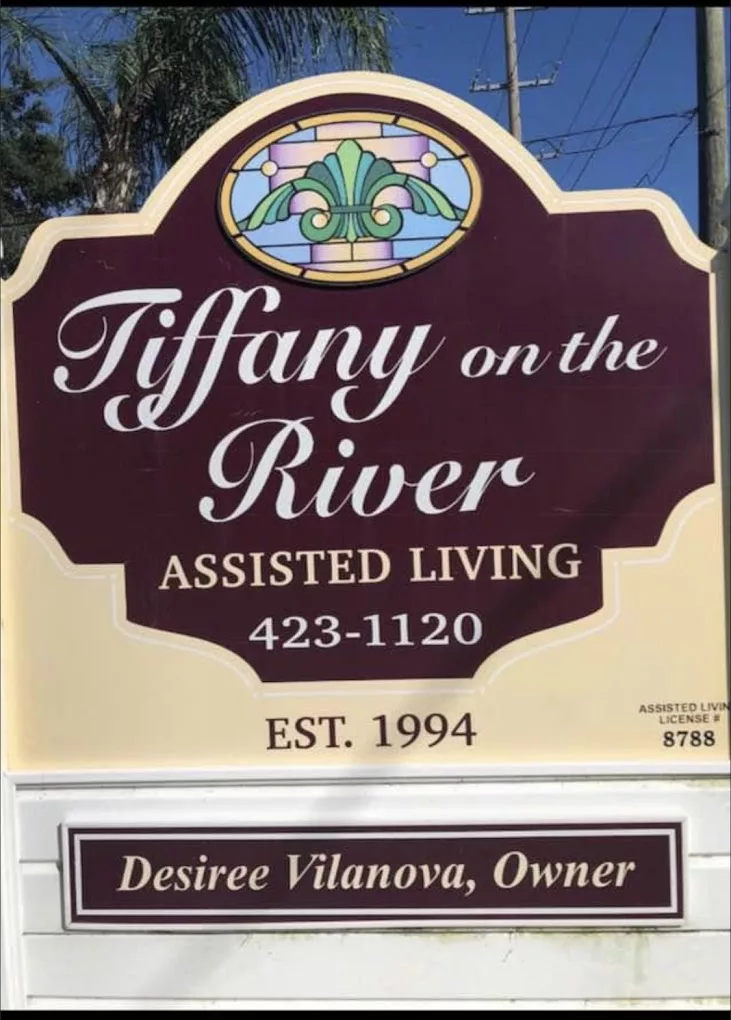
Tiffany on the River in New Smyrna Beach, FL

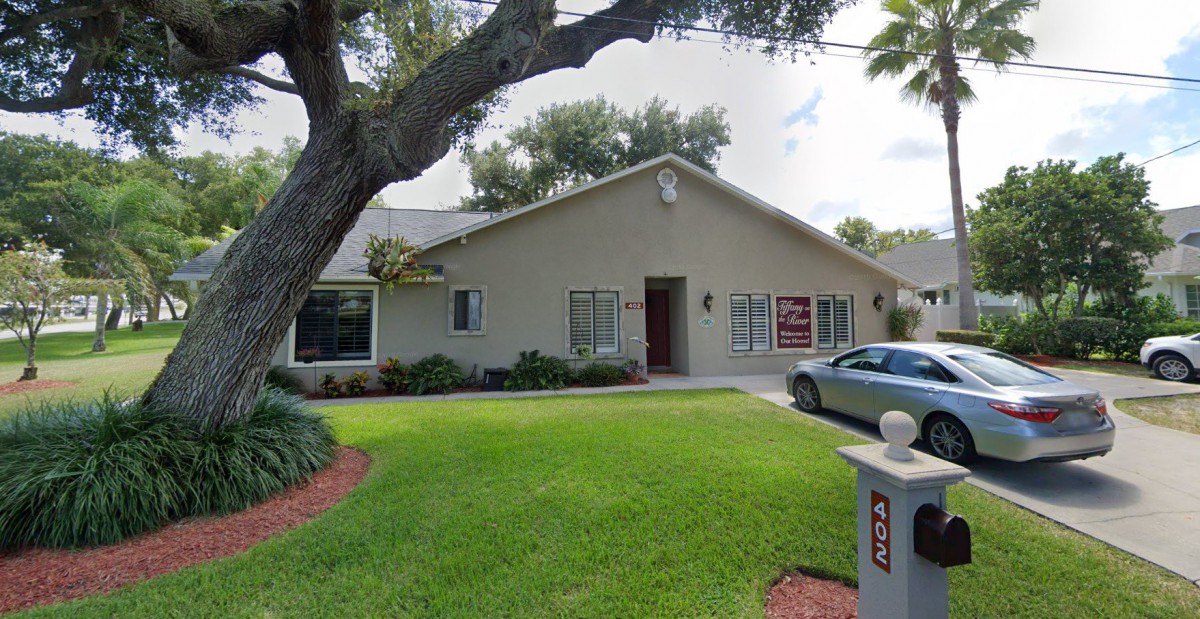
402 N Riverside Dr, New Smyrna Beach, FL 32168

For more information about senior living options: (844) 490-3973

4.7 from 23 reviews
5 stars
21
4 stars
0
3 stars
0
2 stars
1
1 stars
1

Assisted Living Board and Care Home Memory Care

Overall Review of Tiffany on the River

Pros

  • pro Tiffany on the River is described as a warm, home-like assisted living with a river view.
  • pro The staff are caring, attentive, and provide Tender Loving Care to residents.
  • pro Meals are home-cooked and the facility is clean and well-maintained.
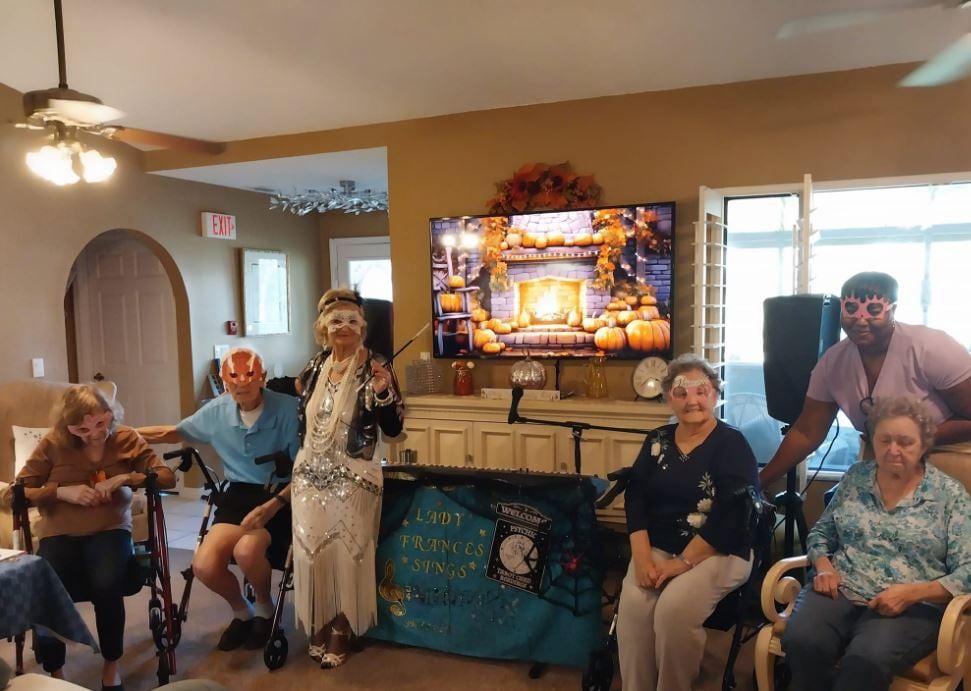
  • pro Residents enjoy engagement through entertainment, exercise classes, and regular holiday celebrations.
  • pro Families appreciate the open-door policy and responsive caregivers who facilitate communication.
  • pro The environment feels cozy and comfortable, with a porch and scenic surroundings.
  • pro The owners are praised for their caring, respectful approach to resident needs.
  • pro Pets are welcome during visits, adding joy to residents' experiences.
  • pro The care team promptly addresses issues and supports residents' daily routines.

Cons

  • pro The facility was criticized for poor quality food and the absence of a dietitian on staff.
  • pro Staff were described as underpaid, with wages as low as $12 an hour for those who cook, clean, and administer medications.
  • pro One reviewer alleged that the facility's advertising was misleading and misrepresented facts to the public.

Review

Tiffany on the River is best suited for families seeking a truly intimate, home-like assisted living experience in New Smyrna Beach, where a small, 6-to-7 resident house creates a tight, neighborly atmosphere. The setting combines a river view, a front porch for watching boats, and a level of coziness that feels more like visiting a family member than moving into a large campus. It works well for residents who value personal attention, predictable routines, and frequent family involvement, including the flexibility to bring a dog on visits. For memory care needs in particular, the small community size often translates into steady, reassuring interactions and simpler, more consistent caregiving.

Those who should consider alternatives are individuals expecting heavy medical management, a formal on-site dietician, or a larger staff to cover around-the-clock nursing needs. The appeals here - home-cooked meals, resident-centric routines, and a warm, "bed-and-breakfast" vibe - come with the trade-off of more limited medical coverage and fewer resources for complex clinical oversight. Families facing strict dietary requirements, high-acuity conditions, or the need for robust on-site rehabilitation may find other communities better equipped to deliver the level of medical and dietary supervision some residents require.

The strongest positives revolve around the daily lived experience: caring owners, Sandra and Caleb Dorval, who set a tone of genuine hospitality; consistently warm, attentive staff; and a setting that feels clean, welcoming, and aesthetically pleasing. Meals are described as home-style and comforting, and the environment regularly earns praise for its cleanliness and beauty. The small size enhances accountability and reduces the sense of institutional distance, allowing families to participate meaningfully in daily life - holiday celebrations, open-door family visits, and even social visits with pets. The ability to prearrange TV viewing or leave simple instructions demonstrates a practical, resident-first approach that many families find invaluable.

However, the most significant concerns center on resource limitations inherent in a small operation. A few critiques point to food quality not always meeting dietary expectations, and to the absence of a dedicated dietitian on staff. There is also an implicit tension between the strengths of a homey, intimate environment and the needs of residents requiring more sophisticated medical or nutritional management. Additionally, the limited resident capacity means waitlists or a longer lead time for securing a room, which can be a hurdle for families in urgent transition. The open-door policy and small scale, while beloved by many, may feel insufficient for households prioritizing a higher degree of supervised safety or rapid access to specialized services.

When weighing the pros against the cons, Tiffany on the River tends to win for families prioritizing companionship, peace of mind, and a comforting, family-like cadence of life. The intimate setting supports meaningful connection with caregivers, leaders, and fellow residents, which in turn reduces anxiety around day-to-day care and at the end of life. The riverfront ambiance and the sense of belonging cultivated by owners and staff help offset modest gaps in clinical coverage, particularly for residents who do not require constant nursing intervention. Still, for those with significant dietary constraints or acute healthcare needs, the decision should hinge on whether the available staff calendar, meal planning, and medical oversight meet the individual's exact requirements.

A prudent visiting strategy is essential. Prospective families should tour the home with specific questions in hand: how are meals planned and who supervises nutrition for residents with dietary restrictions, what is the ratio of caregivers to residents across day and night shifts, how are dementia-related behaviors managed, and what is the exact process for hospice or palliative care coordination? Observing meal times, activity programming, and how the open-door policy plays out in daily life will illuminate whether the house truly matches the resident's preferences. If a tight-knit, light-touch environment with strong family integration is the goal, Tiffany on the River stands out as a compelling choice; if medical complexity commands the setting, alternatives with larger clinical teams merit active consideration.

Features

Housing

  • 7 resident community capacity 7 resident community capacity

Types of Care

  • Assisted Living Assisted LivingAssisted living facilities provide crucial support and care for seniors who may need help with daily tasks such as medication management, bathing, and meal preparation. These communities offer a safe and comfortable environment where seniors can maintain their independence while receiving the assistance they need to thrive in their golden years.
  • Board and Care Home Board and Care HomeBoard and care homes provide a smaller, more intimate setting for seniors who require assistance with daily tasks but do not need the level of care offered by a nursing home. They offer personalized care, meals, and social activities in a homelike environment, ensuring that seniors receive individualized attention and support in their golden years.
  • Memory Care Memory CareMemory care is crucial for seniors as it provides specialized support and services for individuals with dementia or Alzheimer's disease. These programs offer a safe and secure environment where residents receive personalized care, cognitive stimulation, and help with daily activities. Memory care helps seniors maintain their independence, quality of life, and dignity while also providing peace of mind for their families.

Amenities

  • Cable or satellite TV Cable or satellite TVCable or satellite TV is important for seniors because it provides entertainment, news, and companionship, helping to combat loneliness and boredom. It also offers a wide range of programming options tailored to different interests and preferences.
  • Dining room Dining roomDining rooms are important for seniors as they provide a space for socialization, connection, and nutritious meals. They offer opportunities for residents to bond over shared meals, foster a sense of community, and promote healthy eating habits. Dining rooms also ensure that seniors have access to well-balanced meals tailored to their dietary needs and preferences.
  • Fully furnished Fully furnishedFully furnished senior living communities are important for seniors because they provide convenience, comfort, and a hassle-free moving experience. Seniors can easily settle into their new living space without the stress of having to buy and move furniture. This allows them to focus on enjoying their new home and community.
  • Garden GardenGardens are important for seniors as they provide a peaceful and therapeutic environment for relaxation, physical activity, and socialization. Being in nature has been shown to reduce stress, improve mood, and promote overall well-being. Gardens also offer opportunities for seniors to engage in gardening activities, which can improve mobility, flexibility, and cognitive function. Additionally, gardens create a sense of community and connection with others who share a passion for plants and outdoor spaces.
  • Housekeeping services Housekeeping servicesHousekeeping services are important for seniors because they help maintain a clean and safe living environment, promote independence, and reduce the risk of accidents or illnesses. Additionally, having assistance with household chores can alleviate physical strain and allow seniors to focus on other aspects of their well-being.
  • Move-in coordination Move-in coordinationMove-in coordination is important for seniors because it helps ease the transition into their new living environment. It ensures that all logistics, such as packing, organizing movers, and setting up utilities are taken care of, allowing seniors to focus on settling in and adjusting to their new home. Having a smooth move-in process can alleviate stress and anxiety, making the transition smoother and more enjoyable for seniors.
  • Outdoor space Outdoor spaceOutdoor spaces are important for seniors as they provide opportunities for physical activity, social interaction, exposure to natural light and fresh air, and a sense of connection to nature. Having access to outdoor spaces can improve overall well-being and quality of life for older adults living in senior communities.
  • Telephone TelephoneTelephones are important for seniors as they provide a lifeline for communication with loved ones, emergency services, and healthcare providers. They offer a sense of security and independence, enabling seniors to stay connected and access assistance when needed.
  • Wi-Fi/high-speed internet available Wi-Fi/high-speed internet availableWi-Fi/high-speed internet is important for seniors to stay connected with loved ones, access online resources, and participate in virtual activities to combat feelings of loneliness and isolation. It also allows them to easily manage healthcare needs, access entertainment, and engage in lifelong learning opportunities.

Transportation

  • Daytona Beach International (13 miles away) Daytona Beach International (13 miles away)

Care Services

  • 24-hour supervision 24-hour supervision24-hour supervision is important for seniors to ensure their safety, well-being, and access to immediate assistance in case of emergencies or health issues. This constant support provides peace of mind for both seniors and their loved ones, allowing them to age in place with dignity and security.
  • Activities of daily living assistance Activities of daily living assistanceActivities of daily living assistance are important for seniors because they provide essential support with tasks such as eating, bathing, dressing, and mobility. This assistance helps seniors maintain their independence, dignity, and overall quality of life as they age.
  • Assistance with bathing Assistance with bathingAssistance with bathing is crucial for seniors as it helps maintain personal hygiene, prevents infections, and ensures their overall well-being and comfort. It also provides a sense of dignity and independence for seniors who may struggle with this task on their own.
  • Assistance with dressing Assistance with dressingAssistance with dressing is important for seniors because it helps maintain their independence, promotes personal hygiene, prevents accidents and injuries, and improves overall quality of life. This service ensures that seniors can continue to dress comfortably and confidently, despite any physical limitations they may have.
  • Assistance with transfers Assistance with transfersAssistance with transfers is crucial for seniors as it helps prevent falls and injuries, maintains their independence, and ensures they can safely navigate their living environment. It also provides peace of mind for both seniors and their loved ones.
  • Coordination with health care providers Coordination with health care providersCoordination with health care providers is crucial for seniors to ensure proper medical care, medication management, and overall well-being. This collaboration helps prevent overlapping treatments, track progress more effectively, and provide comprehensive support tailored to individual needs.
  • Diabetes diet Diabetes dietA diabetes diet is crucial for seniors as it helps manage blood sugar levels, reduce risks of complications, and improve overall health and well-being. By following a balanced and nutritious diet tailored to their specific needs, seniors can better control their diabetes and enhance their quality of life.
  • Meal preparation and service Meal preparation and serviceMeal preparation and service are crucial for seniors as they may have limited mobility or energy to cook nutritious meals. Having access to healthy and convenient food options can ensure they are getting the proper nutrition needed to maintain their overall health and well-being.
  • Medication management Medication managementMedication management is crucial for seniors to ensure they are taking the right medications at the correct dosages and times. This helps prevent adverse drug interactions, reduces the risk of medication errors, and promotes overall health and well-being. Proactive management also allows for adjustments as needed based on changing health conditions or new prescriptions.
  • Special dietary restrictions Special dietary restrictionsSpecial dietary restrictions are important for seniors because age-related changes in metabolism and health conditions can make it difficult for their bodies to process certain foods. By following a diet tailored to their specific needs, seniors can maintain their overall health and well-being, manage chronic conditions, and reduce the risk of complications such as malnutrition or food interactions with medications.
  • Transportation arrangement (medical) Transportation arrangement (medical)Transportation arrangements for medical purposes are essential for seniors as they may have difficulty driving themselves to appointments or accessing public transportation. Having reliable and safe transportation options ensures that seniors can receive timely medical care and maintain their health and well-being.
  • Transportation to doctors appointments Transportation to doctors appointmentsTransportation to doctors' appointments is crucial for seniors as it ensures they have access to necessary medical care and support for their health needs. Without reliable transportation, seniors may struggle to attend important appointments, leading to potential delays in treatment and health complications. Providing transportation services helps seniors maintain their overall well-being and quality of life.

Dining

  • Diabetes diet Diabetes dietA diabetes diet is crucial for seniors as it helps manage blood sugar levels, reduce risks of complications, and improve overall health and well-being. By following a balanced and nutritious diet tailored to their specific needs, seniors can better control their diabetes and enhance their quality of life.
  • Special dietary restrictions Special dietary restrictionsSpecial dietary restrictions are important for seniors because age-related changes in metabolism and health conditions can make it difficult for their bodies to process certain foods. By following a diet tailored to their specific needs, seniors can maintain their overall health and well-being, manage chronic conditions, and reduce the risk of complications such as malnutrition or food interactions with medications.

Activities

  • Activities off-site Activities off-siteActivities off-site are crucial for seniors as they provide opportunities for socialization, mental stimulation, and physical activity outside of their usual routine. This helps combat feelings of isolation and boredom, promotes overall well-being, and allows seniors to remain engaged in the community.
  • Arts and crafts Arts and craftsEngaging in arts and crafts activities provides seniors with a creative outlet, promotes cognitive function, enhances dexterity and fine motor skills, fosters social interaction, and boosts overall well-being and mental health.
  • Community-sponsored activities Community-sponsored activitiesCommunity-sponsored activities are important for seniors as they provide opportunities for social interaction, mental stimulation, and physical activity. These activities can help improve overall well-being, combat loneliness and isolation, and promote a sense of belonging and purpose among older adults.
  • Fitness programs Fitness programsFitness programs are crucial for seniors as they help improve strength, flexibility, balance, and overall well-being. Staying active can reduce the risk of chronic diseases, improve mental health, and enhance quality of life in older adults.
  • Games GamesGames are an essential part of senior living as they help promote cognitive function, social interaction, and overall well-being. Playing games can improve memory, concentration, and decision-making skills while also providing a fun and engaging way to connect with others. Seniors who participate in games regularly tend to experience higher levels of satisfaction and happiness in their daily lives.
  • Live musical performances Live musical performancesLive musical performances can provide seniors with a sense of joy, nostalgia, and connection. Music has the power to evoke emotions and memories, improve mood and cognitive function, and foster social interaction among seniors. It can also serve as a form of therapy and stress relief for older adults, making it an important activity to include in senior living communities.
  • Scheduled daily activities Scheduled daily activitiesScheduled daily activities are important for seniors because they provide structure, socialization, mental stimulation, and physical activity. Engaging in regular activities can improve overall well-being and quality of life for seniors living in a community setting.

Languages Spoken

  • English EnglishEnglish is important for seniors as it allows them to communicate effectively with healthcare providers, understand important information related to their health and medications, stay connected with loved ones, and engage in social activities within their communities. It also opens up opportunities for lifelong learning and intellectual stimulation.

Description

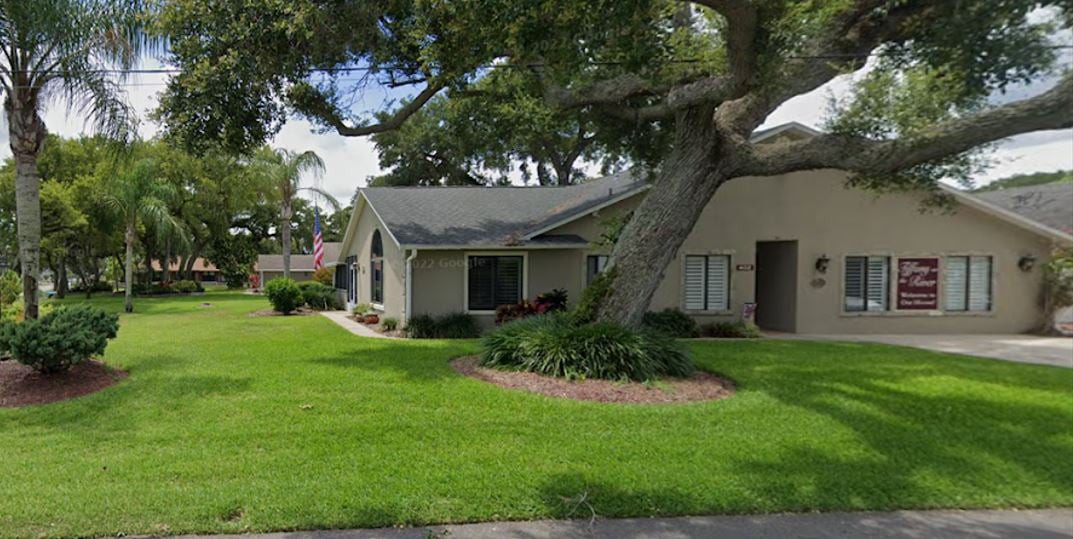
Tiffany on the River is an assisted living community nestled in the picturesque town of New Smyrna Beach, FL. Located along the tranquil riverfront, this community offers a serene and peaceful environment for its residents.

Situated in close proximity to various amenities, Tiffany on the River ensures that its residents have convenient access to essential services. With two cafes nearby, residents can enjoy a cup of coffee or meet friends for a casual meal. For those seeking outdoor recreation, four parks are just a stone's throw away, providing opportunities for leisurely walks or picnics amidst nature.

Healthcare needs are well taken care of with eight pharmacies and 23 physicians in close proximity to the community. This ensures that residents have easy access to their medication and medical professionals whenever necessary. Additionally, three hospitals are located nearby, offering peace of mind knowing that top-notch healthcare facilities are within reach.

There is no shortage of dining options near Tiffany on the River, with 21 restaurants available in the vicinity. Residents can explore various cuisines and indulge in culinary delights without traveling too far from home.

For individuals seeking spiritual fulfillment, there is a place of worship conveniently located nearby where they can practice their faith and connect with like-minded individuals.

Overall, Tiffany on the River provides a comfortable and well-connected living experience for its residents. The combination of scenic riverside views, accessibility to everyday conveniences, and ample healthcare services make it an ideal choice for those looking for assisted living options in New Smyrna Beach.

Nearby Places of Interest

This part of New Smyrna Beach, Florida offers a convenient location with a variety of amenities suitable for senior living. With several physicians, including Beach Vision and Volusia Medical Center, nearby medical care is easily accessible. The area also boasts a selection of restaurants such as River Deck and Merk's Bar & Grill, providing options for dining out. For outdoor recreation, Buena Vista Park is within walking distance, offering a relaxing green space. Additionally, AdventHealth New Smyrna Beach and Bert Fish Rehab and Wellness are nearby hospitals for any healthcare needs. Overall, this neighborhood provides a mix of healthcare facilities, dining options, parks, and other conveniences that cater to seniors looking to settle in the area.

Physicians

  • Beach Vision (0.3 miles)
  • Dr Kucker (0.3 miles)
  • Volusia Medical Center (0.4 miles)
  • Island Doctors (0.6 miles)
  • Advanced Dermatology and Cosmetic Surgery (0.6 miles)
  • Halifax Health - Center For Oncology (0.6 miles)
  • McLeod Orthopedic Clinic (0.6 miles)

Restaurants

  • River Deck (0.3 miles)
  • Merk's Bar & Grill (0.6 miles)
  • Outriggers Tiki Bar and Grille (0.7 miles)
  • Mom's Home Cooking (1.3 miles)
  • Norwood's Restaurant & Wine Shop (1.4 miles)
  • Mon Delice (1.5 miles)
  • The Garlic (1.5 miles)

Pharmacies

  • Little Drug Co (0.4 miles)
  • Winn-Dixie (1.5 miles)
  • Walgreens (1.5 miles)
  • CVS Pharmacy (1.6 miles)
  • Walgreens (1.9 miles)
  • Walmart Pharmacy (4.3 miles)
  • Winn-Dixie (4.4 miles)

Parks

  • Buena Vista Park (0.5 miles)
  • Smyrna Dunes Park (2.5 miles)
  • Rotary Park (3 miles)
  • Dog Park (3.3 miles)
  • Seamore Memorial Dog Park (6 miles)
  • Toronita Avenue Park (7.1 miles)

Hospitals

  • AdventHealth New Smyrna Beach (0.6 miles)
  • Bert Fish Rehab and Wellness (0.7 miles)
  • Bert Fish Medical Center-Edgewater/Imaging & Diagnostic (2.5 miles)
  • Halifax Health - Medical Center of Port Orange (8.4 miles)

Cafes

  • Island Roasters Coffee Company (0.9 miles)
  • Heavenly Sandwiches-Smoothies (1.4 miles)
  • Panera Bread (8.3 miles)

Places of Worship

  • Glencoe Baptist Church (3 miles)

Theaters

  • Pavilion STM 14 & RPX (8.5 miles)

Frequently Asked Questions

Where is Tiffany on the River?
Does Tiffany on the River provide care for residents with dementia or Alzheimer's disease?
What photos are available for Tiffany on the River in New Smyrna Beach, Florida?

Nearby Communities

  • Little River Manor

    Little River Manor

    New Smyrna Beach, FL

    4.2 from 10 reviews
     

    pro Personalized care with ADL support, nutritious meals, and healthcare coordination.


  • Brilliance Assisted Living

    Brilliance Assisted Living

    New Smyrna Beach, FL


    pro Memory-care focused with 24/7 supervision and varied on-site amenities.

  • Seashore Senior Living

    Seashore Senior Living

    New Smyrna Beach, FL

    4.5 from 117 reviews
    $2,499 to $3,499 / month

    pro Engaging activities program with attentive, nurse-led care in a welcoming, well-maintained environment.

  • Lexington Place Florida

    Lexington Place Florida

    New Smyrna Beach, FL


    pro Comprehensive care options with engaging amenities.

  • Smyrna West Assisted Living Facility

    Smyrna West Assisted Living Facility

    New Smyrna Beach, FL

    5 from 106 reviews
     

    pro Warm, engaging community with attentive staff and home-like dining.

  • Crown Assisted Living

    Crown Assisted Living

    New Smyrna Beach, FL

    5 from 107 reviews
    $3,500 to $4,500 / month

    pro Well-maintained memory care/assisted living with engaging activities and compassionate, experienced staff.

  • Countryside Lakes Senior Living

    Countryside Lakes Senior Living

    Port Orange, FL

    4.3 from 111 reviews
    $2,995 to $3,695 / month

    pro Friendly, attentive staff with engaging activities and high-quality dining.

  • Seagrass Village of Port Orange

    Seagrass Village of Port Orange

    Port Orange, FL

    4.3 from 75 reviews
    $3,150 to $4,675 / month

    pro Friendly, helpful staff; immaculate facilities and a vibrant range of activities and amenities.

  • Majestic Gardens Living

    Majestic Gardens Living

    South Daytona, FL

    4.7 from 19 reviews
    $4,500 to $5,000 / month

    pro Clean, modern facility with compassionate staff and strong on-site medical oversight.

Related Resources

  • when to move from assisted living to nursing home8 Key Indicators That Suggest It May Be Time to Transition from Assisted Living to Skilled Nursing Care

    The transition from assisted living to skilled nursing care is often prompted by complex medical needs that assisted living cannot meet, with key indicators including frequent health declines, increased falls, severe memory issues, and caregiver burnout. Families should recognize these signs early to discuss options with healthcare providers and prepare for the emotional and logistical aspects of moving to a facility that offers comprehensive medical support.

  • best foods for dementia patients to eatNourishing the Mind: Essential Dietary Approaches for Dementia

    Dementia is characterized by cognitive decline, with nutrition playing a vital role in brain health; while no specific diet can prevent or reverse it, a nutrient-dense diet rich in antioxidants and healthy fats may support cognitive function. The MIND diet, which emphasizes beneficial foods and limits processed items, along with proper hydration and individualized meal strategies, can enhance the well-being of dementia patients.

  • dementia behaviorsUnderstanding Dementia Behaviors: Practical Insights and Strategies for Caregivers
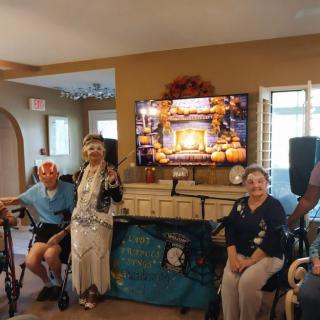
    Dementia affects memory and cognitive function in older adults, presenting challenges for caregivers due to behavioral changes such as confusion and mood swings. Compassionate, person-centered care that considers individual history and preferences, along with effective communication and environmental modifications, is essential for supporting both patients and their caregivers.