
930 Downing St # 1, Denver, CO 80218
To contact a resident: (303) 832-5567
For more information about senior living options: (866) 208-4318
Overall Review of Franconia
Pros
 It is a good place to live for those on a fixed income.
- The staff are remarkably polite and friendly.
- It is very well kept and quiet.
- The building is clean and the apartments are nice.
Cons
 The elevator is terrible and repairs are poor.
- Wait lists are usually in excess of a year.
Review
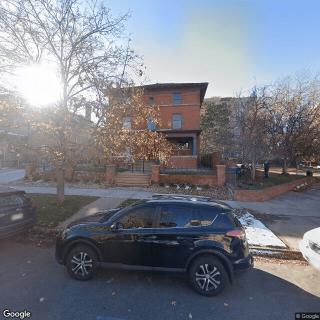
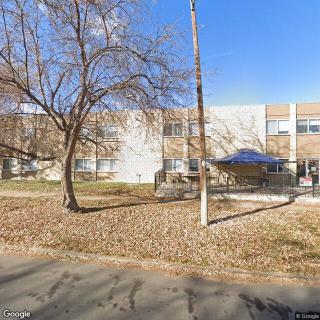
Franconia in Denver is best suited for seniors and disabled adults living on fixed income who want affordable housing with quiet, well-kept surroundings and friendly, dependable staff. The property offers HUD-subsidized rents and 1-bedroom or studio apartments, operated by Mercy Housing. Reviewers consistently describe a calm, clean building that feels stable and predictable, a favorable backdrop for daily routines and medical appointments. For families weighing options, this signals predictable monthly costs and a straightforward, low-stress living environment. The combination of affordability, stable occupancy, and a courteous on-site team makes Franconia a practical choice for residents prioritizing financial safety and a simple, steady home base.
Yet this community is less compelling for anyone who requires reliable building access or rapid maintenance. The standout drawback across reviews is an unreliable elevator system, paired with reported repair delays. For mobility-impaired residents, visitors, or caretakers, this is a recurring obstacle that can disrupt routines and independence. Long wait lists compound the challenge, with accessibility also tethered to a wait for vacancy. If a quick move, dependable vertical access, or a high-speed fix-it culture is non-negotiable, alternatives should be pursued. Franconia delivers affordability and calm, but the practical realities of access and turnover demand careful consideration.
The strengths here, however, do carry meaningful weight. A well-kept property and quiet ambiance reduce daily stress, while clean, attractive apartments create a comfortable living space. Staff are repeatedly described as polite and approachable, easing questions about leases, rents, and maintenance. The subsidized rent structure translates into predictable, manageable housing costs for fixed-income households. Socially, the presence of many residents can offer peer support and a sense of community, even if amenities aren’t flashy. When mobility and access are reasonably manageable, these positives align with a stable, low-drama lifestyle that many seniors value.
Still, the elevator issue is not merely an irritant; it shapes daily feasibility. For residents who rely on stairs, an elevator failure is inconvenient but tolerable; for those who use wheelchairs or walkers, it can block essential movement and emergency egress. Repair responsiveness matters, and slow fixes can erode trust in building oversight. In this light, the positive combination of affordability and quiet living is okay only if the elevator is functioning reliably or if mobility needs are minimal. Prospective residents should seek current, concrete assurances about elevator maintenance schedules and the facility’s contingency plans for outages before committing.
Housing logistics are central to Franconia’s appeal. The availability of HUD-subsidized units means lower rent options for seniors with fixed incomes, with a mix of 1-bedrooms and studios that fit a range of needs. However, the wait time is a defining constraint, often stretching beyond a year. That reality requires long-term planning, as families map care arrangements to a projected move-in date. Mercy Housing’s track record provides some comfort, but the reality is a prolonged horizon between inquiry and occupancy. This is a factor that can make Franconia a secondary, rather than immediate, solution for families seeking prompt housing.
The practical conclusion is clear: Franconia serves budget-conscious seniors who can tolerate periodic maintenance hiccups and a potentially lengthy wait for a unit. It is a solid fit for those prioritizing steady rents, quiet surroundings, and courteous staff. For anyone who cannot endure unreliable elevator access or a multi-month to year-long vacancy wait, exploring alternatives, whether other Mercy Housing properties or different Denver-area options, is advised. The next steps are straightforward: tour with a critical eye on the elevator condition, ask for up-to-date maintenance performance, and verify the current waitlist trajectory. Align the choice with care needs, family schedules, and the willingness to navigate a longer path to occupancy.
 Independent Living
 Denver International (18 miles away)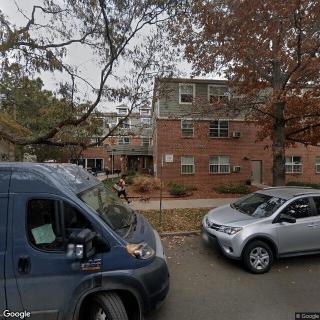

 Top Canine Companions for Older Adults
 Comprehensive Guide to Blood Pressure Charts for Older Adults: Understanding Normal and High Readings by Age
 Financing Long-Term Nursing Home Care Through Social Security: A Thorough Exploration