Residents describe a welcoming, supportive community that feels like family.
Many reviews focus on being welcomed and supported, with commenters describing loving, warm service and an atmosphere that helps people feel included. Several people say the church shows care through outreach and practical support for others, including food-related help. A recurring idea is that the congregation operates like a close-knit community where people look out for one another.
differentiator6 reviews mention this
Spiritual worship and presence
Residents repeatedly point to uplifting worship that feels spiritually present.
Reviews emphasize the spiritual tone of worship, including mentions of prayer, praise and worship, and feeling a strong spiritual presence. Several people describe services as refreshing or uplifting, and highlight moments like worship music or prayer sessions. For many reviewers, the spiritual experience is a central reason they value the place.
common4 reviews mention this
Leadership and ministry focus
Leadership is a frequent point of praise in the reviews.
Multiple reviewers single out leadership and pastoral guidance, describing it as integral to the overall experience. A number of comments mention specific leaders by name and connect them to the church’s direction and care. Reviews also describe the ministry as well-established and supportive over time.
common2 reviews mention this
Orderly services and helpful outreach
Residents mention both orderly services and community help.
A few reviews describe services as orderly and efficient, emphasizing how smoothly events run. Others talk about volunteering or attending help-centered activities, including assistance for seniors and community-driven drives. Together, these comments frame the community as organized and involved beyond worship.
How we summarize
Counts show how many written reviews mention each theme; a review can touch several themes, and only frequently mentioned themes are displayed.
Features
Types of Care
Independent Living
Transportation
San Diego International-Lindbergh (7 miles away)
Nearby Places of Interest
Pharmacies
Walgreens (0.7 miles)
Walgreens (1.8 miles)
CVS Pharmacy (2.4 miles)
Walmart Pharmacy (2.7 miles)
Walgreens (3 miles)
CVS Pharmacy (3 miles)
Rite Aid (3.1 miles)
Restaurants
McDonald's (2.2 miles)
In-N-Out Burger (3.1 miles)
In-N-Out Burger (3.8 miles)
McDonald's (4.7 miles)
Half Door Brewing Company (4.8 miles)
Bub's at the Ballpark (4.9 miles)
Pecs (4.9 miles)
Cafes
Kung Fu Tea (2.3 miles)
Starbucks (4.3 miles)
Communal Coffee (4.7 miles)
Copa Vida (4.8 miles)
Ghirardelli Ice Cream And Chocolate Shop (5 miles)
Tabac Specialty Coffee & Cigars (5.1 miles)
Starbucks (5.5 miles)
Transportation
24th Street Trolley Station (3.7 miles)
Gaslamp Quarter Trolley Station (5 miles)
San Diego Santa Fe Depot (5.6 miles)
Grossmont Transit Center (6.3 miles)
Firefly Car Rental (6.5 miles)
Hospitals
Naval Medical Center San Diego (4.4 miles)
Kaiser Permanente San Diego Medical Center/Kaiser Foundation Hospital (5.9 miles)
UC San Diego Medical Center (6.2 miles)
Parks
Quartyard Dog Park (4.6 miles)
Balboa Park (4.7 miles)
Balboa Park South Loop (5 miles)
Embarcadero Marina Park South (5.2 miles)
Pantoja Park (5.4 miles)
Centennial Park (5.7 miles)
Waterfront Park (5.8 miles)
Physicians
Internal Medicine Associates (5.6 miles)
Kaiser Permanente Vandever Medical Offices (5.7 miles)
St Stephen's Retirement Ctr is located at 5625 Imperial Ave # 215, San Diego, CA 92114 in San Diego County, California
Nearby Communities
Dunn's Rest Haven
San Diego, CA
$918 to $1,200 / month
Pricing below county/state averages for semi-private and private rooms.
Seniors Dignity Home And Care
San Diego, CA
24-hour supervision, diabetes-friendly meals, and a fully furnished, garden-facing setting with social activities.
Marife's Home Care
San Diego, CA
4.8 from 33 reviews
Small, intimate 4-resident board-and-care with 24/7 supervision, daily living assistance, meals, medication management, and transportation to medical appointments.
Barkley Residential
San Diego, CA
Villa Victoria Care Home
San Diego, CA
Personalized, 24-hour supervision in a home-like setting with dietary-tailored meals
Jeremy Residential Care Home 3
San Diego, CA
Homelike setting with 24/7 supervision, nutritious meals, and scheduled activities.
Paradise Village
National City, CA
4.6 from 106 reviews
$3,200 to $4,540 / month
Friendly, responsive staff; spacious apartments with full kitchens; rich on-site amenities and activities.
Castle Manor Convalescent Center
National City, CA
4.1 from 110 reviews
Comprehensive amenities and 24/7 care
Plaza Village Senior Living
National City, CA
4.3 from 81 reviews
Friendly, attentive staff and clean, welcoming environment with engaging activities.
Skilled nursing facilities (SNFs) provide high-level medical care and rehabilitation for short-term recovery, typically covered by Medicare after hospitalization, while nursing homes focus on ongoing custodial care for chronic conditions, mainly funded by Medicaid or private payments. The staffing and regulatory structures differ significantly between the two, necessitating clarity for families in choosing appropriate long-term care options.
Nursing home care costs in the U.S. vary significantly based on location, level of care, and amenities, with private room prices ranging from approximately $6,700 to over $30,000 monthly. Families need to explore various payment options and conduct thorough research to manage these expenses effectively.
Nonmedical home care provides assistance with daily activities and companionship for individuals wishing to maintain independence and quality of life at home, without medical intervention. Its growing popularity is driven by an aging population, the need for supportive environments for recovery, and the emotional benefits of caregiver companionship, while costs vary based on service frequency and location.
Get PricingAsk A QuestionSchedule A TourContact Senior Advisor
By clicking submit, you agree to our Partner's Terms of Use. You
also consent to receive calls and texts, which may be autodialed, from our Partner. Your consent is not a condition to
using our Partner's service. Please visit our Partner's Privacy Policy for information about their privacy practices.

 Independent Living
 San Diego International-Lindbergh (7 miles away)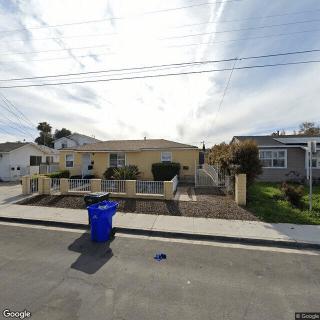
 Pricing below county/state averages for semi-private and private rooms.
 Skilled Nursing Facilities vs. Nursing Homes: Making Sense of the Differences
 A Detailed Examination of Nursing Home Costs Across the U.S.
 Exploring Nonmedical Home Care: Understanding Services, Costs, and Financial Approaches