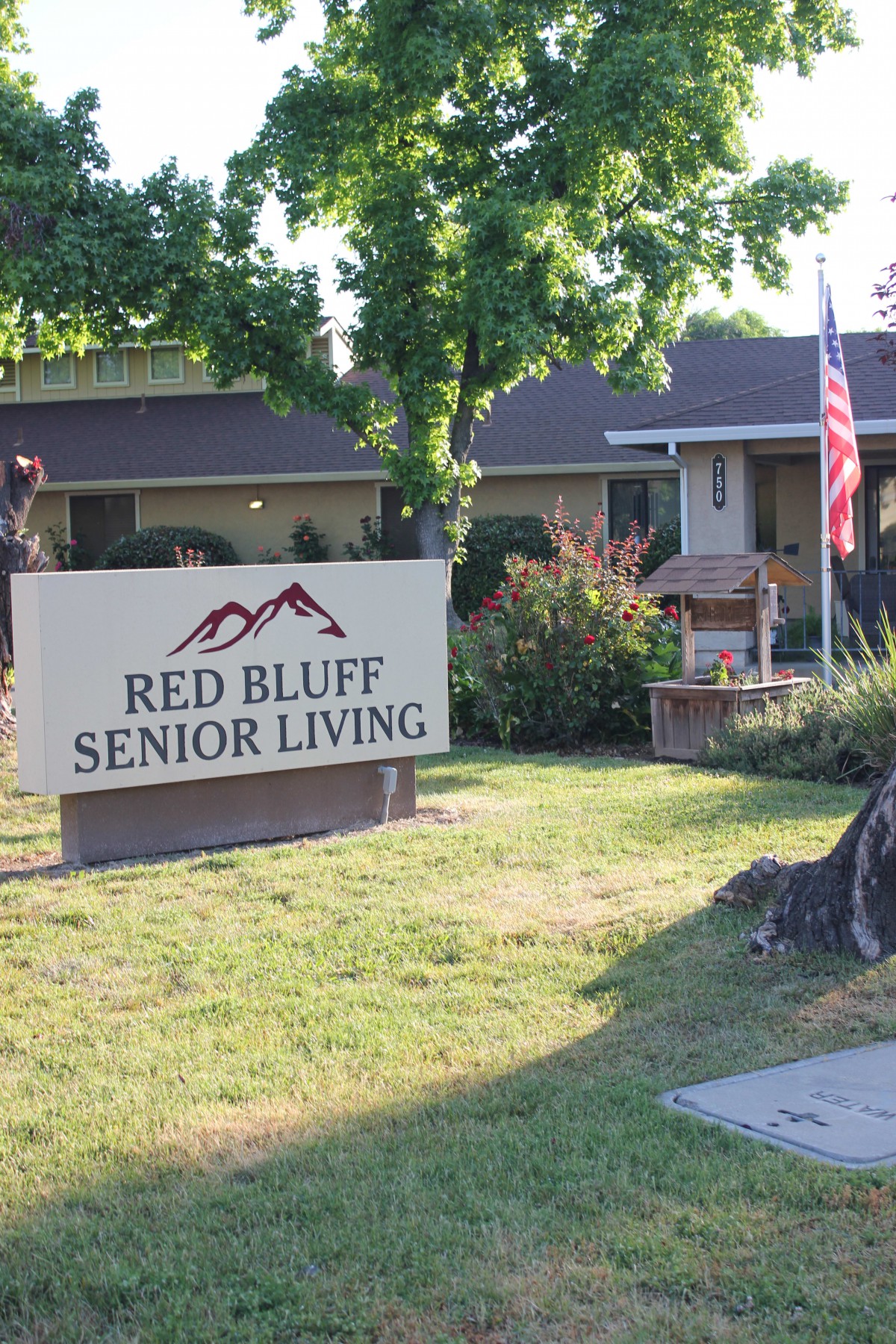
Red Bluff Senior Living offers competitive pricing for its residents when compared to both Tehama County and the broader California market. For a studio apartment, residents pay $2,500 per month, significantly lower than the county average of $3,612 and the state average of $4,145. Similarly, the one-bedroom option at Red Bluff is priced at $3,500, which also undercuts both county and state averages of $3,954 and $4,340 respectively. These cost-effective options make Red Bluff Senior Living an attractive choice for seniors seeking quality care without straining their financial resources.
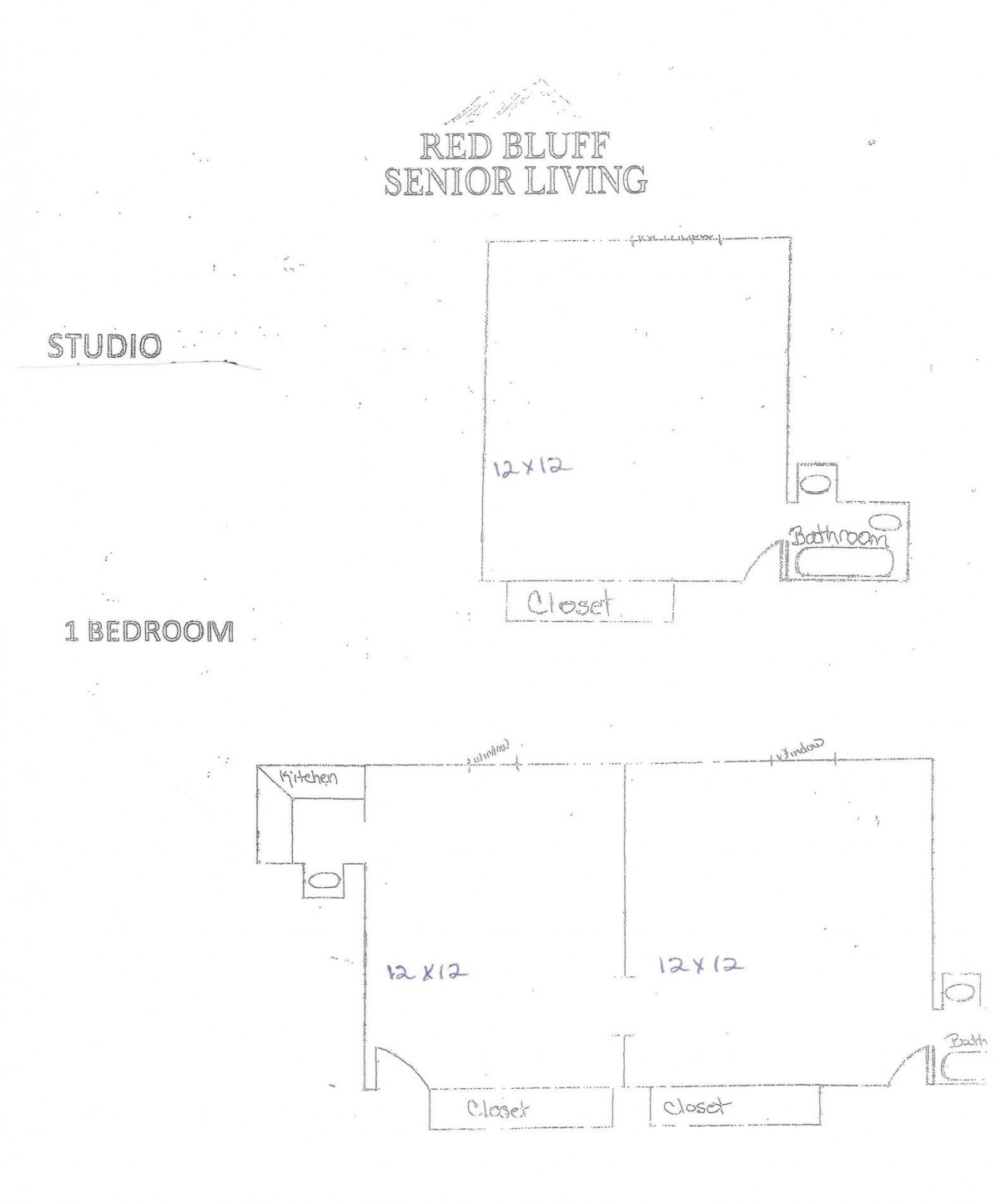
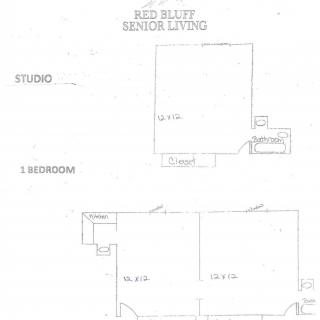
Floor plans
Red Bluff Senior Living
Tehama County
California
Studio
$2,500
$3,612
$4,145
1 Bedroom
$3,500
$3,954
$4,340
Overall Review of Red Bluff Senior Living
common30 reviews mention this
Staff care and communication stand out
Residents and families describe consistently kind, responsive staff.
Across reviews, families frequently mention staff who are friendly, helpful, and attentive, and who communicate clearly with residents and loved ones. Several residents or visitors describe warm welcomes and support with day-to-day needs like maintenance requests, staying informed, or coordinating small items. One review also flags that a few employees were the opposite, including complaints about how staff spoke about others.
common17 reviews mention this
Activities keep residents busy
Daily activities and exercise help residents stay engaged.
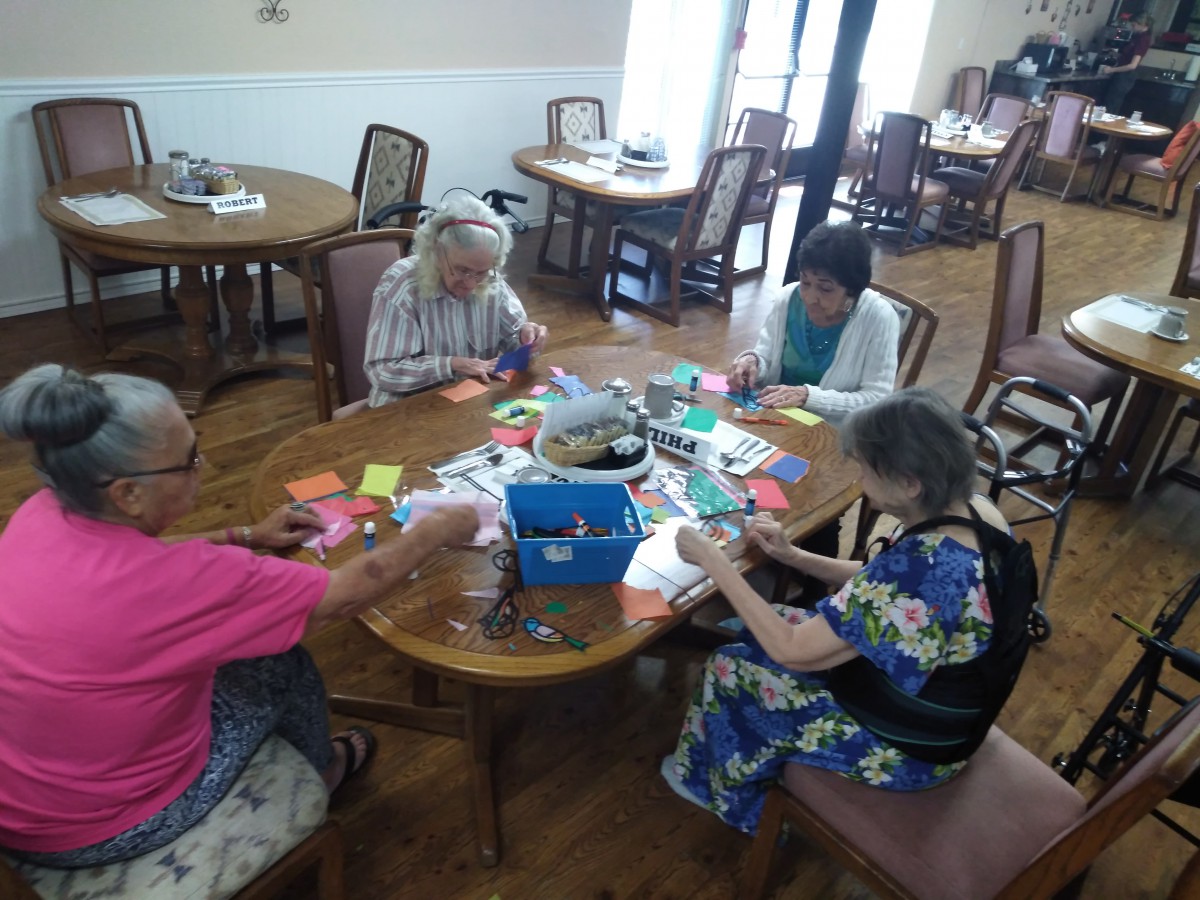
Many reviewers say the community stays active, with regular games, exercises, and scheduled programming. Families also describe residents joining when they want to, with options like music, dancing, and group-style events. Reviews also mention friends and social connections through these activities, while one person notes that activity variety declined before the virus period and another points to specific routines like bingo and bowling.
common17 reviews mention this
Meals are a big part of life
Meals are provided daily, with reviewers split on quality.
Most reviews mention meals and dining as a central piece of the experience, including three meals per day and options for dietary needs. Several residents or visitors praise the food as good, enjoyable, or home-cooked, and some call out the kitchen staff and menu variety. At the same time, a few reviews express concerns about food quality, including that it can be less enjoyable or needs improvement.
differentiator5 reviews mention this
Independence is emphasized
Independent Living means residents handle medications and medical care.
Reviews repeatedly describe the community as independent living, with residents expected to be able to care for themselves for the most part. One reviewer notes that staff are not caregivers and that families are responsible for medications and medical needs, while another says there is no medical staff on duty. Other reviews still describe support for lighter tasks like help with laundry, hair, or minor issues, alongside continued freedom to go out when residents want.
caveat5 reviews mention this
Pricing is described as affordable
Multiple families describe the move-in as affordable or good value.
Some reviews say the community is a reasonable option for their budget and better value than other care levels they considered. One family specifically mentions choosing it because it was affordable, and another highlights that the price felt reasonable for what was offered. Still, one reviewer points to wanting improvements (including around meals), even while calling the overall place nice.
caveat4 reviews mention this
Food quality varies for some
A handful of reviews say meal quality could improve.
While many reviewers praise dining, multiple comments point to inconsistent food quality. One resident’s family reports problems with meal quality, another says food is only OK and not the greatest, and a different reviewer asks for improvements to the meals provided. One strongly critical review describes the food as unenjoyable and mentions frequent new staff for the kitchen.
How we summarize
Counts show how many written reviews mention each theme; a review can touch several themes, and only frequently mentioned themes are displayed.
Features
Housing
1-bedroom apartments
Studio apartments
Types of Care
Independent Living
Pets
Cats allowed
Dogs allowed
Amenities
Activities off-site
Activities on-site
Air-conditioning
Beautician on-site
Cable or satellite TV
Devotional services on-site
Ground floor units
Indoor common areas
Kitchenette
Outdoor common areas
Wheelchair accessible showers
Transportation
Redding Municipal (24 miles away)
Dining
Gluten-free
Guest meals
Low / no sodium
Meals provided
No Sugar
Organic
Professional chef
Room service
Vegan
Activities
Art classes
Brain fitness
Catholic services
Devotional activities on-site
Educational speakers / life long learning
Karaoke
Live dance or theater performances
Live musical performances
Live well programs
Other religious services
Stretching classes
Nearby Places of Interest
This area of Red Bluff, California offers a convenient location with access to essential services and amenities. With several hospitals nearby such as Tehama County Health Center and Mercy Medical Center Redding, residents have access to quality healthcare. There are also a variety of restaurants, cafes, and pharmacies within close proximity for dining and shopping needs. Additionally, there are several places of worship for those seeking spiritual fulfillment. Parks like Forward Park and Red Bluff River Park provide opportunities for outdoor recreation and relaxation. The area is served by the Red Bluff Municipal Airport for convenient travel options. Overall, this neighborhood offers a comfortable and diverse community environment for seniors looking to settle down in the area.
Hospitals
Tehama County Health Center (0.2 miles)
Mercy Corps (0.9 miles)
Mercy Medical Center Redding (2.2 miles)
Restaurants
Dad's Ice Cream (0.4 miles)
Lucky Chinese Restaurant (0.5 miles)
Tips (0.9 miles)
Round Up Saloon (1 miles)
Leigh & Vals Wings and Wheels (1 miles)
Los Mariachis (1 miles)
Los Costenos 2 (1 miles)
Places of Worship
Abundant Life Fellowship (0.5 miles)
Red Bluff Foursquare Church (0.6 miles)
The Connection Church (0.7 miles)
Seventh Day Adventist Church (0.8 miles)
New Life Assembly (0.8 miles)
General Conference Of Seventh-Day Adventists (0.8 miles)
Jehovah's Witnesses (0.9 miles)
Parks
Forward Park (0.8 miles)
Cone & Kimball Tower (1 miles)
Red Bluff River Park (1.1 miles)
Diamond Park (1.5 miles)
Physicians
Moore & Pascarella - Jon Pascarella DDS (0.9 miles)
Red Bluff Senior Living offers competitive pricing for its residents when compared to both Tehama County and the broader California market. For a studio apartment, residents pay $2,500 per month, significantly lower than the county average of $3,612 and the state average of $4,145. Similarly, the one-bedroom option at Red Bluff is priced at $3,500, which also undercuts both county and state averages of $3,954 and $4,340 respectively. These cost-effective options make Red Bluff Senior Living an attractive choice for seniors seeking quality care without straining their financial resources.
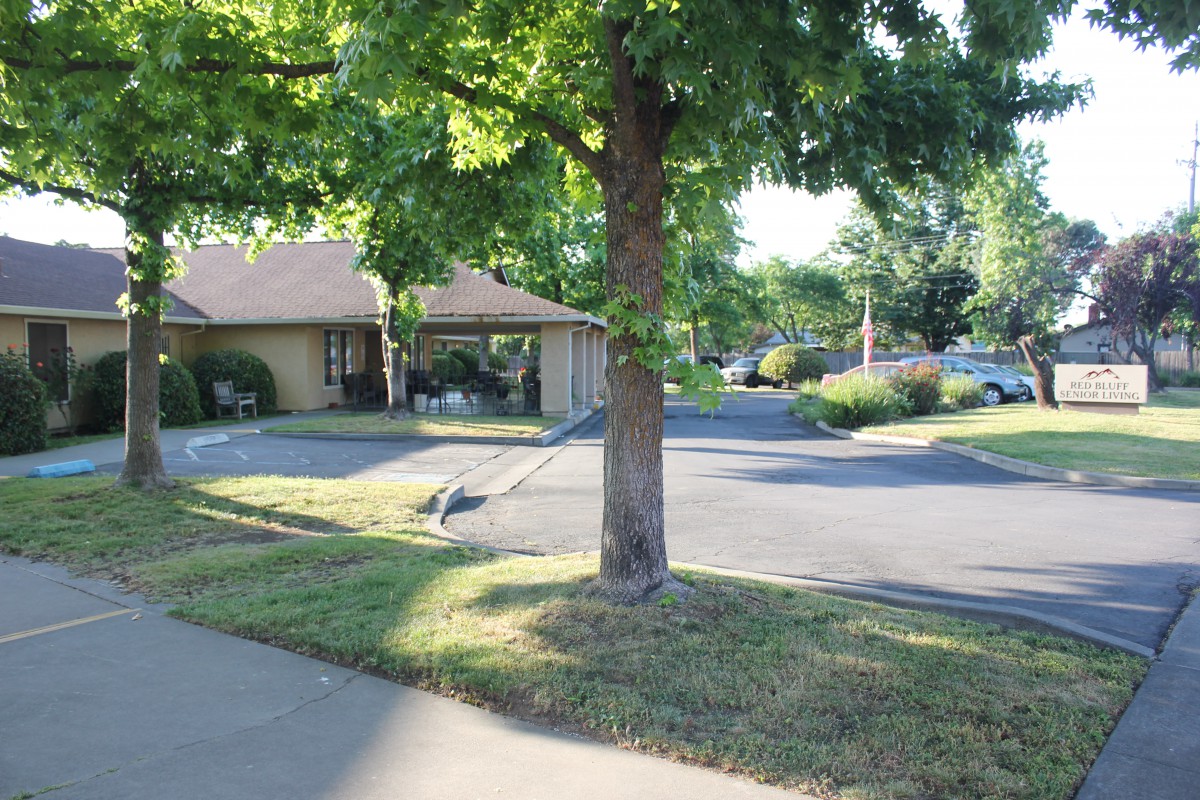
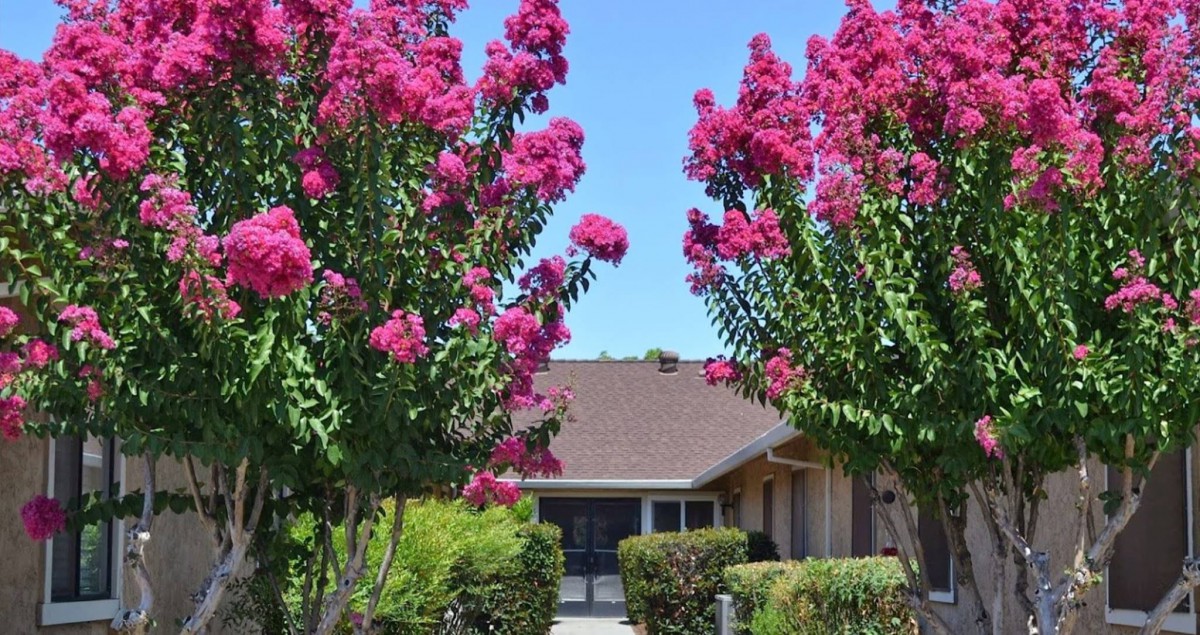
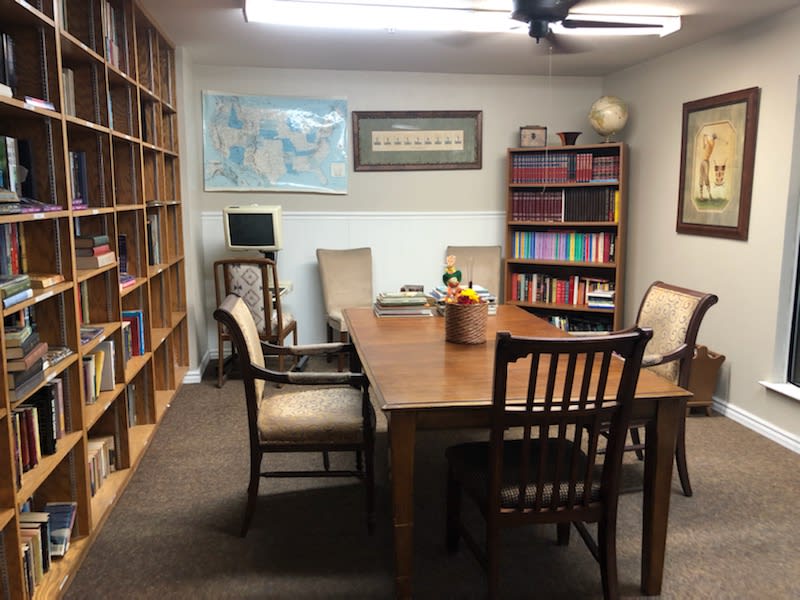
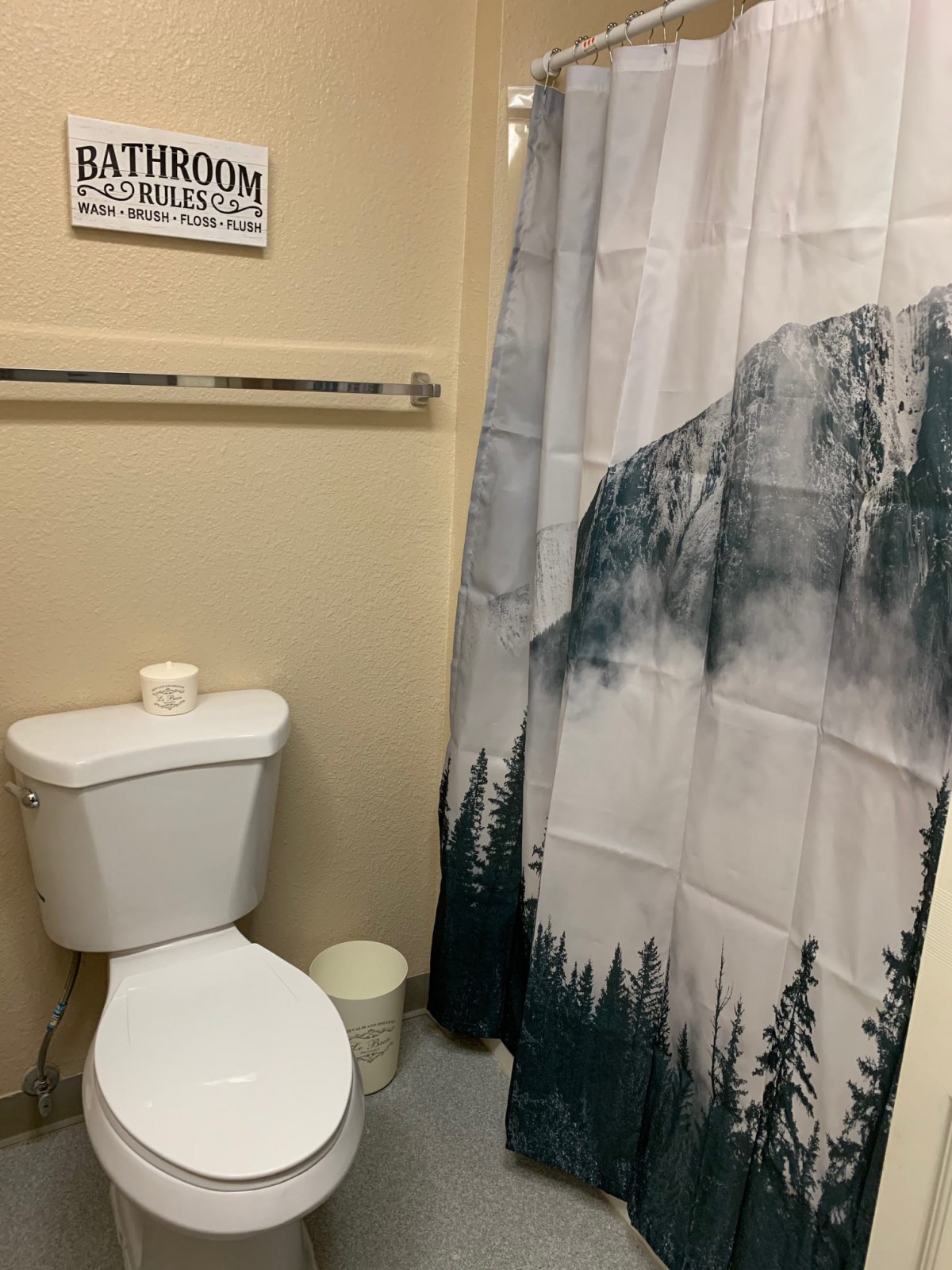
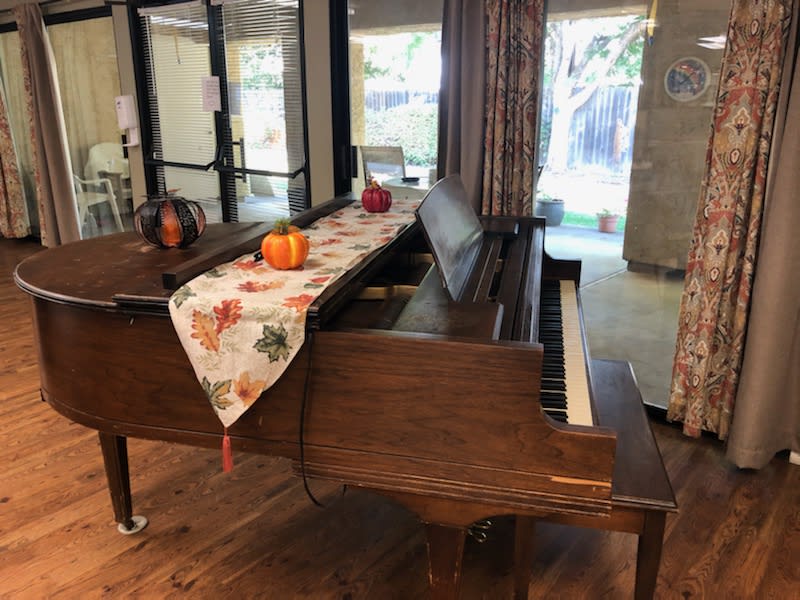
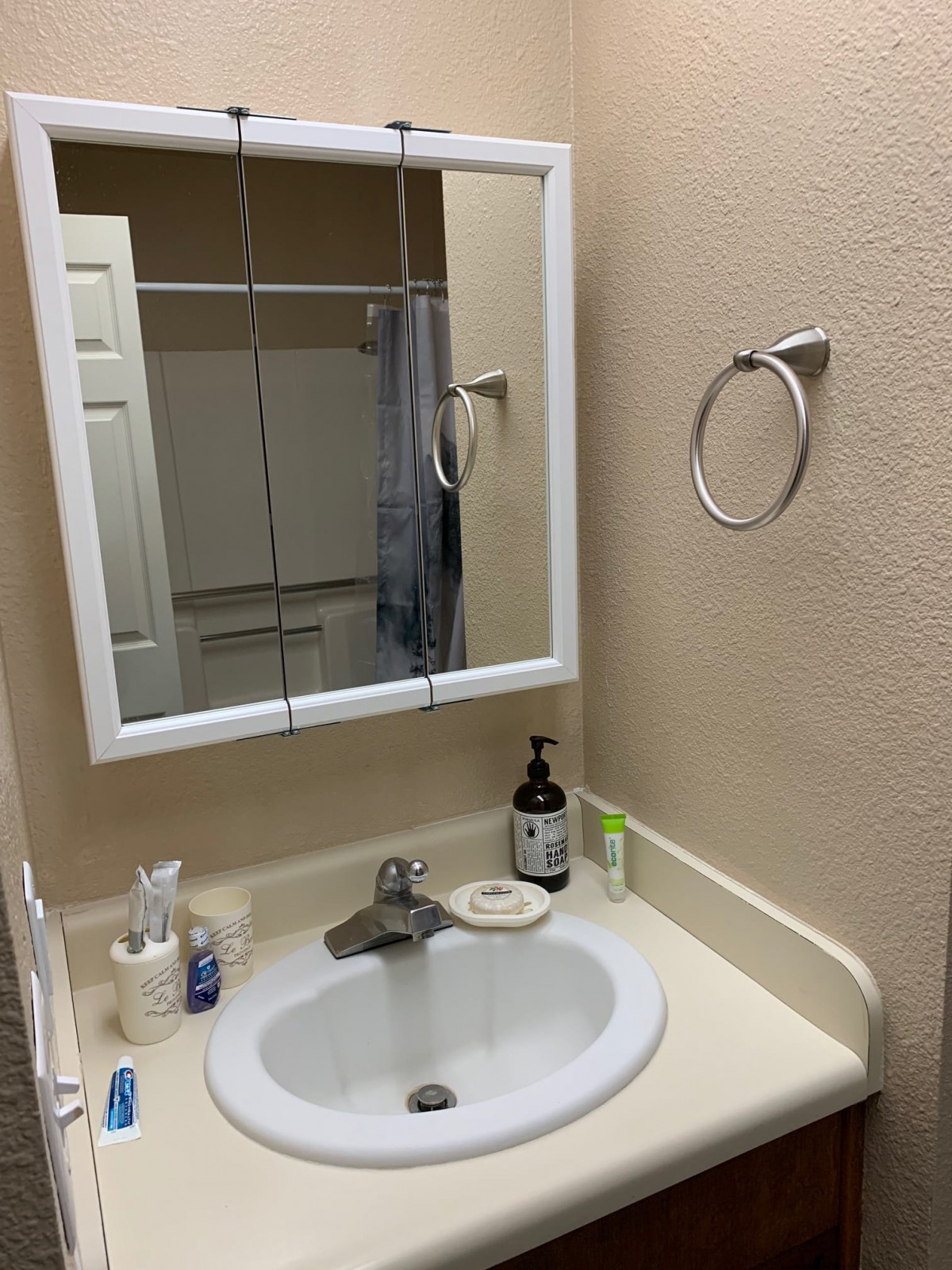
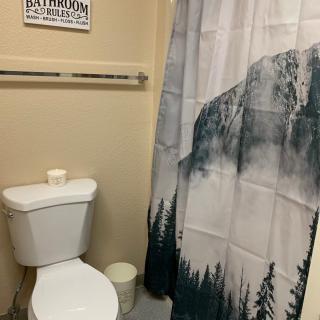
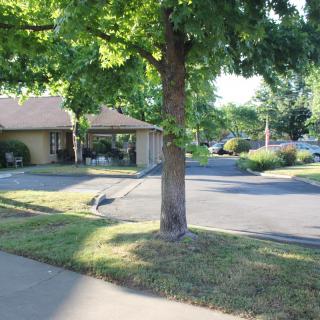
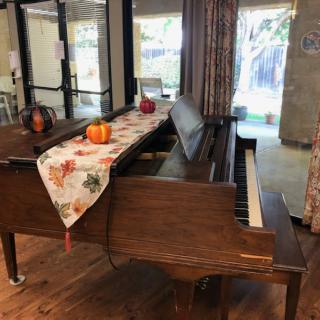
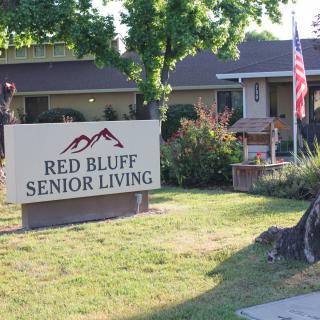
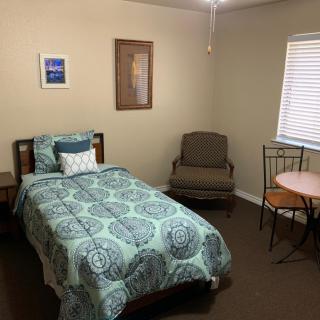
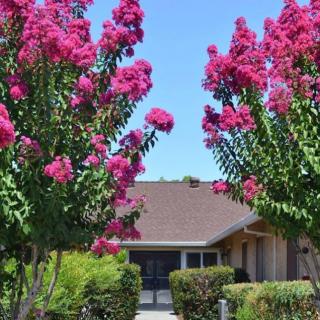
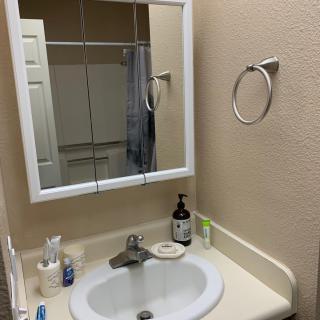
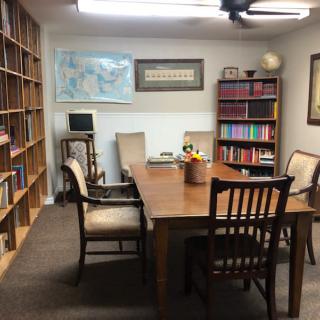
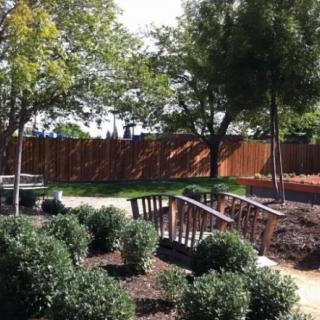
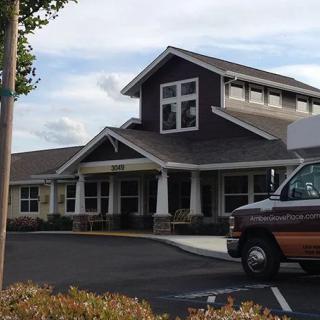
Red Bluff Senior Living on seniors.fyi includes 11 photos including images showing bathroom, interior, decor, nature, floor plan, piano, bedroom, building, and more.
Nearby Communities
Brentwood Post Acute
Red Bluff, CA
3.8 from 12 reviews
Attentive staff, delicious meals, and a clean, well-maintained environment with engaging daily activities.
All About Seniors - Walnut Street
Red Bluff, CA
2.6 from 5 reviews
Homelike board-and-care with furnished rooms, meals, outdoor space, housekeeping, and move-in coordination.
Prs Southpointe Retreat
Red Bluff, CA
Cozy, furnished board-and-care with 24-hour supervision and daily activities.
Lassen House Senior Living
Red Bluff, CA
4.3 from 49 reviews
$4,595 to $5,495 / month
Caring staff, clean facilities, and engaging activities.
Red Bluff Health Care Center
Red Bluff, CA
3.5 from 55 reviews
Clean, well-kept facility with caring staff and effective therapy.
By The River Assisted Living
Red Bluff, CA
5 from 5 reviews
Intimate 6-resident community with personalized care and comprehensive services.
C.O.M.P.A.S.S., LLC
Redding, CA
3.6 from 37 reviews
Wide range of care options including memory care.
Amber Grove Place
Chico, CA
4.6 from 54 reviews
$4,850 to $7,350 / month
Compassionate staff, engaging activities, and a consistently clean memory-care environment.
Medicare covers in-home health care services, which are medical and provided by licensed professionals under a physician's supervision, whereas non-medical personal assistance is generally not covered unless part of a broader skilled care plan. Eligibility for benefits depends on being homebound and needing intermittent skilled services from a Medicare-certified agency, with specific coverage limitations and additional resources available for navigating options.
In-home care is increasingly sought after by older adults for maintaining independence, with average private home care rates in 2025 varying by state and service type, reflecting geographical and local labor market influences. As demand rises, families are considering funding options like Medicaid waivers and long-term care insurance to manage costs effectively while ensuring quality care.
Home health care has become essential for supporting independence among the aging population, offering diverse services such as skilled nursing and rehabilitation in familiar environments, while also incorporating technology for personalized care. Despite its benefits, including improved recovery rates and emotional well-being, challenges like safety, staff availability, and insurance navigation must be managed for effective implementation.
Get PricingAsk A QuestionSchedule A TourContact Senior Advisor
By clicking submit, you agree to our Partner's Terms of Use. You
also consent to receive calls and texts, which may be autodialed, from our Partner. Your consent is not a condition to
using our Partner's service. Please visit our Partner's Privacy Policy for information about their privacy practices.

 1-bedroom apartments
 Independent Living
 Cats allowed
 Dogs allowed
 Activities off-site
 Air-conditioning
 Beautician on-site
 Cable or satellite TV
 Devotional services on-site
 Ground floor units
 Indoor common areas
 Kitchenette
 Outdoor common areas
 Wheelchair accessible showers
 Redding Municipal (24 miles away)
 Gluten-free
 Art classes
 Brain fitness
 Catholic services
 Educational speakers / life long learning
 Karaoke
 Live dance or theater performances
 Live musical performances
 Live well programs
 Attentive staff, delicious meals, and a clean, well-maintained environment with engaging daily activities.

 Navigating Medicare Coverage for In-Home Care Services
 In-Home Care Costs in 2025: A Detailed State-by-State Exploration
 Understanding Home Health Care: A Comprehensive Guide