
1655 3rd St, Lincoln, CA 95648
To contact a resident: (916) 645-2370
For more information about senior living options: (866) 208-4318
Lincoln Senior Citizens Apt Costs & Pricing
Lincoln Senior Citizens Apartments offers an attractive option for senior living, with studio apartments priced at $950 per month. This cost is significantly lower than the average rates in Placer County, where similar accommodations can exceed $4,300, as well as the broader California rate of approximately $4,145. By providing more budget-friendly options, Lincoln Senior Citizens Apartments ensures that residents can enjoy comfortable living arrangements while maintaining financial peace of mind in comparison to local and state averages.
| Floor plans | Lincoln Senior Citizens Apt | Placer County | California |
|---|---|---|---|
| Studio | $950 | $4,311 | $4,145 |
Independent Living communities with a similar price nearby
-
from -$155 / mo
Auburn Oaks Senior Living
$795 to $995 / month13.1 miles away
Overall Review of Lincoln Senior Citizens Apt
Pros
 Angelina is very caring and patient.
- Angelina answers all questions.
- MIL has lived there 5+ years and loves it.
- Regular and disabled apartments are available.
- Everyone there is very neighborly.
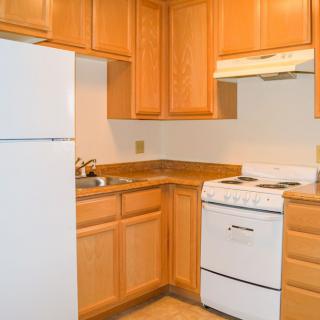
- The apartments were recently renovated.
- They are cozy.
- Lincoln Senior Apartments is a very nice community.
Cons
 The place is rat/mice infested; the landlord has done little to rectify this serious problem.
- The carpet is soaked with rat/mouse urine and feces.
- The infestation forced the reviewer to throw out a sofa.
- There is a waiting list of over two to three years for Lincoln Senior Apartments.
- Residents warn to beware of the site managers.
Review
This community is best suited for budget-conscious seniors who want independent living with real proximity to family, a quiet, neighborly environment, and the comfort of recently refreshed apartments. Lincoln Senior Citizens Apt emphasizes affordability through income-based pricing and offers 1- and 2-bedroom layouts, on-site laundry, a recreation space, and well-kept grounds. The location matters: a bus stop sits directly outside, the grounds are described as green and pleasant, and residents note the community can feel homey and welcoming after years of living there. For someone prioritizing stability, a sense of belonging, and a place to age in place near relatives, this offering checks many boxes.
Yet, a careful decision requires recognizing who may want to consider alternatives. Those who demand a pest-free, immaculate living environment should look elsewhere, as pest issues rise to the top of concerns in this property. Promises of well-maintained interiors clash with firsthand accounts of a persistent rodent problem that has not been decisively resolved. If immediate move-in is essential, or if a resident relies on more than independent living , on-site assistance, medical oversight, or guaranteed rapid maintenance , this community may not align with those needs. Prospective residents who expect highly responsive, consistently managed operations should weigh the variability in management impressions, and plan for due diligence with current residents or management before committing.
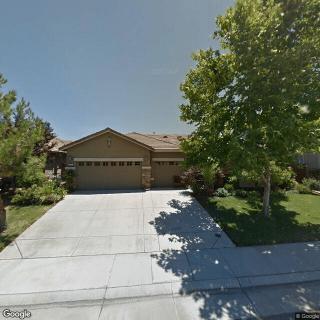
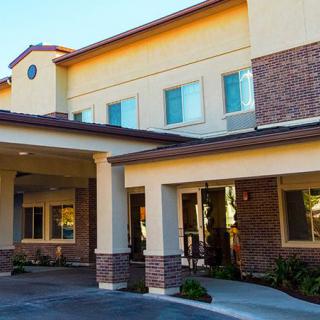
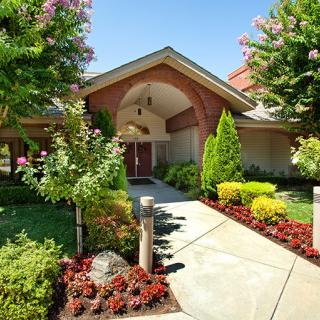
The strongest, tangible positives center on renovated, cozy apartments and a serene outdoor setting. Several reviews praise the recent updates, noting comfortable living spaces that feel well cared-for and a calm, quiet atmosphere. In addition, the property offers practical amenities: an on-site laundry room, a recreation center, and covered patios with storage, all contributing to a low-maintenance lifestyle. The grounds are described as attractive, with mature trees and green grass, which can contribute to a pleasant daily living experience. The presence of a bus stop right outside enhances mobility for those who no longer drive, and the community vibe among neighbors and long-standing residents can be a meaningful source of support and companionship. These advantages can offset many routine concerns for residents who prioritize comfort, aesthetics, and social energy within a tight budget.
However, the dominant drawback centers on a serious pest problem that colors the entire experience. The reviews describe a rat/mice infestation with contaminated carpeting and surfaces, and a landlord perceived as slow to address the issue. One resident recounts discarding a sofa due to infestation-related contamination, a vivid illustration of the seriousness and potential health risks involved. This level of pest activity has clear implications for daily living, cleanliness, and peace of mind, and it raises questions about ongoing pest management, remediation plans, and accountability. The conflicting signals about management quality further complicate the picture: a few residents praise the site’s managers and groundskeeping, while others warn to “beware the site managers,” suggesting uneven responsiveness. The infestation issue intersects with another reality, the long waiting list: two to three years before securing a unit, with a clear emphasis that occupancy is restricted to seniors or disabled residents. For anyone who cannot tolerate ongoing pest concerns or delays in placement, this is a decisive negative.
From a decision-making standpoint, the core calculus is clear: the pros are real and well-supported when the priority is affordable, independent living in a renovated, attractive setting with genuine community ties and convenient transit. The cons, led by pest control concerns and management inconsistencies, can erase those gains quickly for residents with higher health or hygiene standards, or for those who need assurance about issue resolution. The long waiting period compounds the risk: even if the pest problem improves, the time to occupancy can be lengthy, delaying a resident’s plans and stability. For a family weighing options, this combination means diligence: verify current pest control measures, seek concrete remediation commitments, and speak with multiple residents about recent interactions with management. Only with confidence on these fronts should the living experience be judged as reliably stable.
In practical terms, families and future residents should approach a tour with a focused checklist. Inquire about the pest remediation plan, frequency of treatments, and any records of health inspections or certifications. Ask for recent maintenance logs, especially around carpeting and common areas, and request direct contact with residents who’ve lived there long enough to judge whether improvements have held. Clarify rent specifics within the income-based framework, including what subsidies or utility costs apply and how the long waitlist might intersect with future plans. Probe the management team’s responsiveness and consistency, and consider visiting during a routine day to observe how staff handle routine requests and resident interactions. If these assurances exist and the pest situation is demonstrably under control, the positive attributes, renovated interiors, quiet grounds, neighborly culture, and transit access, can make Lincoln Senior Citizens Apt a compelling choice.
The bottom line: Lincoln Senior Citizens Apt serves best those who prize value, independence, and community in a renovated, serene setting, with the practical benefit of an outside bus stop and nearby amenities. It remains a strong option for seniors who can tolerate a controlled pest environment and can work within a notably long waitlist. For anyone who cannot absorb ongoing pest concerns, inconsistent management experiences, or the prospect of a multi-year delay before moving in, alternative independent living communities or more robust care-oriented options should be pursued. With pests addressed and management aligned, the positives, affordable, comfortable homes within a friendly, well-located enclave, make the case compelling for the right resident.
 Independent Living
 Sacramento International (20 miles away)
 Exploring Nonmedical Home Care: Understanding Services, Costs, and Financial Approaches
 Engaging Brain Games and Innovative Apps to Keep Senior Minds Active
 Effective Strategies for Keeping Seniors' Minds Active: A Deep Dive into Brain Games and Apps