
1544 E. Fedora Ave. #102, Fresno, CA 93704
To contact a resident: (559) 229-2065
For more information about senior living options: (866) 208-4318
Fig Garden Villa Costs & Pricing
Fig Garden Villa offers remarkably competitive pricing compared to the broader market in Fresno County and California as a whole. For instance, the monthly cost for a studio at Fig Garden Villa is just $570, which starkly contrasts with the county average of $3,349 and the state average of $4,145. Similarly, their one-bedroom apartments are priced at $675, significantly lower than the Fresno County average of $3,398 and California's average of $4,340. Even for two-bedroom units, Fig Garden Villa stands out with a rate of $755 compared to the county's average of $3,557 and a state average soaring to $5,270. This pricing structure not only highlights Fig Garden Villa's affordability but also positions it as an appealing choice for those seeking quality living options without the exorbitant costs typically associated with senior living in California.
| Floor plans | Fig Garden Villa | Fresno County | California |
|---|---|---|---|
| Studio | $570 | $3,349 | $4,145 |
| 1 Bedroom | $675 | $3,398 | $4,340 |
| 2 Bedrooms | $755 | $3,557 | $5,270 |
Independent Living communities with a similar price nearby
-
from +$104 / mo
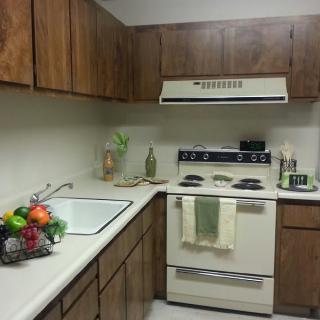
Park Kingsburg Apts
$674 / month22.7 miles away -
from -$35 / mo
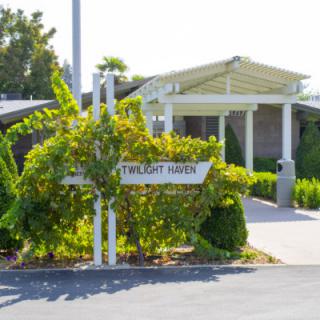
Twilight Haven
$535 to $5,520 / month5.2 miles away
Overall Review of Fig Garden Villa
Pros
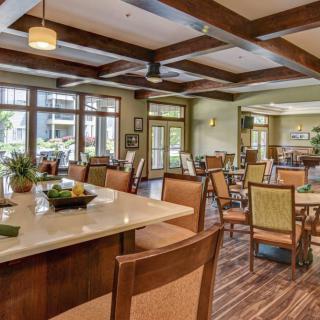
 The community is neat and clean.
- The staff are very friendly and helpful.
- There are multiple room options available.
- The reviewer would recommend this community to others.
Cons
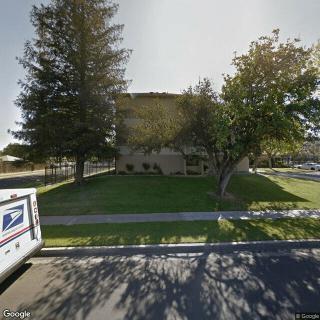
 It looked like an apartment complex.
- It looked like an apartment complex.
Review
Fig Garden Villa in Fresno, CA is best suited for seniors who want a straightforward, home-like living option with a strong emphasis on cleanliness and personalized service. The setting reads more like a residential complex than a traditional, sprawling campus, but it delivers practical advantages: a neat, tidy environment and staff who are described as friendly and helpful. The key appeal is flexibility in living space, with multiple room options that allow families to tailor size, layout, and cost to the resident’s daily routine. This community suits individuals who prize accessibility, a non-institutional feel, and hands-on staff support when needed, without insisting on a formal, hospital-like atmosphere.
Those considering alternatives should weigh whether the setting offers the level of care and programming their loved one truly requires. The frequent note that the property “looked like an apartment complex” signals a potential gap for residents who need robust nursing oversight, structured daily activities, or memory-care support. For seniors who require consistent medical management, regular on-site nursing, or a rich activity calendar with specialized programs, a larger, purpose-built assisted living community may deliver more reassurance and a clearer continuum of care. In short, this group should compare Fig Garden Villa against facilities with more explicit clinical services and formal programming.
The strongest positives lie in the human-centered aspects and the practical setup. A neat, clean environment is not just pleasant; it lowers stress and supports easier daily living. The staff’s friendliness and willingness to help directly affect day-to-day satisfaction, turning routine tasks into manageable experiences and reducing the burden on families. The breadth of room options is another practical plus, enabling a resident to downsize or space up as needs shift, control monthly costs, and preserve a sense of independence. Taken together, these factors translate into a livable, predictable routine that can be especially valuable for residents who want simplicity without sacrificing responsive care.
The primary drawbacks center on the architecture of care, or the lack thereof, rather than the demeanor of the team. The “apartment complex” vibe can imply limited on-site medical oversight, fewer clinical staff hours, and less formal programming than families expect from traditional assisted living. With only three reviews contributing to the rating, there is insufficient evidence of consistently strong care outcomes across the board. For families evaluating stability and long-term support, this ambiguity matters: it raises questions about emergency response, medication management, and the availability of daily activities designed to engage residents beyond basic housekeeping.
Yet the strengths can offset these concerns for the right resident, particularly when independence and personal choice drive the decision. The friendly staff and clean surroundings create a supportive daily rhythm that reduces stress for both residents and families. The ability to select from multiple room configurations helps align comfort with budget, which can make this option substantially more attractive than a standard rental with minimal inclusive services. For seniors who can manage routine tasks with occasional assistance, and who do not require aggressive clinical oversight, Fig Garden Villa offers a practical, affordable path to a dignified, autonomous-feeling lifestyle.
For families weighing this community, a deliberate, stepwise evaluation is essential. Start with an on-site tour focused on care capabilities: ask who provides what level of assistance, the availability of scheduled nursing, medication administration policies, emergency response times, and how activities are organized throughout the week. Inquire about dining options, transportation, housekeeping, and laundry services to understand the daily load on residents. Compare costs and contracts with a few other communities that emphasize more formal caregiving or memory-care services. If the resident values a cozy, apartment-like atmosphere and a responsive, approachable staff, Fig Garden Villa can be a sound choice; if medical oversight and curated programming are non-negotiable, alternatives should be pursued with equal diligence.
 Independent Living
 Cats allowed
 Dogs allowed
 Fresno Yosemite International (4 miles away)




 Nurturing Our Elders: Linda's Journey of Supporting Her Mother
 A Comprehensive Exploration of Common Misunderstandings about Powers of Attorney
 Senior Move Management: Understanding the Role, Value, and Associated Costs