
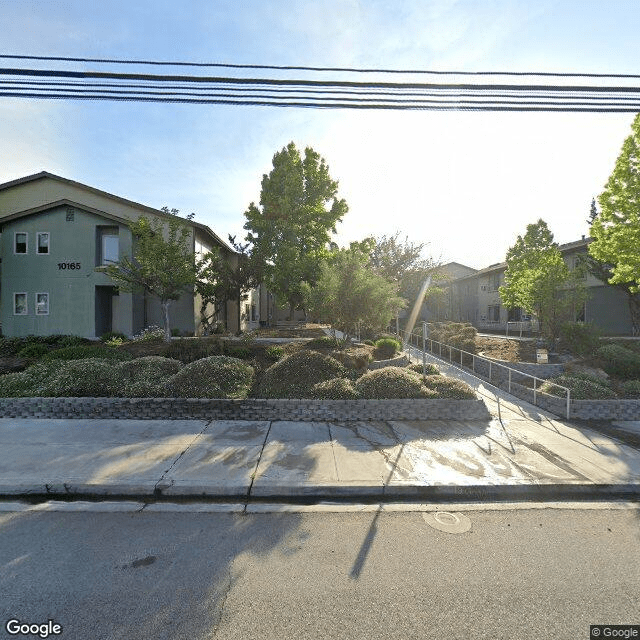
10165 El Camino Real, Atascadero, CA 93422
To contact a resident: (805) 466-0759
For more information about senior living options: (866) 208-4318
Overall Review of California Manor
Pros
 California Manor is affordable for disabled and low-income seniors.
- The property is pet-friendly.
- An active and responsive management is viewed as a desirable feature in rental housing.
- It is a practical option for seniors seeking affordable housing.
Cons
 The management at California Manor does the bare minimum required, and repairs are not kept up.
- The complex provides apartments that are below normal standards, with worn carpet exposing tac strips and sometimes not replaced at move-in.
- Two resident friends did not have hot water in the shower for over a year until intervention occurred.
- There are residents who need repairs after living there for over eight years, and California Renter’s Policies do not require fresh paint or carpet repairs.
- It is affordable for disabled and low-income seniors, but maintenance and upkeep are substandard.
- The reviewer cautions to choose a place that is active and responsive to renters' concerns; otherwise, this one is not.
- Despite being marketed as pet-friendly, there are no facilities for pets, and signs say to stay off the grass.
- One reviewer describes the place as feeling like a hospital.
Review
California Manor in Atascadero is best suited for budget-conscious seniors who need a low-cost housing option and can tolerate older interiors and a less responsive management culture. The community is clearly positioned as affordable housing for disabled and low-income seniors, offering a basic foothold in a less pricey segment of the market. It serves residents who prioritize monthly rent and predictable costs over upgrades, amenities, or a highly proactive management team. For families seeking a polished, well-maintained environment with consistently fresh updates and attentive service, this is not the first choice. It is instead a pragmatic fallback when finances constrain options and the priority is staying in the local area.
Those who should consider alternatives are seniors who demand reliable maintenance, prompt repairs, and a climate-controlled living experience. If hot water reliability, timely carpet and paint updates, and a management team that actively addresses concerns are non-negotiables, this property will feel consistently insufficient. Prospective residents who value modern aesthetics, robust social programming, or clearly defined service standards will likely encounter repeated disappointments here. Even with a pet-friendly label, questions remain about real pet facilities and community warmth, given the absence of dedicated pet spaces and the restrictive signage around outdoor areas.
The few advantages present, principally affordability for lower-income seniors, do offer a meaningful offset in the right circumstances. Staying within reach of family, medical appointments, and basic services matters when budget is the chief constraint. The “pet-friendly” cue can be meaningful for households with a companion animal if the policy aligns with daily life, though that label is tempered by the lack of practical amenities and the signs urging residents to stay off the grass. In a careful cost-benefit view, the financial relief matters, but it does not fully compensate for persistent maintenance shortcomings or a hospital-like ambiance that lacks warmth and daily comfort.
Yet the core drawbacks carry tangible weight in day-to-day living. Repairs are described as the minimum required by law, with frequent delays and inconsistent follow-through. Carpet wear is severe enough to reveal tac strips, and residents may move in to find they are not receiving new carpeting when needed. Hot water issues have emerged as a chronic problem in at least some units, stretching over extended periods and only resolving after external intervention. Policies that do not require regular painting or carpet updates compound the sense of aging and deferred maintenance, reinforcing a perception that upkeep is not a priority. Taken together, these factors translate into ongoing inconvenience, safety concerns, and an environment that feels less durable than its price tag would suggest.
The result is a decision in which the pros and cons must be weighed with clear-eyed realism. For families and seniors who can tolerate an aging physical plant and uneven service, California Manor can be a viable, affordable option that keeps housing costs predictable. For anyone who cannot tolerate episodic maintenance, inconsistent hot water, or a clinical, impersonal atmosphere, the case for looking elsewhere becomes strong. Prospective residents should demand transparency: current maintenance response times, a concrete schedule for carpet and paint refreshes, confirmation of hot water reliability, and a practical understanding of pet policies and outdoor access. A thorough in-person tour and conversations with current residents will reveal whether the community’s affordability truly aligns with daily quality of life. In the end, affordability is compelling, but it should not eclipse the nonnegotiables of reliable upkeep, comfort, and respectful management.
 Independent Living
 San Luis Obispo Co-McChesney (16 miles away)



 Top Canine Companions for Older Adults
 Comprehensive Guide to Blood Pressure Charts for Older Adults: Understanding Normal and High Readings by Age
 Financing Long-Term Nursing Home Care Through Social Security: A Thorough Exploration