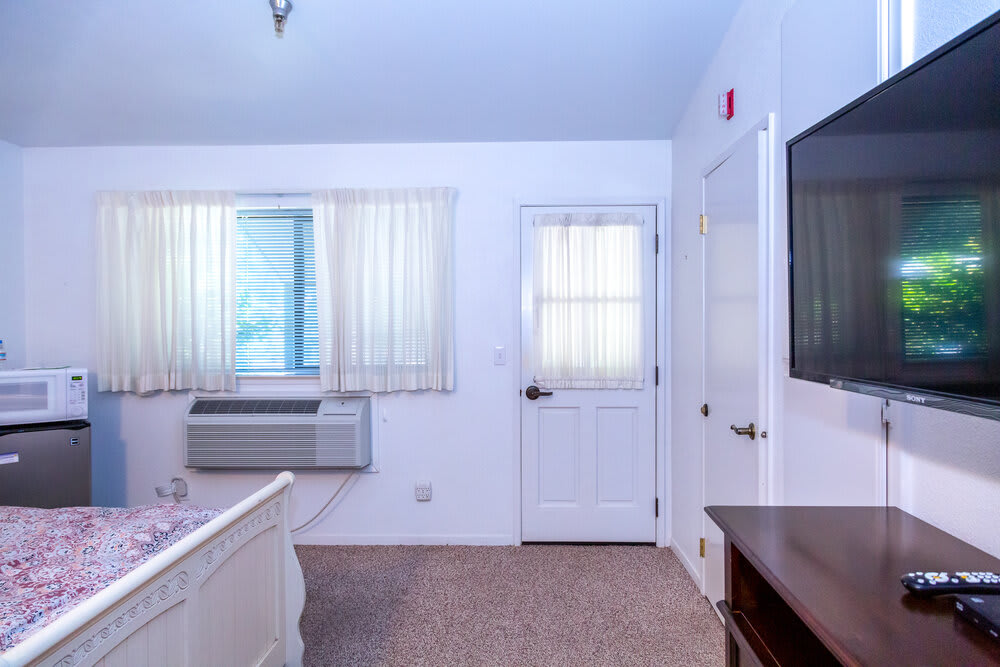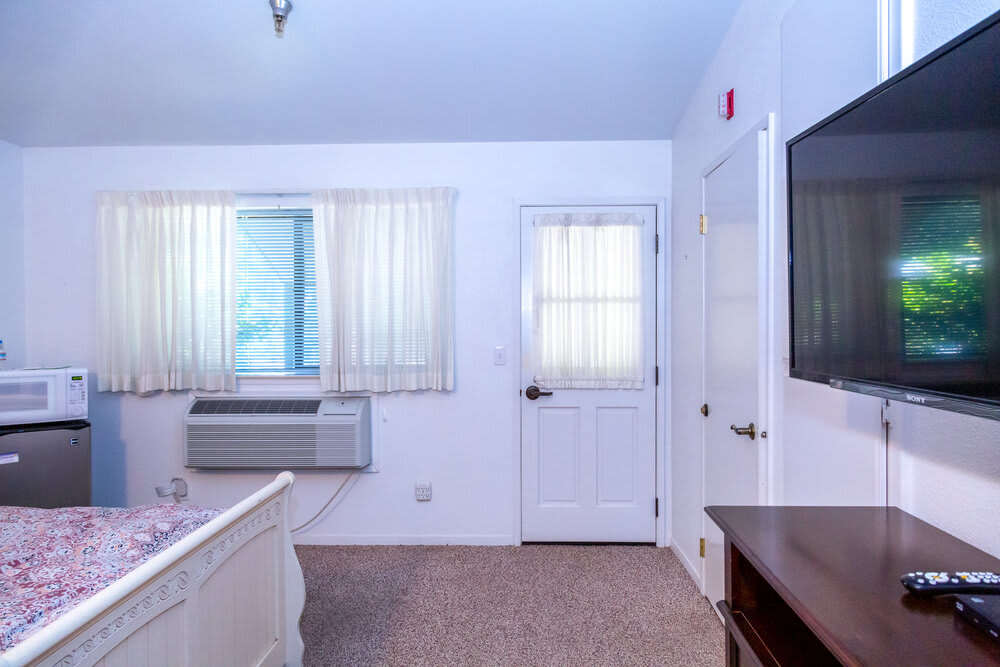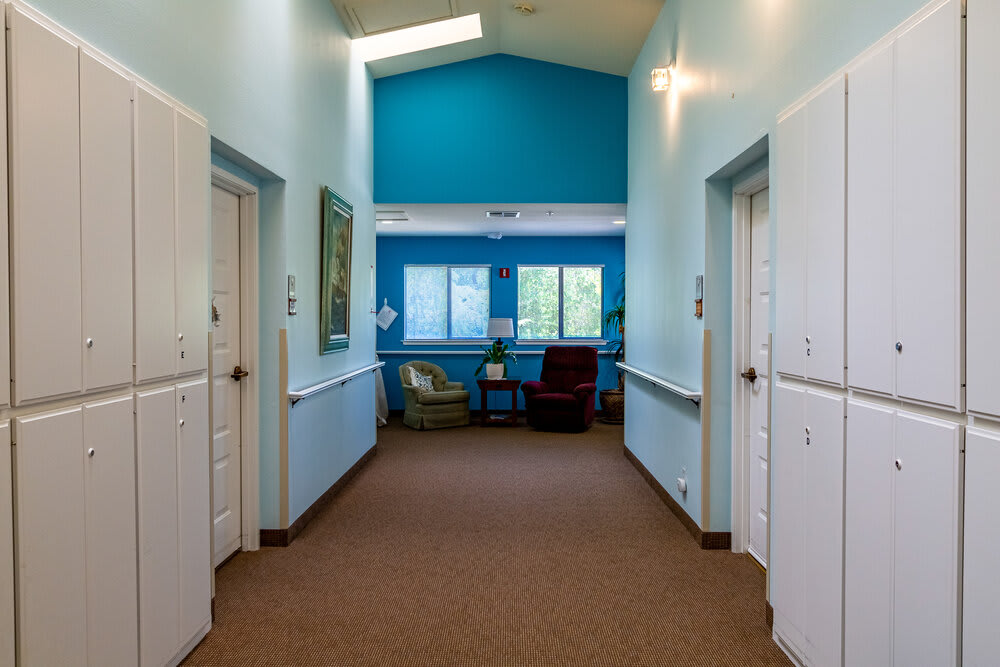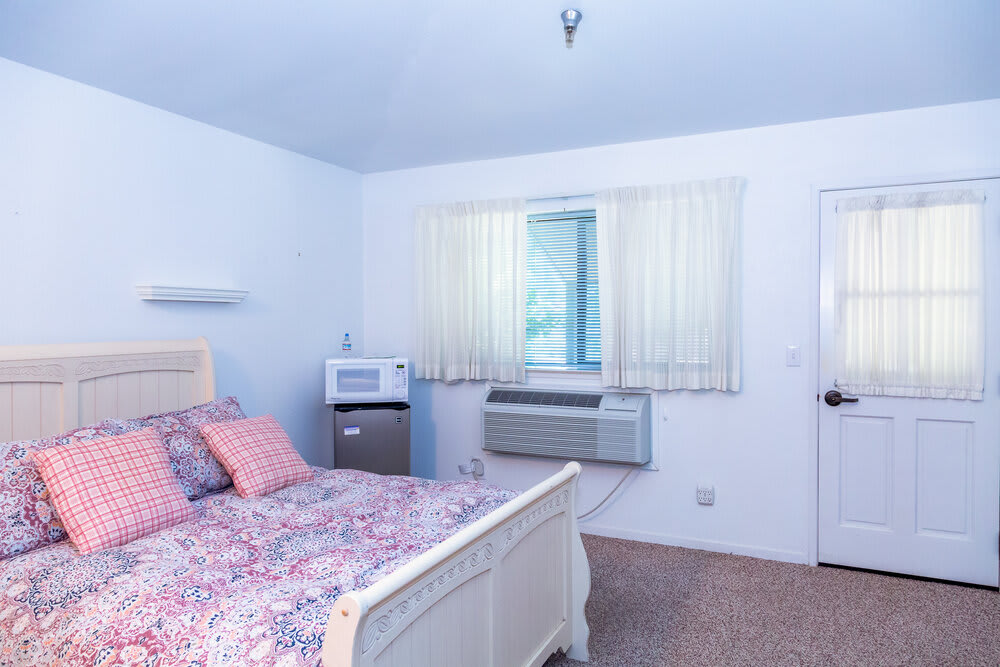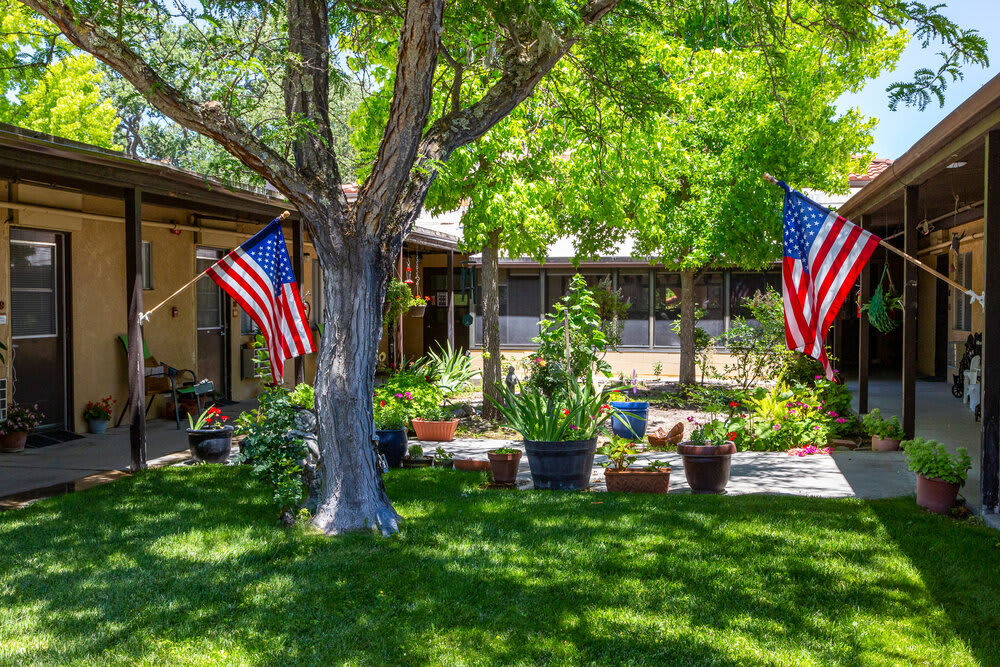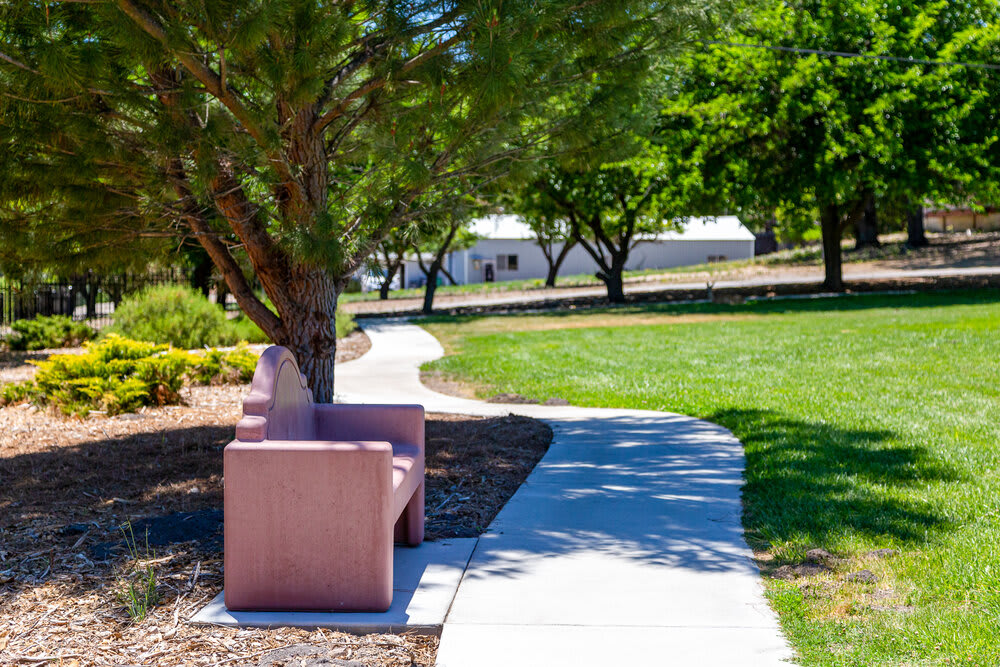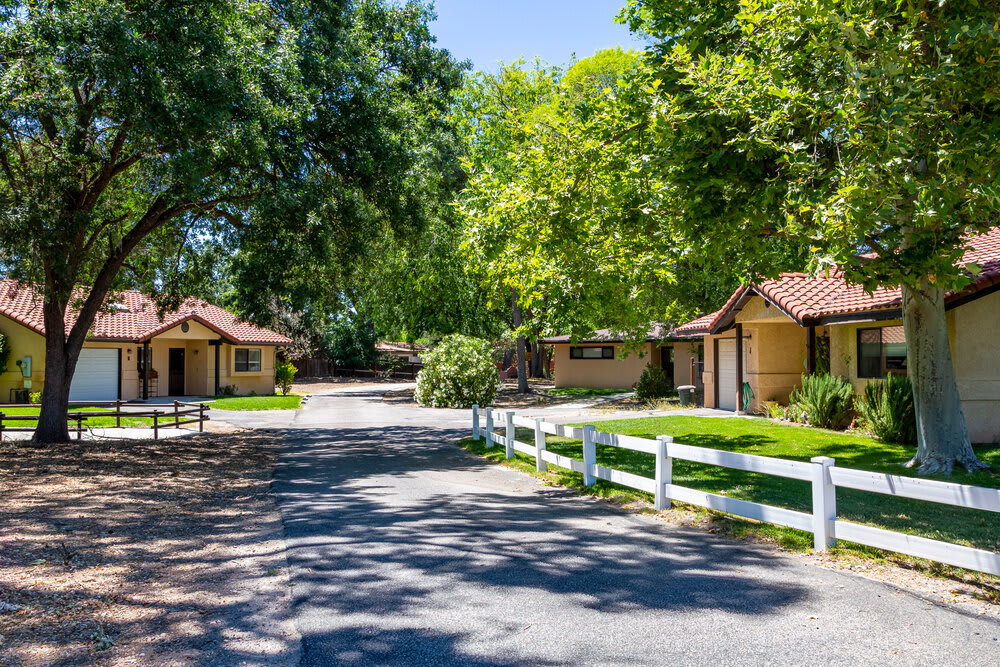
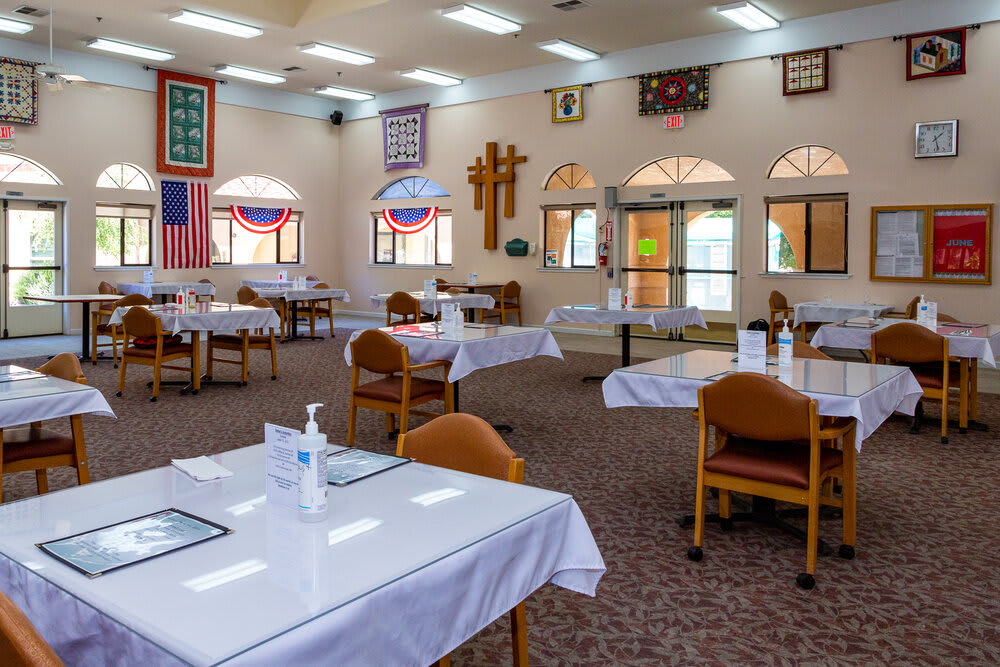
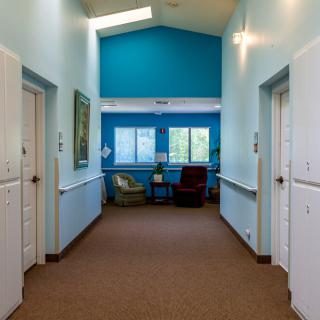

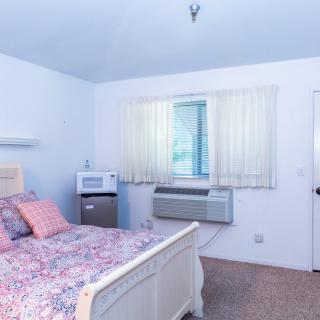
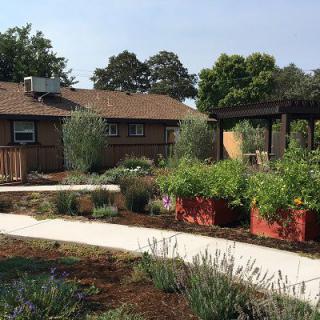
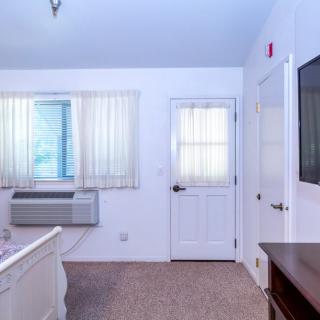
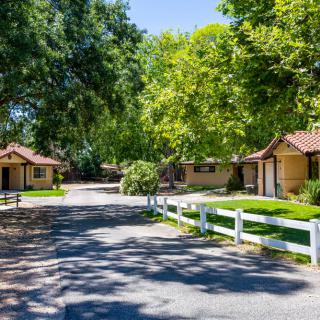


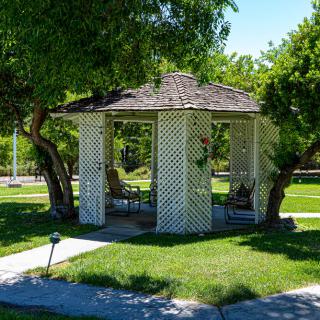

8455 Santa Rosa Road, Atascadero, CA 93422
For more information about senior living options: (866) 208-4318
Atascadero Christian Home Costs & Pricing
Atascadero Christian Home offers competitive pricing for its accommodation options compared to both San Luis Obispo County and the broader California market. For example, a one-bedroom unit is available at $2,888 per month, significantly lower than the county average of $3,994 and the state average of $4,340. Similarly, semi-private rooms at Atascadero Christian Home are priced at $3,308, which not only undercuts the county's rate of $3,575 but also aligns closely with the state's average of $3,333. Two-bedroom units are offered at $3,990 - again more affordable than both local ($5,170) and statewide ($5,270) averages. However, studio apartments do carry a higher price point at $5,513 when compared to the county ($4,108) and state ($4,145) averages. Overall, Atascadero Christian Home remains a compelling choice for individuals seeking quality senior living accommodations without exceeding budgetary constraints.
| Floor plans | Atascadero Christian Home | San Luis Obispo County | California |
|---|---|---|---|
| 1 Bedroom | $2,888 | $3,994 | $4,340 |
| Semi-Private | $3,308 | $3,575 | $3,333 |
| 2 Bedrooms | $3,990 | $5,170 | $5,270 |
| Studio | $5,513 | $4,108 | $4,145 |
Assisted Living communities with a similar price nearby
-
from +$312 / mo
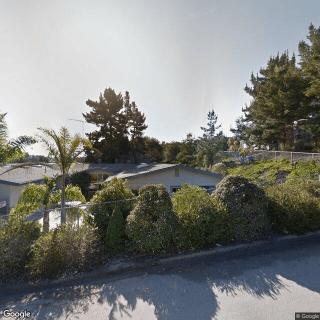
Oak Park Manor
$3,200 / month22.2 miles away -
from +$107 / mo
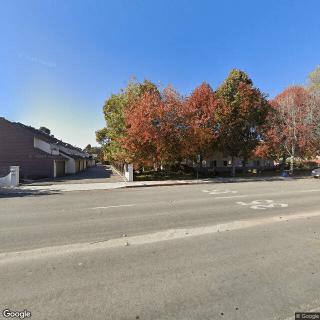
Wyndham Residence
$2,995 to $3,300 / month24.3 miles away -
About the same

The Villages of San Luis Obispo
$2,900 to $4,800 / month11.9 miles away -
from -$88 / mo

Avila Senior Living at Downtown SLO
$2,800 to $6,800 / month13.0 miles away -
from +$112 / mo
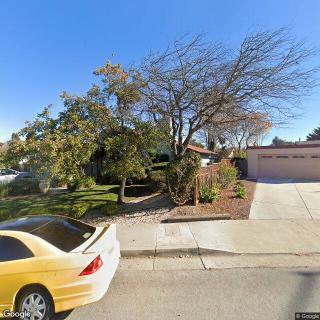
Sunrise Terrace
$3,000 to $4,000 / month14.2 miles away
Overall Review of Atascadero Christian Home
Pros
 The grandmother absolutely loved living there.
- The community felt peaceful and offered church services, activities, and good care.
- The apartments are brand new, clean, and have a modern look.
- The staff are friendly, caring, and attentive.
- The facility is amazing with excellent care, resulting in happy residents.
- The environment is lovely with genuine care and nurturing.
Cons
 It has shifted to independent living with far fewer activities and no care services.
- It would only offer apartments with no on-site help, and emergencies would require calling 911, with no in-apartment call bells.
- The apartments were brand-new but mostly empty and undecorated.
- The meals were not of high quality, lacking variety and flavor, and overpriced at over $4,000 per month.
- The reviewer did not see any residents, which felt odd and suggested a lack of social interaction.
- It is described as best for someone very healthy and private, not suitable for those seeking community or future support.
- There are lawsuits and allegations of elder abuse associated with the facility, despite claims of a new management team.
Review
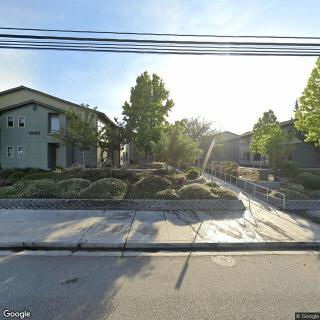
Atascadero Christian Home, now marketed to seniors as Oakview Village, is best suited for a quietly independent senior who wants a clean, modern apartment and a serene, faith-oriented setting without a guaranteed program of on-site care. This community works well for someone who prioritizes a low-key, private lifestyle, where daily routines are self-directed and social needs can be met outside the building. It is not ideal for residents who anticipate ongoing assistance, regular structured activities, or a bustling campus feel. In short, the model is built around independent living with a polished veneer, not a full-service assisted living experience.
Those evaluating this option should explicitly consider alternatives if daily help, memory care, or robust social programming will be needed down the line. The facility no longer offers in-house care services, and the absence of call bells in apartments means emergencies cannot be escalated with the same immediacy as in licensed assisted living. For families seeking a setting with on-site staff support, scheduled outings, or a strong communal calendar, other licensed facilities or continuing-care communities will deliver more predictable care continuity and engagement. The decision hinges on whether the resident can thrive with self-management and external service providers rather than integrated on-site assistance.
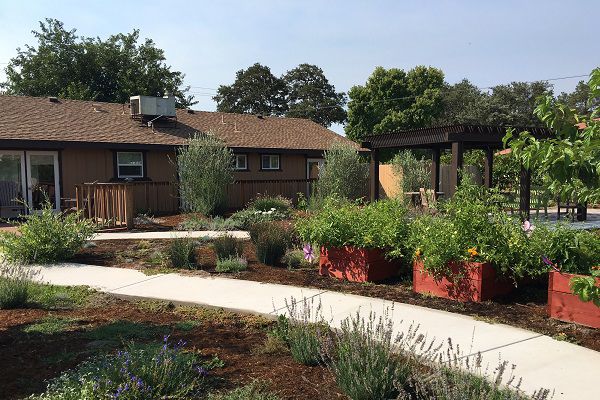
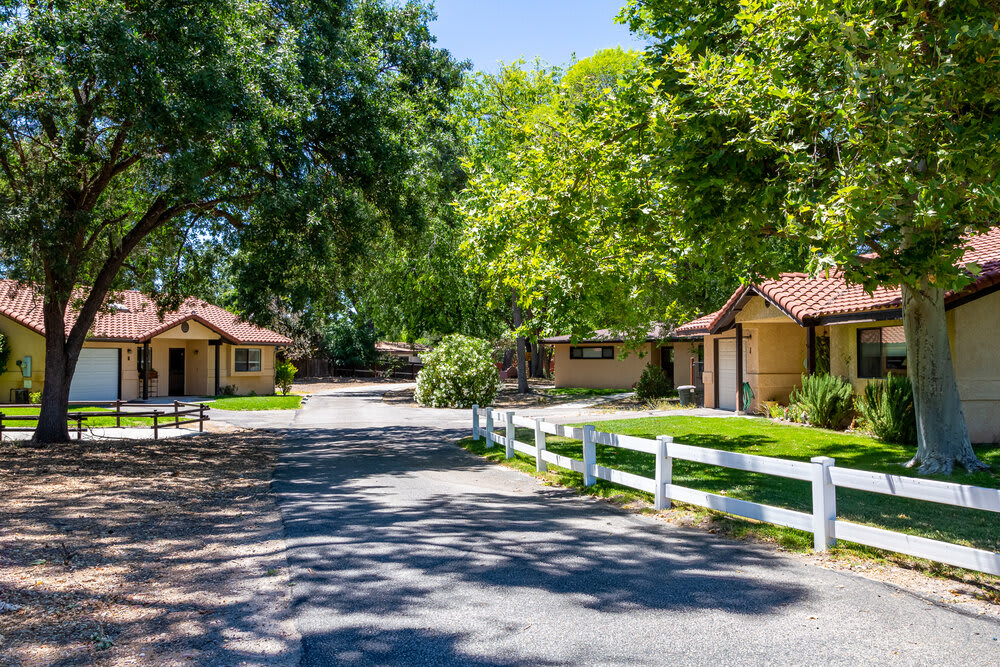
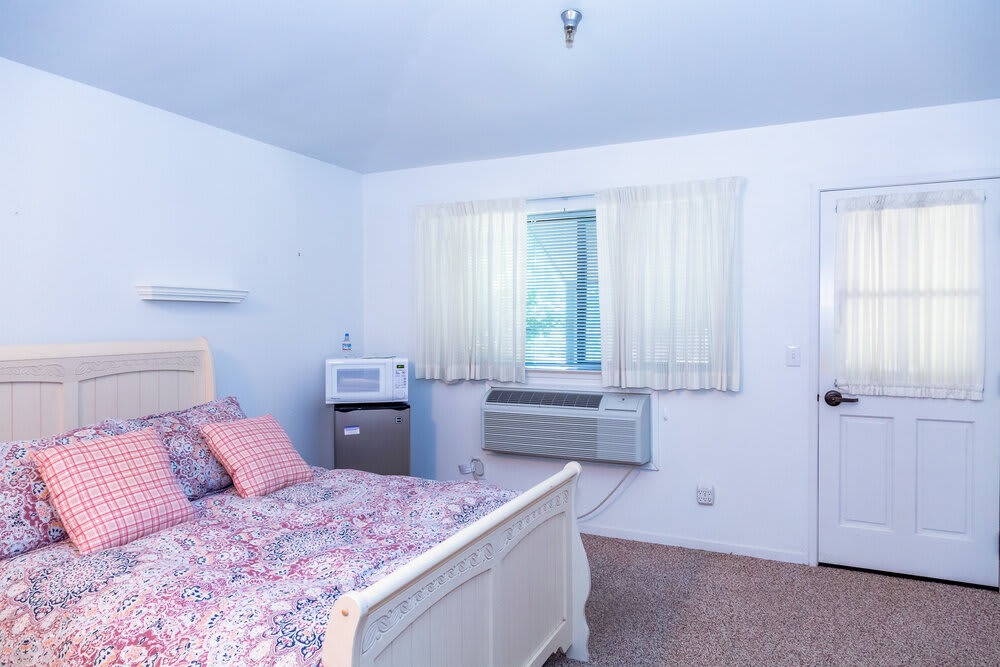
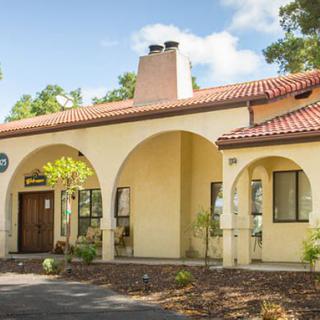
On the upside, the best-case scenario here centers on refreshed, well-maintained living space. The apartments are newly updated, clean, and visually appealing, with contemporary finishes and practical touches like a model unit equipped with a dishwasher and garbage disposal. Prospective residents who prize an updated, low-maintenance home can find real value in the physical space. Supportive staff and a history of attentive care from clinicians come through in several firsthand accounts, and new leadership is repeatedly credited with stabilizing operations. The community identity, as a Christ-centered environment, offers reassurance to residents and families who want alignment between stated values and daily conduct, especially when staff interactions feel respectful and thoughtful.
Yet the principal drawbacks are substantive and potentially deal-breaking. The core limitation is the lack of on-site care; independence here is real but absolute enough to require external arrangements for medical or personal support. The emergency framework relies on 911 rather than in-building call bells, creating a gap that can unsettle families accustomed to immediate in-unit assistance. The price point, roughly $4,000 per month for a one-bedroom, also places this option outside the affordability band for many households, particularly when the value proposition hinges on self-reliance rather than included care. Tour observations, fewer residents visible, a quieter ambiance, and a perceived thinning of programming, fuel concerns about opportunities for social connection and community life, which are vital for long-term well-being. Add to that the shadow of past legal controversies and leadership turnover reported elsewhere, and it becomes essential to verify the current governance and financial health before committing.
Those who can align with this model may still find meaningful benefits that offset the cons. For a resident who is truly self-sufficient, appreciates privacy, and values a calm, carefully curated environment, the combination of updated living space and responsive, caring staff when issues arise can be a meaningful fit. The absence of on-site care is less of a setback if outside providers are readily accessible and if the resident maintains social ties through family, church, or nearby community activities. In this scenario, the community’s quiet atmosphere and emphasis on personal dignity can translate into a stable, low-stress living arrangement that feels like a deliberate choice rather than a compromise. The caveat: the individual must genuinely prefer a private, less social setting and be prepared to navigate external care services independently.
For families weighing next steps, approach with a concrete plan and a rigorous checklist. Confirm the current licensing status, identify the active management team, and request up-to-date inspection reports and financial disclosures. Probe the activity calendar to measure the level of social programming and consider visiting at different times to assess resident presence and engagement. Clarify emergency protocols and whether any system enhancements are planned, as well as the quality and variety of meals, which can be a significant value factor at this price point. Finally, assess travel distance and visit frequency for family members, since proximity often determines the success of a private, self-managed living arrangement. If the aim is a serene, well-maintained home with dependable support on an as-needed basis, Oakview Village can be a solid match when the resident accepts the absence of integrated care. If not, pursue alternatives that deliver licensed assisted living, on-site personal assistance, and a more active, socially vibrant community.
 64 resident community capacity
 Assisted Living
 Independent Living
 Activities on-site
 Air-conditioning
 Beauty salon
 Cable or satellite TV
 Computer center
 Devotional services off-site
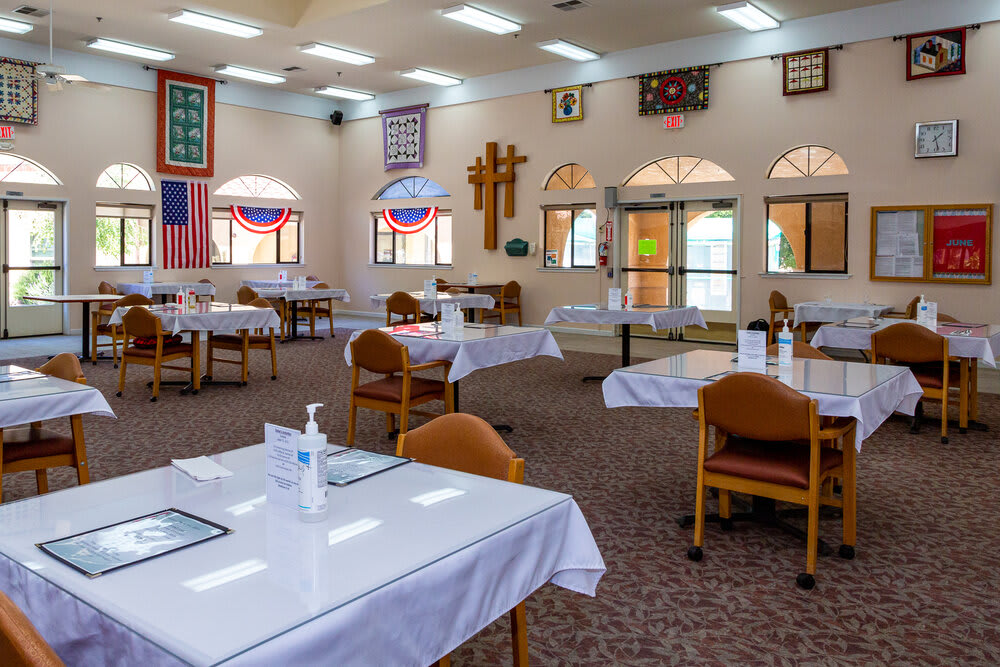
 Dining room
 Fitness room
 Fully furnished
 Gaming room
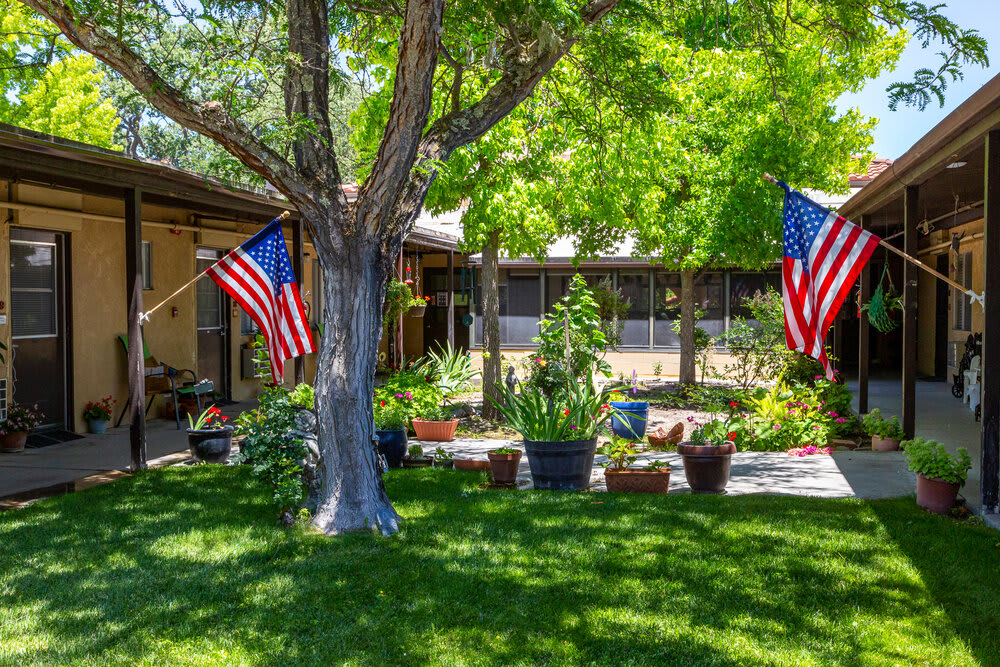
 Garden
 Housekeeping services
 Indoor common areas
 Kitchenette
 Move-in coordination
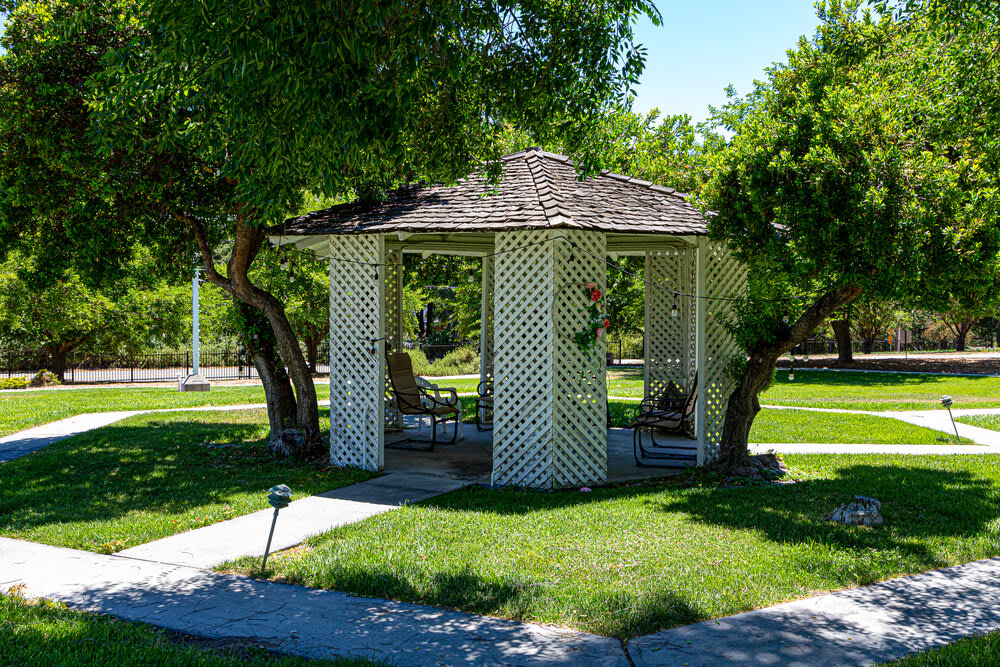
 Outdoor space
 Private bathrooms
 Restaurant-style dining
 Small library
 Telephone
 Wellness center
 Wi-Fi/high-speed internet available
 San Luis Obispo Co-McChesney (16 miles away)
 Community operated transportation
 12-16 hour nursing
 24-hour call system
 Ambulatory care
 Assistance with bathing
 Assistance with dressing
 Assistance with transfers
 Diabetes diet
 Diabetic care
 Medication management
 Mental wellness program
 Special dietary restrictions
 Concierge services
 Planned day trips


 A Detailed Exploration of Assisted Living Medicaid Waivers Across the United States
 Comprehensive Residential Support and Assisted Living Solutions for Individuals with Disabilities
 Comprehensive Supportive Living Arrangements for Adults with Disabilities