
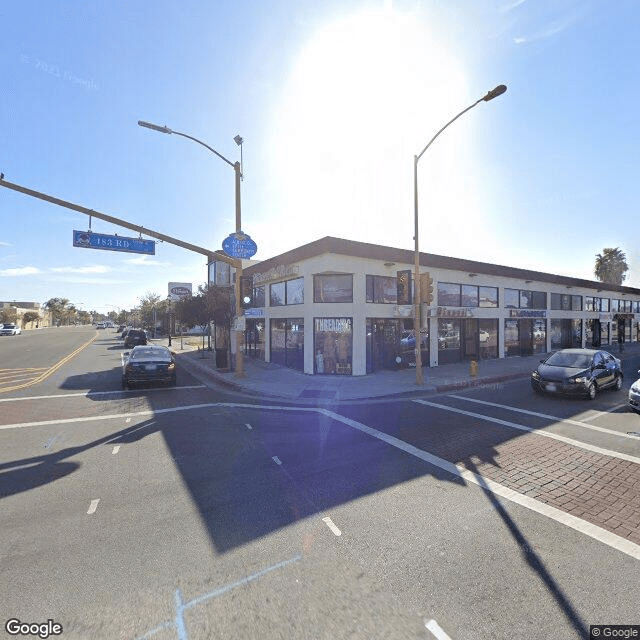
18025 S. Pioneer Blvd, Artesia, CA 90701
To contact a resident: (562) 860-3351
For more information about senior living options: (866) 208-4318
Founder's House of Hope Costs & Pricing
Founder's House of Hope offers a more affordable option for housing compared to the broader market in Los Angeles County and California as a whole. Specifically, the cost for a studio at Founder's House is $2,000 per month, significantly lower than the average monthly rent of $4,172 in Los Angeles County and $4,145 across the state. This pricing reflects a conscious effort to provide accessible accommodation options while maintaining quality services aimed at supporting residents in need. The disparity in costs underscores Founder's House's commitment to creating a viable living situation that alleviates some of the financial burdens often associated with housing in this region.
| Floor plans | Founder's House of Hope | Los Angeles County | California |
|---|---|---|---|
| Studio | $2,000 | $4,172 | $4,145 |
Independent Living communities with a similar price nearby
-
from -$165 / mo
Atherton
$1,835 to $3,750 / month15.6 miles away -
from +$150 / mo
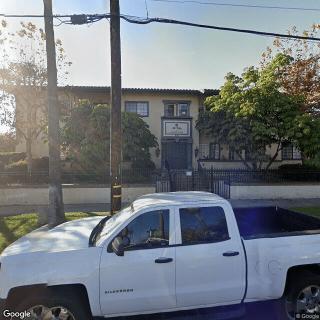
The Villas by Regency
$2,150 to $3,300 / month20.1 miles away -
About the same
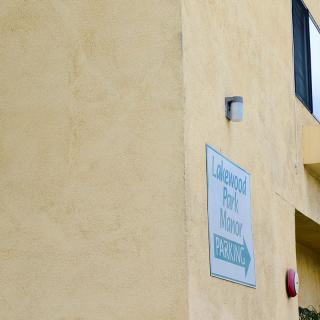
Lakewood Park Manor
$2,000 to $3,200 / month5.0 miles away -
About the same
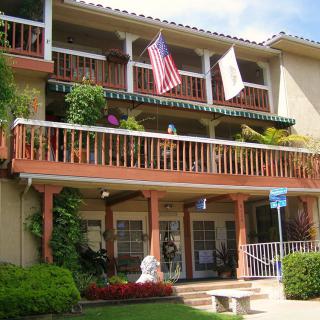
La Posada Assisted Living & Memory Care
$2,000 to $3,600 / month7.4 miles away -
from -$200 / mo
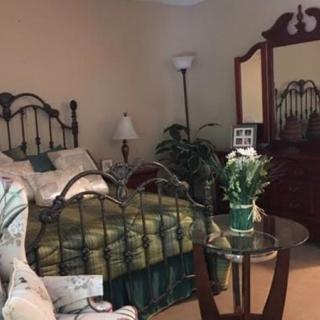
Cambridge Court
$1,800 to $3,600 / month10.6 miles away
Overall Review of Founder's House of Hope
Pros
 It is good.
- One reviewer says it is good.
- The review describes it as good.
Cons
 The reviewer questions how this place has four stars.
- The drinking fountain doesn't work.
- The ice machine keeps breaking.
- The washing machine doesn't work.
- This place should be shut down.
Review
Founder's House of Hope in Artesia is best suited for seniors who prioritize a social, approachable atmosphere and a potentially affordable option, even if it means accepting some maintenance letdowns. The community appears to serve residents who value daily human interaction and routine more than pristine infrastructure. For families, this means a setting where companionship and accessible care services may be the core appeal, provided there is capacity to manage occasional inconveniences and to monitor ongoing upkeep.
Those who should consider alternatives are families and residents who cannot tolerate recurring maintenance failures or who demand reliable, uninterrupted access to essential amenities. The most salient red flags involve basic infrastructure: malfunctioning hydration options, a failing ice machine, and a washing machine that won’t cooperate. When these staples break, the impact ripples through hydration, meal prep support, laundry, and overall comfort. In short, any trajectory toward improved independence may be compromised if daily conveniences cannot be relied upon; for such needs, a facility with consistently functioning essentials deserves comparison.
There is a thread of credibility in the voices that labeled the experience positively, with some reviewers calling the place “Good” and others awarding higher marks. This hints at a workable day-to-day environment for residents who encounter responsive staff, a welcoming atmosphere, or perceived value. The sum of these favorable impressions suggests that, when operations run smoothly, the community can deliver satisfying social connections and a reasonable quality of life. Yet those positives are vulnerable to the maintenance gaps that puncture overall reliability.
The core issue is reliability. When a drinking fountain is nonfunctional, an ice machine repeatedly breaks, and a washing machine fails to perform, the basic cadence of daily living is disrupted. Such problems are more than mere annoyances; they erode confidence in the facility’s ability to support independent living and to safeguard residents’ routines. The perception of ongoing maintenance neglect can erode trust among families who rely on a steady standard of service, especially for residents who need predictable access to hydration, laundry, and clean facilities. In practice, these maintenance gaps can translate into extra planning, trips off-site, or reliance on family members for basic tasks.
On balance, Founder's House of Hope may work for a subset of seniors who place value on social engagement, warmth of staff, and affordability, and who can tolerate or compensate for periodic service interruptions. The decision therefore hinges on individual risk tolerance and caregiving requirements. If the priority is a stable, low-friction daily routine, the cons are non-negotiable and may outweigh the pros. However, for families who can inspect, negotiate maintenance commitments, and actively monitor service quality, there is a path forward, provided promises around upkeep are clearly documented and consistently honored.
Practical next steps are essential. Prospective residents should schedule an in-depth tour focused on maintenance responsiveness, verification of the latest repair histories, and a direct check of the functioning status of critical amenities. Ask for concrete turnaround times on repairs and a clear escalation process when issues arise. Engage current residents about their experiences with housekeeping, laundry, and hydration routines. Compare Founder's House of Hope with other Artesia options in terms of maintenance reliability, staff ratio, and overall consistency of daily living services. The right choice will align a resident’s tolerance for occasional disruption with a facility that demonstrably supports reliable, dignified living.
 Independent Living
 Long Beach (Daugherty) (5 miles away)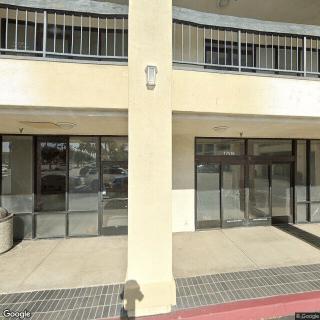



 Seniors and Modern Transportation: Exploring Uber, Lyft, and Other Ride-Hailing Options
 Comprehensive Guide to Qualifying for Home Health Care Services
 Powerful Realities of Elder Abuse and the Most Effective Ways to Report It