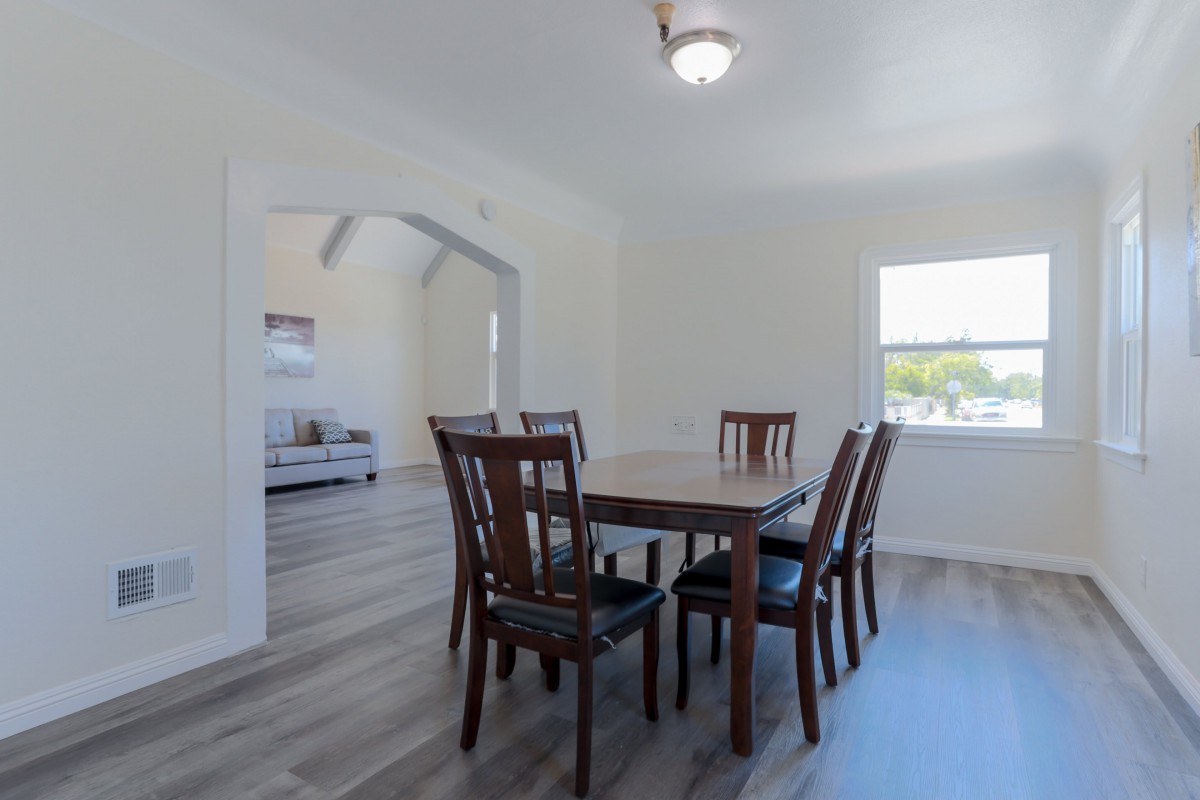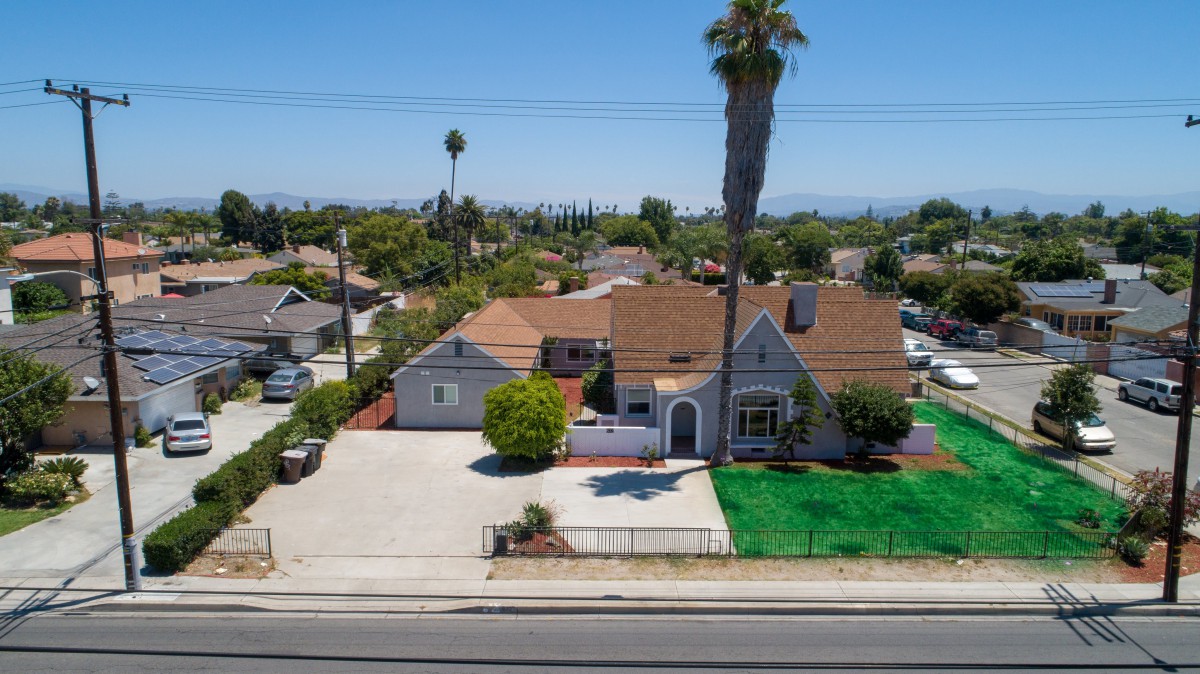
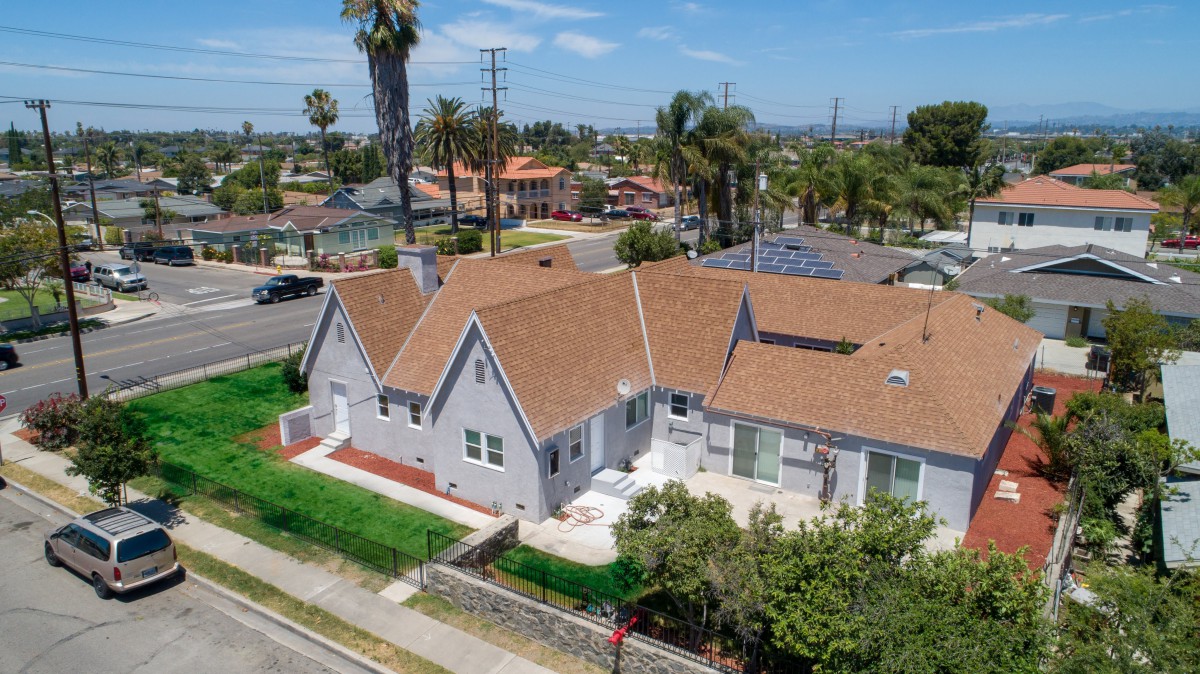
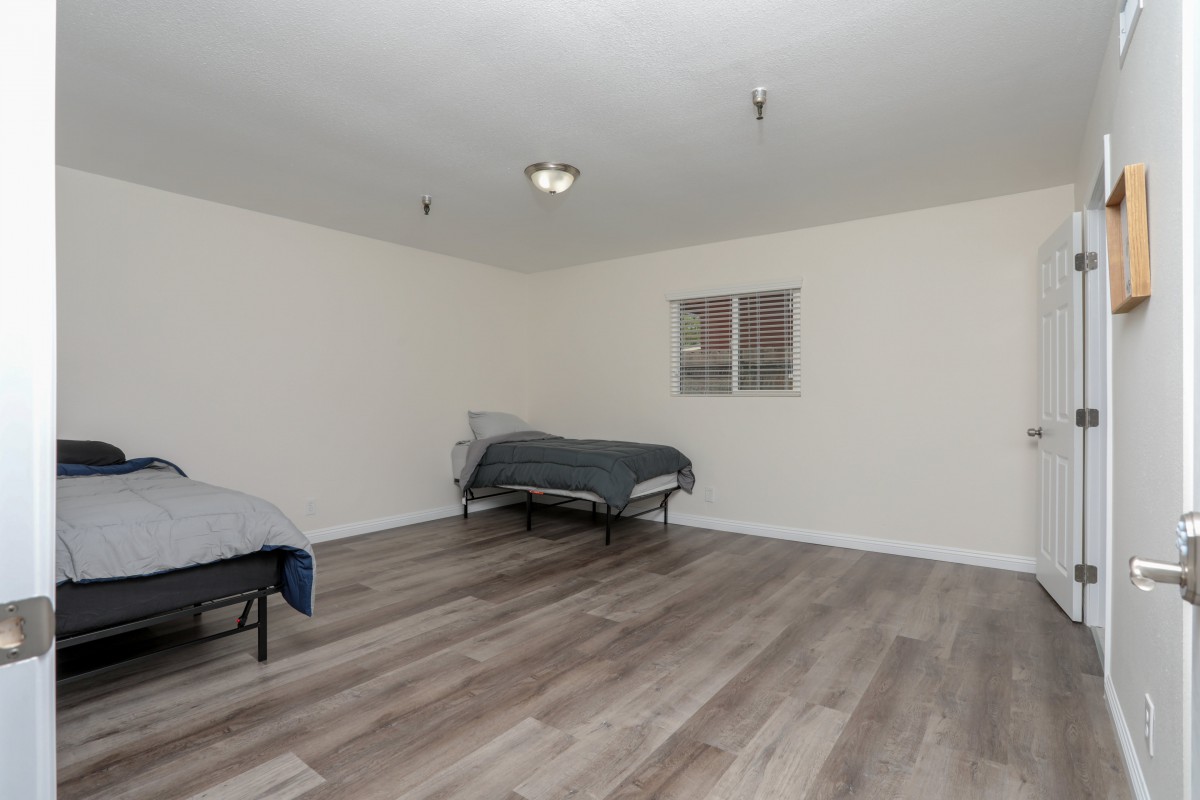
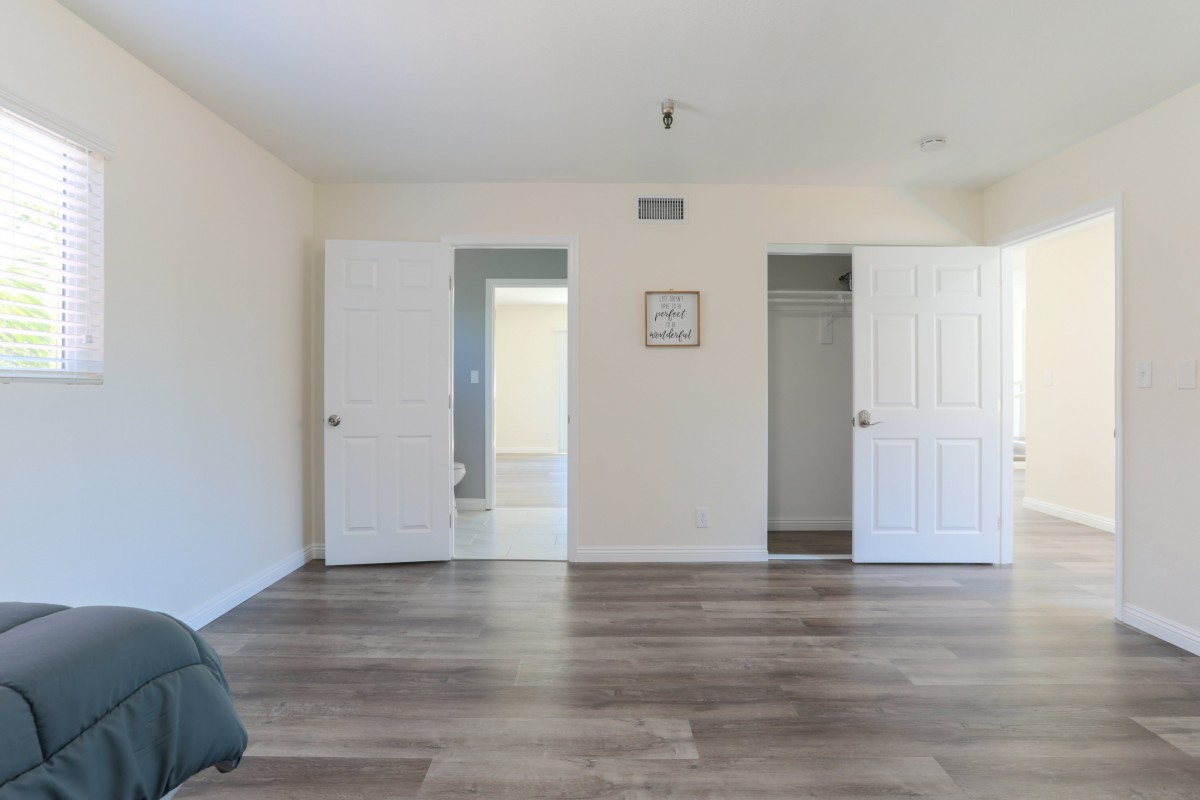

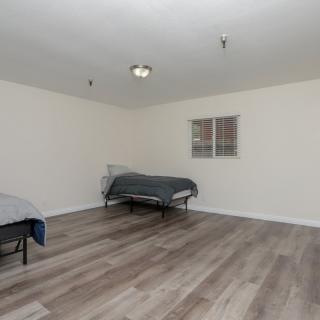



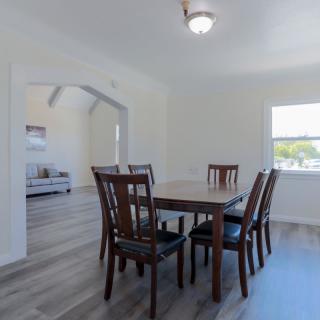



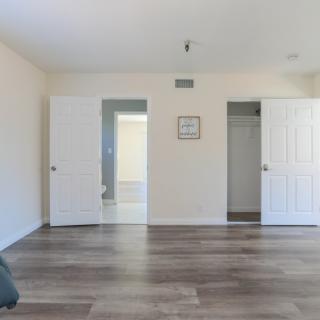
632 N. East Street, Anaheim, CA 92805
To contact a resident: (714) 462-1305
For more information about senior living options: (866) 208-4318
Funding District Costs & Pricing
In the Funding District, the monthly cost for a studio apartment stands at an affordable $1,000. This figure is considerably lower than the prices observed in Orange County, where studios average around $4,313, and even more so when compared to the broader California market, which has an average of approximately $4,145. This significant difference highlights the Funding District's attractive affordability relative to nearby regions, making it an appealing option for those seeking housing with a more manageable financial footprint while still enjoying proximity to urban amenities.
| Floor plans | Funding District | Orange County | California |
|---|---|---|---|
| Studio | $1,000 | $4,313 | $4,145 |
Independent Living communities with a similar price nearby
-
from -$101 / mo

Heritage Village Anaheim For Seniors
$899 to $1,249 / month1.4 miles away -
from -$134 / mo
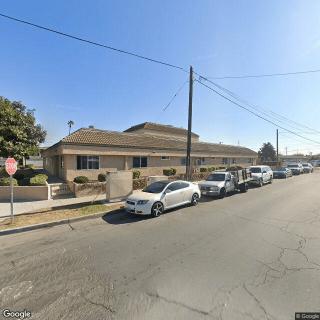
Sunrise Senior Residential Care
$866 to $1,800 / month4.9 miles away -
from -$100 / mo
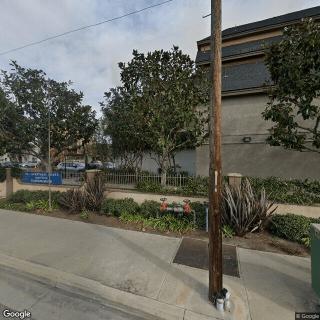
Huntington Westminster
$900 to $1,240 / month7.9 miles away -
from -$105 / mo
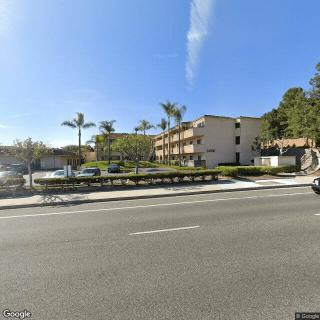
The Fountains at Laguna Woods
$895 to $920 / month20.4 miles away -
About the same

La Verne Manor
$1,013 to $2,000 / month19.6 miles away
Overall Review of Funding District
Pros
 The property was nice, fairly new, and unoccupied on the side where his dad would reside.
- The price seemed cheap.
- A staff member showed them the property, which was nice.
- He promised to take care of it.
Cons
 Limited staff and poor customer service; they hardly follow their own policies and procedures.
- The staff appears prejudiced, with attitudes of fatigue and irritation expressed.
- They caution not to leave loved ones there.
- The property isn’t adequately set up; it’s unclear if they’re board-certified, and there are concerns that the dad needs more care (medication management, laundry, housekeeping, meals).
Review
Funding District in Anaheim, CA is best suited for seniors who are relatively independent and price-conscious, seeking a straightforward, low-cost living option rather than a facility built around attentive, hands-on care. Families with someone who can tolerate more limited on-site staffing and who can arrange medication management, housekeeping, and meals through outside services or visiting caregivers will find the basic setup acceptable. In short, this community works best when expectations center on space, safety, and affordability rather than daily, intensive support.
Those needing reliable, ongoing assistance with meds, daily personal care, mobility support, or consistent, courteous customer service should consider alternatives. The reviews signal a mismatch between price and the level of care delivered, with questions about staff availability, training, and adherence to policies. Prospective buyers should look for facilities with clear nurse coverage, transparent policy enforcement, and a demonstrable track record of respectful treatment for residents.
On the upside, a fairly new, clean property at a lower price point can be attractive; however, the value quickly erodes if staffing is thin and service is erratic. The decisive tension lies between a modern, appealing environment and the reality of limited team members who are stretched thin, leading to fatigue, curt interactions, and inconsistent help with medications, laundry, meals, and housekeeping. If the care needs stay modest, the space and cost may be tolerable; when needs increase, the gaps widen sharply.
One reviewer describes a staff culture marked by limited availability, poor customer service, and frequent irritability, with a sense of prejudice and mood fatigue. That experience suggests a pattern where residents may feel unwelcome and unsupported, undermining trust and safety. The impact of such an atmosphere can negate any aesthetic advantages and erode the quality of daily life for a senior who requires dependable supervision.
A second account underscores practical hurdles: the application process can require extra trips and time; staff may not be present when needed; uncertainty about whether staff are board-certified or properly trained raises questions about accountability. More concerning are assertions that essential services, medication administration, daily laundry, housekeeping, and meals, may not be reliably provided or properly coordinated, signaling misalignment between expectations and actual care levels.
Decision-making should emphasize verifiable care commitments before committing. If pursuing Funding District, request a concrete, written care plan, daily schedules, and proof of licensure or certification for caregivers; confirm staffing ratios and supervision; and arrange a controlled tour focused on medication management, dining services, and housekeeping quality. Consider competing communities with stronger staffing stability and clearer policies; if choosing here, pair the move with external caregiving support and a robust contingency plan to protect a loved one’s safety and dignity.
 Independent Living
 Air-conditioning
 Full kitchen
 Indoor common areas
 Outdoor common areas
 Wi-Fi/high-speed internet available
 John Wayne Orange Co (12 miles away)
 Meals provided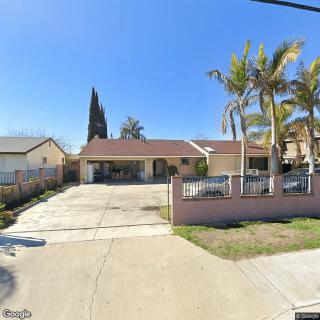





 Understanding the Nuances of Palliative Care and Hospice: A Comprehensive Exploration
 Fecal Incontinence in Older Adults: A Comprehensive Guide
 Recognizing the Journey: Understanding and Navigating Anticipatory Grief