
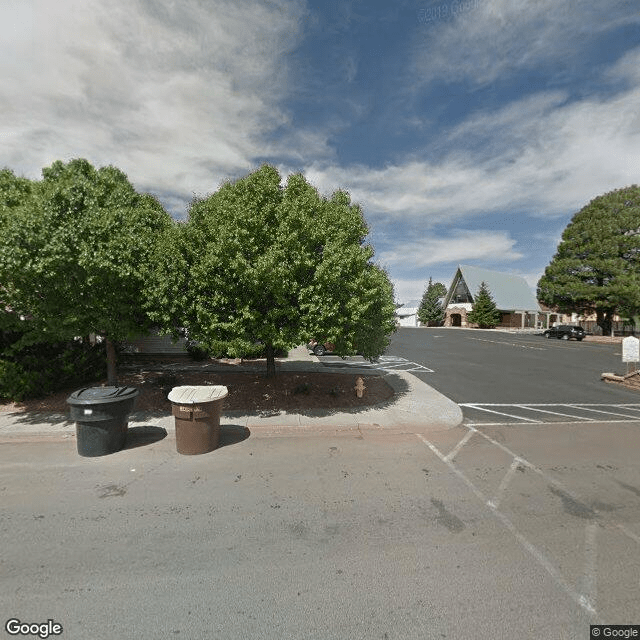
200 S 9th St, Williams, AZ 86046
To contact a resident: (520) 635-2913
For more information about senior living options: (866) 208-4318
Overall Review of St Agnes Apartments
Pros
 They are grateful that radon testing is being done.
- They have learned about radon and recognize its importance.
- They view the radon testing as a wake-up call.
Cons
 The resident is unhappy and pretty concerned about the radon testing at their apartment.
- God isn't real, but the people are.
Review
St Agnes Apartments in Williams, AZ is best suited for seniors who want simple, affordable, independent living with a sense of neighborhood among neighbors. The property appears to serve residents who don’t require ongoing assisted living services but still value a workable, low-friction place to call home. The current mixed signal from two small reviews, one noting active safety testing and the other hinting at a straightforward, community-oriented vibe, suggests that this is a practical housing choice for those who prioritize cost and peer interaction over high-touch care. Prospective residents should approach with the expectation of a modest, no-frills setting rather than a full-service senior living experience.
Those who should seriously consider alternatives are seniors needing regular on-site care, robust staffing, or programs like meal services and transportation managed by a facility. The limited data available raises questions about the level of ongoing maintenance, on-site support, and quick responsiveness to concerns. If the primary needs include daily assistance, medical supervision, or a structured activities calendar, a nearby assisted living or continuing care community will typically deliver more predictable support. For anyone with significant safety or environmental concerns, further clarity on management’s approach to risk mitigation becomes essential before committing.
The chief positive signal here is safety transparency. Radon testing is under way, and that admission, though unsettling, puts a concrete process in motion to address a legitimate health concern. This is the kind of proactive measure that matters in senior settings: it signals a willingness to operate with oversight, test results in hand, and the potential for mitigation if issues are found. Additionally, the social fabric appears genuine; residents who describe the people as “real” imply a grounded, neighborly atmosphere that often translates into practical help, shared routines, and a sense of belonging that’s valuable when independent living feels routine or uncertain.
The most palpable downside is environmental health risk management uncertainty. Without clearly communicated results, timelines for remediation, or completion of mitigative steps, radon concerns can loom as a recurring source of anxiety for residents and families. The reviews don’t reveal a documented completion plan, and that gap makes the main risk harder to gauge. Even where testing is ongoing, the disruption to daily life, whether from maintenance windows, testing procedures, or remediation work, can erode comfort levels for seniors who prize stability and predictable routines. In short, the main con is not presence of risk itself, but the lack of visibility into how quickly and effectively that risk will be mitigated.
When weighing the pros against the cons, the fit hinges on a safety-forward, low-cost, community-first mindset. The active radon testing is a meaningful pro if followed by transparent dissemination of results and timely mitigation; it converts a potential vulnerability into a demonstrated duty of care. The social dimension, the sense that “the people are real”, adds practical value: neighbors can share tips, coordinate rides, and provide informal oversight that supplements limited on-site staff. If the management couples testing with clear action plans and responsive maintenance, these positives can meaningfully offset the downside of environmental risk concerns and a lean service offering.
In the end, this community serves a specific niche: seniors who value affordability, independence, and neighborly connection more than on-site care or a full suite of amenities. For decision-making, rely on questions that reveal concrete risk mitigation: what are the latest radon results, where is the mitigation work located in the timeline, who is responsible for follow-up testing, and how will residents be informed of progress? For those who want more handholding, or who require consistent, daily support, explore alternatives with transparent staffing levels and documented remediation commitments. The right choice hinges on balancing a practical, budget-conscious living arrangement with a clear, credible plan to manage environmental risk.
 Independent Living

 Comprehensive Guide to Blood Pressure Charts for Older Adults: Understanding Normal and High Readings by Age
 Financing Long-Term Nursing Home Care Through Social Security: A Thorough Exploration
 Essential Knowledge on Pneumonia in Older Adults