
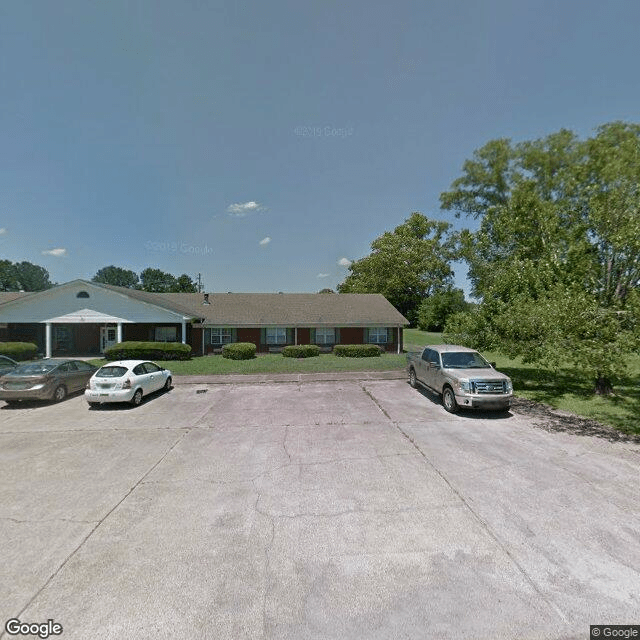
284 Sasser Dr, Hamilton, AL 35570
To contact a resident: (205) 921-5324
For more information about senior living options: (866) 208-4318
Overall Review of Hamilton Sunset Retirement Ctr
Pros
 The nursing home is the best.
- Employees take very good care of their clients.
- Nurses are very qualified and treat everyone with kindness and care.
- It is a very clean nursing home with very good food.
- The family would never consider removing their relative and placing her elsewhere.
Cons
 The facility treats patients terribly.
- They violated numerous care standards, including HIPAA.
- They did not provide morphine for a dying patient, which is neglect.
- They dragged their feet on reimbursements for eight months, and after three years they still have not repaid.
- It is illegal for someone to have a home signed over to the facility, implying illicit actions.
- The administrator never returns calls to the reviewer.
- The actions appear negligent, violate state regulations, and seem crooked.
Review
Hamilton Sunset Retirement Ctr in Hamilton, AL is best suited for families seeking a traditional, hands-on nursing-home experience where daily care is delivered with a housing-like familiarity: attentive, identifiable staff, a clean and well-maintained setting, and meals that residents generally consider good. The strongest positive signal from the competing experiences is a sense that when staff are engaged, residents receive compassionate, competent care from qualified nurses who treat people with kindness. This is a facility where day-to-day routines and personal attention can feel dependable, especially for residents who prefer a straightforward, in-house care environment rather than a more corporate or high-tech setting. However, the room for improvement is real, and the hope of consistent quality across shifts cannot be assumed.
Those who may want to consider alternatives are families prioritizing end-of-life care reliability, ironclad privacy protections, and financial transparency. The most troubling notes describe neglectful care at critical moments, including a failure to provide needed end-of-life medications, which directly compromises safety and dignity. There are allegations of HIPAA violations and a pattern of insufficient administrator follow-up, plus delayed or mishandled financial settlements. For households with residents who have complex symptom management needs, or for those who require swift, clear communication and accountability from leadership, these red flags suggest a need to evaluate other options. In short, this community demands vigilant oversight and a readiness to pursue remedies if trust or timeliness of care falter.
The core pros, nursing competence on the floor, genuine caregiver attentiveness, and a clean, orderly environment, do offer meaningful relief in day-to-day life. When staff engagement is high, residents benefit from timely assistance, consistent treatment from qualified nurses, and meals that contribute to overall comfort. These strengths can meaningfully offset routine caregiving challenges, creating a stable, predictable routine that many families prize. Cleanliness and a well-maintained setting reduce infection risk and support a sense of safety. Yet these advantages rely on steady staffing and effective leadership, and they do not automatically compensate for gaps in critical areas such as end-of-life care management or privacy and financial integrity.
The most serious drawbacks center on documented and perceived lapses in safety, privacy, and accountability. Allegations that pain management or tranquilizing medications were not provided when required at end of life are among the most consequential concerns a family can face. Coupled with reports of HIPAA breaches and a perceived reluctance from administration to engage promptly with family questions or disputes, these issues undermine trust at precisely the moments when care quality must be unquestionable. Financial disputes, dragged timelines for reimbursements or questions about who bears costs, further erode confidence and complicate decision-making for families already navigating stress.
To gauge fit in a concrete, decision-ready way, prospective families should demand a thorough, on-site assessment focused on med management, privacy compliance, and administrative responsiveness. Request recent state survey results and a copy of the facility’s end-of-life care policy, including pain control protocols and escalation procedures. Interview multiple frontline staff and observe how aides, nurses, and the supervisor interact with residents. Seek clarity on financial arrangements, billing practices, and how refunds or reimbursements are processed. Finally, insist on meeting the administrator or a designated leader to understand how concerns are tracked and resolved, and set clear expectations about response times and accountability.
Ultimately, Hamilton Sunset Retirement Ctr can be a solid choice for families who prize steady daily care, kindness from nurses, and a clean environment, provided there is rigorous ongoing oversight. For residents with a high need for reliable end-of-life symptom control, uncompromised privacy, and transparent financial governance, alternatives warrant serious consideration. The facility’s strengths create real value where care teams are well-supported and consistently engaged, but the gravest risks require proactive questioning and a well-structured plan for monitoring and escalation. In the decision-making process, prioritize those elements that align most closely with the resident’s medical needs, privacy expectations, and the family’s capacity to review and respond quickly to any warning signs.
 Independent Living





 Highly Beneficial Low-Impact Exercises for Senior Living Residents
 Is In-Home Healthcare Tax Deductible? Your Comprehensive Guide
 Nurturing Well-Being Through Gardening: A Detailed Guide for Senior Enthusiasts