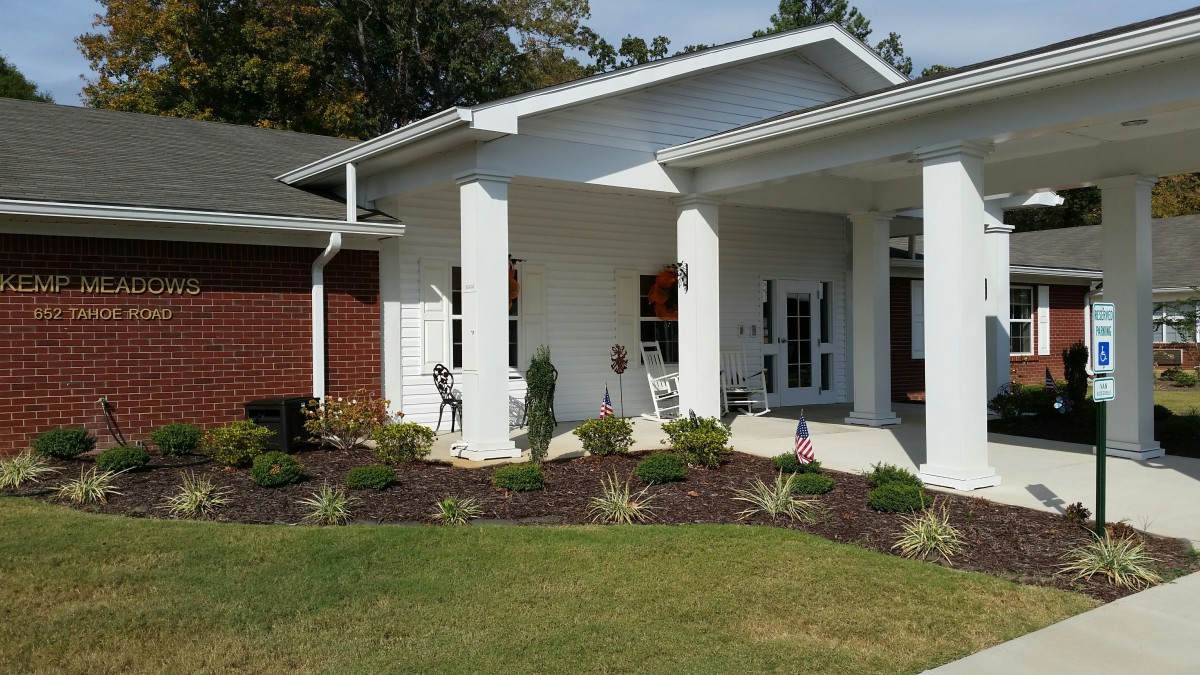





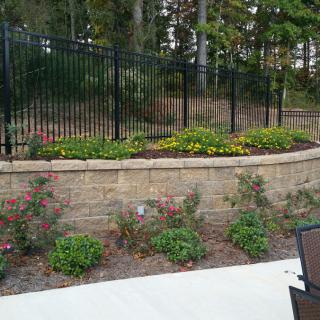
652 Tahoe Rd, Winfield, AL 35594
To contact a resident: (205) 487-7575
For more information about senior living options: (866) 208-4318
Kemp Meadows Costs & Pricing
Kemp Meadows offers competitive pricing for various room types, demonstrating a favorable cost structure compared to both Marion County and the broader state of Alabama. For instance, the monthly rate for a studio at Kemp Meadows is $2,270, significantly lower than the county average of $2,587 and far below the state average of $3,279. Similarly, their semi-private room rate of $2,550 stands in stark contrast to Marion County's average of $3,272 and Alabama's median of $3,495. Even in the one-bedroom category, Kemp Meadows maintains an equal pricing point with Marion County at $2,700 but remains notably less expensive than the state's average of $3,417. Overall, these figures suggest that Kemp Meadows provides residents with valuable options that are both affordable and conducive to quality living.
| Floor plans | Kemp Meadows | Marion County | Alabama |
|---|---|---|---|
| Studio | $2,270 | $2,587 | $3,279 |
| Semi-Private | $2,550 | $3,272 | $3,495 |
| 1 Bedroom | $2,700 | $2,700 | $3,417 |
Overall Review of Kemp Meadows
Pros
 Kemp Meadows takes great care of residents.
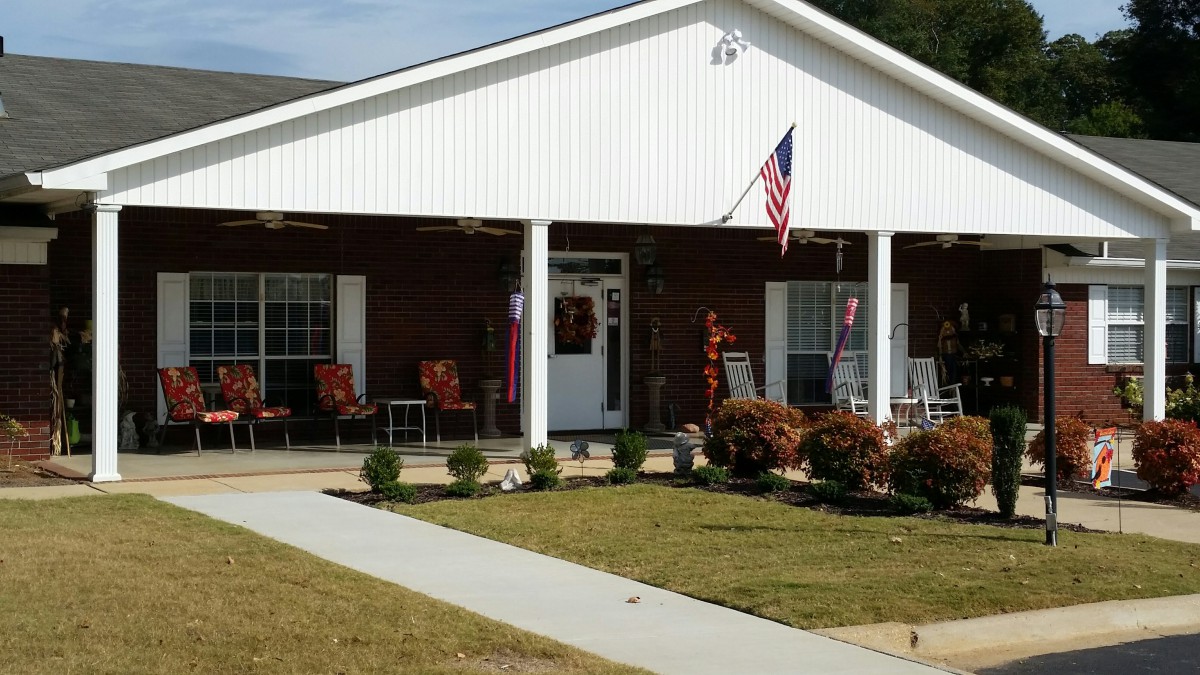
- The facility is clean and feels like home.
- The employees truly care about the residents.
- During Covid, Kemp Meadows did its best to protect residents.
- It is an excellent and compassionate memory care facility.
- It is clean and well kept.
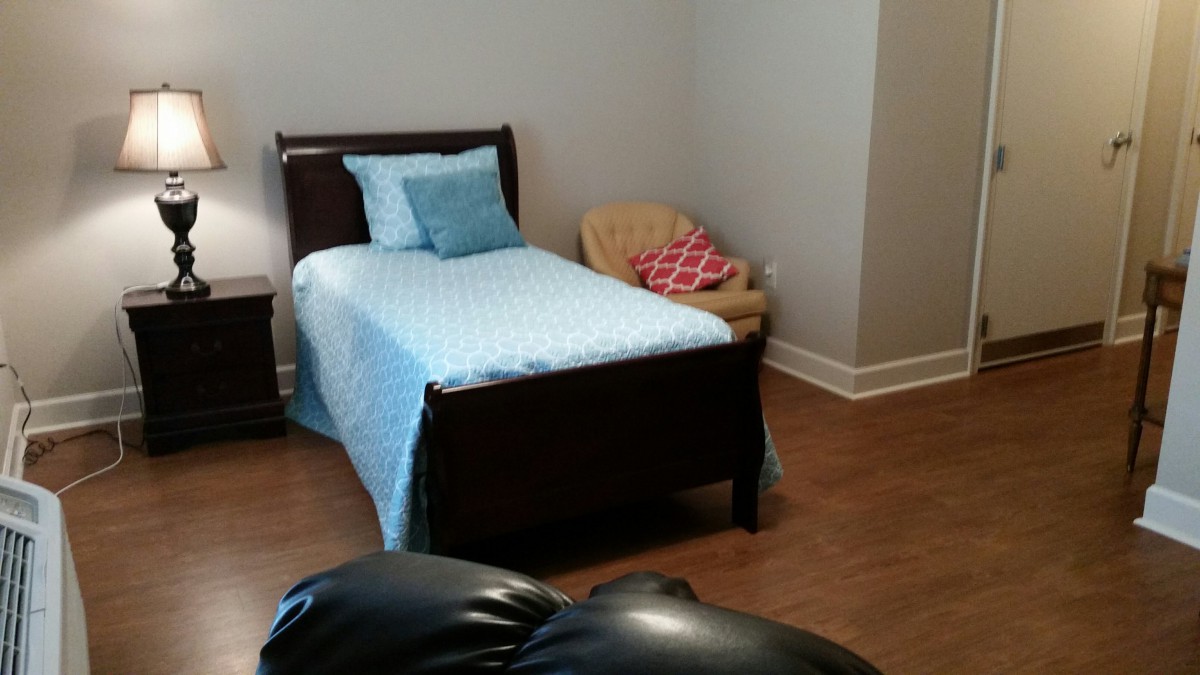
- Residents have their own rooms with their own furniture.
- The food is excellent and doesn't taste like hospital food.
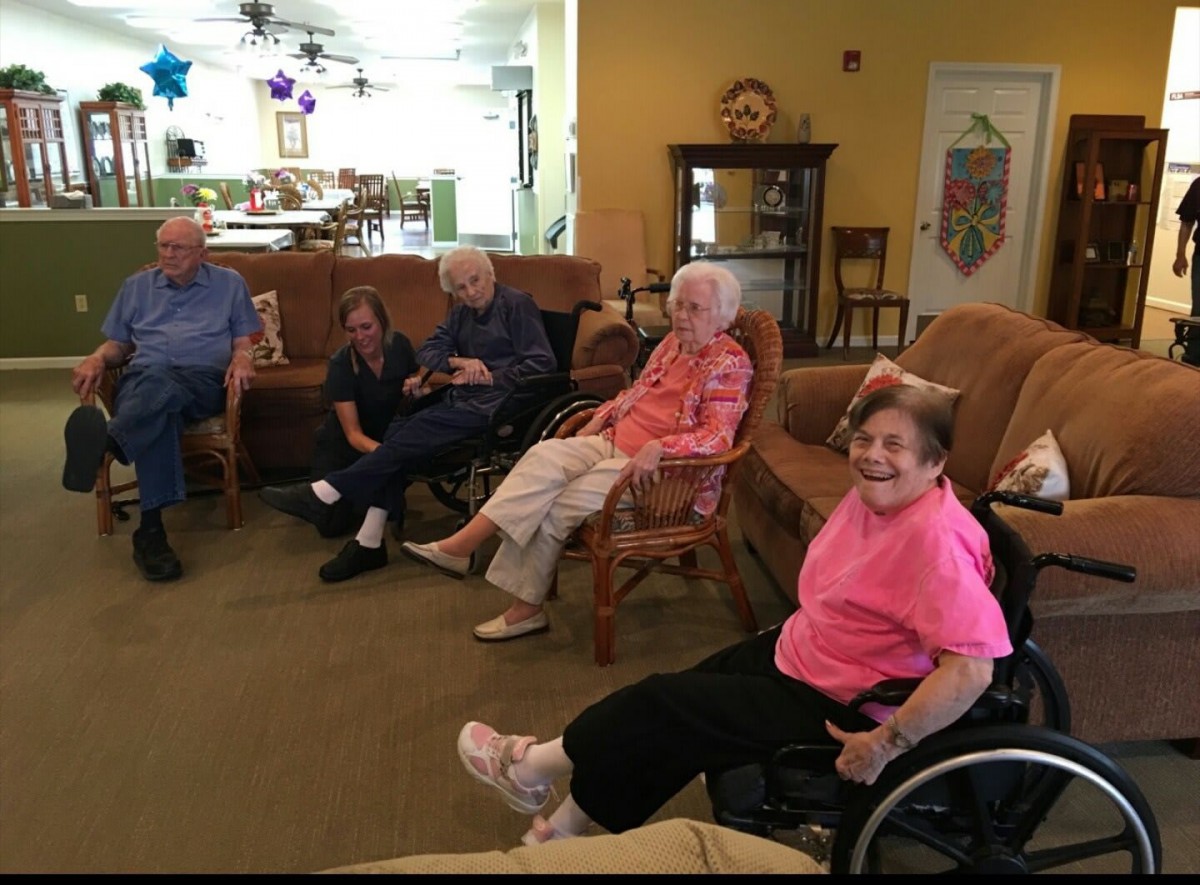
- Kemp Meadows truly engages the residents.
- Kemp Meadows encourages family involvement.
- There is a community room with a TV.
- Kemp Meadows did photo shoots of residents for Christmas cards.
Cons
 Kemp Meadows does not follow any dietitian or nutritional guidelines.
- The dinners given to the mother consisted of pizza and chips, hot dogs with chips, or cold cheese sandwiches with chips, with no fresh fruit or vegetables offered.
- The mother was hit by her roommate while lying in bed.
- The mother was removed within 30 days of arrival.
- The care workers do not have the skills or tools they need.
- This was a horrible experience for the mother.
- The reviewer regrets ever sending her there.
Review
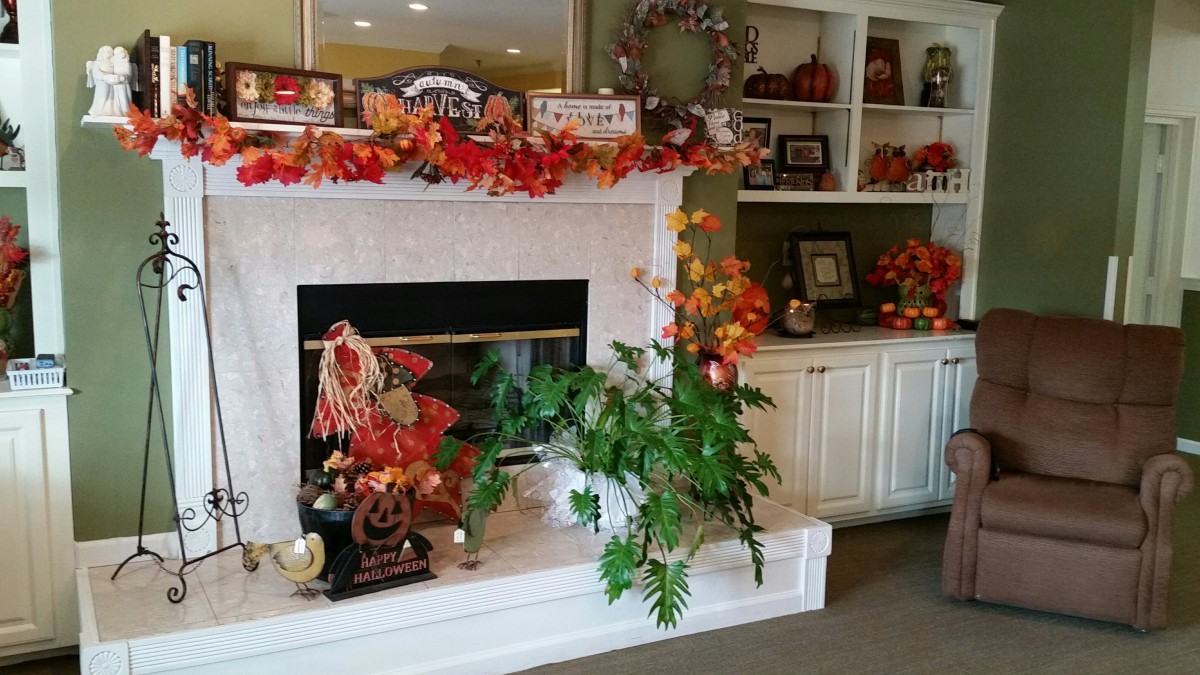
Kemp Meadows is best suited for families seeking a warm, home-like memory care or assisted living option where attentive staff, cleanliness, and active resident engagement shape daily life. The community earns strong praise for private rooms furnished for real comfort, spaces that feel like home, and a culture in which staff genuinely seem to care about each resident. It is especially fitting for families who want to involve loved ones in familiar routines and programming, and who value a setting that emphasizes personal touches, family connection, and social activity over a clinical, impersonal atmosphere.
Those who may want to consider alternatives are primarily residents with stricter medical or dietary needs or safety requirements. One review highlights a mismatch between dietary support and a diabetic care plan, underscoring the absence of a formal, dietitian-driven approach to meals. Another red flag points to a roommate altercation, which raises questions about safety supervision and incident management. A third note questions whether staff have the advanced tools or training for higher-need care. For families needing rigorous nutrition oversight, enhanced safety protocols, or a broader clinical continuum, it would be prudent to compare Kemp Meadows with facilities that explicitly advertise stronger medical governance and nutrition programs.
The strongest pros, clean, home-like surroundings; private rooms; staff described as caring and responsive; and a genuine emphasis on family involvement, interlock with the most valued decision criteria for many families. The environment supports dignity and independence, while engagement opportunities and memory-care-specific programming help residents stay mentally and socially active. Meals are described as more appealing than typical hospital fare, an important factor for long-term comfort and resident satisfaction. In practice, these advantages translate into a calmer daily rhythm, more meaningful resident routines, and greater confidence for families that their loved ones are in a setting that prioritizes quality-of-life over mere supervision.
Where Kemp Meadows falters, the caution flags appear to be real enough to merit careful scrutiny. The absence of consistent dietary oversight for residents with diabetes can leave families worried about blood sugar management and overall nutrition. A safety concern, roommate conflict, suggests a need for transparent, well-communicated policies on resident interactions, supervision, and swift de-escalation. The critique that staff may lack certain clinical tools or training signals that higher-acuity needs could outpace the current model. Taken together, these cons do not overturn Kemp Meadows’ strengths, but they do narrow its suitability for seniors who require strict medical diets, stringent safety controls, or advanced clinical care on a daily basis.
To assess fit effectively, prospective movers should pull back the curtain on the nutrition and safety story. Ask for concrete details on meal planning: who writes menus, how often a dietitian reviews meals, and how diabetic or other special diets are implemented in practice. Request evidence of staff training in memory care, fall prevention, and conflict resolution, plus current staffing ratios and coverage after hours. Speak with current residents’ families about responsiveness, consistency of care, and day-to-day routines. If possible, request a trial stay or observation period to see how care plans are executed in real time, how meals reflect dietary needs, and how safety concerns are addressed without disruption.
In the end, Kemp Meadows presents a practical, compelling option for families prioritizing a home-like atmosphere, engaged memory care, and a staff culture that feels genuinely invested in residents. It is a strong call for anyone who values privacy, active programming, and family involvement as core components of daily living. However, for those whose loved one demands strict diabetes management, a higher level of clinical oversight, or ironclad safety and behavioral protocols, it pays to explore alternatives that foreground nutrition programs and enhanced supervision. A thoughtful visit, focusing on care plans, meal policies, and safety procedures, will clarify whether Kemp Meadows aligns with the specific needs and expectations of the family’s decision.
 Assisted Living
 Memory Care
 Activities off-site
 Air-conditioning
 Beautician on-site
 Cable or satellite TV
 Indoor common areas
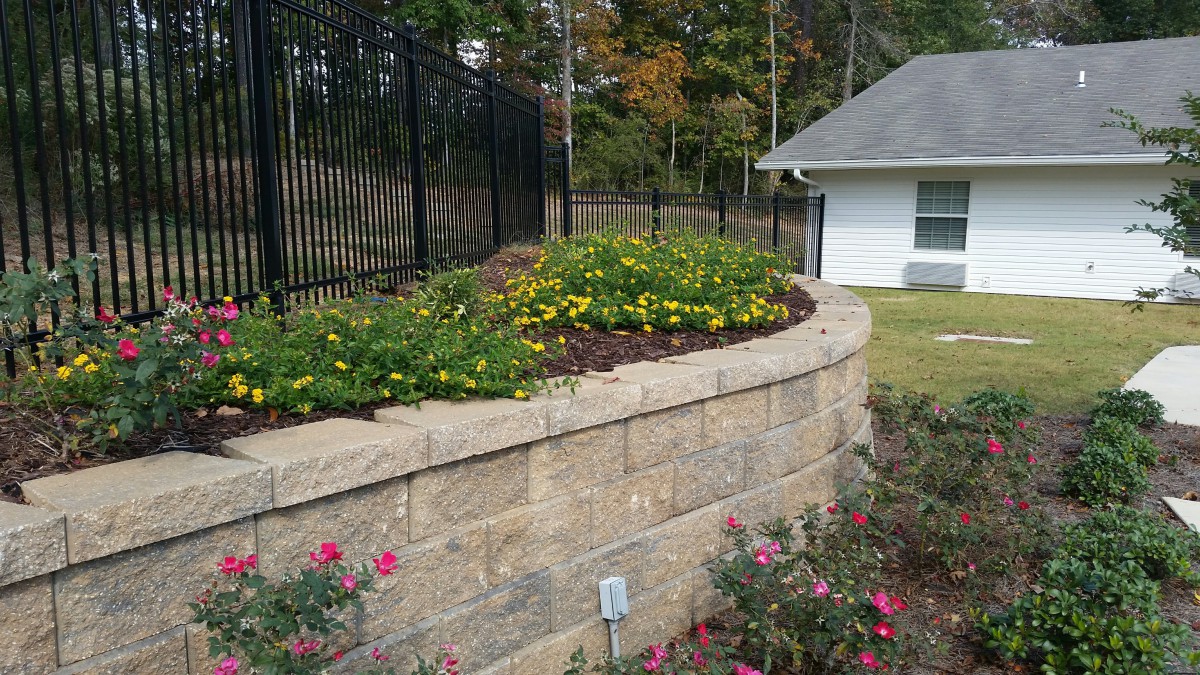
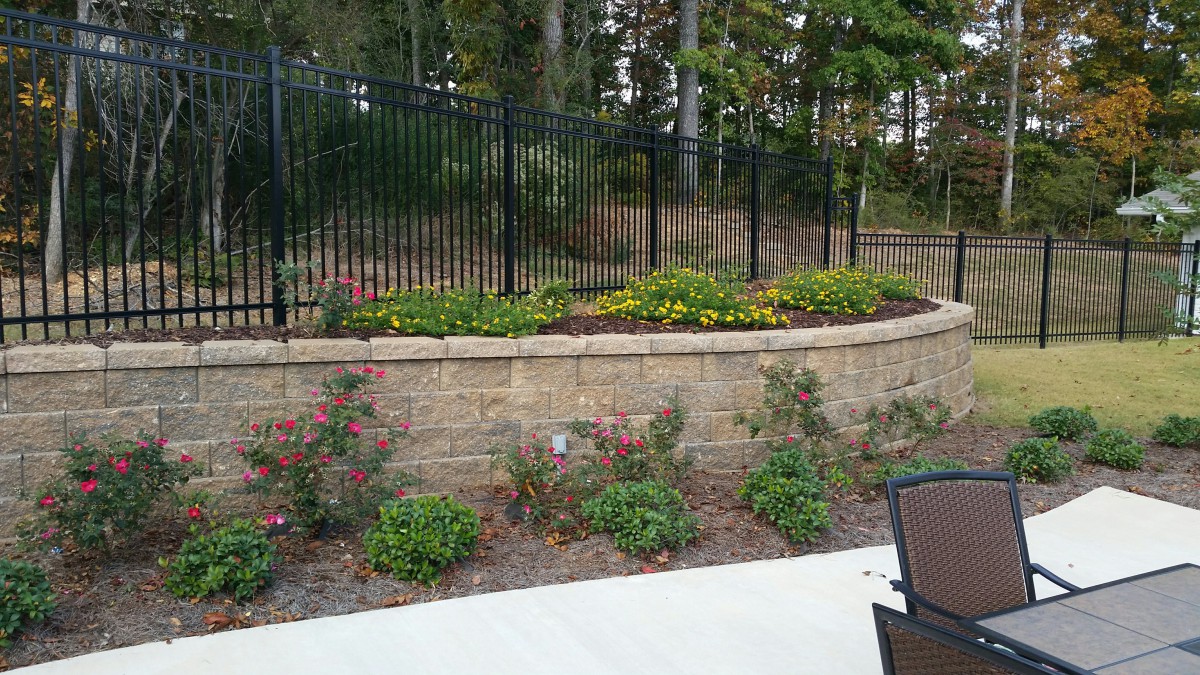
 Outdoor common areas
 Respite or short term stays offered
 Ambulatory care
 Incontinence care
 Medication management
 Meals provided
 Day trips and outings


 Understanding Dementia Behaviors: Practical Insights and Strategies for Caregivers
 When Dementia Sparks Anger and Aggression: Understanding the Connection and Ways to Cope
 Dementia Behaviors: In-Depth Understanding and Effective Coping Strategies