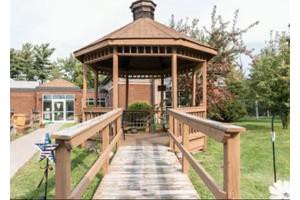

2009 Laramie Street, Torrington, WY 82240
For more information about senior living options: (866) 208-4318
Overall Review of Goshen Healthcare Community
Pros
 The nurses, CNAs, dietary staff, and the physical therapy team are excellent.
- The nursing home is very nice and the employees are good.
- Every person encountered was very nice and kind, making the resident feel comfortable during the transition into the Care Center.
- Everyone was kind and friendly.
- The care provided is worth the price.
- Evergreen Court has a very positive reputation in the community, and residents feel thankful to live there.
- The staff are compassionate, caring, and hardworking, with many years of service.
Cons
 The staff are frequently on their phones and conversing with each other, neglecting residents.
- There have been multiple occasions where residents are pushed out of their rooms.
- The reviewer warns that families should not keep a loved one at this facility.
- The staff are described as failing to provide basic care and being extremely rude.
- The facility feels sparse and understaffed.
Review
Goshen Healthcare Community in Torrington is best suited for families seeking post-acute rehabilitation with solid therapy and nursing support, where the priority is a capable rehab team that can help a resident regain function after a medical event or surgery. The facility appears to deliver strong hands-on care from nurses, CNAs, and dietary staff, and the rehabilitation department is frequently cited as a standout. For families focused on getting a resident back on their feet, with reliable physical therapy and a generally cordial staff, Goshen can offer a practical, recovery-oriented environment.
Those weighing alternatives should consider options if the day-to-day safety and responsiveness of the caregiving team are non-negotiable. Several reviews flag issues around call-bell responsiveness, staff attention, and timely escalation of medical concerns. In a setting where a resident has complex needs or medical fragility, potential gaps in communication, supervision, and proactive care could translate into avoidable risks. Families who require consistently rapid problem-solving, strong onsite clinical oversight, or aggressive infection control may want to explore other communities with a track record of unceasing attentiveness.
On the upside, the most consistent positives center on the people delivering care. The therapy team is repeatedly described as competent and motivated, with residents benefiting from attentive nursing and supportive dietary staff. The atmosphere in many shifts comes across as friendly and kind, and families report meals and general cleanliness as reliable strengths. These elements, professional rehab, approachable aides, and a pleasant, orderly environment, can meaningfully offset some daily friction, especially for residents who respond well to structured routines and clear progress in therapy.
Yet the main drawbacks temper expectations. Several accounts point to gaps in care coordination and documentation, with residents not always receiving timely wound care referrals or clear communication about medical concerns. Concerns about call-light responsiveness, hallway safety, and even intrusive resident management suggest that some days feel less secure than desired. Administrative friction, delays in arranging tests or transfers and tense communications with leadership, can intensify stress for families already navigating tough decisions. Taken together, these factors can undermine confidence in a long-term stay, even when the rehab care remains solid.
In practical terms, prospective families should insist on a concrete care plan before admission and request regular, scheduled updates from the care team. It helps to visit at multiple times of day to observe how staff respond to call bells, how quickly aides assist, and whether clinical staff appear engaged with each resident’s needs. Ask for direct conversations with the medical director or charge nurse about wound care, referrals, and escalation protocols, and review the facility’s existing fall prevention and infection control measures. Clarify what therapeutic goals will be pursued, and set benchmarks for progress with the rehab team to avoid drift in expected outcomes.
Bottom line: Goshen Healthcare Community offers a capability-rich rehab environment with approachable staff, reliable meals, and a clean setting that can support a successful short- to mid-term recovery. However, the variability in experiences, particularly around responsiveness, safety, and administrative coordination, means families should go in with a plan, verify staffing and care processes, and have a clear fallback if real-time needs aren’t being met. For residents whose primary need is high-quality rehabilitation and a generally warm, communicative team, Goshen is a credible choice. For those who cannot tolerate uncertain response times or frequent administrative hiccups, broader options in the region should be explored to avoid compromising safety and timely medical attention. In the end, the decision hinges on whether rehab-focused care with a dependable care team outweighs the friction that can arise in day-to-day operations.
 103 resident community capacity
 Assisted Living
 Skilled Nursing Facility
 Air-conditioning
 Beauty salon
 Cable or satellite TV
 Computer center
 Dining room
 Fitness room
 Fully furnished
 Gaming room
 Garden
 Housekeeping services
 Kitchenette
 Move-in coordination
 Outdoor space
 Private bathrooms
 Restaurant-style dining
 Small library
 Telephone
 Wellness center
 Wi-Fi/high-speed internet available
 Community operated transportation
 24-hour call system
 Activities of daily living assistance
 Assistance with bathing
 Assistance with dressing
 Assistance with transfers
 Diabetes diet
 Medication management
 Special dietary restrictions
 Concierge services
 Planned day trips



 Social Security Benefits and Assisted Living: Navigating Options Across the U.S.
 An Extensive Exploration of the VA Aid and Attendance Benefit
 Senior Transition Services: Understanding Their Role, Cost, and Importance